Indian Coffee Brewing: Flavor Description of Indian Monsooned Malabar Coffee
The Mysterious Monsooned Coffee of India
When people think of Asian coffee, Indonesian Mandheling or Chinese Yunnan small-bean coffee usually comes to mind first. But there is another intriguing bean from the region: Indian Monsooned Coffee. FrontStreet Coffee finds the way this coffee develops its flavor especially fascinating. Legend has it that raw beans shipped from India to Europe were affected by the heat and humidity of the Indian Ocean in transit, swelling in volume and turning golden-yellow. Those fermentation changes produced a sweeter, smoother taste with a unique character. While most processing methods rely on artificial drying and fermentation, Indian Monsooned Coffee develops its flavor through natural climate conditions alone, which is genuinely remarkable.
India: The Earliest Coffee-Growing Country in Asia
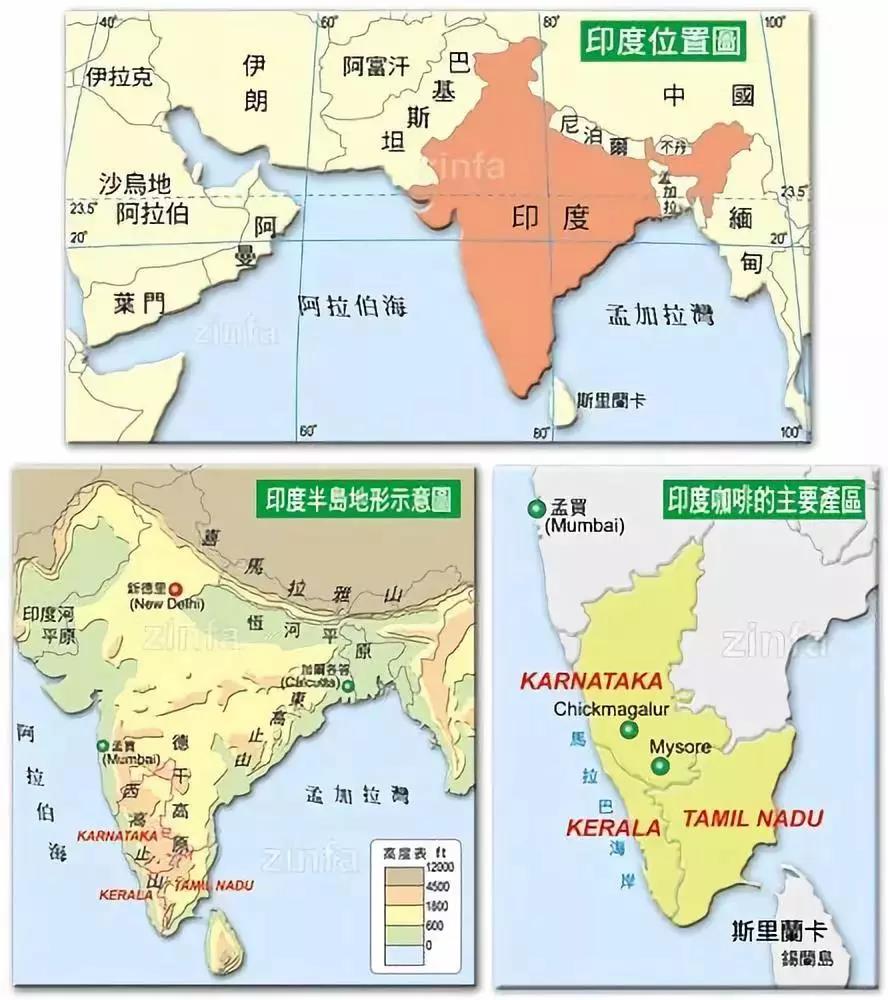
Around 1600, an Indian Muslim named Baba Budan made a pilgrimage to Mecca and secretly brought seven coffee seeds back from Mocha, planting them in the Chandragiri hills of Karnataka state where he practiced his spiritual discipline. That was the beginning of coffee cultivation in India. India produces far more coffee than Ethiopia or any Central American country, with 900,000 hectares devoted to the crop. There are approximately 140,000 coffee farms, more than 90% of them smallholdings of less than 10 acres, distributed across the southern and eastern coastal mountain ranges at altitudes of 900-1,200 meters. Varieties run about two-thirds Arabica and the rest Robusta, with total production of 440,000-450,000 bags, making India the world's fifth-largest coffee producer.
The Origin of Monsooned Coffee
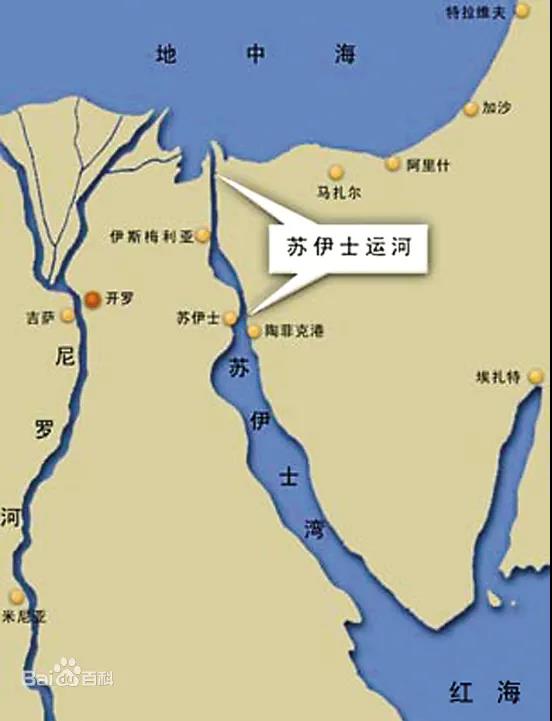
Monsooned coffee was created by accident. From the 17th to the 18th century, India shipped coffee to Europe by sailing vessel, a voyage of six months. Raw beans stored in the lower holds absorbed moisture and salt from the sea air. By the time they reached Europe the beans had changed, going from deep green to the yellow-brown of rice grains. The fruit acidity had all but disappeared, but the beans had unexpectedly developed strong nutty and grainy flavors with a full body, somewhat like genmaicha, the Japanese brown-rice tea. Scandinavians in particular loved this golden alternative. In 1869 the opening of the Suez Canal and the arrival of steamships shortened the voyage from India to Europe, and customers began complaining that Indian coffee had "lost its flavor," no longer showing the appealing yellow color and nutty taste. Orders dropped sharply, pushing Indian exporters to look for a solution.
How Modern Monsooned Coffee Beans Are Processed
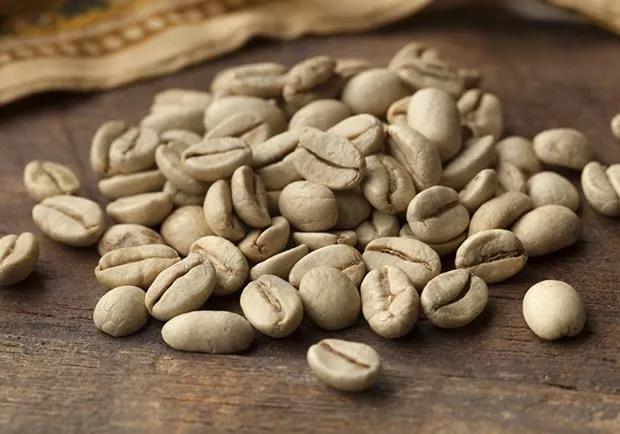
Monsooned coffee starts with sun-dried beans. The storage facility faces west, and the beans are spread evenly inside while all the windows are opened to the salty, humid monsoon winds blowing in from the southwest. Once the beans have had a certain amount of exposure they are put into bags, but never packed too full or too tightly, so air can move through and mold cannot take hold. Workers must regularly empty the beans and replace the jute bags to prevent mold from developing, a time-consuming and labor-intensive process. This stage lasts approximately twelve to sixteen weeks, after which the beans are smoke-treated to eliminate weevils. Finally, manual sorting removes any beans that have not turned golden-yellow, the unsuccessful ones. After at least 6 months to a year of monsoon exposure, the beans have changed significantly in both quality and quantity. They expand to one or two times their original size, lose weight and density, and reach a moisture content of approximately 13%.
Representative Coffee: FrontStreet Coffee's Indian Monsooned Malabar
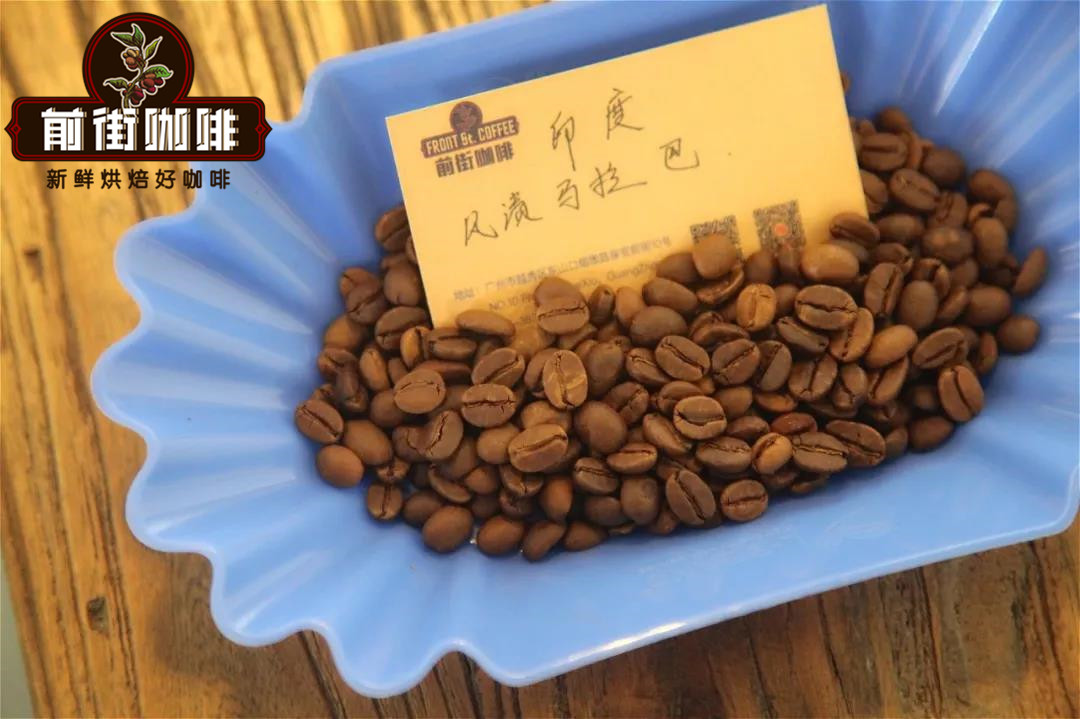
Region: Malabar Coast, Southern India
Altitude: 1,100-1,200 meters
Varieties: Kents, S795, Catimor, Selection 9
Processing: Monsooned Natural Process
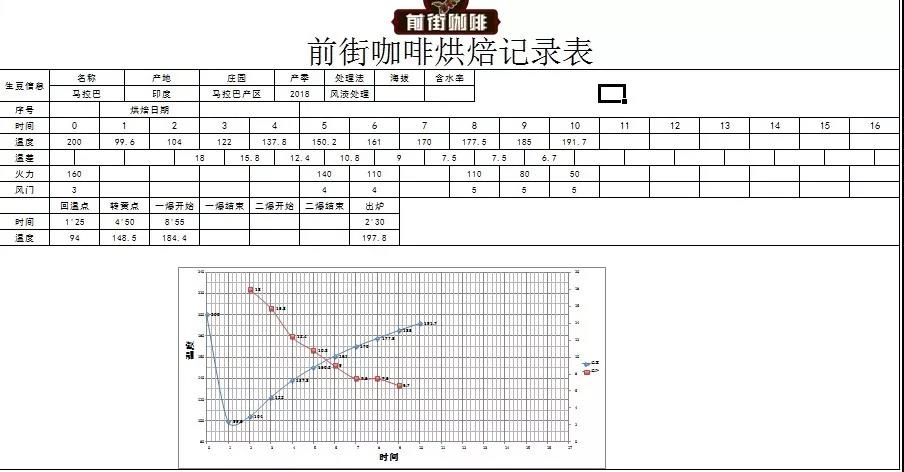
How FrontStreet Coffee Roasts This Indian Monsooned Coffee
As you can see, FrontStreet Coffee uses a medium-dark roast to highlight the herbaceous notes typical of Asian growing regions, along with the fermentation and body that the monsooned natural process brings. This roast level lets the flavor and mouthfeel of the bean express themselves with more richness and depth.
FrontStreet Coffee's Brewing Water Temperature
Water temperature should be adjusted to the roast level. FrontStreet Coffee generally recommends brewing between 86-93°C. For dark roasts, a slightly lower temperature of 86-88°C works best, because dark-roasted beans have a looser structure, absorb water more readily and extract easily; too high a temperature can bring out bitter and burnt flavors. For light roasts, 90-93°C is preferable, since higher temperatures extract the aromatic compounds and the acidity (floral and fruity notes) from a denser bean structure, improving extraction efficiency and avoiding an unpleasant sharp acidity. For medium roasts, 88-90°C is ideal. For this Indian Monsooned Coffee, FrontStreet Coffee brewed at 88-89°C.
FrontStreet Coffee's Brewing Filter Choice
For darker-roasted beans, FrontStreet Coffee chooses the Kono filter to emphasize the rich body. The Kono's characteristic is its soaking action, which extracts more from the coffee through immersion and enhances the full-bodied mouthfeel. The filter has few ribs, located at the bottom, which lets the paper sit close against the cone, restricting airflow and slowing the flow of water to increase contact time between water and grounds.

FrontStreet Coffee's Brewing Parameters
Filter: Kono
Water Temperature: 88-89°C
Ratio: 1:15
Grind Size: Coarse sugar size
FrontStreet Coffee's Three-Stage Brewing Method: First, pour 30 g of water for a 30-second bloom. Then pour 95 g (about 125 g on the scale), completing the pour in roughly 1 minute. When the water level drops to two-thirds of the coffee bed, pour the remaining 100 g (about 225 g on the scale), finishing in about 1 minute 40 seconds. The drip finishes between 2:00-2:10; remove the filter and the extraction is complete.
Flavor Notes: Rich caramel, raisin and herbaceous notes, with a mouthfeel reminiscent of genmaicha and a berry-like aftertaste.
FrontStreet Coffee Recommendation
If you enjoy the heavy body and low acidity of this Monsooned Malabar, Sumatra's Mandheling is the natural next stop. FrontStreet Coffee's PWN Golden Mandheling is the top of that line: PWN applies a strict standard, selecting beans of 18 mesh and above and requiring fewer than 3 defective beans per 300 g sample to meet the highest G1 grade, then hand-sorting three times to remove defects entirely and lift the cup's cleanliness and sweetness. This supplies only limited volume, since most of it goes to the Japanese and American markets.
After a medium-dark roast, Golden Mandheling shows clear wood and caramel notes over a clean, full body, and it is a good choice for anyone who dislikes acidity. FrontStreet Coffee's Lintong Mandheling, from the Lintong area around Lake Toba in North Sumatra, offers a more affordable everyday version of the same wet-hulled character: clove-like spice, woody aroma and a persistent, thick sweetness, with low acidity.
To brew, FrontStreet Coffee suggests 15 g of coffee at a coarse-sugar grind, 87-88°C water and a 1:15 ratio, poured in three stages. Pour 30 ml to wet all the grounds and let them degas, then 100 ml to lift the bed and release the golden foam, and finally a gentle 95 ml center pour, which raises the sweetness and rounds out the caramel, chocolate and nut flavors.
Important Notice :
FrontStreet Coffee is a long-established specialty coffee roaster in Guangzhou China, selling freshly roasted beans from its own farm in Yunnan as well as dozens of carefully selected single-origin beans from around the world for both pour-over and espresso. The products deliver consistently excellent quality and great value, with shipping within 24 hours. Guangzhou's FrontStreet Coffee shop is recommended by many coffee lovers, and the beans are now available online at the Tmall 。
FrontStreet Coffee has moved to a new address:
FrontStreet Coffee Address: 315,Donghua East Road,GuangZhou
Tel:020 38364473
 Scan and follow the En Gafei WeChat official account. Please indicate that the reprint comes from "En Gafei".