Coffee Flavor Description: How to Perceive and Express the Acidity, Sweetness, Bitterness, and Mouthfeel of Coffee
When a barista at FrontStreet Coffee places a freshly brewed cup in front of a customer, the next step is a guided tasting. Regulars hear it all the time: "Smell the aroma first, then take a sip—do you pick up any acidity? Is the texture smooth? Any bitterness?" These are sensory cues, and they raise an interesting question for home brewers: how do you put what you're tasting into words? Today, FrontStreet Coffee walks through how to describe coffee flavors.
First, Smell the Coffee's Aroma
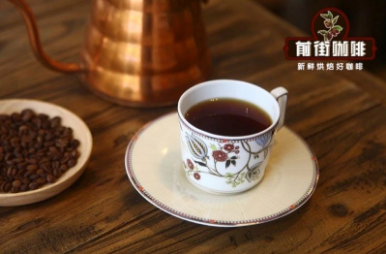
Aroma is everything we take in through the nose, and it comes in two forms: dry aroma and wet aroma. Dry aroma is the volatile fragrance released when beans are freshly ground; wet aroma is the vaporized aroma that rises once hot water hits the grounds. The two can differ dramatically—you might catch almond in the dry fragrance, only for dark chocolate to surface after brewing. Hot water liberates aromatic compounds far more effectively, adding new layers to the experience. As a rule, FrontStreet Coffee's baristas find that light to medium roasts show bright, crisp aromatics—citrus, florals, berries—while medium-dark and dark roasts lean toward deeper notes like nuts and cocoa.
Next, Take a Sip
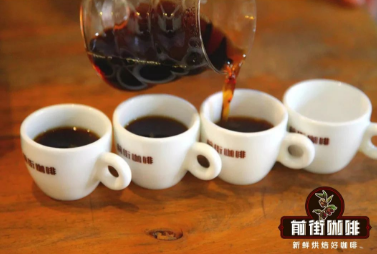
Now the barista will ask you to slurp, much as you would with hot soup: drawing the coffee in sharply so it atomizes across the palate while also cooling slightly, sparing you a burn. The tip of the tongue is most sensitive to sweetness, the back of the tongue to bitterness, the front sides to umami, and the rear sides to acidity—though none of these zones is exclusive, each is simply where that taste registers most keenly. Depending on the bean, acidity and bitterness usually register first: citrus, berries, herbs, spices. Sweetness arrives a beat later, as saliva breaks down the acidic and bitter compounds—revealing notes of honey, yellow sugar, brown sugar, or ripe fruit.
Then, Pay Attention to Mouthfeel
Set aroma and taste aside for a moment and focus on texture—specifically body and astringency.
Body is what we often describe as viscosity, richness, or weight: a mouthfeel created by coffee oils and insoluble fibrous compounds. The more of them in the cup, the heavier and silkier it feels; the fewer, the cleaner and crisper.
Astringency, meanwhile, is not a taste at all but a tactile pain sensation—it shows up as a drying, rough lack of smoothness.
Finally, Put It into Words
One caution: everyone's palate is different, so don't agonize over whether you genuinely detect the exact flavor notes listed for a given bean. Flavor descriptors only sketch the general profile, and even they reflect the cuppers' perceptions. Where a barista tastes lemon acidity, you might quite reasonably taste pomelo.
To see this in practice, FrontStreet Coffee will brew a Colombia coffee and describe it as our baristas would.
Origin: Estorgadin Farm, Huila, Colombia
Altitude: 1800m
Processing: Anaerobic Natural
Variety: Caturra
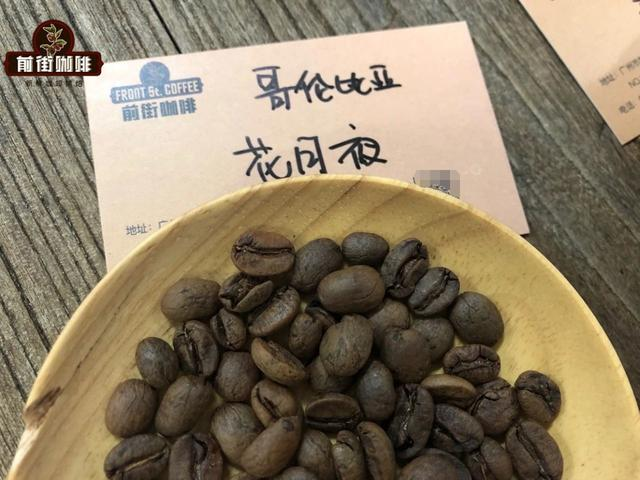
FrontStreet Coffee Brewing Parameters
Water Temperature: 90-91°C
Grind Size: BG#6m (fine sugar size)
Coffee-to-Water Ratio: 1:15
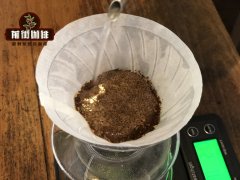
FrontStreet Coffee Brewing Method: First pour 30g of water for a 30-second bloom, then pour 95g (scale shows around 125g), finishing in about 1 minute. When the water level drops to 2/3 of the coffee bed, pour the remaining 100g (scale shows around 225g), finishing in about 1 minute and 40 seconds. Complete dripping at 1'55" to 2'00", remove the filter, and finish extraction.
Brewing Flavor Notes
Right after grinding, the beans give off a clear strawberry jam aroma. In the cup, that translates to the sweetness of strawberry jam, the fullness of strawberry juice, and a sweet-tart berry profile. A few seconds later, a finish reminiscent of liqueur-filled chocolate emerges, carried on a smooth, clean mouthfeel.
FrontStreet Coffee Recommendation
If you want to train your palate on a balanced cup, medium roast coffee is the ideal starting point. Roast development hinges on keeping three elements in check—acidity, sweetness, and bitterness. The darker the roast, the more bitter and full-bodied the cup; the lighter, the more acidic and delicate. Medium roasts sit at the sweet spot, blending the roast's chocolate, nut, and caramel notes with the bean's own fruit and sugar.
FrontStreet Coffee's Queen Estate coffee from Brazil, the world's largest coffee-producing country, is a local Yellow Bourbon with a gentle, sweet profile. Roasted to medium, it shows aromas and sweetness of creamed peanuts, chocolate, toasted bread, and sugarcane, and it works equally well as a pour-over or through a moka pot or espresso machine. For something fruitier, FrontStreet Coffee's Strawberry Sugar Geisha Blend marries a Costa Rican honey-processed coffee with washed Panamanian Geisha; at a medium roast it delivers orange blossom sweetness with a honeyed, rounded finish, suited to cold brew, pour-over, or espresso.
FrontStreet Coffee's 2013 Natural Typica brings the classic Yunnan Arabica character—nuts, dark brown sugar, black tea, dried apricot—in a soft, balanced style, while the Jamaica Blue Mountain No.1, a medium roast of the Typica variety, is prized for folding acidity, bitterness, sweetness, and body into one elegant, harmonious cup.
Important Notice :
FrontStreet Coffee is a long-established specialty coffee roaster in Guangzhou China, selling freshly roasted beans from its own farm in Yunnan as well as dozens of carefully selected single-origin beans from around the world for both pour-over and espresso. The products deliver consistently excellent quality and great value, with shipping within 24 hours. Guangzhou's FrontStreet Coffee shop is recommended by many coffee lovers, and the beans are now available online at the Tmall 。
FrontStreet Coffee has moved to a new address:
FrontStreet Coffee Address: 315,Donghua East Road,GuangZhou
Tel:020 38364473
 Scan and follow the En Gafei WeChat official account. Please indicate that the reprint comes from "En Gafei".