Which Brand of Drip Bag Coffee is Best? How to Brew Drip Bag Coffee? Flavor Profiles of Different Origins
Some may feel that drip bag coffee is unprofessional, but FrontStreet Coffee believes it deserves a different perspective. After all, for any food to become widely popular, it needs a more convenient, accessible form. To help more customers easily enjoy delicious, fresh coffee at home - without much effort or expertise - FrontStreet Coffee refreshes its seasonal drip bag selections from time to time.
The Invention of Drip Bag Coffee
In 1990, Japan's Yamanaka Industrial Co., Ltd. applied the tea-bag concept to coffee, inventing hanging-ear filter coffee and applying for a patent. But the design couldn't support the weight of a brewing cup and easily lost balance, so it was never successfully commercialized. In 1998, Daiki Shoji improved the original invention by extending the hanging flaps outward, creating the drip bag coffee we know today. The Japanese originally conceived drip bags as a simplified pour-over: the brewing ritual echoes hand-drip coffee, but without the pile of complex equipment.
FrontStreet Coffee's Drip Bag Series
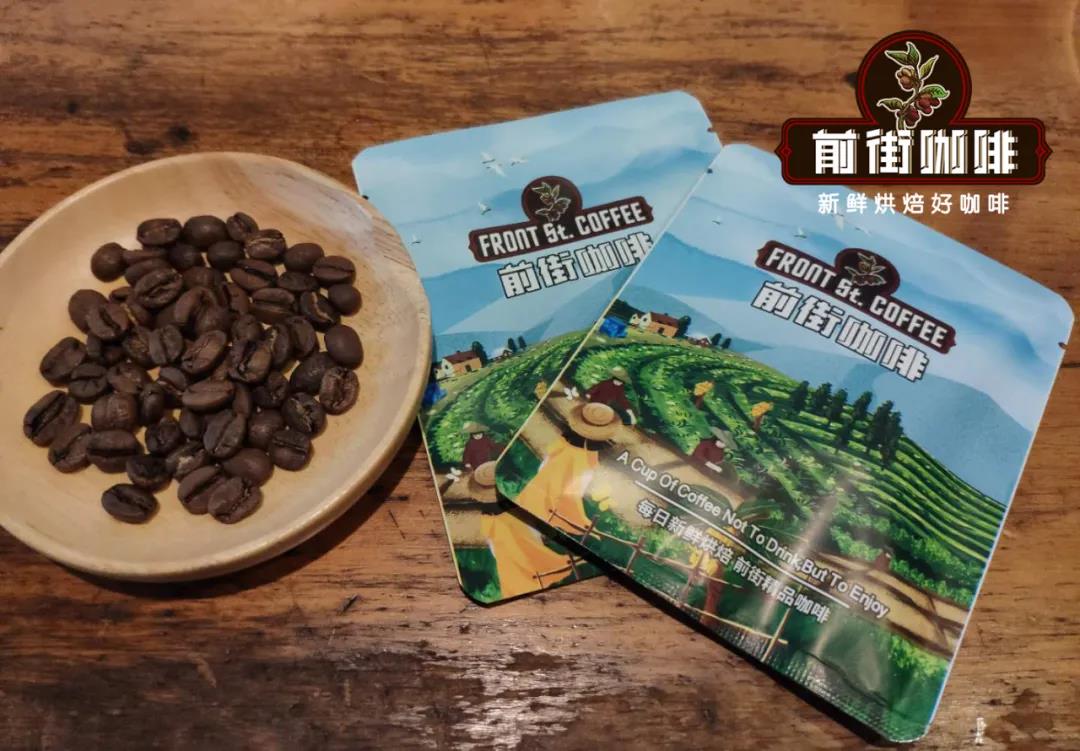
FrontStreet Coffee's drip bag series spans a range of regional flavors, such as Sidamo, Brazil, and Honduras Sherry, among others. Other beans can be made into drip bags on request: recently, a customer tried a Golden Mandheling in the store, loved it, but didn't want to grind beans at home - so we prepared drip bags on the spot.
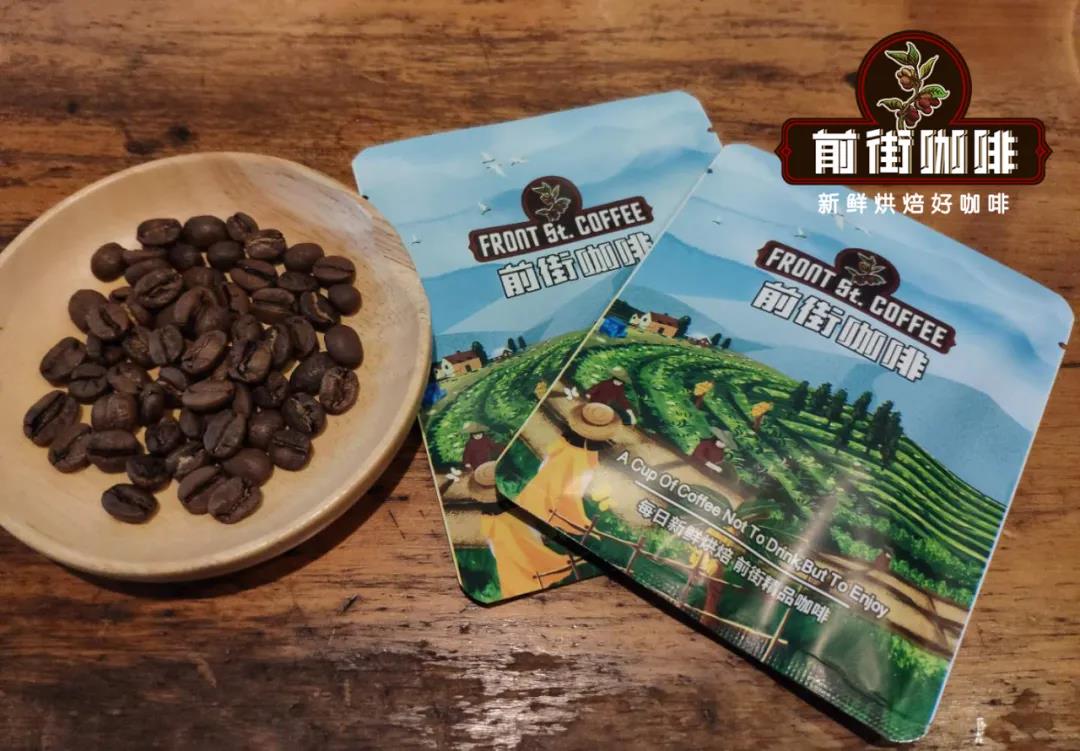
FrontStreet Coffee is introducing two seasonal drip bags alongside the perennially popular Sherry drip bag: the current seasonal lineup includes the Natural Sidamo drip bag and the Brazil Red Cherry drip bag.
Brazil Red Cherry Drip Bags
Brazilian coffee was introduced in 1720 from French Guiana in northern South America. Brazil was a Portuguese colony at the time, while much of the rest of South America was Spanish - which is why Brazil speaks Portuguese while most of its neighbors speak Spanish.
Legend has it that the Portuguese officer stationed in Brazil, determined to bring Guiana's coffee back (exporting coffee was strictly prohibited), won the affection of the Guiana governor's wife and smuggled the seeds across the border. Coffee adapted quickly in Brazil, spreading from the north to the southeastern state of São Paulo. By 1845, Brazilian beans already made up 45% of world coffee production; today Brazil is the world's largest coffee exporter.
FrontStreet Coffee features Brazil not only in its drip bag series but also in its daily bean lineup - a testament to how indispensable Brazil is to the classic coffee flavor canon. FrontStreet's daily beans are the "flagships" of origin coffee: their regional flavors are the most recognizable, and they are affordable, high-value beans.
Natural Ethiopian Sidamo
The Sidamo region lies in southern Ethiopia, where agriculture dominates and the coffee zones ring the Great Rift Valley. The largest town in Sidamo province is Hawassa, an important local coffee export hub. Sidamo's flavor range is extraordinarily diverse: differences in soil, microclimate, and countless native varieties give each town's coffee its own distinct character. Sidamo is balanced with elevated sweetness, and its body is fuller than Yirgacheffe's - especially the wine-like acidity and sweetness created when fruit pulp ferments during sun-drying. Natural Sidamo shows a light floral aroma, rich berry acidity, and a gently fermented character, with a smoother mouthfeel than washed Sidamo.
Honduras Sherry Barrel Drip Bags
This Honduras Sherry comes from Masaguara, a city in the southwestern province of Intibucá. FrontStreet Coffee's bean list also carries another barrel-aged bean from Moca Estate - Lychee Orchid. Sherry leans toward a whiskey-sherry character, with rich vanilla cream and a lasting nutty chocolate finish; Lychee Orchid leans toward brandy, with slightly less layered flavor but the same lasting nutty chocolate finish. By FrontStreet Coffee's sales rankings, Sherry is indeed the more popular of the two.
How to Brew FrontStreet Coffee Drip Bags (each weighs 10g)
- Open the outer packaging, take out the drip bag, tear open its opening, and pull the small "ears" on both sides to hang the bag on your cup.
- Choose your cup carefully: one with a mouth that is not too wide, or the ears may not hook properly. FrontStreet Coffee uses cups with a mouth diameter of about 8-9cm.
- Drip bag technique is the same as pour-over, just less strict - but water temperature, blooming, and circular pouring still matter. Reference parameters: water at 90°C, bloom for about 10 seconds, with the bloom water amount matching the coffee dose.
- After the bloom, pour straight through to finish. If you are feeling particular, pour in two stages. The water amount depends on your cup: FrontStreet Coffee used a 300ml glass, pouring in small circular streams until the cup is 7/10 full.
- Remove the bag when the brew finishes. It is single-use only - the soluble compounds are already extracted, and a second brew yields little but watery taste. Don't feel that a single use is wasteful: today's drip bags are basically guaranteed freshly ground, at reasonable prices.
FrontStreet Coffee Recommendation
If the Golden Mandheling mentioned above caught your attention, here is what makes it special. Sumatra today produces over 60% of Indonesia's arabica and robusta, with the high-altitude provinces of Aceh and North Sumatra - around Lake Tawar in the Gayo mountains and Lake Toba in the Lintong region - growing the arabica known as Mandheling. Indonesia's rainy season overlaps with cherry harvest, making sun-drying nearly impossible; growers instead developed the region's signature wet-hulled (giling basah) process: after a brief wash, the parchment is mechanically stripped while the beans are still half-dry, exposing them to the humid air and its native fungi to speed drying - the source of Mandheling's wild, earthy, herbal character, thick body, and intense flavor.
FrontStreet Coffee's top pick is the PWN Golden Mandheling from Indonesia's PWN company, which applies exacting standards: only beans above screen size 18 are used, with fewer than 3 defects per 300g of green coffee to meet the top G1 grade, followed by three rounds of hand sorting. The result is remarkably clean, intensely sweet, medium-dark roasted with rich roasted aromas, a full-bodied black coffee, and low acidity - perfect for those who dislike sour coffee. Authentic Golden Mandheling goes mainly to Japanese and American markets, and FrontStreet displays the PWN certificates and stamped jute bags so you can verify what you are buying.
For pour-over, FrontStreet suggests 87-88°C water, 15g of coffee at a coarse-granulated-sugar grind, a 1:15 ratio, and three pours: 30ml to bloom and degas, 100ml to lift the bed and bring up the golden crema, then a gentle center pour of 95ml to boost sweetness - caramel sweetness with chocolate and nuts in a thick, mellow cup. If you would rather pull it as espresso, FrontStreet's Classic Blend - Brazil's creamy nuttiness layered with medium-dark Mandheling plus a touch of robusta for crema, showing butter, roasted chestnut, and caramel - is the highest-repurchase choice, equally at home in lattes or a layered Dirty.
Important Notice :
FrontStreet Coffee is a long-established specialty coffee roaster in Guangzhou China, selling freshly roasted beans from its own farm in Yunnan as well as dozens of carefully selected single-origin beans from around the world for both pour-over and espresso. The products deliver consistently excellent quality and great value, with shipping within 24 hours. Guangzhou's FrontStreet Coffee shop is recommended by many coffee lovers, and the beans are now available online at the Tmall 。
FrontStreet Coffee has moved to a new address:
FrontStreet Coffee Address: 315,Donghua East Road,GuangZhou
Tel:020 38364473
 Scan and follow the En Gafei WeChat official account. Please indicate that the reprint comes from "En Gafei".