The Story of Sumatra Mandheling Coffee Beans - Flavor Profile of Lindong Mandheling & Golden Mandheling
Sumatran Mandheling is defined by low acidity, high concentration, and grassy aromas, delivering a rich, intense coffee flavor that leaves a lasting impression. It comes highly recommended for anyone who dislikes acidity. FrontStreet Coffee has been a devoted Mandheling fan since it opened and currently carries four varieties: Lintong Mandheling, Golden Mandheling, Tiger Mandheling, and Aged Mandheling. FrontStreet Coffee will now explain how these four differ and trace where the name "Mandheling" came from.
Sumatra is the largest island in Indonesia, sitting on the equator with a tropical rainforest climate of high heat, high humidity, and abundant rain. Smallholders usually grow coffee in remote mountain areas where water is precious, which led to the unique "wet hulling" (Giling Basah) method of segmented drying. This technique gives Sumatran coffee flavors found nowhere else. Of Indonesia's coffee exports, 25% is Arabica and the remaining 75% is Robusta. Only the fine Arabicas from northern Sumatra are marketed under the names Lintong and Mandheling.
Origin of the Mandheling Name
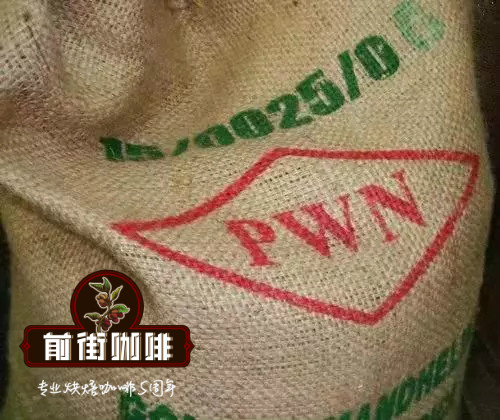
Mandheling is not a region, a place, a port, or a coffee variety, so how did it come to be named? In fact it is a phonetic error involving the Indonesian Mandheling ethnic group. During World War II, when Japan occupied Indonesia, a Japanese soldier tasted an exceptionally aromatic coffee in a cafe and asked the owner for its name. The owner misheard and thought he was being asked about his ethnicity, so he answered: "Mandheling." After the war, the soldier remembered the "Mandheling" coffee he had drunk in Indonesia and commissioned an Indonesian coffee exporter to ship 15 tons to Japan, where it proved surprisingly popular. The name Mandheling spread from there, and the cafe owner who answered the soldier was none other than the now world-renowned PWN Coffee Company. FrontStreet Coffee's popular Golden Mandheling comes precisely from PWN.
PWN Coffee Company
Pawani Medan (N.V. Pawani Medan, abbreviated PWN) was founded in 1957 and exports Indonesian goods including coffee, rubber, cinnamon, cloves, and patchouli oil. It was the first company in Indonesia to export coffee from North Sumatra and the first to make "Mandheling Coffee" famous in Japan. Since 1977 the company has focused on exporting quality Sumatran Arabica Mandheling Grade 1 and Robusta AP-I Grade 2, with its main destinations being Japan, Taiwan, and the United States. Exports to Japan and Taiwan account for over 95% of the total, and there "PWN" has become synonymous with quality assurance. Pawani Coffee Company holds the "Golden Mandheling" trademark, which forced Japanese companies to register the alternative "Gold Top Mandheling" trademark.
Mandheling Coffee Processing Method
Wet hulling is the traditional Sumatran processing method in Indonesia. It involves removing the parchment hull while the beans are still at a high moisture content of 30-50% during drying, then continuing to dry them, which solves the problem of overly long drying times. Because drying is cut to two to four days, the fermentation period of the beans is shortened and acidity drops sharply, while body rises markedly, with prominent caramel and fruit aromas and even herbal or grassy notes and woody aromas. These are the distinctive regional fragrances unique to Sumatra.
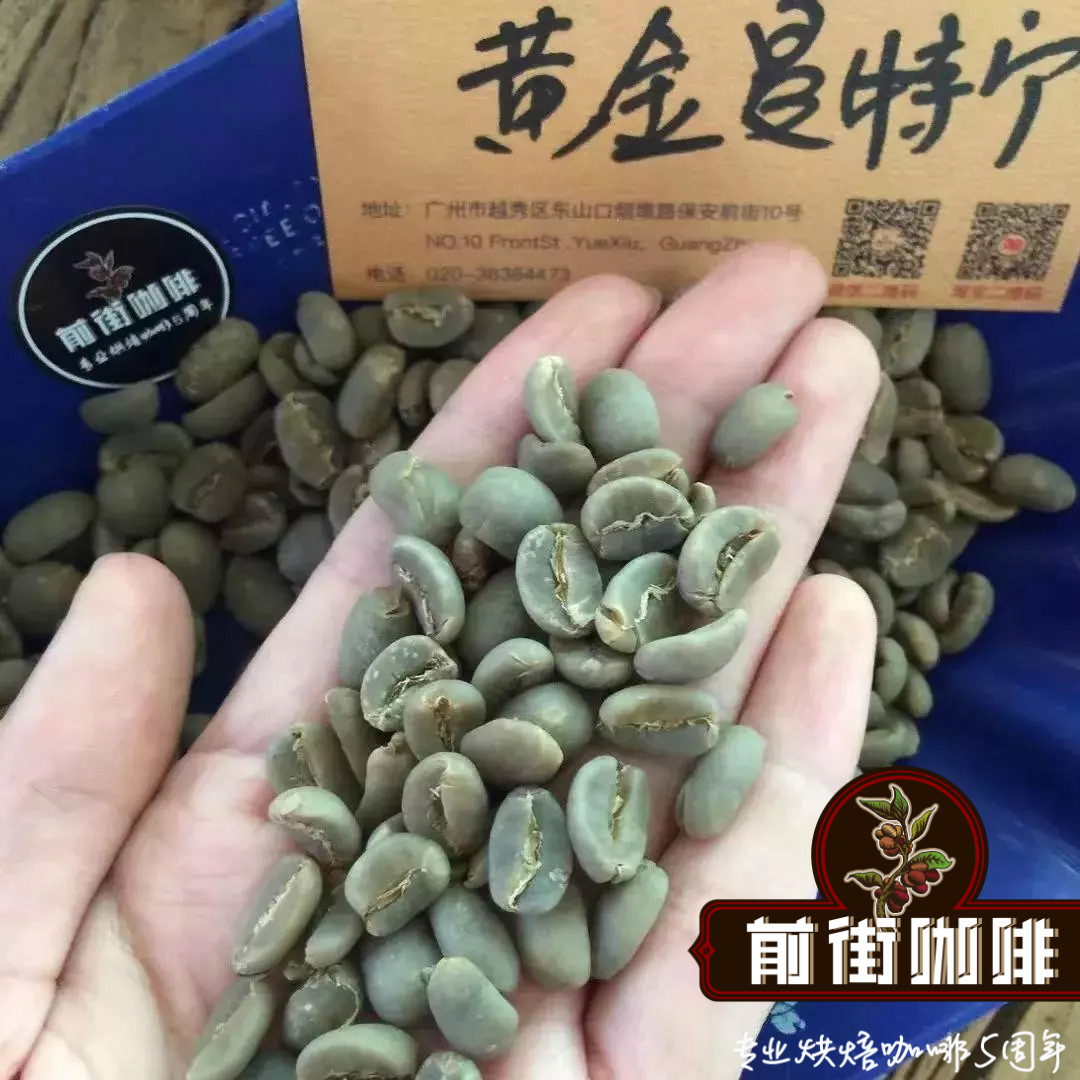
The consequence of hulling early is that, when the beans are half-dried, they lose their last two protective layers (for reference, the four protective layers of a coffee bean are pulp, mucilage, parchment, and silver skin), which is equivalent to leaving them naked under the sun. Wet hulling solves the drying-time problem, but it significantly raises the odds of contamination by mold, fungi, and yeast. Paradoxically, these very factors become the key to Mandheling's special aroma.
Another consequence of wet hulling is a higher probability of so-called "elephant beans" or broken beans. Because the hulling machine strips the parchment while the beans are still moist and semi-soft, the fragile, soft, damp beans are very susceptible to mechanical pressure that cracks, breaks, or scuffs them, forming the beans known as elephant beans or scratched beans, which lowers the appearance quality of the green beans.
FrontStreet Coffee's Four Mandheling Coffees
1. Golden Mandheling
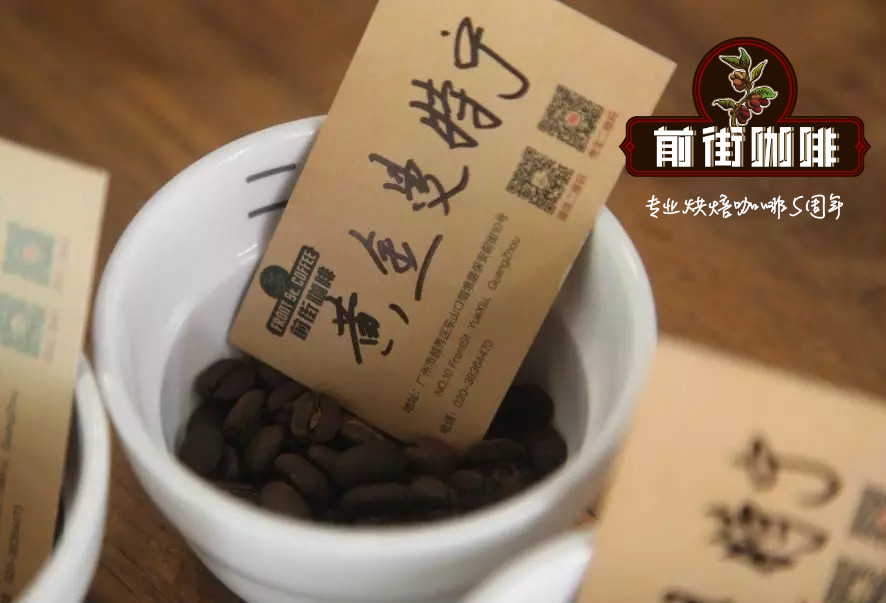
Mandheling is a premium coffee among Indonesian coffees, and Golden Mandheling is the finest of the premium Mandhelings. Golden Mandheling is made from carefully hand-selected, full, glossy Mandheling beans, a true beauty among coffees. To address Mandheling's high defect rate, Japanese companies long ago began meticulous quality control with four rounds of manual selection to eliminate defective beans. Unfortunately, "Golden Mandheling" was trademarked by Indonesia's Pawani Coffee Company, making Golden Mandheling exclusive to PWN. PWN was also one of the first companies to sell Mandheling beans to Japan, and PWN's Golden Mandheling is the true Golden Mandheling in the real sense. Golden Mandheling bearing the PWN imprint undergoes three manual screenings and one machine selection, yielding beautiful and remarkably uniform beans that roast into a cleaner cup. Because PWN holds the Golden Mandheling trademark, only Golden Mandheling produced by PWN can be considered true "Golden Mandheling." Golden Mandheling comes from Mandheling and can be understood as selected Mandheling, which is why FrontStreet Coffee chose it. FrontStreet Coffee cup-tests 300-500 lots of beans each year, selecting the one-fifth with the most regionally representative flavors, and Golden Mandheling is a representative result of that selection. We believe it represents the Sumatran style exceptionally well.
2. Lintong Mandheling
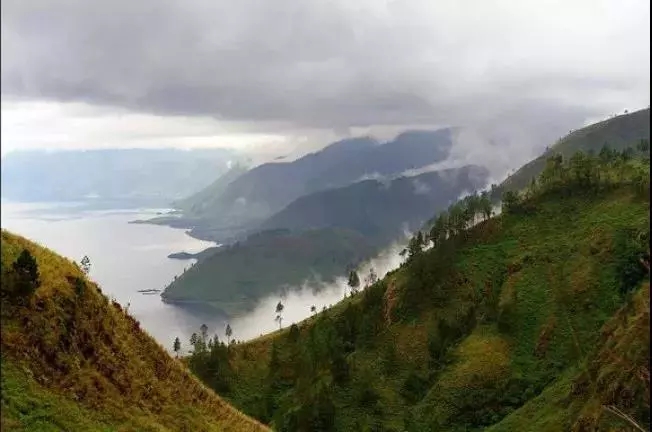
Lake Toba is currently the world's largest and deepest volcanic lake, with a depth of nearly 500 meters. The lake stretches 100 kilometers long and 30 kilometers wide, surrounded by a unique geographical setting at elevations above 900 meters. The mineral-rich soil left by volcanic eruptions provides ideal soil and climate for coffee around Lake Toba. The Lake Toba region is vast, with most coffee trees growing on undulating highlands covered in ferns, largely without shade. The production area, the main region for the world-famous Mandheling, lies in the Lintong district southwest of Lake Toba. Until the 1990s, cultivation gradually moved to higher areas. Today, well-known Lintong coffee is grown at average elevations between 1,200 to 1,500 meters. Coffee is grown by smallholders under shade trees, and wet-hulled processing yields unique flavors with a deep, lively richness.
3. Tiger Mandheling
In Aceh, coffee is the region's second-largest export crop. Local estimates put the number of small-scale coffee farmers at about 60,000, each owning roughly 1-2 hectares of coffee land. Traditional Indonesian coffee trade follows a multi-point supply chain, starting with farmers and passing through multiple intermediaries before it gradually accumulates into large export shipments. In Indonesia's coffee trading system, direct trade, where a single window collects from farmers and arranges exports, is quite rare.
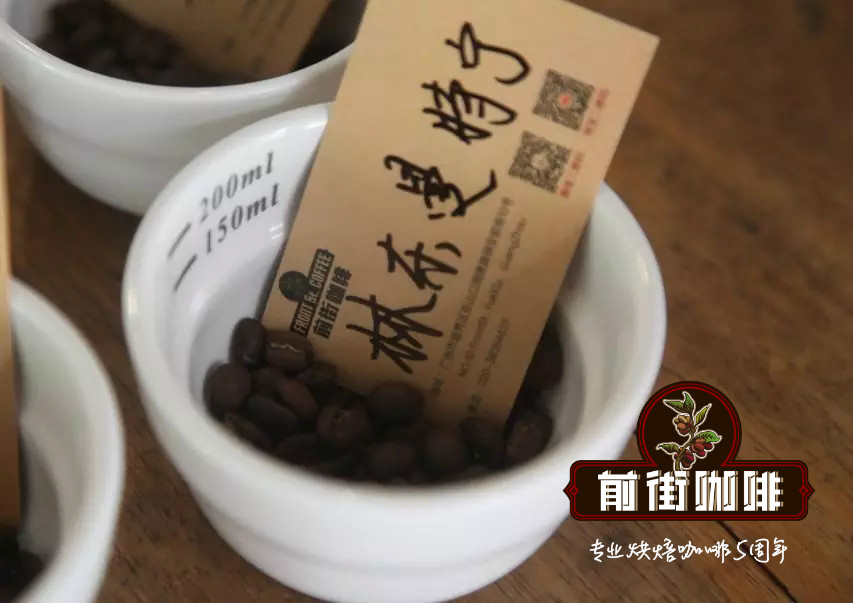
The requirement for Tiger Mandheling is that it must show the aromas of traditional Chinese medicinal herbs, and only Mandheling with a sieve size of 17 or above and a defect rate below 4% qualifies for the Tiger name.
4. Aged Mandheling
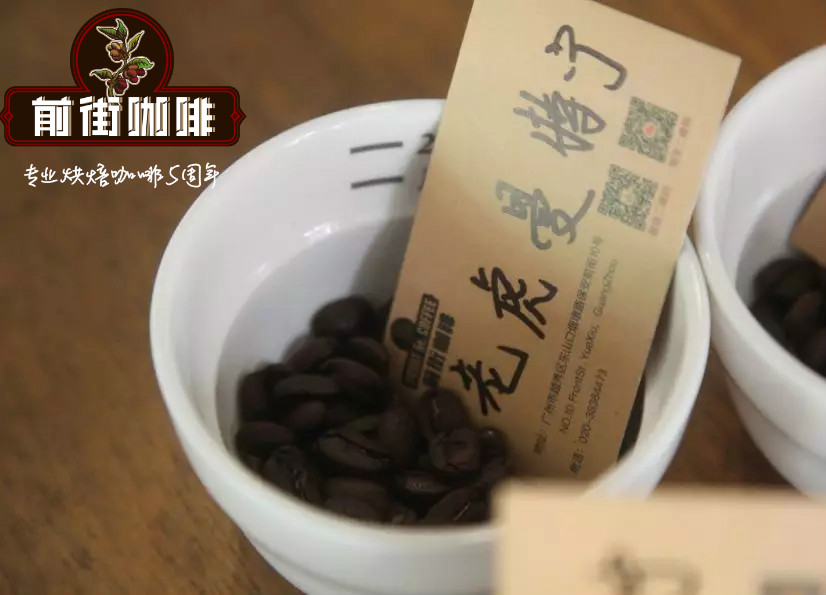
Aged coffee beans are green beans that achieve natural aging through extended storage (typically 2-3 years). The changes include reduced acidity, altered color, and a thicker bean texture. Storage conditions must be cool and well ventilated. Because the storage environment is dimmer and the time is longer, aged coffee often carries complex flavors resembling mold or the so-called burlap or leather notes. Aged Mandheling is characterized by honey-like sweetness. Successful aging removes the less elegant acidity of Mandheling, as acidic components mature into sugars, making the coffee smoother and sweeter to drink.
How FrontStreet Coffee Brews Four Mandheling Coffees
Dripper: KONO
Water Temperature: 88-89°C
Grind Size: Coarse sugar size
Coffee-to-Water Ratio: 1:15
FrontStreet Coffee's Three-Step Brewing Method: Use twice the weight of the grounds for blooming, meaning bloom with 30g water for 30 seconds. Pour with a small stream in circles to 125g, then pause. When the water level drops and is about to expose the coffee bed, continue pouring to 225g and stop. The total extraction time is 2 minutes.
Brewing Flavors of Four Mandheling Coffees:
[Lintong Mandheling] Herbal, chocolate, caramel, overall well balanced;
[Golden Mandheling] Nuts, spices, herbal plants, licorice, chocolate, caramel, clean and gentle;
[Tiger Mandheling] Nuts, cream, dark chocolate, caramel, traditional Chinese medicine, noticeable sweetness, relatively clean and clear;
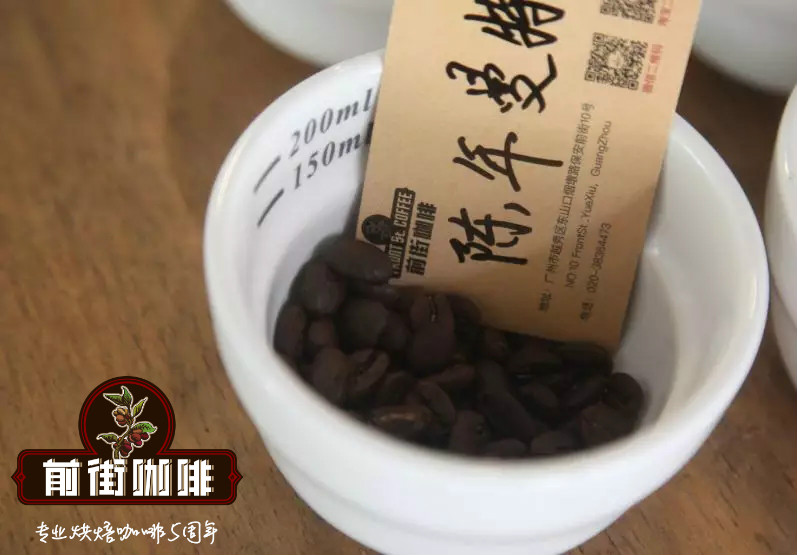
[Aged Mandheling] Ripe pu-erh tea, caramel, herbal, chocolate, lower acidity.
FrontStreet Coffee Recommendation
For a clean, well-sorted expression of wet-hulled Sumatra, FrontStreet PWN Golden Mandheling is the benchmark. It comes from PWN, the Medan company founded in 1957 that first made the name Mandheling famous, and every lot is screened at 18 mesh or larger, with fewer than 3 defects per 300 grams, then hand-sorted three times to reach Grade 1. Roasted medium-dark, it pours as nuts, spices, herbs, licorice, dark chocolate and caramel with a clean, gentle sweetness and very little acidity.
If you prefer the wilder, earthier side of the island, FrontStreet Lintong Mandheling from the Lake Toba area, grown at average elevations of 1,200 to 1,500 meters and wet-hulled in the traditional way, brings chocolate, caramel and herbal notes with a heavier body. Brew either in a KONO dripper at 88-89°C with a coarse-sugar grind at 1:15, using a three-stage pour of 30g for a 30-second bloom, then to 125g, then to 225g for a total of 2 minutes; for espresso, FrontStreet's classic blend layers medium-dark Mandheling onto Brazilian base notes of butter, roasted chestnut and caramel for extra body and crema.
Important Notice :
FrontStreet Coffee is a long-established specialty coffee roaster in Guangzhou China, selling freshly roasted beans from its own farm in Yunnan as well as dozens of carefully selected single-origin beans from around the world for both pour-over and espresso. The products deliver consistently excellent quality and great value, with shipping within 24 hours. Guangzhou's FrontStreet Coffee shop is recommended by many coffee lovers, and the beans are now available online at the Tmall 。
FrontStreet Coffee has moved to a new address:
FrontStreet Coffee Address: 315,Donghua East Road,GuangZhou
Tel:020 38364473
 Scan and follow the En Gafei WeChat official account. Please indicate that the reprint comes from "En Gafei".