Pour Over Coffee: Outer Circle or Inner Circle? Does Circle Size Affect Coffee Flavor?
Pour-over technique almost always involves some form of circular pouring, which helps extract the entire coffee bed evenly. But should those circles be big or small?
The Coffee
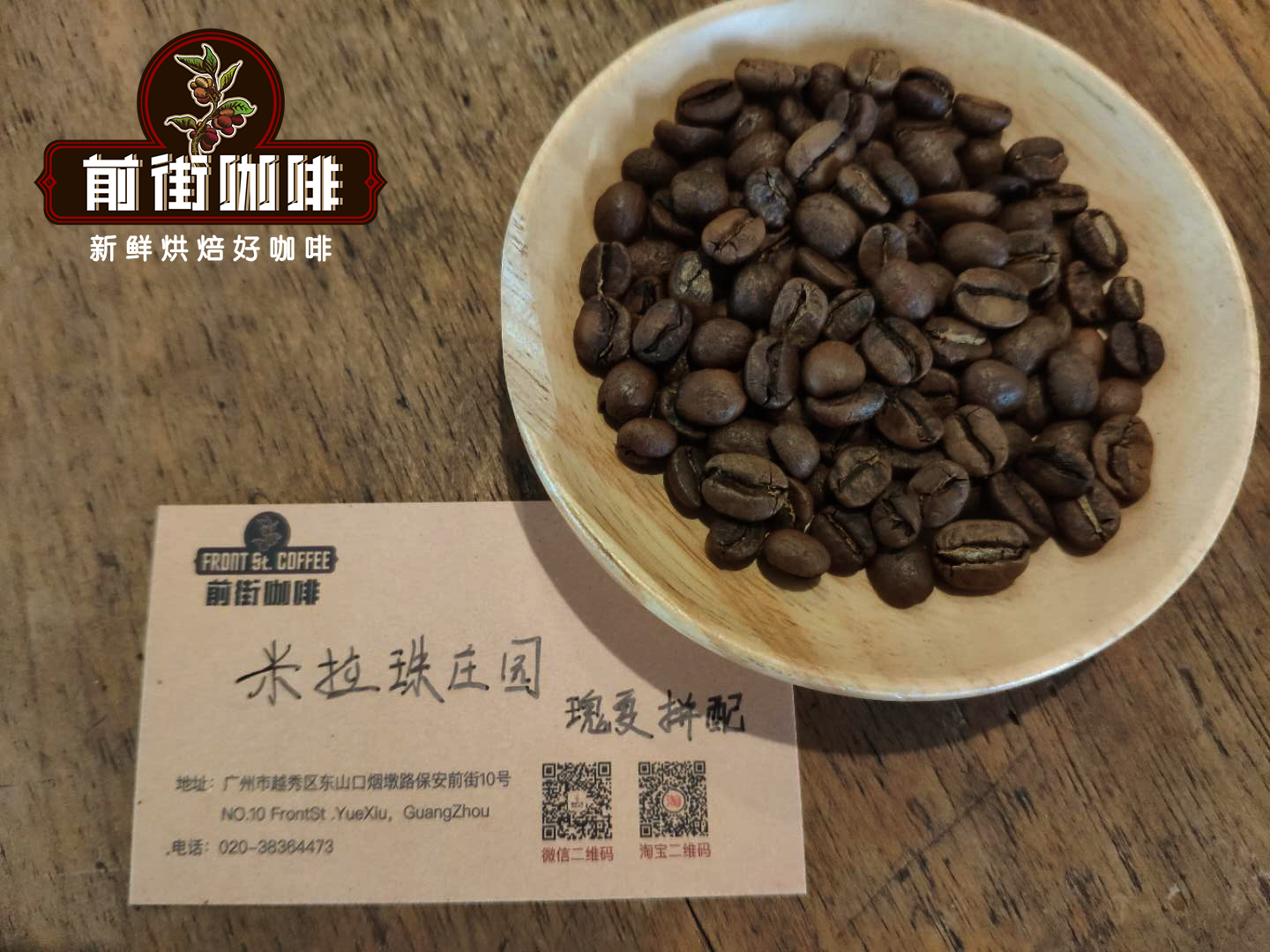
For this experiment FrontStreet used its newly released Costa Rica Mirazhu Geisha Blend, brewed to these specs:
- Region: Tarrazú, Costa Rica
- Estate: Mirazhu Estate
- Altitude: 1,700 meters
- Variety: Geisha Blend
- Processing: Raisin Honey Process
- Roast Level: Medium-Light
- Flavor Notes: Rose, Strawberry, Raisin, Almond
Brewing Parameters
- Coffee Dose: 15g
- Water Ratio: 1:15
- Grind Size: Medium-Fine (78% pass-through on #20 sieve)
- Water Temperature: 91°C
- Dripper: V60 #01
- Brewing Method: Single Pour
The Brewing Process
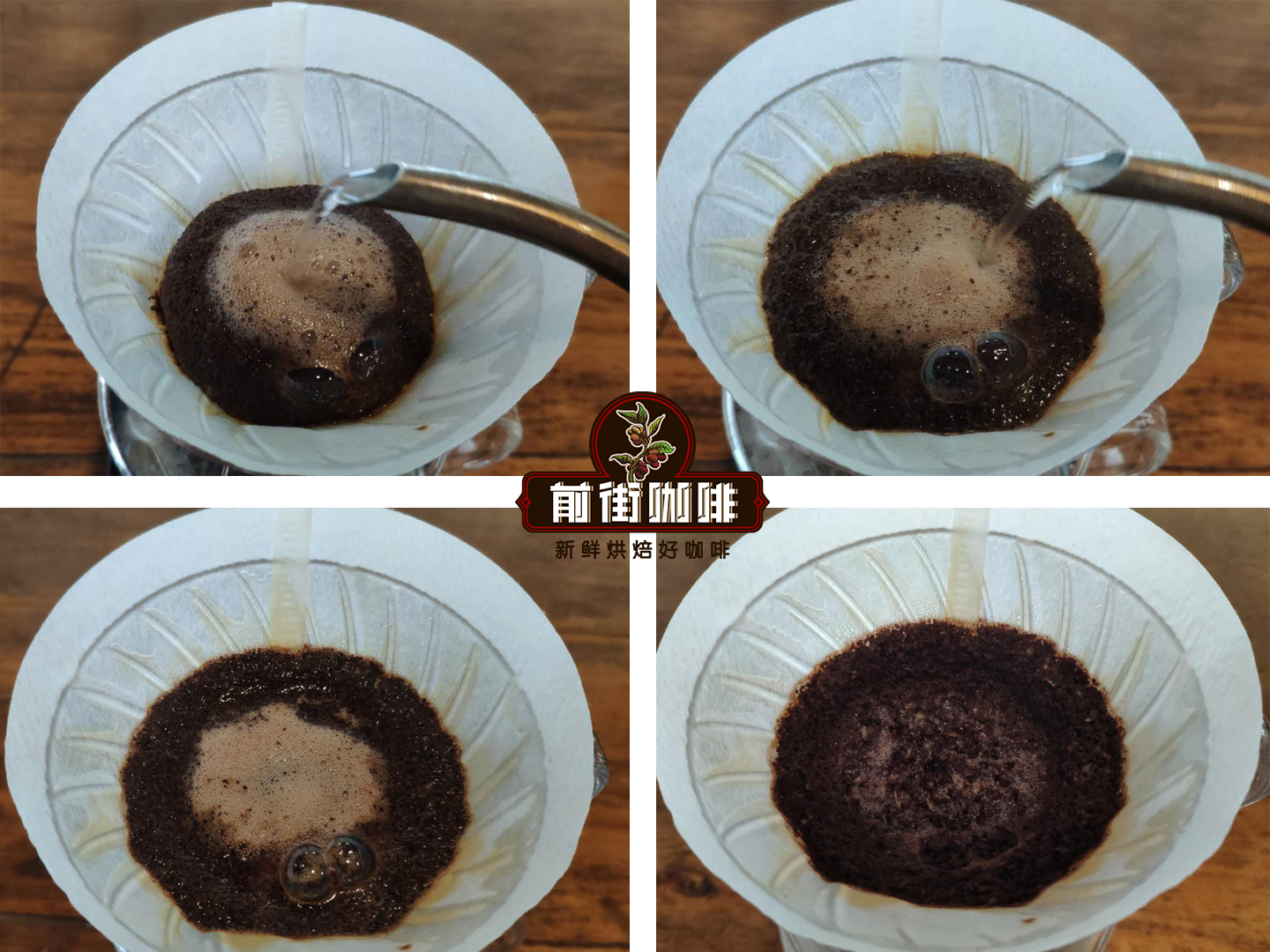
Both groups used a single-pour technique. In the first group we poured in small circles: a 30g bloom held for 30 seconds, then a continuous pour moving in circles about the size of a coin until the scale read 225g.
Throughout the brew, the water stream stayed inside that coin-sized ring, and the white foam on the coffee bed stayed within it too. After draining, the bed walls were relatively thick with a deep depression. Total extraction time: 1 minute 37 seconds.
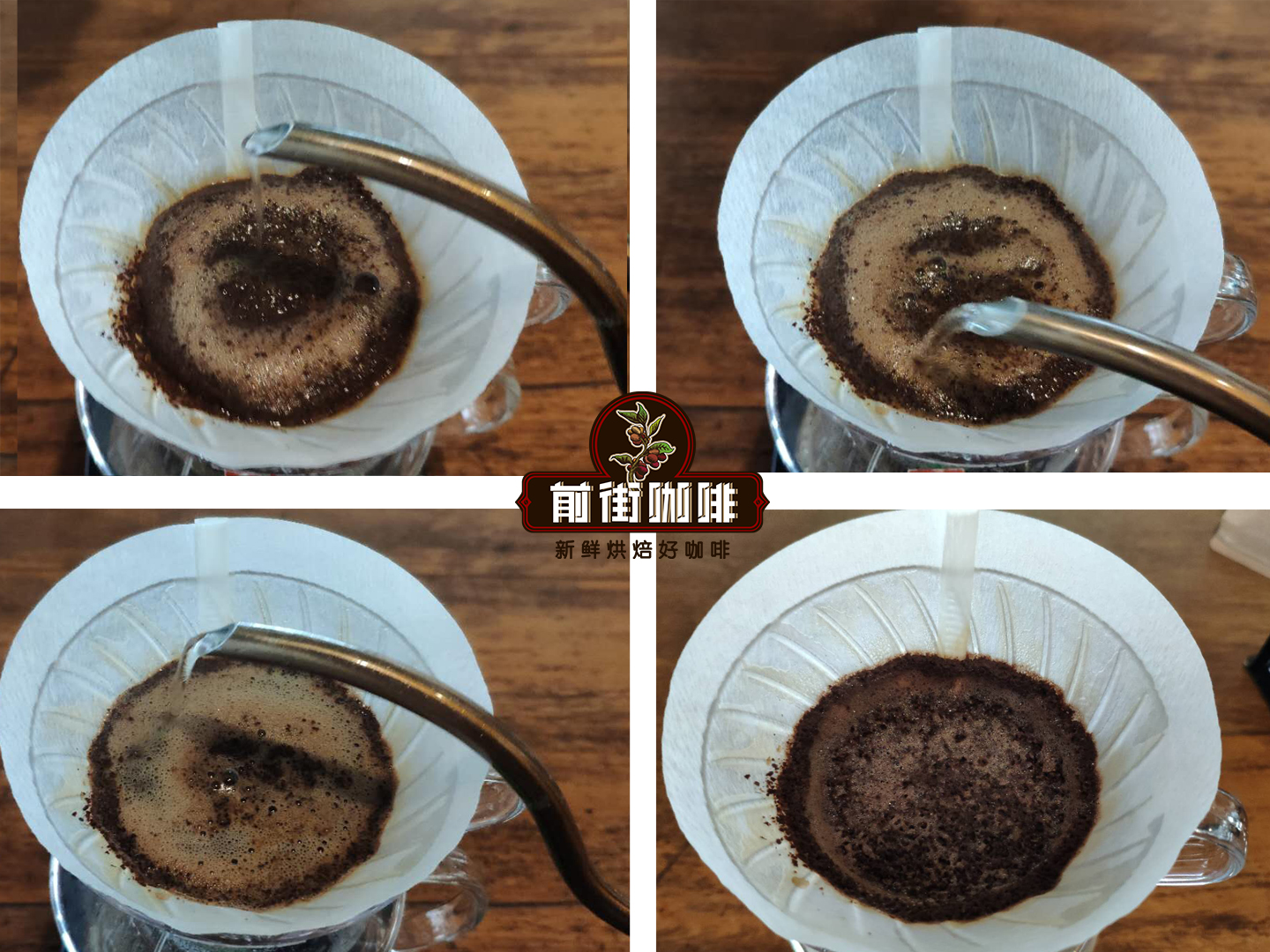
The second group poured in large circles: the same 30g bloom for 30 seconds, then large sweeping circles — without touching the filter paper — up to 225g.
During the large-circle pour, the foam formed a "ring" pattern, and as the water level rose it spread golden foam across the whole surface. After draining, the bed walls were thinner and shallower. Total extraction time: 1 minute 40 seconds.
Flavor Comparison
| Group 1 (Small Circles) | Group 2 (Large Circles) |
|---|---|
| TDS: 1.26% | TDS: 1.24% |
| Strong raisin aroma, tasting of strawberry jam and raisin sweetness, with concentrated flavors and a finish carrying hints of almond and nut. | Fresher rose floral and berry aromas, brighter acidity, and prominent berry flavors. Overall, the acidity is noticeably more pronounced. |
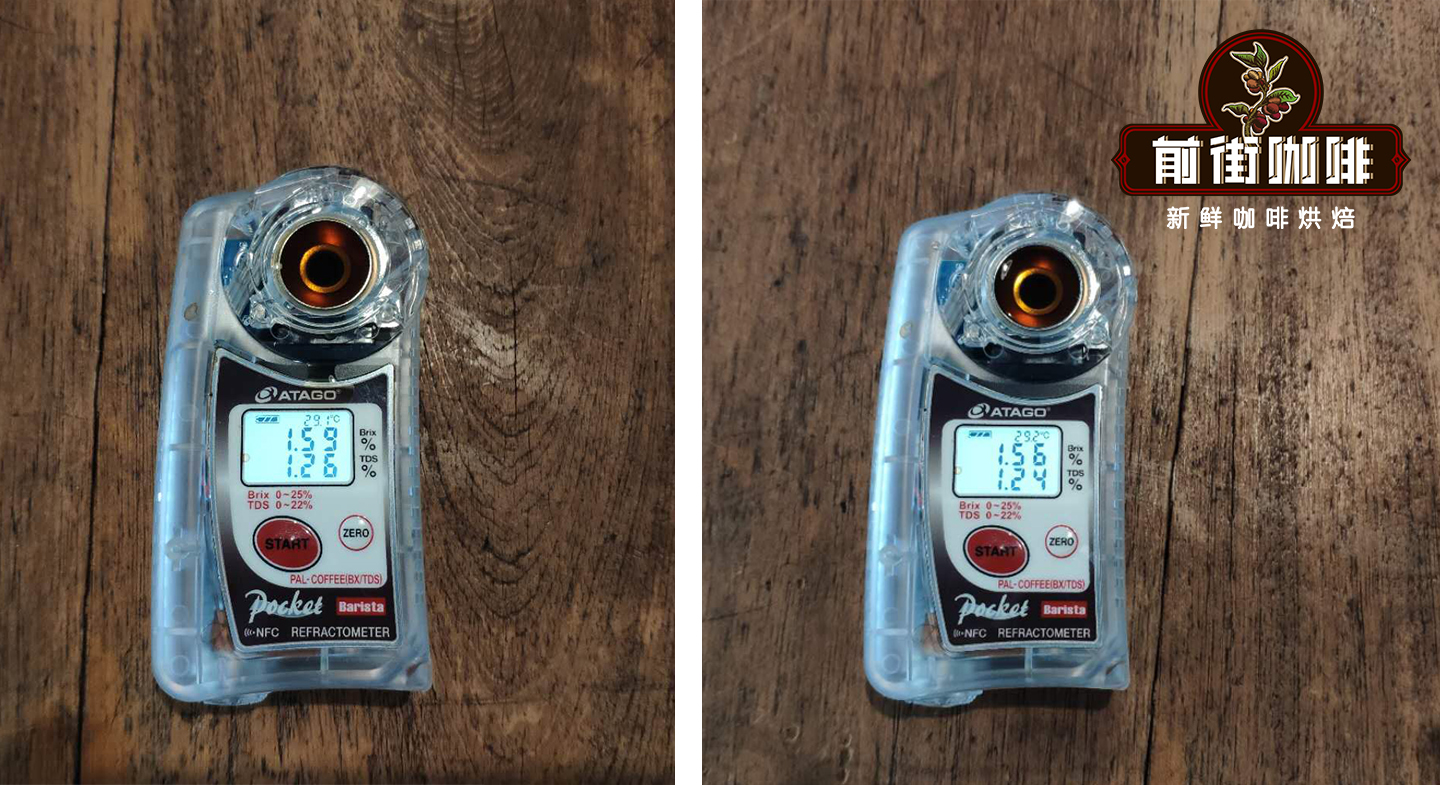
The difference is clear. Small circles concentrate the flavors, highlighting the sweetness of a light roast with a fuller mouthfeel. Large circles push the cup toward acidity with a lighter, thinner body. And with a conical dripper, there's a hidden pitfall in the large-circle pour: even if the stream never touches the filter paper on the surface, the water has real impact force, and it can strike the ridges near the edge of the bed. Water that runs down those ridges bypasses the coffee, producing incomplete extraction.
So when brewing with a conical dripper, FrontStreet recommends starting at the center, spiraling outward, and then working gradually back to the center. That technique extracts the bed evenly and keeps the flavors balanced.
FrontStreet Coffee Recommendation
Geisha rewards careful pouring, and FrontStreet stocks several worth the effort. Panama is where Geisha made its name: in 2003, Esmeralda Estate entered the Best of Panama competition with the variety and stunned the judges, averaging a cupping score of 94.6 — a BOP record — and turning Geisha into the world's most coveted champion bean overnight. The estate's current lineup has two tiers: the Red Label "Esmeralda Special," grown at 1,600–1,800 meters, where each batch must cup above 90 points and comes from a single plot (FrontStreet's Red Label comes from the Harimiyo plot) so buyers can choose by subtle flavor differences; and the Green Label "Private Collection," a blend of multiple plots that showcases the estate's signature high-altitude Geisha profile at a more accessible price. For a first taste of classic Panama Geisha, FrontStreet's entry-level Boquete Geisha delivers the famous orange-honey note, oolong-tea texture, and delicate fruit acidity.
Ethiopia, Geisha's birthplace, offers its own versions. FrontStreet's Granlena Estate Geisha comes from the Granlena processing station on the Kochere/Genji Abaya border, established in 2014 and run by Mr. Israel Degefa, surrounded by 700 hectares of largely uncultivated, fertile, shade-drenched land. Fully ripe cherries are hand-picked and dried on raised beds for 14–20 days depending on the weather. A medium-light roast brings bright citrus acidity, elegant ginger-flower aroma, and the ripe-fruit sweetness and silky finish typical of the variety. For something grander, Geisha Village — a 475-hectare estate founded by a couple just 12 miles from the original Geisha forest — offers the Gold Label (Geisha 1931, just 10% of production) and Red Label (Gori Gesha, 15% of production, scoring 88+ on the SCA scale), both superb pour-over coffees for advanced drinkers.
Geisha is a medium-light, floral-fruity coffee with a dense bean structure that tends to sink and clog the bed, so FrontStreet recommends a coarser grind — 78% pass-through on a #20 sieve, roughly fine-granulated sugar — with water at 91°C. Use 15g of coffee in a small Hario V60 at a 1:16 ratio: bloom with 30g of water for 30 seconds, pour in small circles to 125g, top up to 225g once the bed has drained halfway, and finish in about 2 minutes 10 seconds to 2 minutes 20 seconds.
Those who want the Geisha experience more casually should try FrontStreet's Strawberry Candy blend, which marries honey-processed Costa Rica with Panama Geisha. It pours beautifully, works in a moka pot or espresso machine, and makes a wonderfully refreshing cold brew with notes of grape juice, rose, sweet orange, and fruit wine.
Important Notice :
FrontStreet Coffee is a long-established specialty coffee roaster in Guangzhou China, selling freshly roasted beans from its own farm in Yunnan as well as dozens of carefully selected single-origin beans from around the world for both pour-over and espresso. The products deliver consistently excellent quality and great value, with shipping within 24 hours. Guangzhou's FrontStreet Coffee shop is recommended by many coffee lovers, and the beans are now available online at the Tmall 。
FrontStreet Coffee has moved to a new address:
FrontStreet Coffee Address: 315,Donghua East Road,GuangZhou
Tel:020 38364473
 Scan and follow the En Gafei WeChat official account. Please indicate that the reprint comes from "En Gafei".