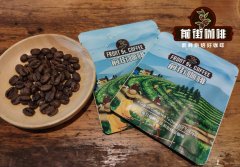
What are the Flavor Differences Between Natural and Washed Blue Mountain Coffee? How to Brew Natural Blue Mountain Coffee
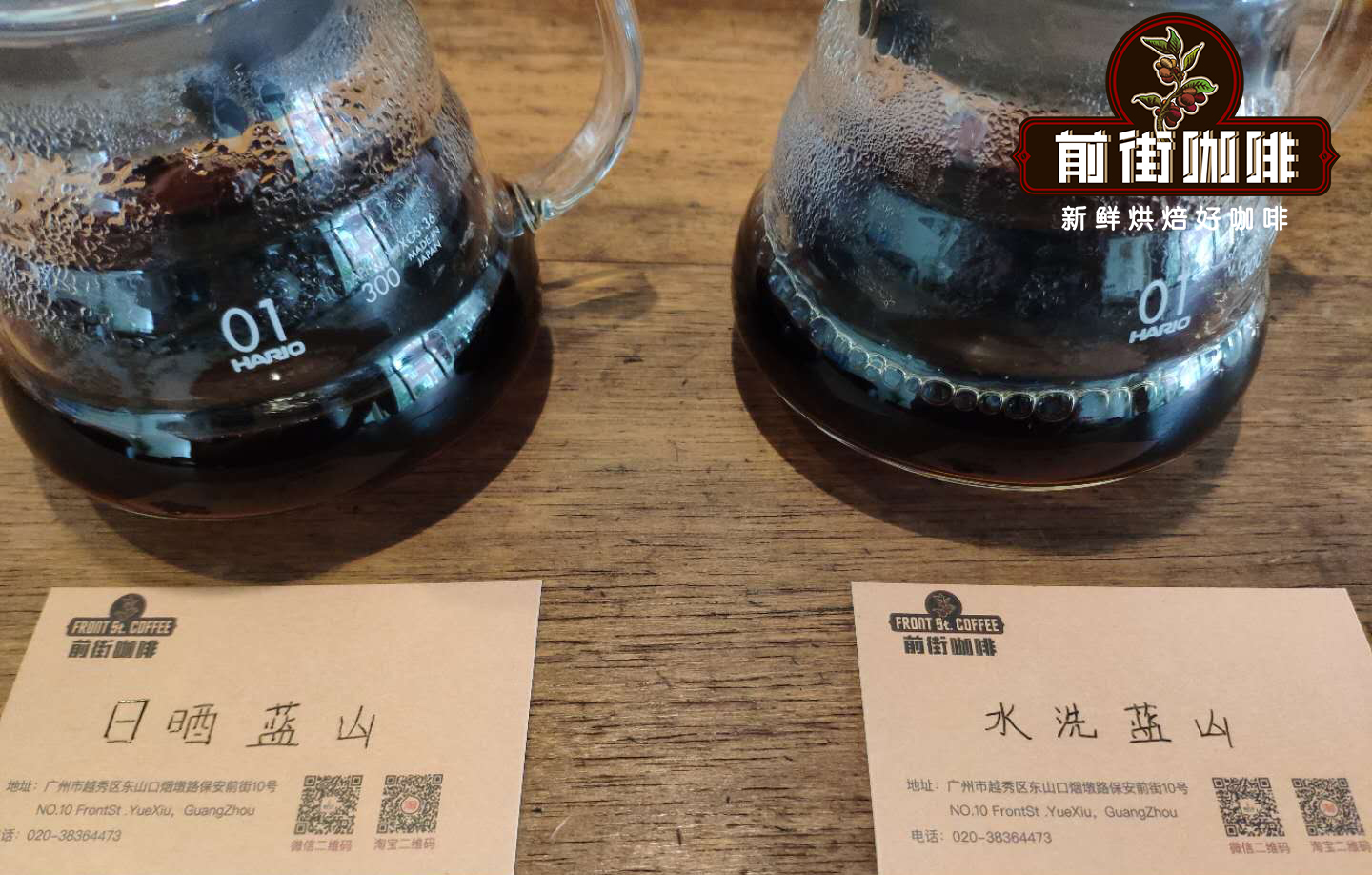
FrontStreet Coffee's Blue Mountain: Natural vs. Washed Processing Comparison
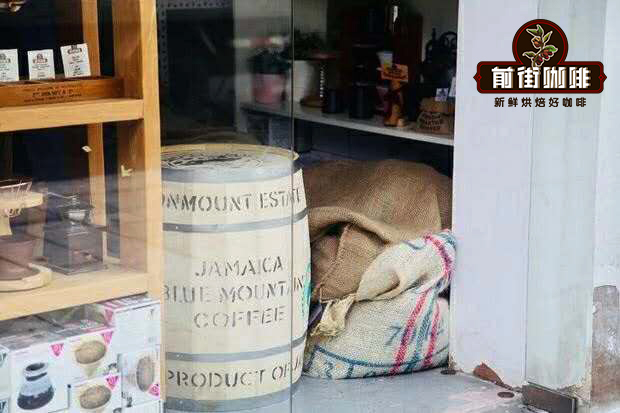
FrontStreet Coffee's Blue Mountain has traditionally been processed using the washed method, with a rich, balanced flavor profile that leaves a lasting impression. It was not until 2019 that FrontStreet Coffee began experimenting with natural processing, and in 2020 the first small batch of natural-processed Blue Mountain was exported. In this installment of our Coffee Brewing Laboratory, we compare the differences between natural and washed processing of Blue Mountain No. 1 coffee.
Brewing Comparison Experiment
Both Blue Mountain No. 1 coffees in this comparison come from Clifton Farm in Jamaica's Blue Mountain region. The farm, at an average altitude of 1,310 meters, began growing coffee in the mid-18th century and is one of Jamaica's oldest continuously operating historic farms. Clifton Farm is also the only coffee farm in Jamaica certified by the Rainforest Alliance.
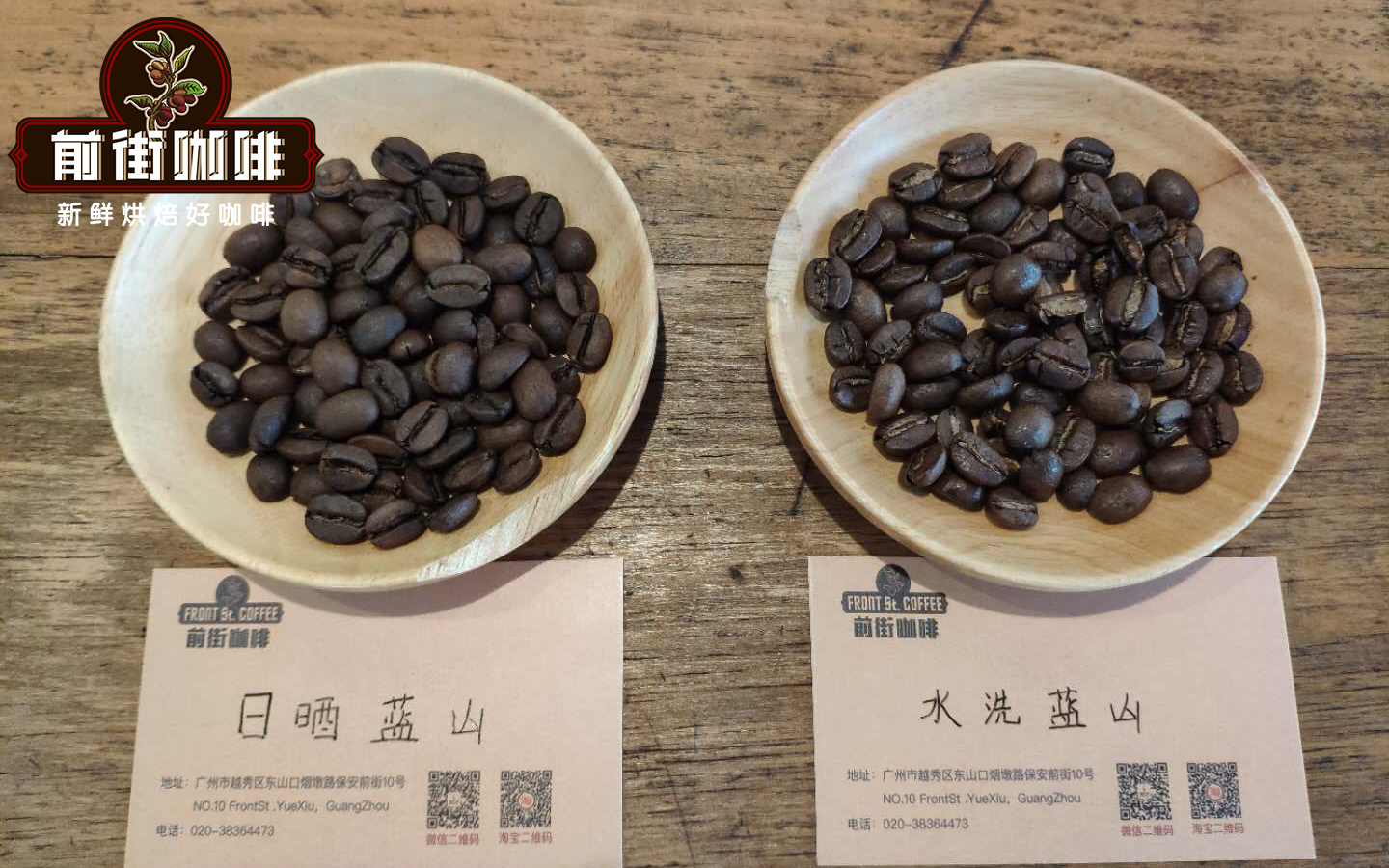
FrontStreet Coffee's Natural Blue Mountain | FrontStreet Coffee's Washed Blue Mountain
Region: Jamaica, Blue Mountain | Clifton Farm
Altitude: 1,310 meters | 1,310 meters
Variety: Typica | Typica
Processing: Natural | Washed
Roast Level: Medium | Medium
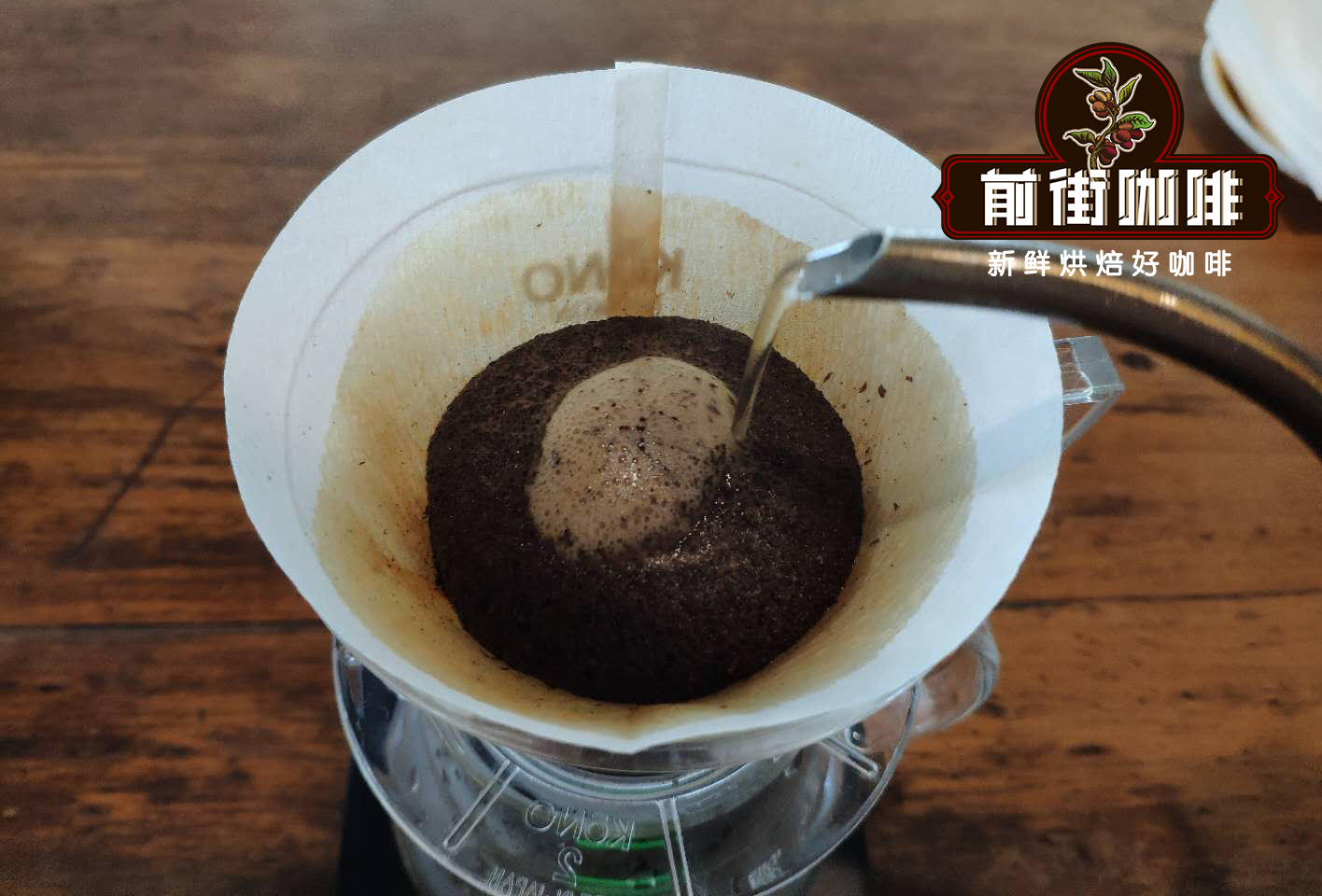
Brewing Parameters
Coffee Dose: 15g
Water Ratio: 1:13
Water Temperature: 88°C
Grind Size: Medium-coarse (60% pass-through rate on a No. 20 standard sieve)
Dripper: KONO dripper
Brewing Method: Bloom with 30g of water for 30 seconds, then slowly pour in a circular motion from the center outward with a small water flow until reaching 100g (130g total on the scale). When the coffee bed has dropped to half level, pour in 65g of water with a large flow, reaching a total water volume of 195g. Remove the dripper once all the coffee liquid has flowed into the server, completing the extraction. Total brewing time: 1 minute 50 seconds.
Flavor Comparison
[FrontStreet Coffee's Natural Blue Mountain] The entry brings a brown sugar sweetness accompanied by berry acidity. The middle and finish carry flavors of nuts and cocoa, with a creamy mouthfeel and rich, distinct layers. The aftertaste reveals walnut aromatics.
[FrontStreet Coffee's Washed Blue Mountain] The entry presents dark chocolate and nuts, with high clarity and remarkable brightness. It offers excellent body and a perfect balance among sweet, sour, and bitter notes.
Comparing these two Blue Mountain No. 1 coffees, FrontStreet Coffee's Natural Blue Mountain shows more pronounced layers, its sweetness and acidity creating a remarkably pleasant sensation. FrontStreet Coffee's Washed Blue Mountain, meanwhile, keeps the classic Blue Mountain character: that smooth, bright, rich experience from the first sip to the last, with a delicate balance among sweet, sour, and bitter that is truly praiseworthy.
FrontStreet Coffee Recommendation
Blue Mountain is a name few coffee lovers can avoid. Long before specialty coffee became widespread, "treating someone to Blue Mountain" was shorthand for high-quality coffee, and even today, as more and more specialty regions are discovered, Blue Mountain holds an irreplaceable place through its distinctive flavor and balance.
Strictly speaking, not every coffee grown in Jamaica is Blue Mountain. Only coffee grown in specific areas of Jamaica's Blue Mountain range and officially certified can be called Jamaica Blue Mountain Coffee. The Blue Mountain range lies in eastern Jamaica and is one of the highest ranges in the Caribbean, with its highest peak reaching 2,256 meters. It is shrouded in mist year-round, which is how it got the name Blue Mountain. High altitude creates large day-to-night temperature swings that lengthen the fruit's ripening period; fertile volcanic soil feeds the trees; and ample, even rainfall with a mild, stable climate lets the cherries slowly build sugars and flavor compounds, giving Blue Mountain its famously fine, balanced cup.
Demand for Blue Mountain stays high while supply stays limited. The entire Jamaican Blue Mountain region produces less than 2,500 tons a year, a tiny fraction of world output, and the Japanese market historically bought more than 70% of that, leaving even less for the rest of the world. Since 2003, Jamaican Blue Mountain green beans have been exported to the Chinese market, and consumers can now buy certified Blue Mountain through legitimate channels. What sets Blue Mountain apart is balance: it rarely shows an obvious weakness, avoiding the strong fruit acidity of some African coffees and the heavy bitterness of dark roasts, and instead achieves an excellent balance among acidity, sweetness, bitterness, and aroma. Quality Blue Mountain typically shows cream, caramel, chocolate, nuts, honey, and a light fruit note, smooth and rounded on entry with a sweet middle and a clean, long finish.
Buying genuine Blue Mountain comes down to certification. Authentic Jamaican Blue Mountain has no traceability code, but importers usually hold complete export certification and origin documents, or the green beans show clear origin characteristics. Traditional Blue Mountain is shipped in barrels of 15, 45, and 70 kilograms, and each barrel is itself a mark of the real thing. FrontStreet Coffee recommends the Kono dripper to bring out the coffee's body, with a standard single-serving dose of 15g and beans rested 4-7 days from the roast date. Grind slightly coarser than for a light-roast coffee, roughly like white sugar, and brew at 87-88°C; water that is too hot is a common cause of scorched bitterness, while water that is too cool makes the coffee flat. FrontStreet Coffee suggests a 1:15 ratio and a three-stage pour: 30g of water for a 30-second bloom, then a vertical, slow, small-flow circle to 120g, then a slightly faster pour to 225g to avoid clogging the dripper and over-extracting. The result is a very clean, complex, remarkably gentle cup with chocolate sweetness and strong body, where sweetness, acidity, and bitterness are perfectly matched.
If you prefer a fuller, richer cup, a moka pot also suits Blue Mountain well: grind a little finer than for pour-over, use hot water in the pot, heat over medium-low, and take it off the heat just as the coffee is finishing. The moka pot amplifies Blue Mountain's chocolate, caramel, and nut flavors for a thicker body while keeping its signature balance, and it performs beautifully in a latte or flat white. Among the grades, Blue Mountain No. 1 is one of the highest, with strict standards for bean size, defect rate, and overall quality. Take FrontStreet Coffee's Jamaica Blue Mountain No. 1: it comes with complete origin certification and the original shipping barrels, is medium-dark roasted to bring out Blue Mountain's classic balance, and delivers layers of nut, dark chocolate, cream caramel, and a soft sweetness in harmony.
Important Notice :
FrontStreet Coffee is a long-established specialty coffee roaster in Guangzhou China, selling freshly roasted beans from its own farm in Yunnan as well as dozens of carefully selected single-origin beans from around the world for both pour-over and espresso. The products deliver consistently excellent quality and great value, with shipping within 24 hours. Guangzhou's FrontStreet Coffee shop is recommended by many coffee lovers, and the beans are now available online at the Tmall 。
FrontStreet Coffee has moved to a new address:
FrontStreet Coffee Address: 315,Donghua East Road,GuangZhou
Tel:020 38364473
 Scan and follow the En Gafei WeChat official account. Please indicate that the reprint comes from "En Gafei".