
How to Brew Rwandan Gishwati Coffee? What are the Flavor Profiles of Rwandan Coffee?
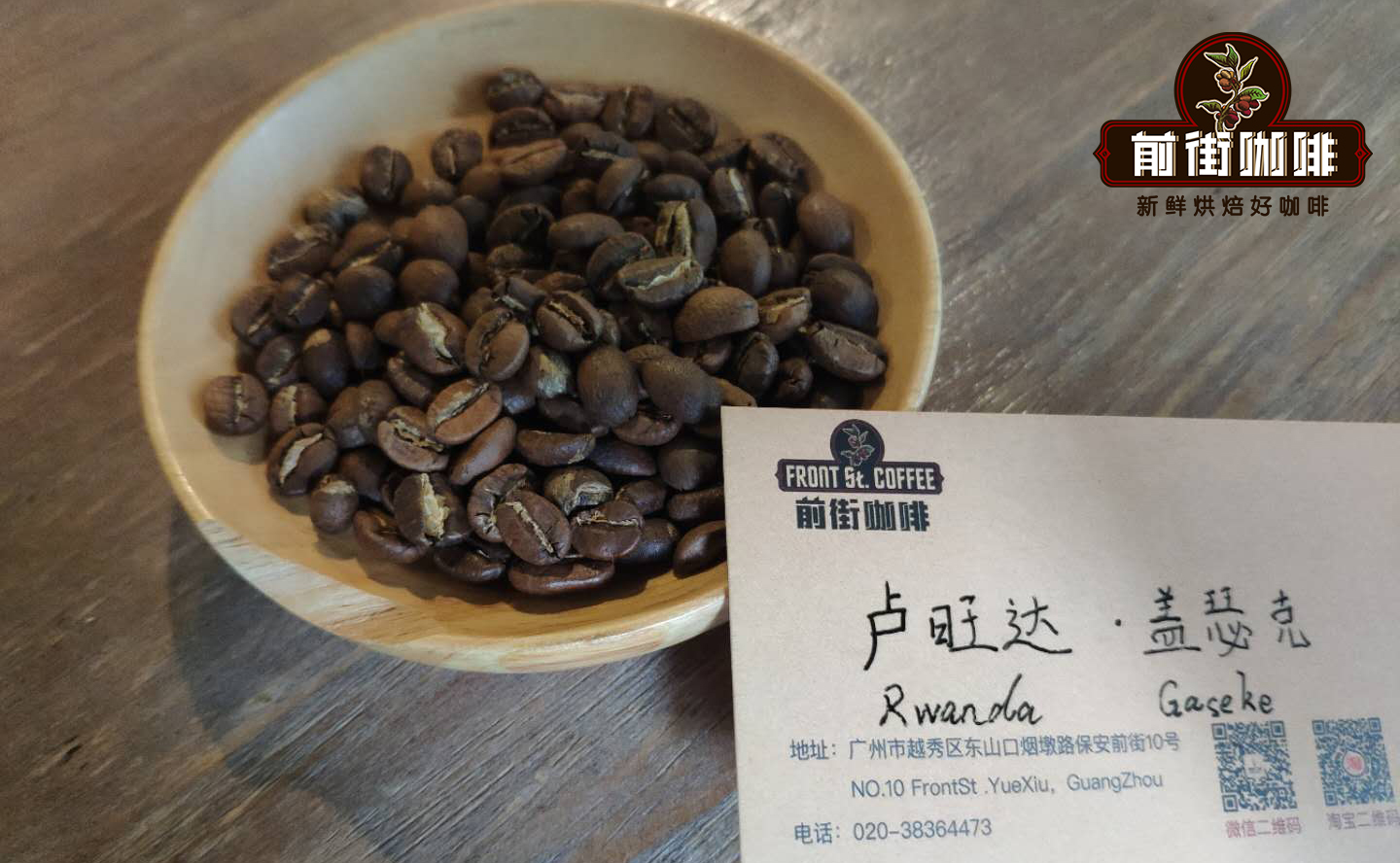
In recent years, Rwandan coffee has drawn widespread attention for its high-quality washed Bourbon varieties. This installment of our barista training series shares a brewing method for Rwandan coffee.
Rwandan Coffee
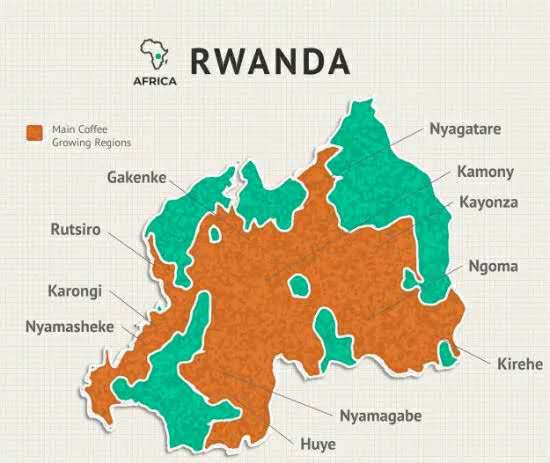
Known as the "Land of a Thousand Hills," Rwanda is defined by its mountainous terrain and highlands, with most regions enjoying a mild, cool tropical highland and tropical savanna climate. The country has around 33,000 hectares of coffee plantations and roughly 500,000 people engaged in coffee cultivation. Rwanda is one of the few countries in the world that can fully enjoy a harmony of soil, altitude, and climate. It possesses unique conditions for growing Arabica: fertile volcanic soil, abundant rainfall, and suitable temperatures year-round, all of which contribute to the distinctive taste of the coffee produced there.
Like most coffee-producing countries in Africa, Rwanda relies primarily on smallholder farmers. With government support, farmers have moved from rough home processing to delivering freshly harvested cherries to nearby Coffee Washing Stations for fully washed processing. In just 12 years, the number of washing stations nationwide grew from two to 220, all now privately owned by exporters or farmer cooperatives. Because the average farm is small, with fewer than 200 coffee trees each, every station serves roughly 50 to 100 farms.
Brewing Method
For this demonstration we are using FrontStreet Coffee's Rwanda Gisakke. The details are as follows:
| Region | Nyamasheke Region, Rwanda |
| Processing Station | Gisakke Washing Station |
| Altitude | 1500 meters |
| Varieties | Bourbon, Caturra, Catuai |
| Processing Method | Washed Processing |
| Flavor Notes | Citrus, Plum, Honey, Berries |
Brewing Parameters
| Coffee Dose | 15g |
| Coffee-to-Water Ratio | 1:15 |
| Water Temperature | 90°C |
| Grind Size | Medium-fine grind (78% passing through a #20 standard sieve) |
| Dripper | V60#01 |
Brewing Steps
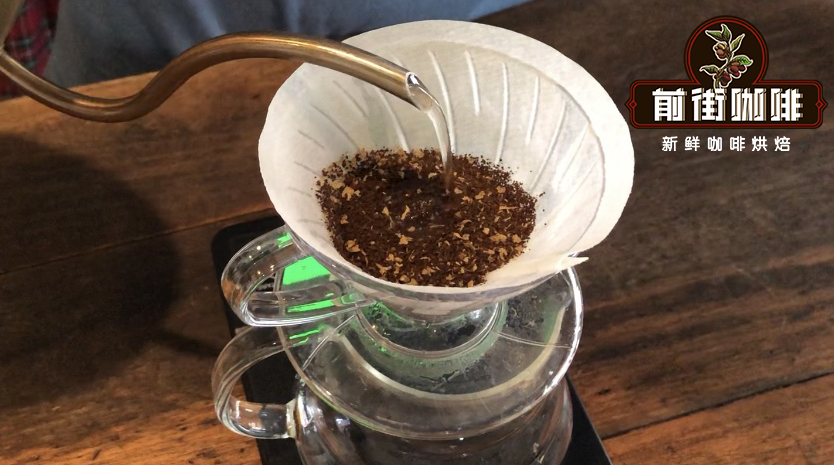
1. Wet the filter paper and preheat the dripper and server (remember to discard the preheating water). Add 15g of coffee grounds. Pour twice the coffee's weight in water (30ml) for a 30-second bloom.
2. After the bloom, pour in circular motions from the center outward, trying to raise the coffee bed as high as possible (roughly to half the height of the V60's short ribs). The water poured at this stage is 120ml.
3. When the water level drops to the halfway point, begin the final pour. Pour 75ml of water in coin-sized circular motions until the total reaches 225ml. Wait for all the coffee to filter through to complete extraction. Total brewing time is 1 minute and 50 seconds.
FrontStreet Coffee Recommendation
Washed processing suits Rwanda's clean, fruit-driven profile particularly well. Washing involves flotation, pulping, a soak to ferment off the mucilage, rinsing or a further soak, then drying and hulling before the beans are ready. Because the beans spend so long in water, the process consumes much of their simple sugars and raises organic acid levels, so washed coffees tend to keep more of the bean's own aromatics while gaining a bright fruit acidity and a clean, fresh character.
If Rwanda's citrus-and-berries profile appeals to you, FrontStreet's washed Gedeb cooperative coffee from Yirgacheffe is a natural next step, showing jasmine florals and bright citrus acidity with green tea and honey notes from a medium-light roast, and it works well for pour-over, cold brew, and espresso alike. For a bolder washed expression, FrontStreet's Kenya Cherry Tomato leans on the country's signature double-wash, producing vivid cherry tomato, smoked plum, pear, and black plum aromas with a juicy sweet-tart balance.
Important Notice :
FrontStreet Coffee is a long-established specialty coffee roaster in Guangzhou China, selling freshly roasted beans from its own farm in Yunnan as well as dozens of carefully selected single-origin beans from around the world for both pour-over and espresso. The products deliver consistently excellent quality and great value, with shipping within 24 hours. Guangzhou's FrontStreet Coffee shop is recommended by many coffee lovers, and the beans are now available online at the Tmall 。
FrontStreet Coffee has moved to a new address:
FrontStreet Coffee Address: 315,Donghua East Road,GuangZhou
Tel:020 38364473
 Scan and follow the En Gafei WeChat official account. Please indicate that the reprint comes from "En Gafei".

