Costa Rica Las Nubes Estate Coffee - Cloud Estate Washed Geisha Coffee Flavor
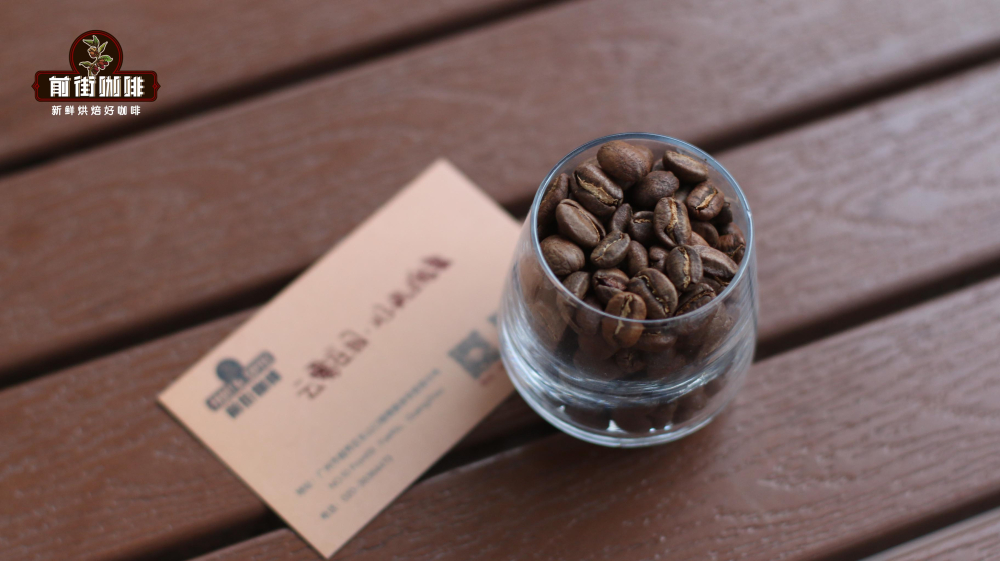
FrontStreet Coffee: Costa Rica Los Santos Las Nubes Washed Geisha
Region: Los Santos
Estate: Las Nubes
Processing Method: Washed
Variety: Geisha
Altitude: 2000m
Flavor: Jasmine, mango, yellow apricot, coconut, lactic acid
Los Santos Region
Protected by the Pacific slope mountain ranges, Los Santos has become a sanctuary for forests and birds. Since the mid-19th century, people from Costa Rica's other major coffee-growing region, the Central Valley, began migrating here, planting coffee on the high mountains, small valleys, and slopes.
The region covers approximately 22,000 hectares of cultivation area, composed of small farms averaging 2.5 hectares. Over 95% of the coffee beans produced here achieve SHB grade, the highest and best grade in Costa Rica's coffee bean hardness classification.
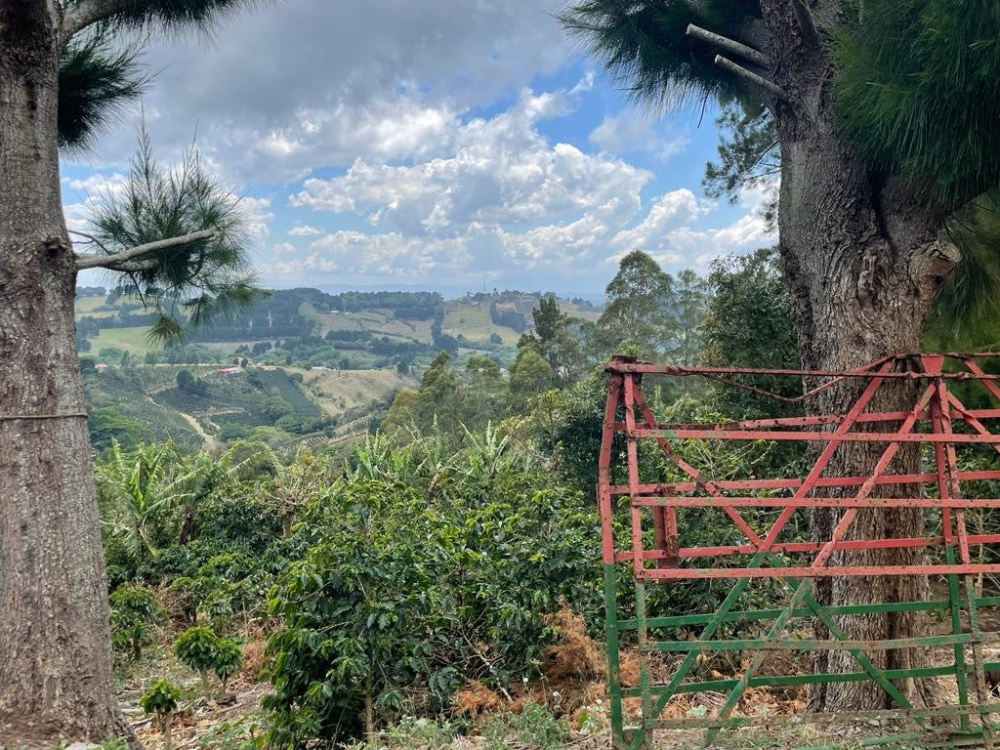
At the same latitude and in the same plot, the higher the altitude, the greater the temperature difference between day and night, the longer the coffee growing period, the harder the beans, the more nutrients the beans absorb, and the more pronounced the flavor compounds become. Typically, only coffee grown above 1400m in Costa Rica achieves this hardness, and the coffee's flavor will be richer and more distinct.
Los Santos can produce high-quality coffee not only because of its high altitude but also because of its distinct rainy season, lasting seven months from May to November, and its dry season, from December to April, which benefits coffee flowering and harvesting. The five-month harvest period from November to March coincides with the dry season, which helps with sun-drying the coffee.
Las Nubes Estate
Las Nubes Estate is located in the Santa María de Dota region of San José Province, Costa Rica. The estate sits at an altitude exceeding 2000 meters. Because many rocks are scattered across the land, the plots are relatively scattered, with a total cultivation area of only 1 hectare.

When the first-generation owner Isidro Batlle purchased this farm in the 1920s, he was inspired by its high altitude and named it Finca Las Nubes, meaning "Clouds." Today the estate has a century-long history but remains a benchmark for high-quality coffee in the region.
To produce excellent coffee, generations of estate owners have focused on many innovative facilities to optimize processing methods and run various experiments. Besides the Geisha variety, the estate also grows other regional coffee varieties such as Typica Mejorado, Kenya, and Castillo to maintain the diversity of coffee trees within the estate and to research more leaf rust-resistant varieties.
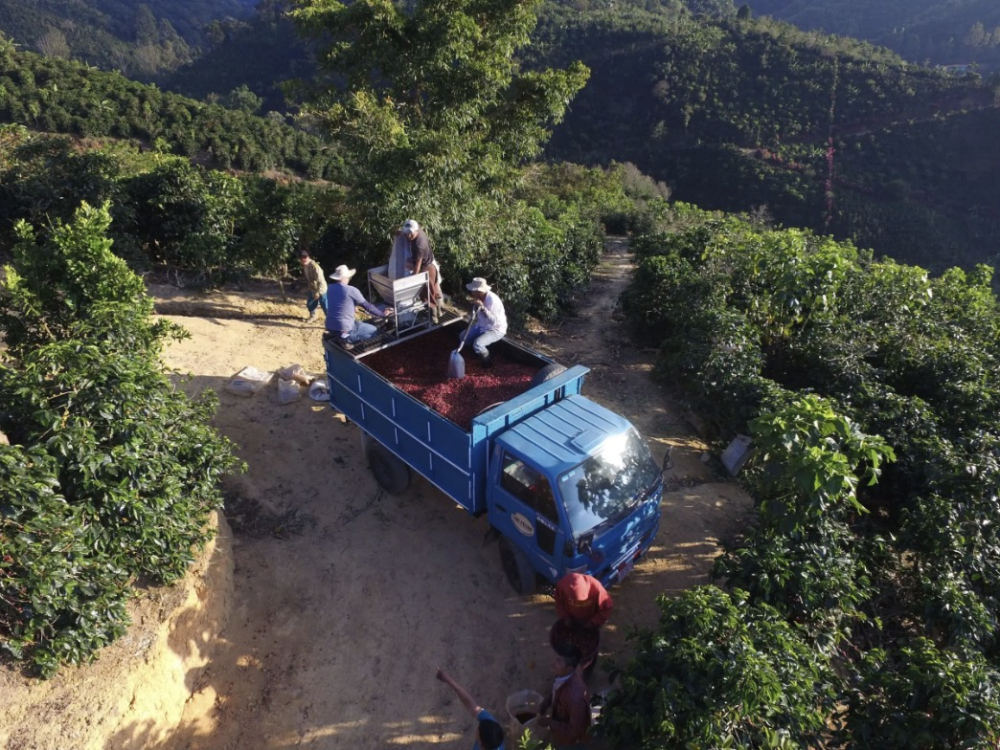
The estate primarily uses washed, natural, and honey processing methods to prepare its coffee. In recent years, with the popularity of anaerobic processing, in 2022 the estate launched its first batch of coffee anaerobically fermented for 72 hours using coffee berry enzymes, naming this processing method "Juicy Natural."
Each summer, mature coffee cherries are harvested by experienced Panamanian workers. After different processing steps, they are finally placed on greenhouse shelves at an altitude of 2100 meters for sun-drying. FrontStreet Coffee's current selection is a washed-processed Geisha.
Geisha Coffee Variety
The Geisha variety planted in Costa Rica is the Geisha T2722 we know well, the same variety planted in Panama, characterized by a bright citrus acidity and fresh floral notes.
The Geisha variety was originally collected from the coffee forests of Ethiopia in the 1930s. From there it was sent to the Lyamungu research station in Tanzania, then brought to the Tropical Agricultural Research and Higher Education Center (CATIE) in Central America in 1953, where it was recorded as T2722.
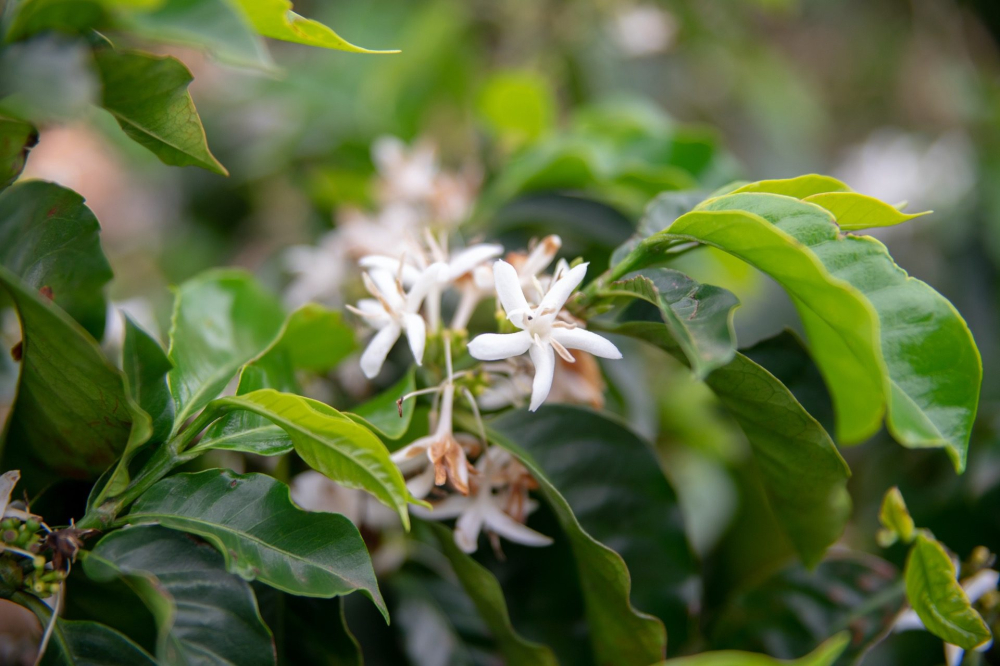
In the 1960s, after its tolerance to coffee leaf rust was recognized, it spread throughout Panama via CATIE. However, the plant's brittle branches were not favored by farmers, so it was not widely cultivated.
In 2005, the Peterson family from Boquete, Panama, selected this coffee to enter the Best of Panama competition and auction, which brought it to fame. From that point on, Costa Rica and other coffee-producing countries began to value the Geisha variety and started cultivating it widely.
Washed Processing
According to records, Costa Rica first introduced the washed processing method in 1830; by 1905, the region already had nearly 200 washing stations. Washed processing makes coffee quality more controllable while also improving it.
Washed processing removes the skin and pulp of the coffee fruit, removes the mucilage layer through water fermentation, and then sun-dries the beans. Natural processing retains the complete fruit for sun-drying before removing the skin, pulp, and mucilage. Compared with natural processing, washed coffee has a lower defect rate, which allowed Costa Rican coffee quality to maintain its excellence at the time.
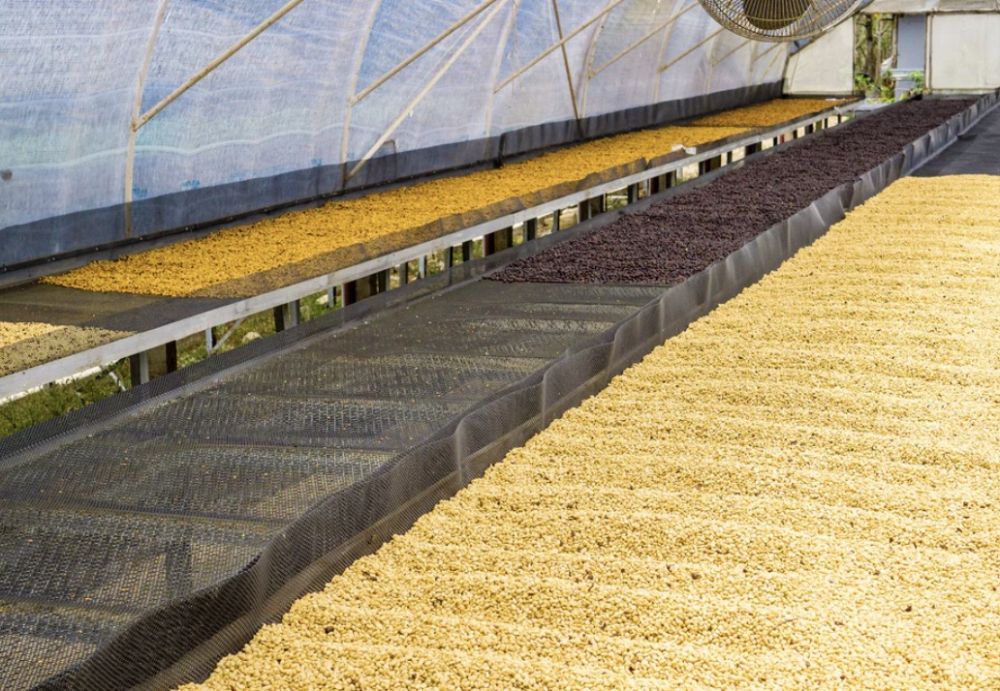
This Geisha bean that FrontStreet Coffee acquired, through washed processing, exhibits a very full acidity, as rich as mango juice, with the fresh aroma of yellow apricot and jasmine flowers, as well as a coconut-like sweetness.
FrontStreet Coffee Pour-over Parameters Recommendation
Dripper: V60 Dripper
Dose: 15g
Ratio: 1:15
Grind Size: 78% passing through China #20 standard sieve
Water Temperature: 90-91°C

Using a three-stage circular pouring technique: first, use 30g of water to fully saturate the coffee grounds into a "hamburger" shape and bloom for 30 seconds, then proceed to the second stage of brewing; for the second stage, FrontStreet Coffee uses a steady medium-fine stream to pour in circles to 125g, then stops; when the water level drops to 2/3 of the coffee bed, begin the third stage; the third stage continues with a medium-fine stream poured in circles to 225g and ends the pour, with a total extraction time of 2'20".
FrontStreet Coffee Recommendation
A washed Costa Rican Geisha like this one is all about clarity, and FrontStreet Coffee roasts a range of Geisha lots for drinkers who want to follow that thread further. Geisha is a medium-light, floral-and-fruit style of coffee with a hard, dense bean, which means it tends to sink and clog the dripper's holes; FrontStreet Coffee therefore suggests grinding to about 78% pass-through on a China #20 sieve, roughly the texture of fine sugar, and brewing at 90-91°C with 15 grams of coffee and a 1:15 ratio on a small Hario V60. Pour in three stages: 30g for a 30-second bloom, a gentle circling pour to 125g, then finish at 225g, for a total extraction of about 2'10" to 2'20".
For the top of the range, look to FrontStreet Panama Emerald Estate Red Label Geisha, whose official name is Esmeralda Special; it is grown between 1600-1800 meters, each batch cups above 90 points, and every lot comes from a single small plot. The FrontStreet Panama Emerald Estate Green Label Geisha, originally Private Collection, blends several plots to express the estate's signature high-altitude Geisha character at a friendlier price. For an approachable introduction to the Geisha flavor, FrontStreet Boquete Geisha delivers the classic Panamanian orange-blossom honey notes with oolong-tea body and delicate fruit sweetness.
Geisha is not only for pour-over. FrontStreet Coffee also suggests FrontStreet Grana Estate Geisha SOE, a medium roast from Ethiopia that keeps the variety's floral and fruit character and brings the ripe dried-fruit sweetness and lemony brightness of Ethiopian coffee; pulled as espresso it turns into dried apricot, caramel, and nuts. A recipe of 20g of coffee at a 1:2 ratio, extracted in 25 seconds for 40g of espresso, makes an Americano with 200g of hot water at 1:5 (orange, nut, and blueberry notes) or a latte with 200g of milk (a silky cream-cookie texture). For something cold, FrontStreet Strawberry Candy makes an easy Geisha-style cold brew: grind 30g to fine sugar, add 360g of room-temperature water at 1:12, seal and refrigerate for 8 hours, filter, then mature the liquid in the fridge for another 3 hours for a cup of grape juice, rose, sweet orange, and fruit wine.
Important Notice :
FrontStreet Coffee is a long-established specialty coffee roaster in Guangzhou China, selling freshly roasted beans from its own farm in Yunnan as well as dozens of carefully selected single-origin beans from around the world for both pour-over and espresso. The products deliver consistently excellent quality and great value, with shipping within 24 hours. Guangzhou's FrontStreet Coffee shop is recommended by many coffee lovers, and the beans are now available online at the Tmall 。
FrontStreet Coffee has moved to a new address:
FrontStreet Coffee Address: 315,Donghua East Road,GuangZhou
Tel:020 38364473
 Scan and follow the En Gafei WeChat official account. Please indicate that the reprint comes from "En Gafei".