Characteristics of Panama Boquete Coffee Region: Natural Process Mariposa Coffee Variety and Flavor Profile

When it comes to Geisha, FrontStreet Coffee believes many friends will immediately think of Panama's Hacienda La Esmeralda. Located in the renowned specialty coffee region of Boquete, it has produced countless famous estates that have ranked in the BOP competition. Today, FrontStreet Coffee focuses on this origin to introduce a Geisha coffee with exceptional value for money.
The Boquete region of Panama lies in Chiriquí province, bordering neighboring Costa Rica. It is a small town near the famous Baru Volcano, with beautiful scenery, fertile soil, and climate and soil conditions exceptionally suited to producing high-quality coffee.

FrontStreet Coffee often reminds customers that coffee quality is closely related to the local geography and climate. As one of Panama's oldest and most famous producing regions, Boquete sits on the eastern side of Baru Volcano, at a plateau elevation of roughly 1,000–2,000 meters. Besides Hacienda La Esmeralda, Boquete has many other excellent estates, such as Elida Estate and Kotowa Duncan Estate, all renowned for producing high-quality specialty coffee.
Though the Boquete region is not especially large, it enjoys exceptionally favorable terroir. First, it faces the warm, humid monsoon from the Caribbean Sea with cold Atlantic currents at its back, and features high, steep mountains. Baru Volcano National Park is a national ecological protection area with particularly rich biodiversity, hosting seven microclimates. Add year-round mist, abundant rainfall, and a suitable altitude, and these factors create excellent coffee-growing conditions—nurturing the now internationally famous Geisha coffee.
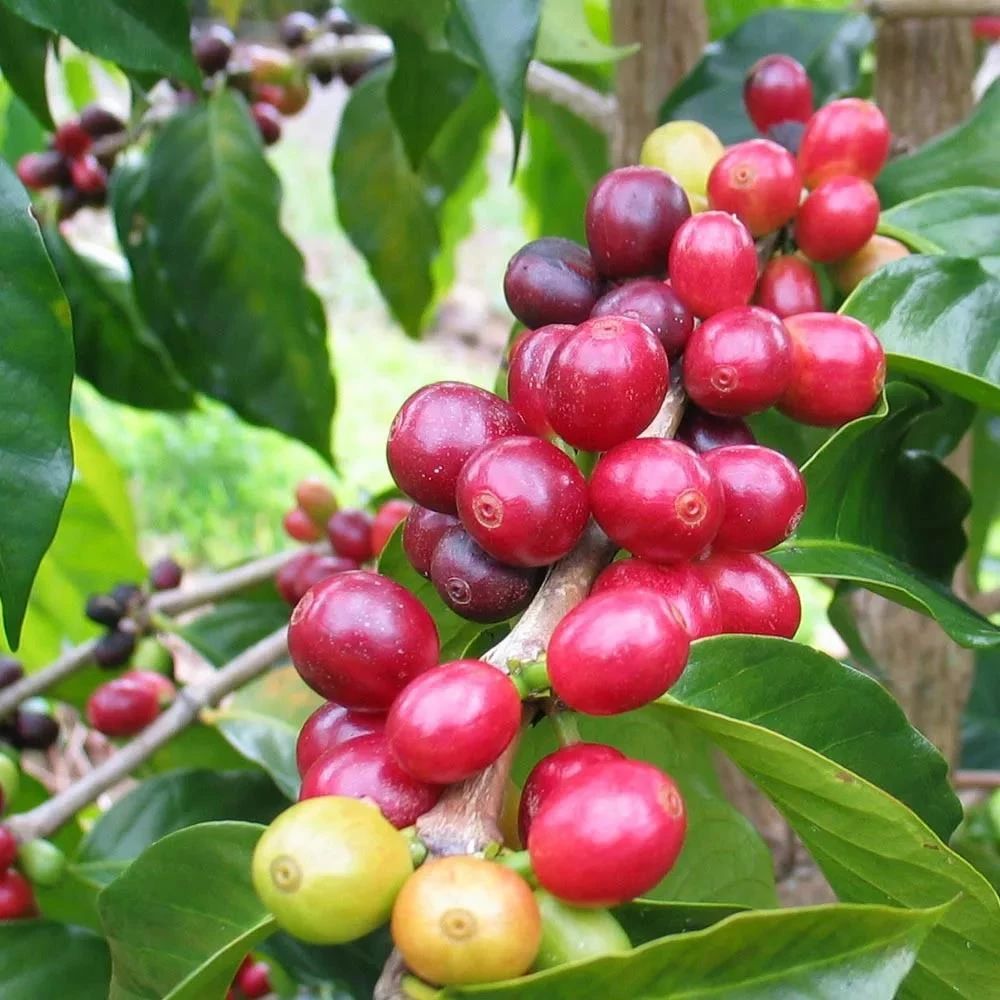
People often say Geisha coffee is an unattainable luxury. But what if a coffee offered Geisha-like flavors, came from the same producing region as Hacienda La Esmeralda's Geisha, and—most importantly—was genuinely affordable? Would you be tempted?
Panama Mariposa
At first glance, the packaging indicates three varieties. Is this coffee a blend? FrontStreet Coffee explains: although three varieties appear here, the early Geisha variety was planted mixed with Caturra and Catuai coffee trees. To make harvesting easier, farmers don't reclassify them. The three varieties in Mariposa come from the same origin and region, so it is a single-origin coffee!

Mariposa carries 70% premium Geisha heritage, composed of three varieties: Geisha, Caturra, and Catuai. It is cultivated in the Baru Volcano region of Boquete, growing in volcanic areas at an altitude of 1,600 meters. With significant day-night temperature swings, unique volcanic soil, meticulous harvesting, and refined processing, this coffee performs exceptionally well in body, acidity, and floral notes.
Even more surprising, on top of its excellent quality, FrontStreet Coffee's Mariposa comes at a very approachable price, making this bean exceptionally cost-effective. What makes it special is the inclusion of the Geisha variety, which gives it very distinct Geisha character.
Geisha
Geisha, with its unique floral and fruit aromas, bright florals and citrus flavors, high cleanliness, soft and elegant acidity, persistent and mellow sweetness, and premium tea-like mouthfeel, has won many devoted followers.

FrontStreet Coffee's research shows that Geisha was originally collected in 1931 from the wild Kaffa forest in southern Ethiopia, in a search for new disease-resistant varieties, and named after the nearby Geisha Mountain. It was later transferred to research institutes in Kenya, Uganda, Tanzania, and elsewhere for trial cultivation. In 1953, the Geisha variety arrived at CATIE (Tropical Agricultural Research and Higher Education Center) in Costa Rica and was recorded as T2722. Although it was planted on several local farms, Geisha's fragile branches and low yields kept it from becoming popular among farmers, and it was never widely cultivated.
Beginning in the 1960s, CATIE distributed T2722 Geisha to Panamanian coffee farmers, and Geisha began its true journey into Panama's fertile lands. In the 1990s, the Peterson family, owners of Hacienda La Esmeralda, began to focus on coffee production and acquired a new high-altitude farm, Jaramillo. Many coffee trees on the farm suffered from leaf rust disease, but Daniel Peterson noticed that the Geisha trees were not severely damaged. So they decided to transplant the originally mixed-planted Geisha trees to more areas of the farm while increasing their planting altitude.

In 2003, the Peterson family finally discovered Geisha's potential. When they first cupped it, it displayed an intense white floral aroma, an extremely clean mouthfeel, and berry, citrus, and bergamot-like aftertaste, forming a very typical Panamanian Geisha flavor profile. Amazed by this discovery, they decided to enter it in the 2004 BOP (Best of Panama) competition and named it "Geisha." So today's internationally acclaimed Panamanian Geisha coffee is that same T2722 variety.
Caturra
Caturra is a variant of the Bourbon variety, discovered in Brazil in 1937. Its tree form is shorter than Bourbon, and although it inherited Bourbon's weaker resistance, its yield is higher than Bourbon and it is convenient to harvest. Moreover, it can remain vibrant even under direct sun, so farmers call it "Sun Coffee." Caturra is suitable for cultivation from low altitudes of 700 meters up to high altitudes of 1,700 meters, with strong altitude adaptability—but the higher the altitude, the better the flavor, though yield decreases relatively. Caturra's flavor mainly presents fruitiness and berry-like acidity. The "Diamond Mountain Coffee" on FrontStreet Coffee's menu is selected from Caturra, originating from our renowned Hacienda La Esmeralda.

Catuai
Catuai is a hybrid of Mundo Novo and Caturra, thus inheriting Caturra's low tree form but with higher resistance. It withstands natural disasters better, particularly wind and rain, and produces firm fruit that doesn't fall off easily. In terms of flavor, Catuai is simpler than Caturra, mainly featuring nutty notes without Caturra's rich layering. In Panama, the two varieties are often planted together and harvested together when ripe.

Natural Processing of Mariposa
Mariposa's processing method is an ancient, long-established one, also called the natural drying method. Natural processing reduces the moisture content of coffee through extensive drying. After selecting the cherries, the whole fruit—pulp and skin included—is spread directly on cement floors or drying beds to sun-dry until the moisture content reaches about 12%. This takes about two to four weeks depending on the local climate, with the drying process typically lasting around 4 weeks. Because the cherries themselves hold quite a lot of moisture, leaving them in one place for over twenty days naturally triggers fermentation. If fermentation goes too far, it easily leads to spoilage. If the cherries are piled too thickly in one area without ventilation, spoilage becomes even more severe. Considerable manpower is therefore needed to frequently turn the piles to ensure ventilation.

FrontStreet Coffee Brewing Method
Dripper: Hario V60, Water temperature: 90°C, Coffee amount: 15g, Coffee-to-water ratio: 1:15, Grind size: Medium-fine (80% pass-through rate with China standard #20 sieve)
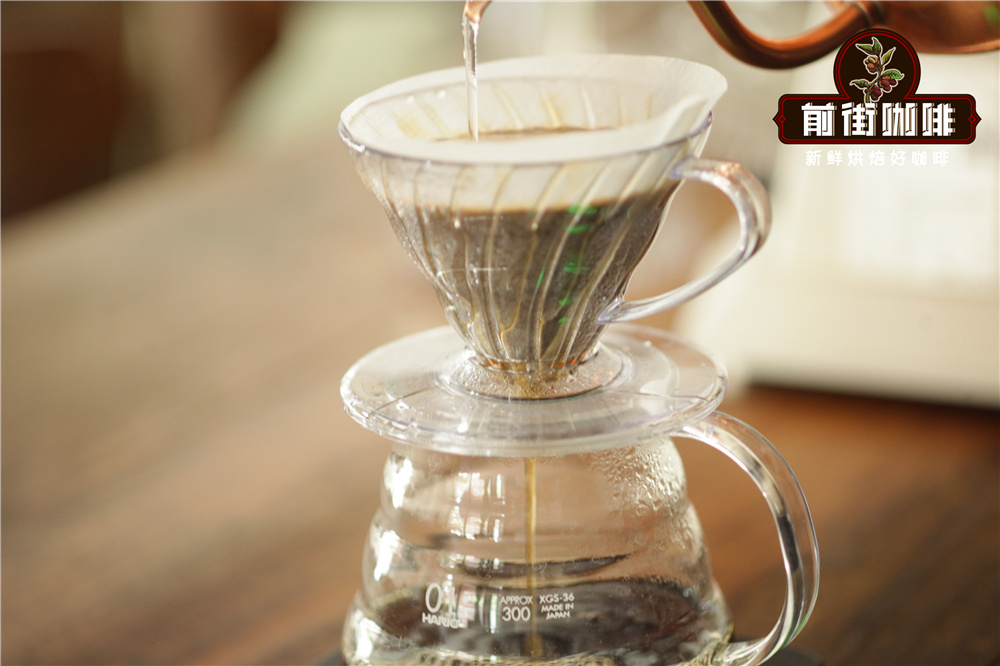
FrontStreet Coffee uses a staged extraction method. We use 30g of water for a 30-second bloom, then continue pouring in a circular motion with a small flow to 125g for the first stage. When the water level drops and is about to expose the coffee bed, continue pouring to 225g and stop. Remove the dripper after the water has finished dripping from the filter cup. Timing starts from the beginning of pouring, with an extraction time of 2'00".
Mariposa coffee has higher sweetness and gentle sweet notes. Naturally processed coffee generally carries fermentation flavors. FrontStreet Coffee's brewing method is for reference only; everyone should make fine adjustments according to their preferred taste.
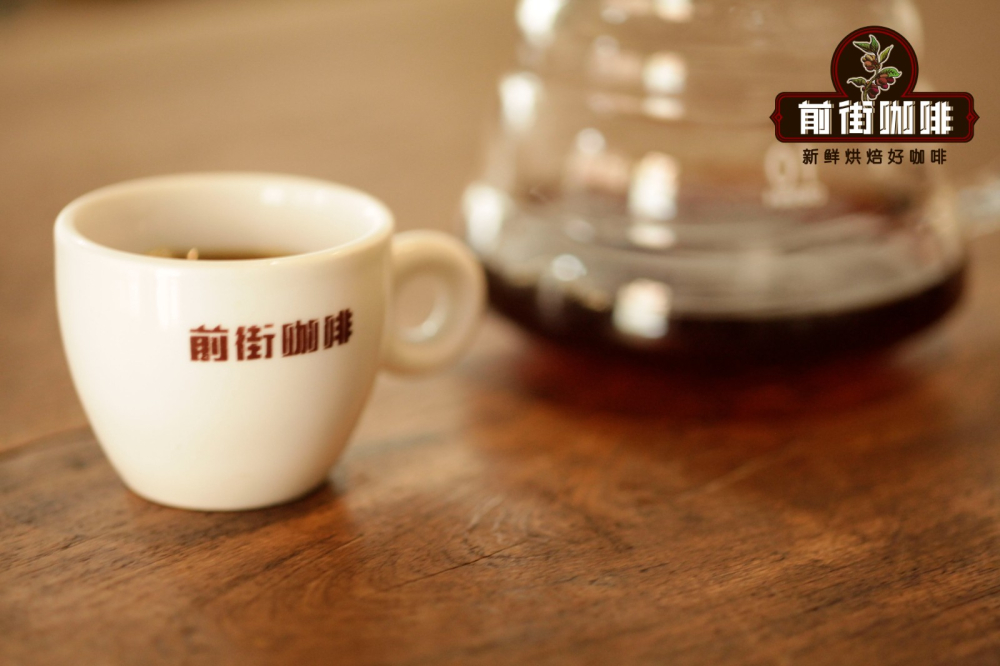
FrontStreet Coffee's Natural Mariposa Brewing Flavor: the first sip reveals tea fragrance, fermented fruit aroma, and nutty cream flavors with a mellow mouthfeel. As the temperature drops slightly, sweet-and-sour fruit flavors of citrus, black plums, and sweet oranges emerge. The aftertaste carries the sweetness of honey.
Of course, for coffee brewing, FrontStreet Coffee always recommends using freshly roasted beans to maximize the experience of coffee's rich flavors. The beans shipped by FrontStreet Coffee are all roasted within 5 days, because FrontStreet Coffee deeply understands that freshness greatly affects flavor. FrontStreet Coffee's roasting philosophy is "Freshly Roasted Good Coffee," ensuring that every customer who places an order receives the freshest coffee when it arrives. The bean resting period is about 4–7 days, so when customers receive it, it is at peak flavor.
Some customers also ask FrontStreet Coffee to grind the beans, which is fine too. But FrontStreet Coffee must remind you: if beans are ground in advance, they need to be brewed promptly. Once ground, there is no need for a resting period, because during transport the pressure from carbon dioxide buildup in the packaging also helps round out the flavors. So you can immediately brew a cup when you receive ground coffee.

However, ground coffee oxidizes relatively quickly after contact with air, meaning its flavors dissipate faster and the cup won't be as good. FrontStreet Coffee therefore recommends buying whole beans and grinding fresh before brewing to better appreciate the coffee's flavors.
FrontStreet Coffee Recommendation
Geisha is famous for its floral aromatics and superb sweet-tart balance, but it is also low-yielding, weak in disease resistance, and demanding to cultivate—which is why its price stays high. If you are looking for a Geisha that is good to drink yet not expensive, it helps to know the different types. For a first taste of the legendary "Geisha flavor," FrontStreet Coffee most often recommends FrontStreet Coffee Panama Boquete Geisha. This entry-level Geisha lets you enjoy the classic orange-blossom honey charm of high-quality Panamanian Geisha at an approachable price, with an oolong tea quality, delicate fruit sweet-tartness, and clearly defined layers.
For the top of the range, FrontStreet Coffee Emerald Red Label Geisha is the flagship—formally known as "Esmeralda Special." Grown at 1600–1800 meters, every lot must cup above 90 points and carries its own independent lot number, with all beans in a lot coming from a single small plot. That lets buyers pick the lot that matches their subtle flavor preferences. The counterpart, Green Label (originally "Private Collection"), does not emphasize detailed plot information the way Red Label does; instead it blends lots from several plots to express Hacienda La Esmeralda's signature high-altitude Geisha profile, and its more accessible price makes it outstanding value.
Important Notice :
FrontStreet Coffee is a long-established specialty coffee roaster in Guangzhou China, selling freshly roasted beans from its own farm in Yunnan as well as dozens of carefully selected single-origin beans from around the world for both pour-over and espresso. The products deliver consistently excellent quality and great value, with shipping within 24 hours. Guangzhou's FrontStreet Coffee shop is recommended by many coffee lovers, and the beans are now available online at the Tmall 。
FrontStreet Coffee has moved to a new address:
FrontStreet Coffee Address: 315,Donghua East Road,GuangZhou
Tel:020 38364473
 Scan and follow the En Gafei WeChat official account. Please indicate that the reprint comes from "En Gafei".