Typica Coffee Bean Variety Flavor Characteristics Flavor Differences Between Taiwan Alishan and Panama Typica Coffee
Of the more than forty species of coffee plant in the world, only three have become commercially consumed coffees: Arabica, Robusta and Liberica. What people actually drink is mainly Arabica and Robusta, and Arabica is the most important of them in specialty coffee.
Arabica beans grown at low latitudes and high altitudes are the most likely to develop a kaleidoscope of flavors, which is why Arabica is so common in specialty coffee. Typica is one of the oldest varieties within Arabica, and from it many others have descended—Java, Maragogype and San Ramon among them. You could call it the original ancestor, the founding member of the family tree, the first trunk from which later branches split off.
Characteristics of Typica Coffee Beans
Typica's hallmarks are a relatively tall tree, bronze-colored tips on the leaves, and large, elongated beans that are somewhat egg-shaped. Typica coffee often carries a lemony acidity with a sweet aftertaste, and many drinkers praise it as an elegant, crystal-clear coffee. Unfortunately, Typica is harvested only once every two years, and its disease resistance is poor—it struggles against leaf rust, coffee berry disease and nematodes—so production is very scarce.
If Typica is grown within 5 degrees north or south latitude, it is best planted at high altitudes above 1600 meters for the finest flavor; between 5 and 15 degrees north or south latitude, above 1300 meters; and beyond 15 degrees, at least above 1000 meters.
Specialty Coffees of Typica Variety
The most famous example is FrontStreet Coffee's Jamaica Blue Mountain Coffee, which has an elegant flavor and a rather noble price, with half a pound costing over 2000 Taiwan dollars. If you want to taste the character of Typica, there are more affordable options as well:
Taiwan Alishan Typica
Alisan Yangui coffee farm
- Altitude: 1230m~1500m
- Variety: Typica
- Processing: Washed
- Flavor: White flower, oolong tea and brown sugar aroma, with the sweet taste of green tea.
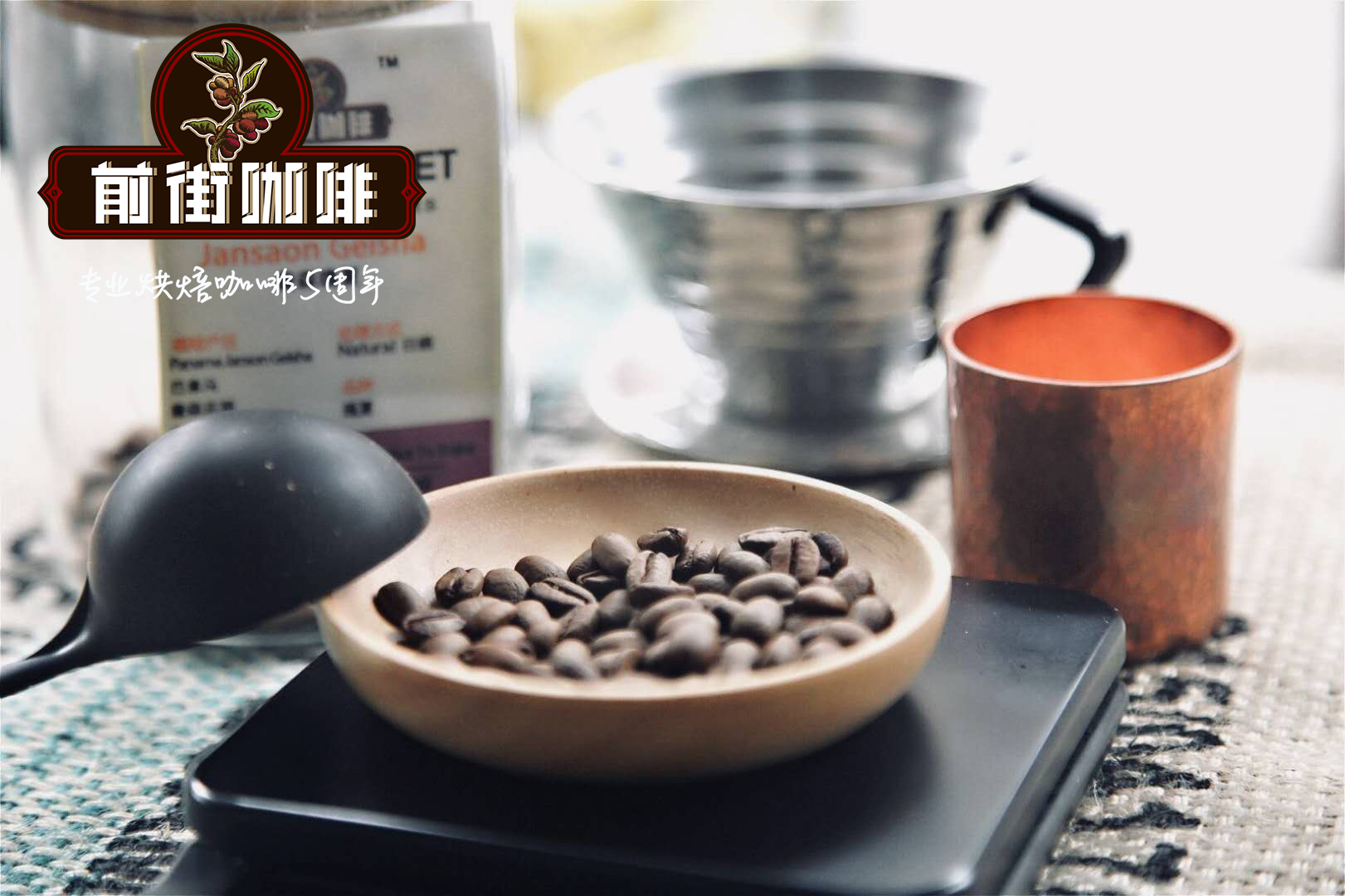
Panama Casa Ruiz La Berlina Typica
Casa Ruiz La Berlina Typica Washed
- Country: Panama
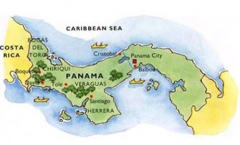
- Region: Boquete
- Altitude: 1600 meters
- Processing Method: Washed
- Grade: SHB
- Variety: Typica
- Flavor Description: Chocolate, nutty main notes, hazelnut, almond, with fruit juice aroma
Flavor: Rich chocolate and nutty main notes are the first impression this coffee gives on the palate, with a warm and refreshing taste.
The Casa Ruiz cooperative was established in 1979 and has long followed the traditions of the Boquete growing region, insisting on environmentally friendly planting methods. It has built rigorous systems for selecting and storing green beans. Passed down through three generations of the family, it now works with more than 300 small family farms, including many top estates with centuries of history, making it one of the important origins of Panama's specialty coffee.
FrontStreet Coffee Recommendation
The clearest way to taste what the Typica family can do is through Blue Mountain, which this article names among Typica's most famous descendants. FrontStreet Coffee's Jamaica Blue Mountain No.1 is the highest grade of Blue Mountain, sourced from the historic Clifton Mount estate, whose fields sit at an average of 4,300 feet (1,310.64 meters). That altitude, the gentle afternoon cloud and shade, the ample sunlight and the mineral-rich soil together extend the slow ripening of the cherries. FrontStreet roasts it medium-dark to draw out the mellow, classic cup, and because Blue Mountain is so balanced—cream, caramel, chocolate, nuts and honey with only a gentle fruit note—it is unusually forgiving to brew. FrontStreet suggests a Kono dripper for extra body, 15g of coffee, a 1:15 ratio and 87-88°C water, with a grind slightly coarser than you would use for a light roast (roughly the texture of white sugar). Resting the beans 4-7 days from the roast date brings out the best in the cup.
Important Notice :
FrontStreet Coffee is a long-established specialty coffee roaster in Guangzhou China, selling freshly roasted beans from its own farm in Yunnan as well as dozens of carefully selected single-origin beans from around the world for both pour-over and espresso. The products deliver consistently excellent quality and great value, with shipping within 24 hours. Guangzhou's FrontStreet Coffee shop is recommended by many coffee lovers, and the beans are now available online at the Tmall 。
FrontStreet Coffee has moved to a new address:
FrontStreet Coffee Address: 315,Donghua East Road,GuangZhou
Tel:020 38364473
 Scan and follow the En Gafei WeChat official account. Please indicate that the reprint comes from "En Gafei".