Jamaica Blue Baron Blue Mountain No.1 Flavor Characteristics & Story: How to Buy Authentic Blue Mountain No.1 Coffee Beans

Introduction to Jamaica Blue Mountain Coffee
When the subject of coffee comes up, many friends immediately say, "Give me a cup of Blue Mountain." Jamaica Blue Mountain is famous for its reputation, its limited production, and its long history. Even people who have never tried specialty coffee have probably heard of it. On the market you often see "Blue Mountain Coffee," "Blue Mountain Flavor Coffee," and "Blue Mountain Blend," which can be dazzling. Not every coffee with "Blue Mountain" in the name is the real thing, and it is easy to end up drinking a fake. So how do we tell which Blue Mountains are genuine? FrontStreet Coffee will walk you through it.
Authentic Blue Mountain Growing Region
The certified authentic Blue Mountain growing region covers four eastern administrative districts: St. Andrew, St. Thomas, St. Mary, and Portland, which happen to be the foothills where the Blue Mountains cross. The altitude ranges from 1,000 to 1,700 meters, covering about 6,100 hectares. Only coffee grown inside this region and meeting the 1,000-1,700 meter altitude requirement can be called authentic Blue Mountain. Even coffee grown within those four districts but at only 500-1,000 meters must be downgraded to Jamaica High Mountain Coffee. Coffee grown below 500 meters is classified as the even lower-grade Jamaica Supreme Coffee. The other 12,100 hectares outside the region cannot be called Blue Mountain Coffee at all. The Jamaican authorities regulate Blue Mountain strictly, and at most 25% of Jamaican coffee qualifies for Blue Mountain status.

The Blue Mountain region is small, with only 6,000 hectares of plantation land, so it is impossible for every coffee labeled "Blue Mountain" to come from there. Today Clifton Farm is the largest estate in the region, which by international standards is still small-scale cultivation. Many estate owners are small landholders whose families have worked the land for two centuries. Through comparison, FrontStreet Coffee believes the Blue Mountain No. 1 from Clifton Farm performs exceptionally well and stands as one of the finest representatives of Blue Mountain Coffee.
Blue Mountain is the only coffee growing region to this day that packages green beans in wooden barrels, while all other coffee exports use burlap sacks.
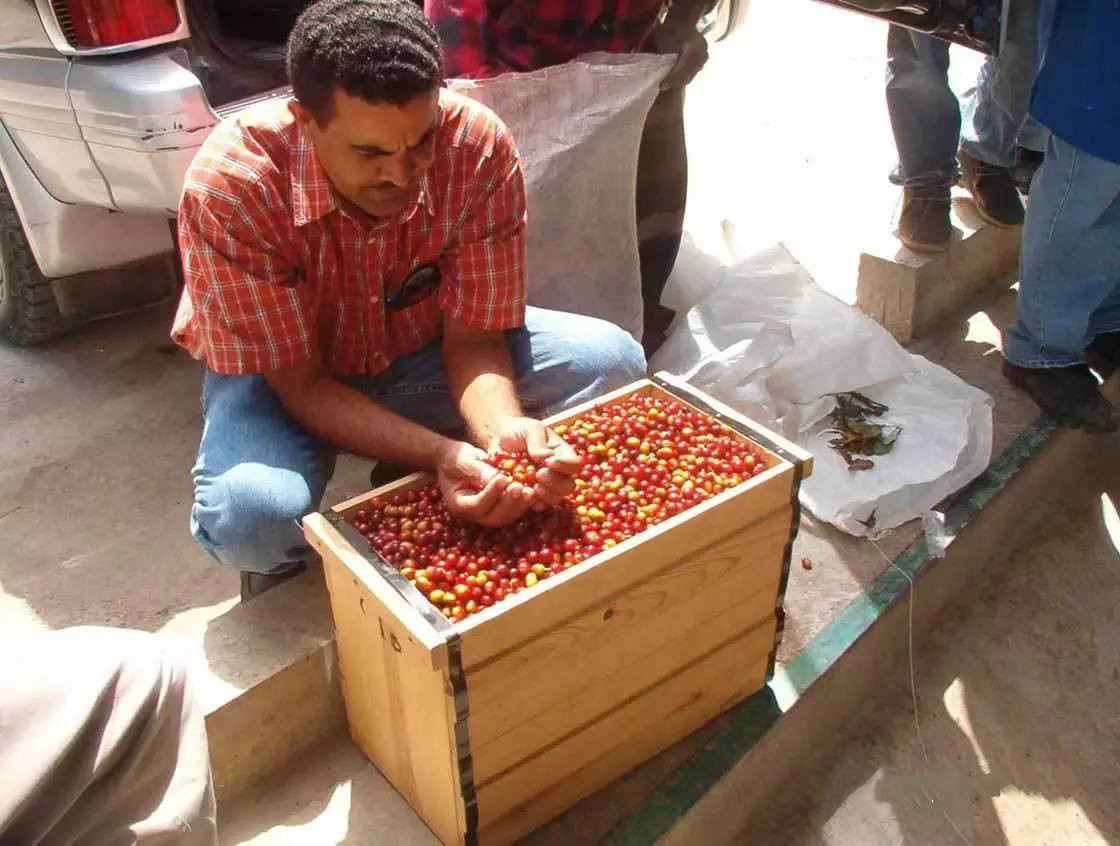
Clifton Farm
Jamaica Clifton Mount Estate
Owner: The Sharp family
Certificate: Rainforest Alliance Certified
Location: Newcastle region
Total area: 250 acres
Coffee cultivation area: 180 acres
Average altitude: 4,300 feet (1,310.64 meters)
Processing method: Washed
Variety: 100% Arabica Typica
Flavor: Perfect and balanced acidity, body, and aroma
Processing Method
Until this year, Blue Mountain No. 1 had only ever been available as washed coffee. The washed method uses water and fermentation to remove the fruit pulp and mucilage. Farms using it must build washing pools and have a continuous supply of fresh water. During processing, the pulp is removed first, then the beans ferment for 12-18 hours. The fermented beans are placed in the pool and moved back and forth, using friction between the beans and the power of flowing water to wash them until smooth and clean. After washing, the beans are still encased in parchment, with a moisture content of 50%. They must be sun-dried to bring moisture down to 12-14%, or they will keep fermenting and turn moldy. The beans are then screened and stored in dedicated warehouses. These steps must be tightly controlled, or the coffee's quality will suffer.

Coffee Grading
Coffee from the Jamaican Blue Mountain region has three grades: Blue Mountain Coffee, Jamaica High Mountain Supreme Coffee Beans, and Jamaica Prime Coffee Beans.
Both Blue Mountain Coffee and High Mountain Coffee are further divided into two grades each. Ranked from highest to lowest quality: Blue Mountain No. 1, Blue Mountain No. 2, High Mountain No. 1, High Mountain No. 2, and Jamaica Coffee. By quality they rank highest to lowest as NO.1, NO.2, NO.3, and PB, where PB means peaberries. According to CIB standards, the basic requirements for NO.1 Blue Mountain green beans include beans above 17 mesh, a defect rate below 3%, and a moisture content around 13%.

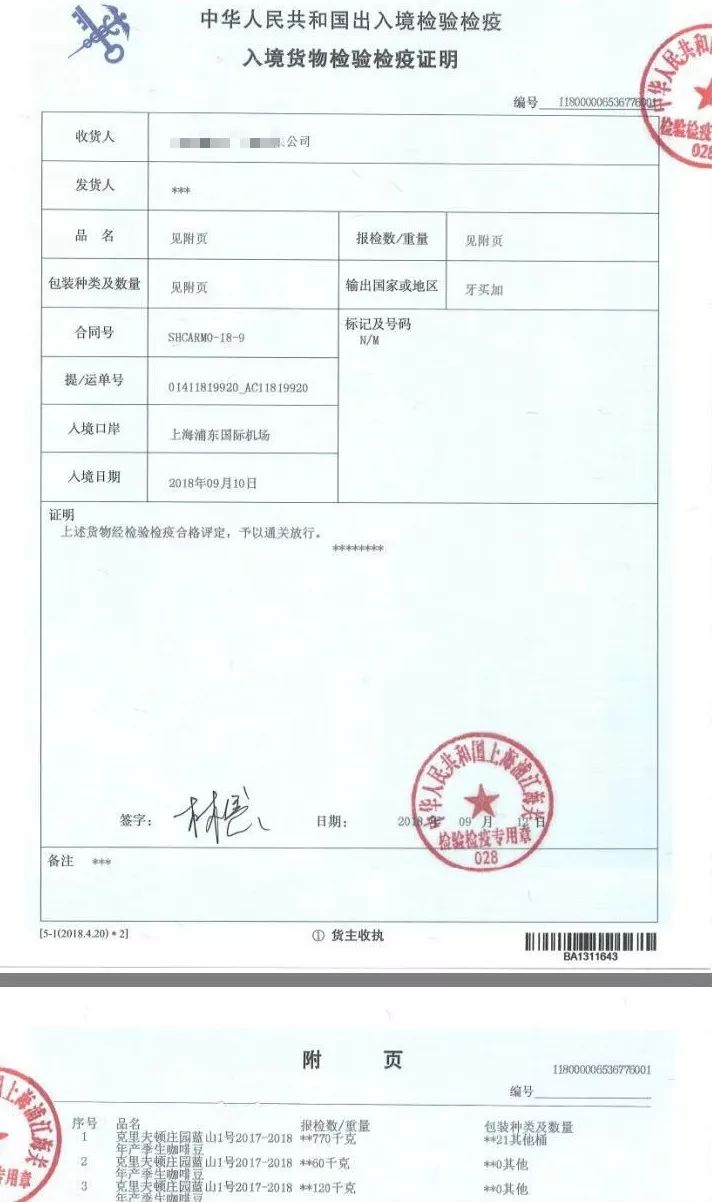
Here we share the documentation for Blue Mountain No. 1 from the 2017-2018 fiscal year, from ordering through customs clearance, entry, and delivery to FrontStreet Coffee.
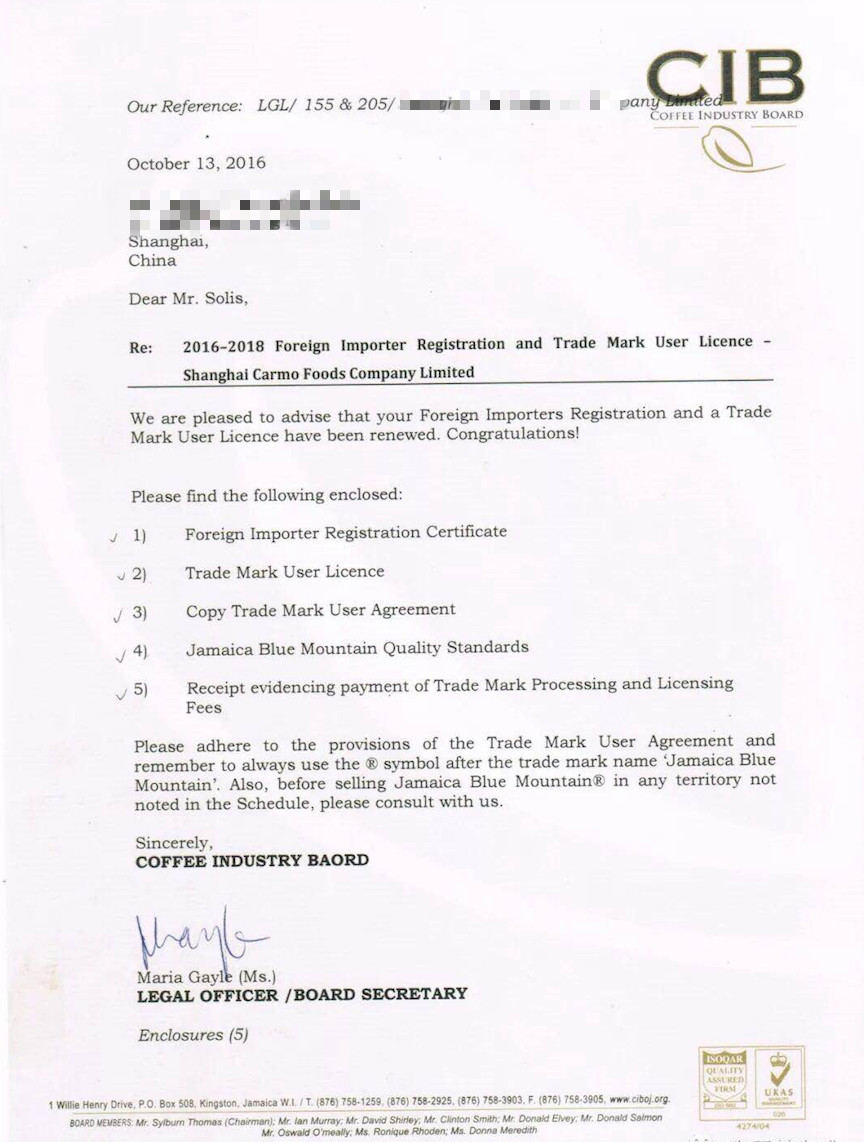
CIB Authorization
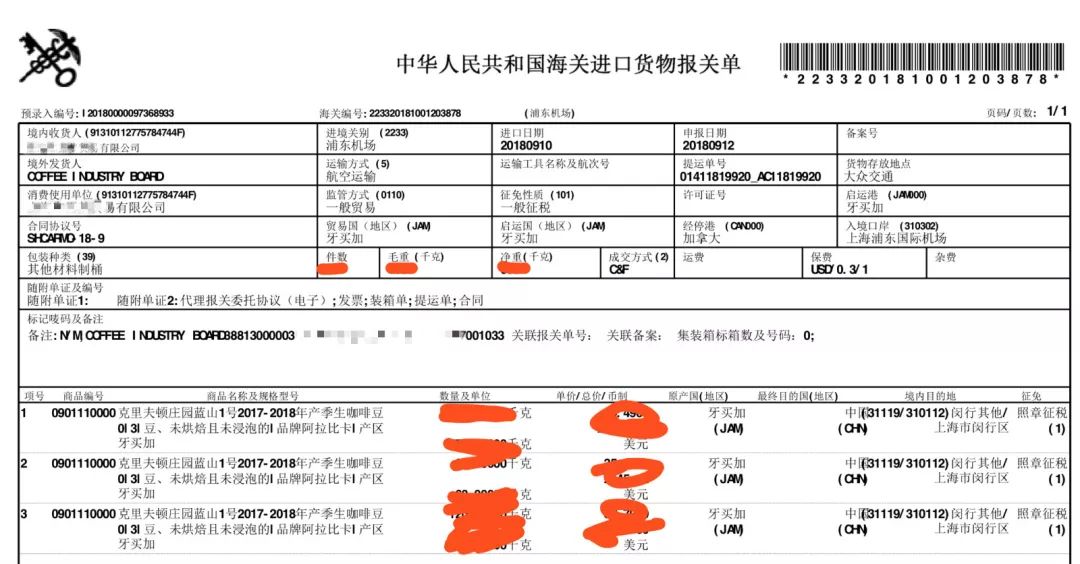
Customs Declaration Form
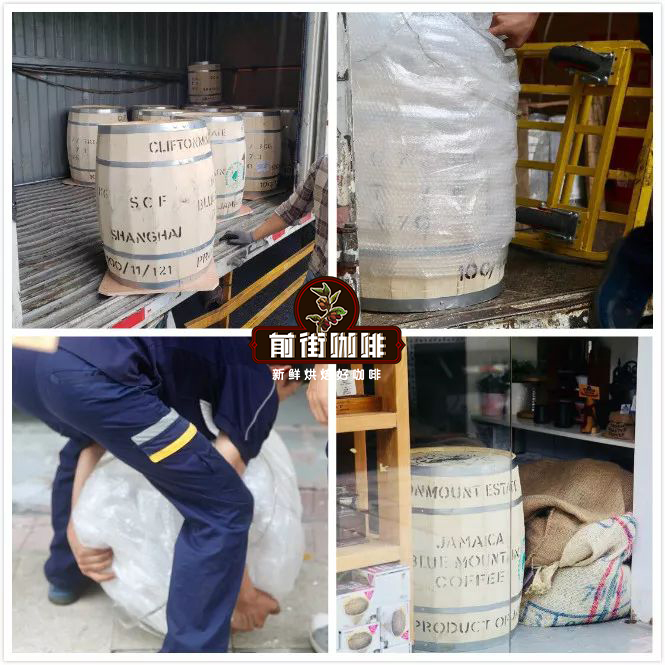
Arrival at FrontStreet Coffee Store
FrontStreet Coffee Roasting Curve Analysis
Put simply, the goal is to roast Blue Mountain thoroughly from the inside out, using excellent technique on top of a sound roast to bring out the flavor of these beans.
Caramelization is the most important step affecting coffee flavor. After six to seven minutes of roasting, the green beans have absorbed a great deal of heat, setting off the pyrolysis reaction and producing the first cracking sound. Some sugars convert into carbon dioxide, water keeps evaporating, new aromatic components gradually develop, and what we call coffee oils form, combining with hundreds of aromatic substances such as nicotinic acid, citric acid, quinic acid, malic acid, acetic acid, and caffeine.
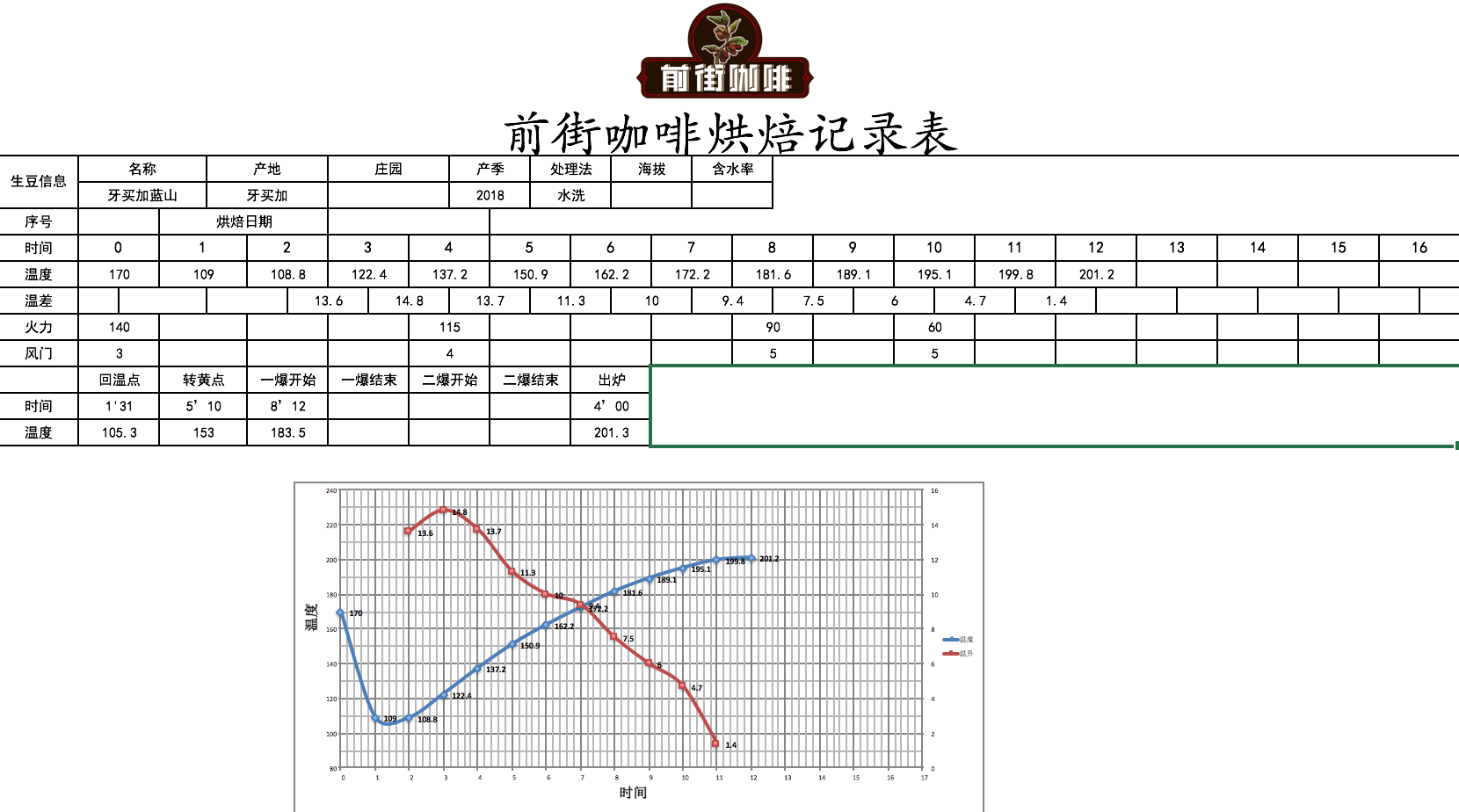
Roasting curve: preheat the roaster to 170°C and set the damper to 3. After 1 minute, adjust the heat to 140°C, keeping the damper unchanged. At 5'10", when the temperature reaches 153°C, the bean surface turns yellow, the grassy smell disappears completely, and dehydration is complete. Adjust the heat to 115°C and change the damper to 4.
At 8'00", ugly wrinkles and black spots appear on the bean surface, and the toast smell clearly shifts into coffee aroma—the prelude to first crack. Listen carefully for it. At 8'12", first crack begins. Reduce the heat to 90°C, open the damper fully (be very careful when adjusting heat—not so low that the cracking stops), and discharge at 201.3°C.

FrontStreet Coffee Blue Mountain Coffee Cupping
Cupping characteristics: a perfect, subtle balance of acidity, body, and aroma. The acidity is bright and delicate. The body is as smooth as velvet. The aroma has a slight penetrating quality, with floral, spicy, and citrus notes. There is a hint of cocoa in the aftertaste. The taste is very clean, complex, and mild, with chocolate sweetness and a very strong body. The flavor is rich and mellow, with a perfect balance of coffee's sweet, sour, and bitter notes. It has no bitterness at all, only moderate, perfect acidity and a persistent fruity finish.
Dry Aroma:
Roasted peanut, hazelnut, melon, chocolate-like
Wet Aroma:
Rose tea, caramel, honey, dark chocolate, almond skins, a silky mouthfeel, and brightness

Why Did Japan Have Priority Purchasing Rights Back Then?
In 1950, the Jamaican government established the Jamaican Coffee Industry Board, which sets quality standards for Jamaican coffee and supervises their enforcement to protect the coffee's quality. The board grants special official seals to both green and roasted Jamaican coffee exports. Because Japanese loans were used to improve production quality, market access was guaranteed.

By 1981, Jamaica had opened about 1,500 hectares of land for coffee cultivation, followed by investment in another 6,000 hectares. In fact, today's Blue Mountain region is small, with only 6,000 hectares of plantation land, so again it is impossible for every coffee labeled "Blue Mountain" to grow there. The additional 12,000 hectares are used for the other two types: High Mountain Supreme Coffee and Jamaica Coffee.
According to 2013 Jamaican Coffee Board export statistics, of the limited Blue Mountain quota, 85% is exported to Japan, 5% to the United States, 5% to Europe, and 5% to other countries. Yet in the global distribution of authentic Jamaican Blue Mountain consumption, International Coffee Association statistics show China accounts for 15%. This is because some of Jamaica's Blue Mountain shares from Japan, Australia, and Europe are exported to Taiwan through directly operated branches.

How to Identify Authentic vs. Fake Blue Mountain?
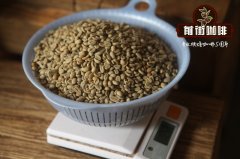
1. Appearance: Blue Mountain green beans are blue-green, very uniform, medium to small in size, with slightly upturned ends. After roasting they expand noticeably and become very full.
2. Grinding: Authentic Blue Mountain grows at high altitude and has a relatively loose cell structure. Ground by hand, it feels crisp, smooth, and continuous, with no resistance.
3. Aroma: The aroma is rich and dense; so-called blended Blue Mountains do not have it.
4. Taste: Authentic Blue Mountain tastes balanced and rich, with no flavor overly prominent or lacking—something no other bean can achieve, and the most critical point of identification. Blue Mountain peaberries have a more reserved aroma and a relatively stronger taste.

Authentic Blue Mountain coffee and Blue Mountain flavor coffee are two different things. The latter generally uses other varieties roasted to imitate the Blue Mountain taste. "Blue Mountain Blend" beans are mixed and vary more in shape, making them easier to identify. And don't believe in "premium Blue Mountain" that costs only a few dozen yuan per pound, or "Blue Mountain coffee" that costs only a dozen yuan a cup.
Not every coffee labeled "Blue Mountain" is genuine. We hope this helps you tell them apart.
Blue Mountain beans are such high-quality coffee, though, that they taste best when fresh. FrontStreet Coffee suggests brewing with freshly roasted beans to make the most of the rich flavors. All beans shipped by FrontStreet Coffee are roasted within 5 days, because we understand how much bean freshness affects flavor. FrontStreet Coffee's roasting philosophy is "freshly roasted good coffee," ensuring every customer receives the freshest coffee on arrival. The resting period is about 4-7 days, so when customers receive it, it is at its peak.

Blue Mountain Coffee Brewing Method Suggestions
Dripper: KONO dripper
Coffee amount: 15g
Water temperature: 88°C
Grind size: Coarse grind, 75% pass-through rate on China standard #20 sieve
Water-to-coffee ratio: 1:15
Extraction time: Around 1:55

FrontStreet Coffee uses a three-stage pour: 30g of water for the bloom, with a bloom time of 30s; first pour to 120g and stop; a vertical water flow, small and slow in a circular motion; second pour to 210g, with the flow and circular speed slightly faster to keep fine particles from clogging the dripper.
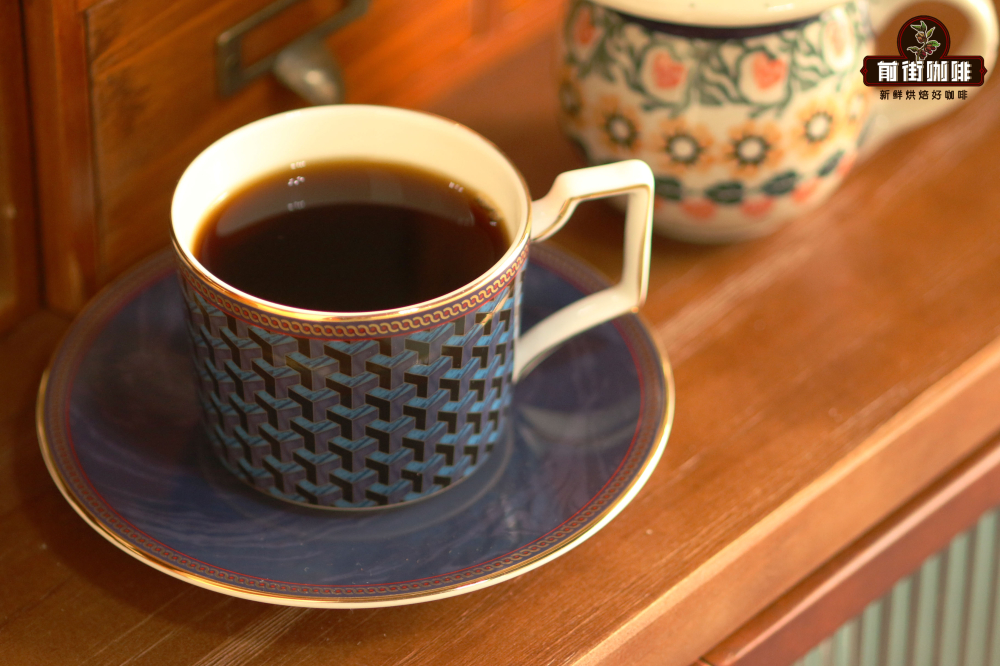
The taste is very clean, complex, and mild, with chocolate sweetness and a very strong body. The flavor is rich and mellow, with a perfect balance of coffee's sweet, sour, and bitter notes. It has no bitterness at all, only moderate, perfect acidity and a persistent fruity finish.
FrontStreet Coffee Recommendation
For anyone who wants to experience genuine Blue Mountain, the grade itself matters. Blue Mountain No. 1 is one of the highest grades in Jamaica Blue Mountain coffee, with strict standards for bean size, defect rate, and overall quality. FrontStreet Jamaica Blue Mountain No. 1 is backed by complete origin certification and the original shipping barrels, so the source can be traced clearly.
FrontStreet roasts it to a medium-dark level to bring out the classic Blue Mountain balance. In the cup you get nuts, dark chocolate, creamy caramel, and a soft sweetness unfolding in layers, with sweet, sour, bitter, and aromatic notes working in harmony. It balances beautifully whether brewed as pour-over, moka pot, or espresso.
Because Blue Mountain grows at high altitude with a loose cell structure, it grinds easily and takes a slightly coarser setting well. For pour-over, FrontStreet recommends a KONO dripper, 15g of coffee, water at 88°C, a 1:15 ratio, and a coarse grind around granulated sugar, for a clean, complex cup with a long fruity finish.
Important Notice :
FrontStreet Coffee is a long-established specialty coffee roaster in Guangzhou China, selling freshly roasted beans from its own farm in Yunnan as well as dozens of carefully selected single-origin beans from around the world for both pour-over and espresso. The products deliver consistently excellent quality and great value, with shipping within 24 hours. Guangzhou's FrontStreet Coffee shop is recommended by many coffee lovers, and the beans are now available online at the Tmall 。
FrontStreet Coffee has moved to a new address:
FrontStreet Coffee Address: 315,Donghua East Road,GuangZhou
Tel:020 38364473
 Scan and follow the En Gafei WeChat official account. Please indicate that the reprint comes from "En Gafei".