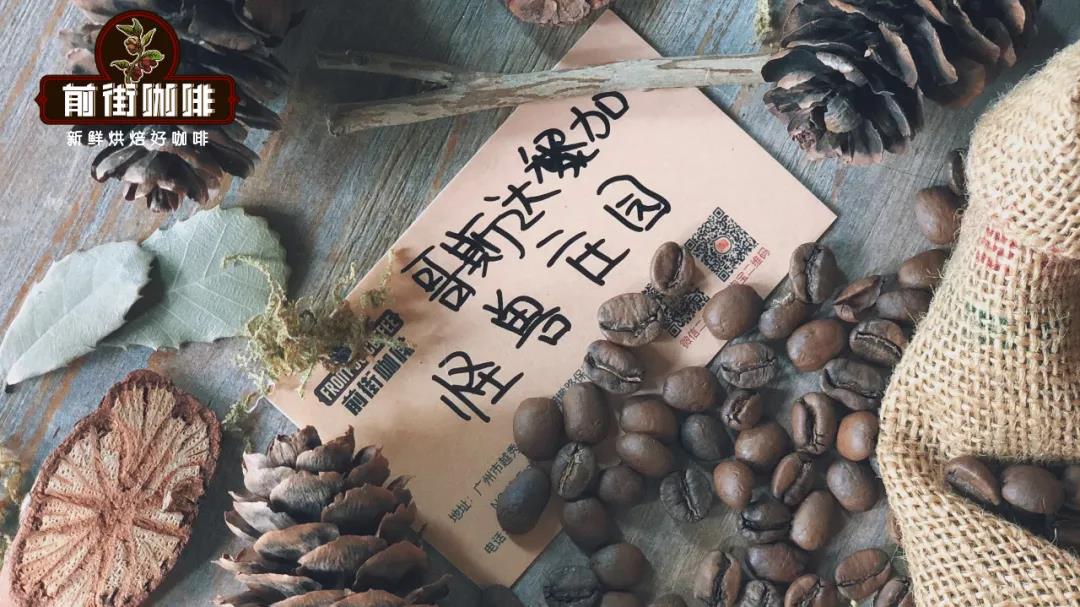
What's the difference between SOE coffee and pour-over single-origin beans? Are the characteristics and flavor profile of SOE coffee roast levels suitable for pour-over?
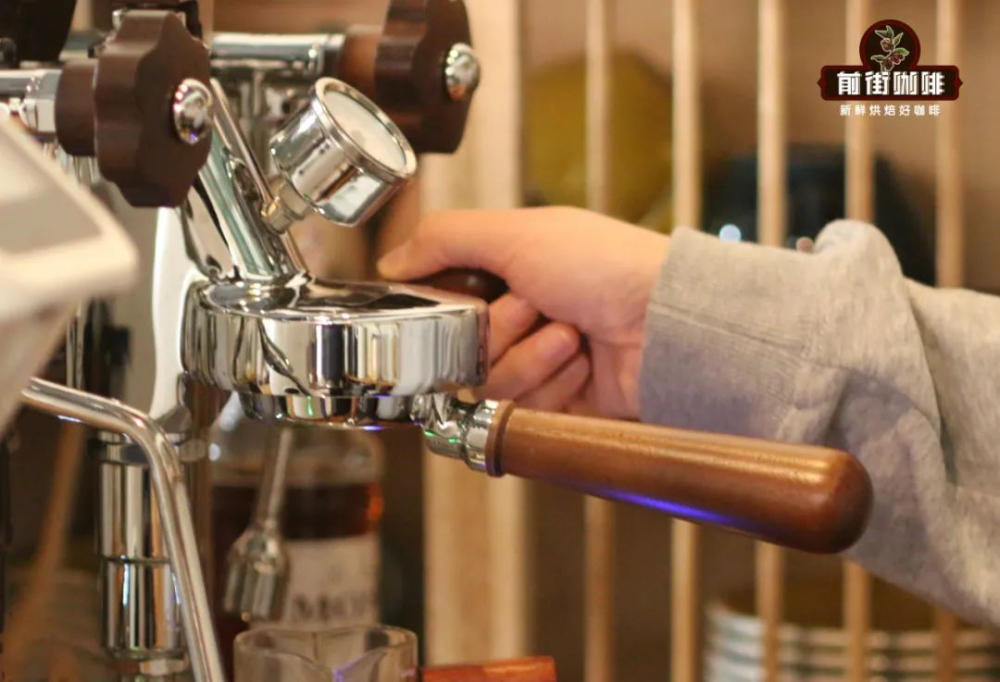
In contrast to traditional espresso blends, SOE (Single Origin Espresso) is espresso made from beans of a single origin. This fresh, acidity-forward concept has become a signature offering at many coffee shops in recent years, and some home brewers now buy beans specifically to pull SOE shots. Today, FrontStreet Coffee explains what kinds of coffee beans work best for SOE.
How Is SOE Different from Pour-Over Coffee?
SOE and pour-over coffee use different extraction methods. SOE is extracted with high temperature and high pressure in an espresso machine — a pressurized method. Pour-over coffee relies on hot water permeating through the grounds to release their compounds — a drip extraction method.
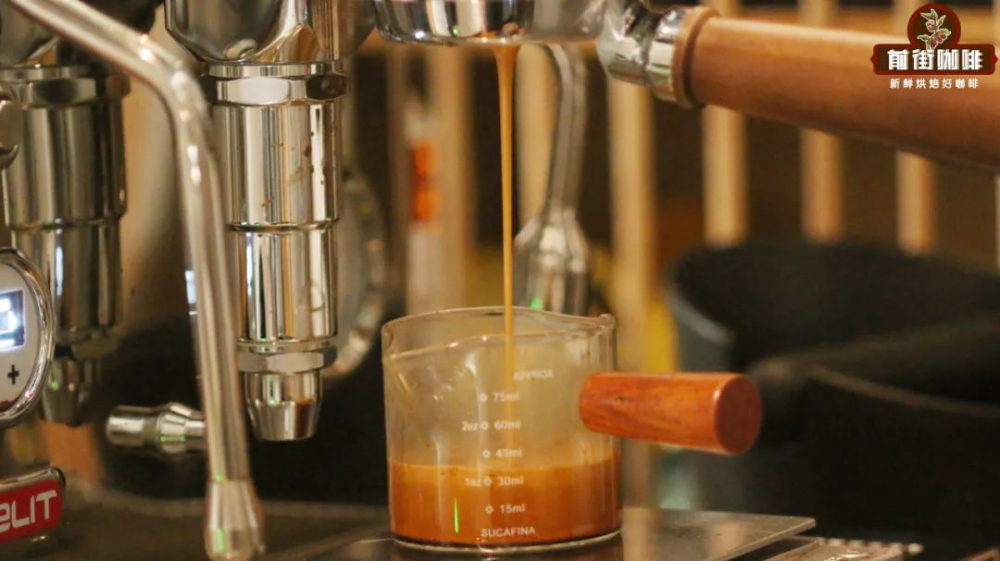
When making a shot of espresso, we force hot water through a compacted puck of grounds under pressure. Because espresso extraction happens in an extremely short time, we use a finer grind and hot water to quickly pull the soluble compounds out of the coffee.
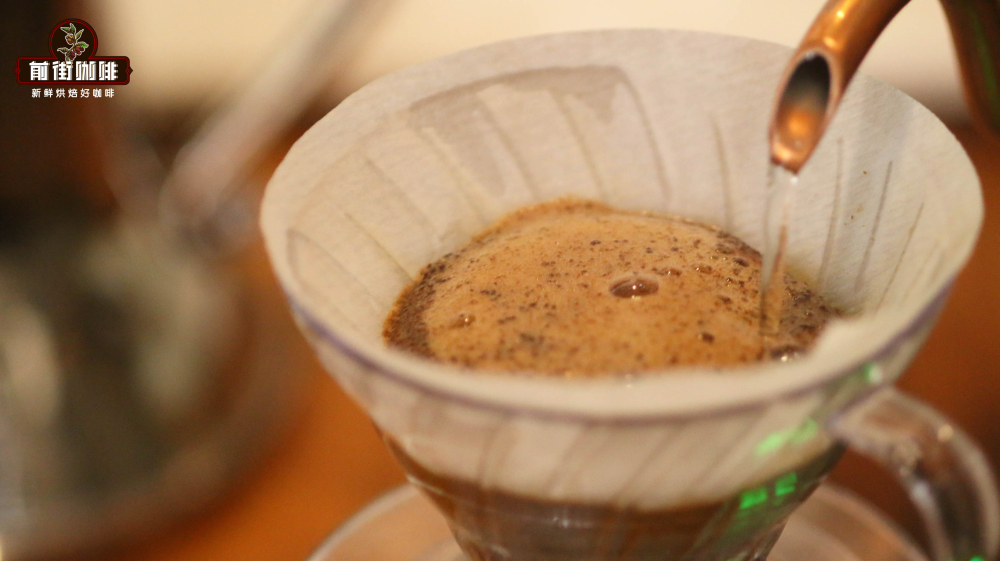
When brewing pour-over coffee at normal temperature and pressure, we need much more water so the grounds absorb sufficient moisture and release their aromatic compounds within a set timeframe.
The Extraction Characteristics of SOE
With a blend, different origins are mixed together and, at deeper roast levels, the flavor profile becomes balanced and rounded, which also makes extraction more stable. SOE, by contrast, exists to showcase origin character, so the roast is typically not too dark. That makes lightly roasted SOE harder to extract, and you will need to adjust your parameters to raise extraction yield — extending the extraction time, raising the water temperature, grinding finer, or increasing the dose.
All single-origin roasting must consider how to present the region's unique terroir and the bean's inherent aromatics. Yirgacheffe should deliver fresh, bright citrus and lemon acidity; Blue Mountain should offer sweet dark chocolate and caramel aromas. SOE should express its origin's characteristic flavor profile just the same — otherwise, making single-origin espresso loses its point. Roasted too dark, the flavor is masked by heavy roasting compounds; roasted too light, it easily under-extracts into sharp acidity and a thin cup.
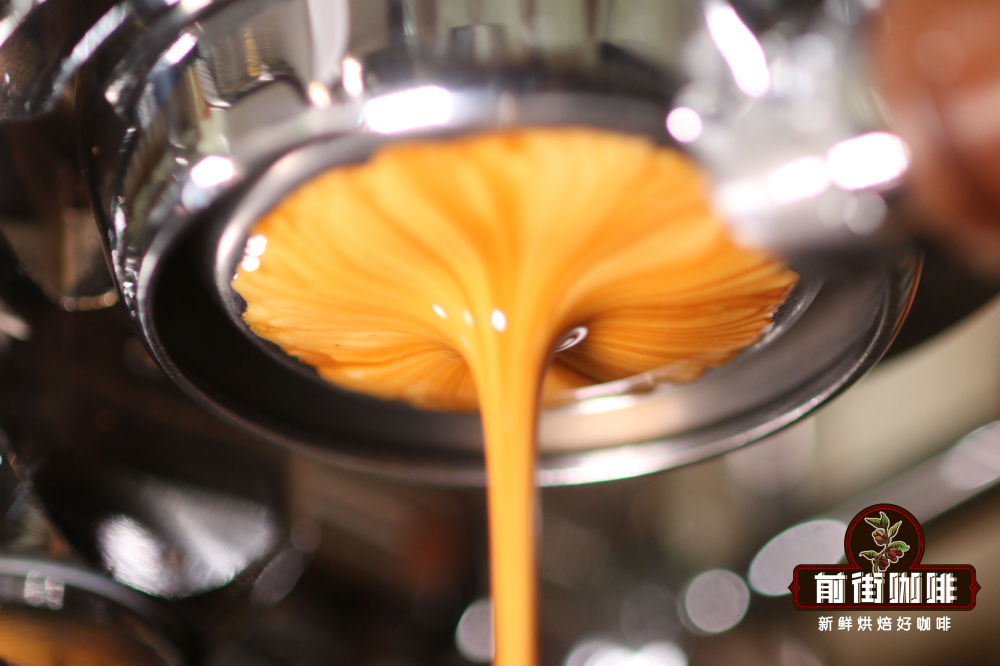
Espresso amplifies whatever a coffee has to give. The bright, moderate acidity of a pour-over can turn sharp in espresso, while a pour-over's rich body can turn quite bitter. Because the extraction methods differ, the roast level needs adjusting accordingly — or you can choose beans roasted to a moderate level that express rich layers in pour-over yet still work as SOE, where extraction amplifies their aromatics.
Which Coffee Beans Are Recommended for SOE?
The first requirement for a good cup is high-quality beans, and beans chosen for SOE should be quality single-origin lots. FrontStreet Coffee's roasting philosophy is "freshly roasted good coffee": every bag we ship is roasted within the past 5 days. Using our own bean list as an example, here are the coffees we consider suitable for SOE.
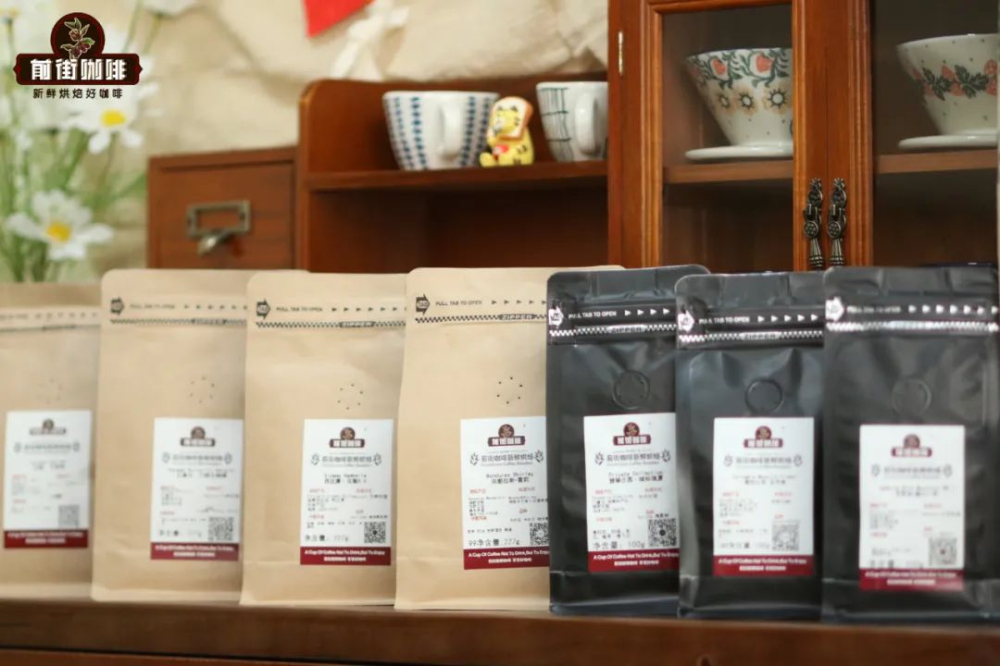
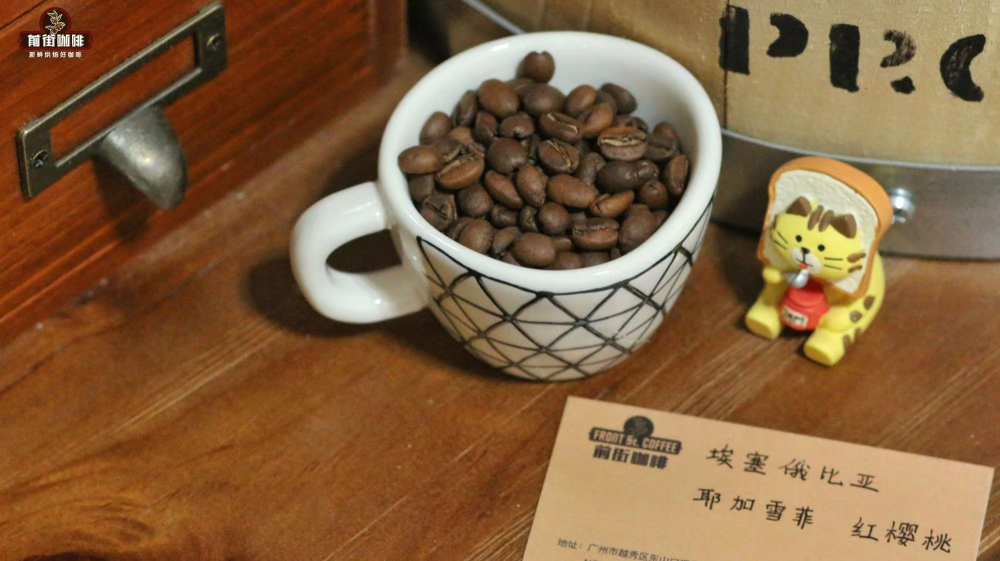
1. Natural Process Yirgacheffe Red Cherry Coffee Beans
This bean already shows very high sweetness and intense fruit aromas as a pour-over. Pulled as espresso (with a grind adjustment), it produces fine, light-yellow crema, a sweet berry fragrance, sweet-sour berry and caramel notes, and a clean mouthfeel. Combined with steamed milk, it turns honey-sweet.
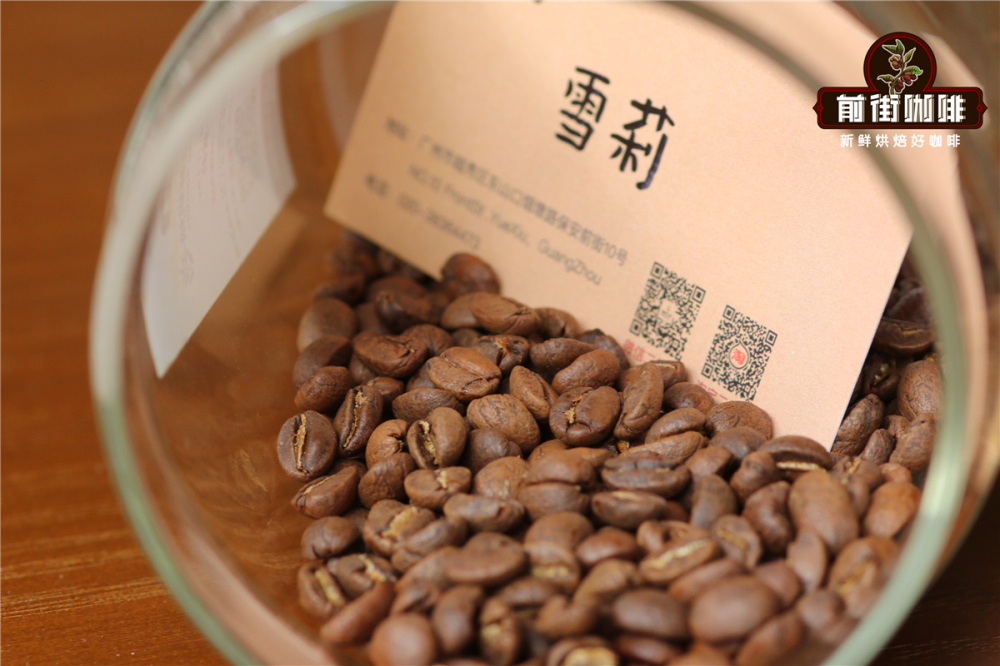
2. Honduras Whiskey Barrel-Aged Sherry Coffee Beans
The medium roast gives the coffee roasted aromatics while preserving its berry acidity. As SOE it highlights vanilla biscuit and whiskey notes, and with milk it offers a chocolate-cream smoothness and captivating fragrance with an overall very soft mouthfeel. FrontStreet Coffee's Sunflower Warm Sun blend combines Sherry and Red Cherry in a 7:3 ratio, folding whiskey aroma, fruity sweetness and tartness, and the smoothness of chocolate milk into one cup.
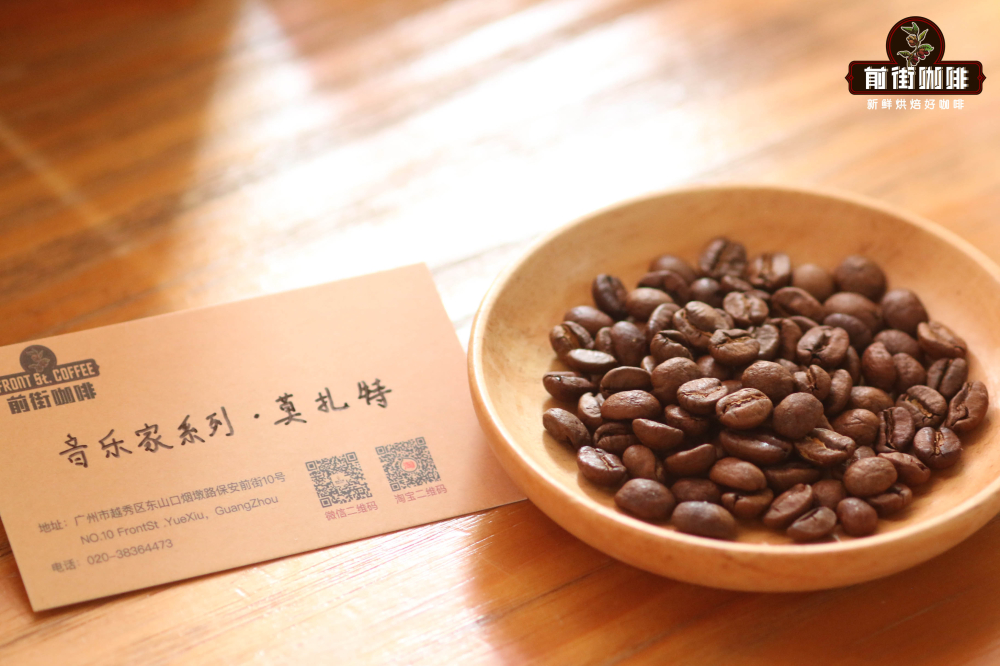
3. Costa Rica Musician Series Mozart Coffee Beans
In anaerobic honey processing, the beans retain their mucilage layer for closed fermentation before drying, maximizing sweetness. As a pour-over this coffee shows rich rose florals and the high sweetness of raisins; as SOE it presents rich tropical fruit and fermented flavor notes.
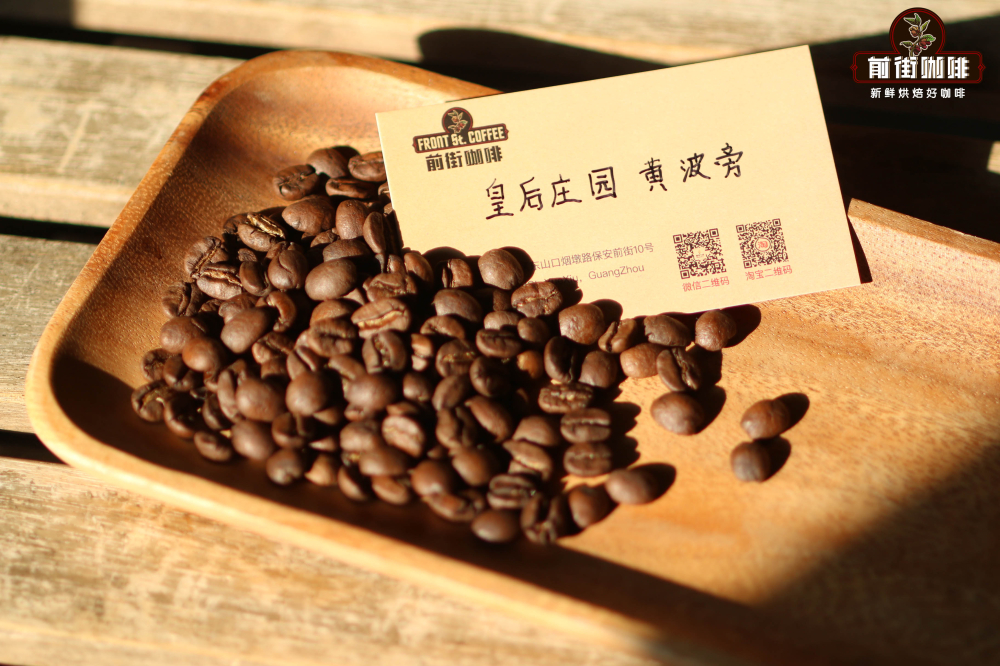
4. Brazil Queen Estate Yellow Bourbon Coffee Beans
If the previous beans aren't to your taste, consider this Queen Estate coffee from Brazil, the world's largest coffee producer. Its medium-dark roast presents rich nutty, creamy, and peanut aromas with a sweet chocolate aftertaste. The extracted SOE has beautiful, dense crema and makes an aromatic milk-based coffee.
FrontStreet Coffee Recommendation
For bright, floral-tasting pour-over on a V60, start with our washed Yirgacheffe Guodingding — the classic gateway into specialty coffee, with vivid citrus, berry, and floral notes and a green-tea-like sweetness that is gentle rather than harsh. For bigger tropical fruit, our natural Ethiopia Huakui brings strawberry, passion fruit, jackfruit, and even lychee aromatics with very low bitterness, and our Strawberry Candy, built around Geisha character, adds a raisin-like richness; all of these floral-fruity coffees are ideal matches for the V60's fast, expressive extraction.
If you want one bean that does both pour-over and SOE, Brazil Queen Estate Yellow Bourbon is our pick: very low acidity, a smooth and balanced body, dense nut and cocoa aromas with clear caramel sweetness, and outstanding crema — equally at home in a dripper, an espresso machine, or a moka pot, and a dependable everyday base coffee at a friendly price.
Important Notice :
FrontStreet Coffee is a long-established specialty coffee roaster in Guangzhou China, selling freshly roasted beans from its own farm in Yunnan as well as dozens of carefully selected single-origin beans from around the world for both pour-over and espresso. The products deliver consistently excellent quality and great value, with shipping within 24 hours. Guangzhou's FrontStreet Coffee shop is recommended by many coffee lovers, and the beans are now available online at the Tmall 。
FrontStreet Coffee has moved to a new address:
FrontStreet Coffee Address: 315,Donghua East Road,GuangZhou
Tel:020 38364473
 Scan and follow the En Gafei WeChat official account. Please indicate that the reprint comes from "En Gafei".