What Makes Rwandan Coffee Special - An Introduction to Rwandan Coffee Regions, Flavor Characteristics and Profiles

In October 2020, McCafé announced a brand upgrade, pledging to invest 2.5 billion yuan in coffee over the following three years-news that drew wide attention in the coffee world. As part of that upgrade, McCafé also reworked its espresso blend: on top of the original Colombia, Ethiopia, and Brazil components, it added Rwandan beans, with Rwanda taking about 25% of the blend, Brazil 55%, and Colombia and Ethiopia 10% each.
Rwandan coffee was suddenly in the spotlight again. Rwanda may be a small country, but it is far from short on quality coffee, and over recent years its beans have been appearing in more and more cafes. What exactly is the charm of Rwandan coffee? FrontStreet Coffee takes a closer look.
Rwandan Coffee
Rwanda sits in central Africa, a textbook landlocked country surrounded by neighbors that are all major coffee producers. In the early 20th century, Rwanda fell successively under German and then Belgian colonial rule, and it was German missionaries who first introduced coffee.
Under the colonial regime, production expanded substantially, but forced labor, suppressed coffee prices, and heavy export taxes kept bean quality less than ideal-a common story in commercial coffee of that era.
Only after independence, and the founding of the country's first official coffee organization, OCIR, did attention slowly turn to bean quality. Rwandan coffee production grew steadily from the 1960s through the 1980s and reached an unprecedented peak in 1986. Then, in the early 1990s, as domestic stability collapsed (the Rwandan Genocide), the coffee industry stalled.
Today Rwanda has regained its vitality. By any measure-urban development, public safety, the friendliness of its people, its cleanliness-it is an "atypical" African country, and it is now widely regarded as the safest country in Africa. In the "2017 World's Safest Countries and Destinations" ranking, Rwanda placed ninth among all nations worldwide, the only African country in the top ten.
Rwanda is a developing country built mainly on agriculture and animal husbandry, which engage 92% of its population. Coffee and tea are its principal cash crops, and one in every 30 Rwandans works in a coffee-related industry.
The COVID-19 pandemic hit Rwandan coffee sales hard. To help farmers through the difficulties, on May 14th, Alibaba's live-streaming star Viya featured Rwandan Gorilla's coffee beans and sold a full year's worth of inventory in one second.
Rwandan Coffee Growing Environment

As noted above, Rwanda is landlocked, bordered by Burundi to the south, Tanzania to the east, Uganda to the north, and Congo to the northwest.
Its nickname, the "Land of a Thousand Hills," comes from layer upon layer of mountains-five volcanoes alone. Beyond the mountains there are 23 lakes and countless rivers, providing abundant water resources.
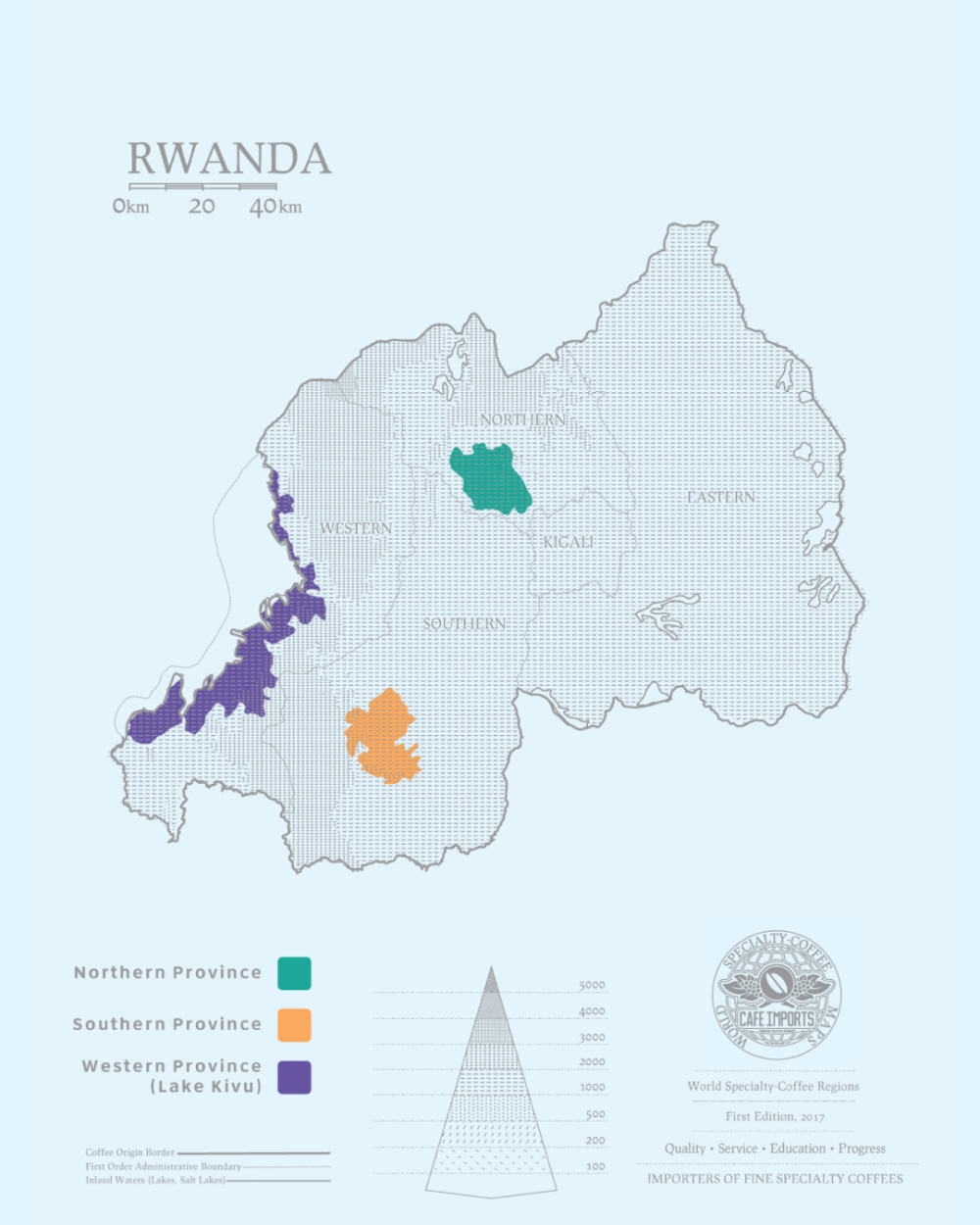
Rwanda has a temperate, tropical highland climate with average temperatures of 24.6-27°C-cooler than typical equatorial countries. Coffee grows in the western mountains, where temperatures run lower than the eastern lowlands and daily swings are wider. Lake Kivu in the north, for example, sits at an average altitude of 1463 meters with an average daily temperature of 22°C. Combined with fertile volcanic soil, these conditions are ideal for coffee.
Rwandan Coffee Varieties
Common Rwandan varieties include Bourbon, Caturra, and Catuai. FrontStreet Coffee finds all three share a similar Bourbon flavor profile, reminiscent of citrus and nuts.

Properly cultivated Bourbon shows excellent sweetness; Caturra is a natural Bourbon mutation that out-yields it and allows closer planting; and Catuai yields even more while resisting disease, wind, and rain.
Rwandan Coffee Processing Methods
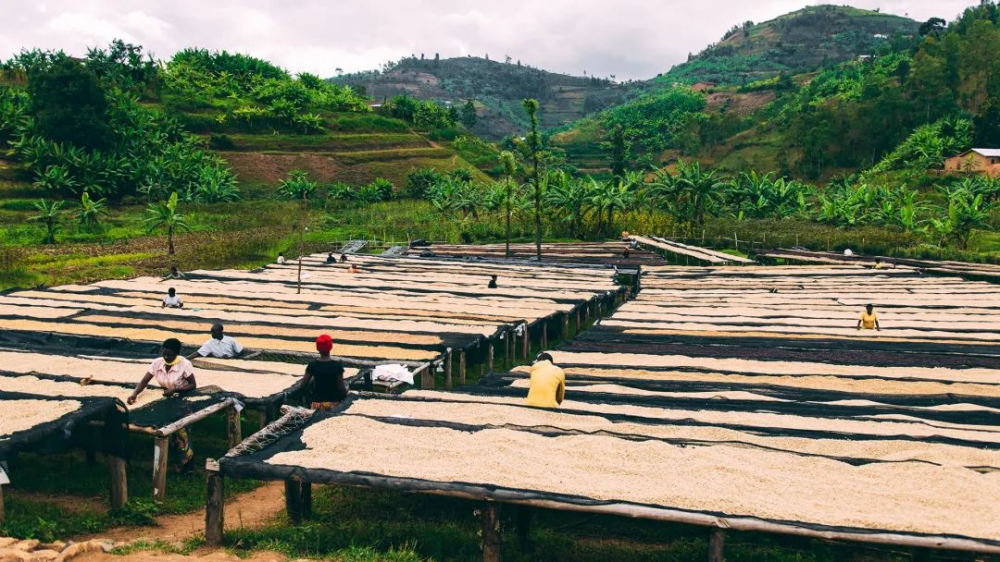
Rwanda processes its coffee mainly by washing. Harvested cherries are floated to remove low-density fruit, pulped, then fermented in tanks with the mucilage still on. Once fermentation is complete, the mucilage is rinsed away with clean water and the beans are dried to a moisture content of about 11% to 13%. FrontStreet Coffee finds washed coffee shows higher acidity, good cleanliness, and stable overall performance.
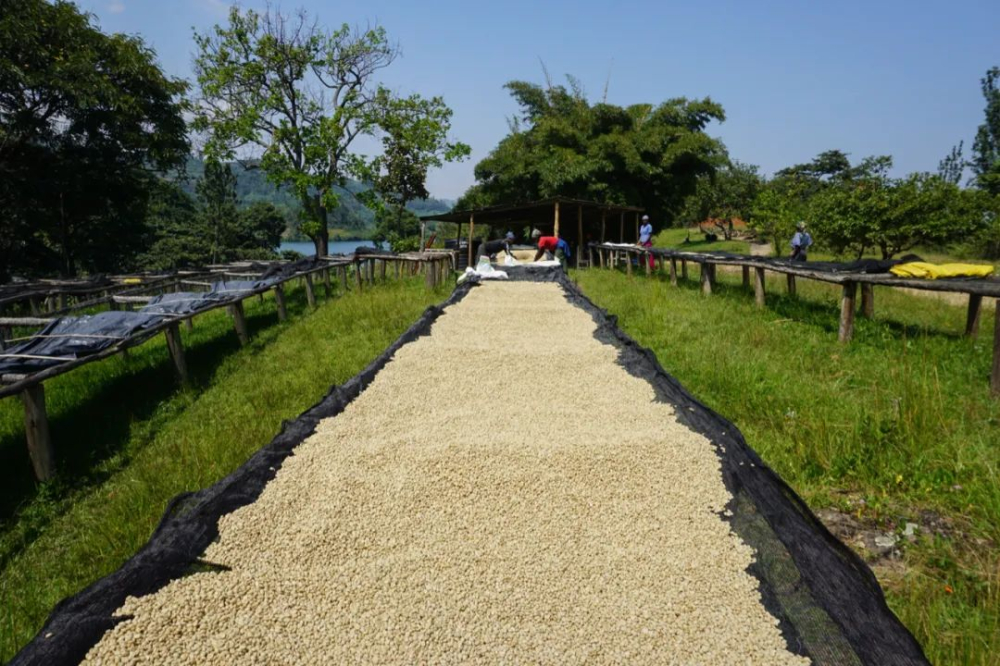
In 2000, still recovering from internal turmoil, Rwanda set out to upgrade its coffee industry. Michigan State University led a team of researchers from institutions including Texas A&M University and the National University of Rwanda to help.
The project was abbreviated as PEARL (full name: Partnership for Enhancing Agriculture in Rwanda through Linkages). PEARL aimed to raise both the quality and quantity of Rwandan coffee and help farmers earn better incomes, creating a virtuous cycle.
Under PEARL, Rwanda built 46 coffee washing stations, and strong coffee exports lifted the national economy meaningfully. It was also the largest and most comprehensive development program Rwanda had seen since independence.
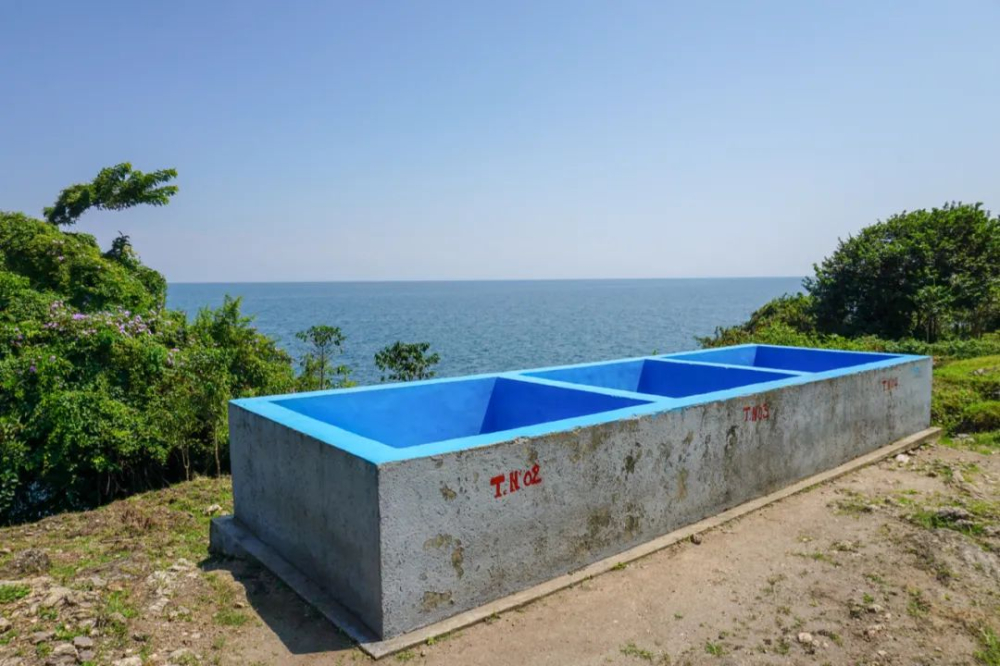
FrontStreet Coffee also believes Rwanda chose washing as its main method for two reasons: first, it delivers stable quality at scale; second, Rwanda has two rainy seasons each year-one from February to May and another from September to December-while the harvest generally runs from March to June, almost exactly overlapping the first rainy season.
Rain helps the trees grow, but it makes drying-dependent methods difficult: natural processing, which takes an average of 3 to 4 weeks, is hard to complete reliably, and its quality is less stable than washed.
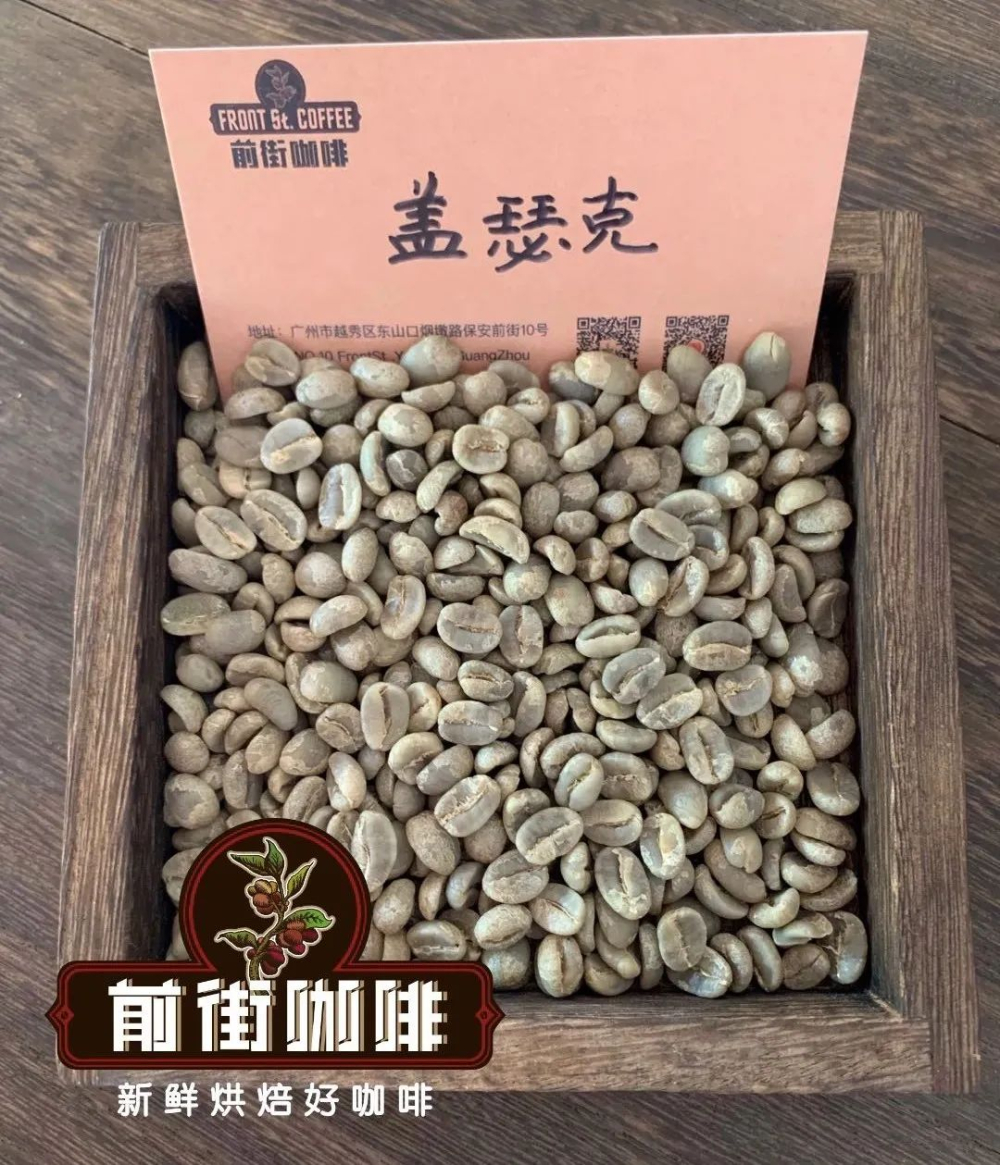
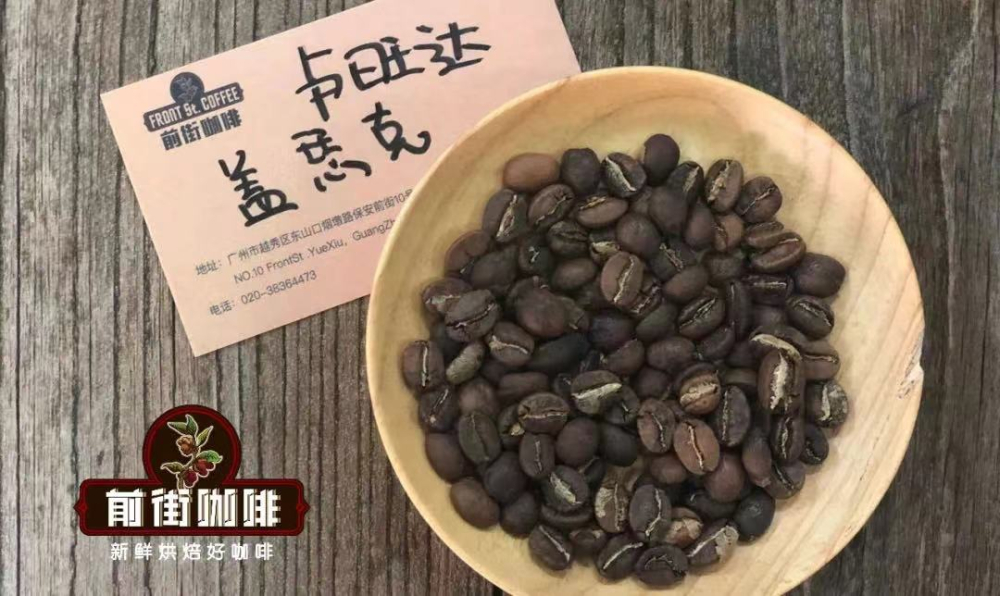
FrontStreet Coffee once carried a washed Rwandan Gishamwanda with the same Bourbon, Caturra, and Catuai varieties. On the cupping table it showed distinct citrus and plum acidity, nuts through the middle and late palate, and a finish laced with honey. As the cup cooled, clear berry flavors emerged, with a smooth body, refreshing aftertaste, and good balance.
Brewing Method
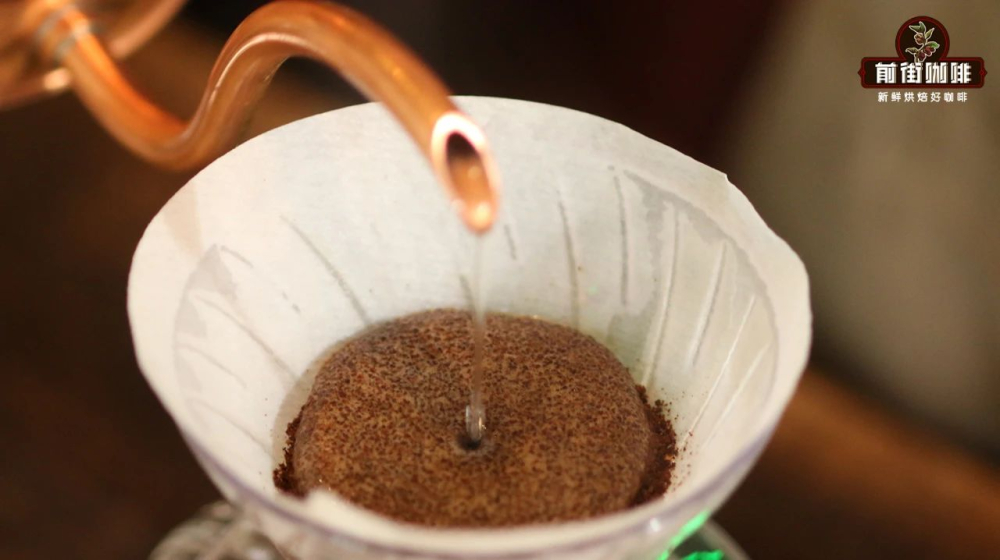
For brewing, FrontStreet Coffee recommends a segmented approach: 15 grams of coffee in a standard V60 cone dripper, water at 90°C, and a medium-fine grind (80% passing through a 0.85mm standard sieve).
Bloom with 30 grams of water for 30 seconds. In the second stage, pour in small circles up to 125 grams and pause. Once the water level falls and the coffee bed is about to show, pour the third stage up to 225 grams and stop. When the bed is about to surface again, remove the dripper (timing from the start of blooming). Total extraction time: 2 minutes.
The cone-shaped V60 heightens the coffee's layers, the 1:15 ratio boosts body and aftertaste, and segmented pouring keeps extraction from running too short while letting you steer the front, middle, and back stages.
Brewed, Rwandan coffee shows distinct fruit acidity and nuts with an overall balance and smoothness. Its berry character is not yet as pronounced as Kenya's, but as an origin that has risen over just the last 20 years, Rwanda still has room to grow, and more of its specialty lots should be reaching the market soon.
- End -
FrontStreet Coffee Recommendation
If Rwanda's gentle Bourbon sweetness intrigues you, it is worth tasting the same family at its most expressive. FrontStreet's Brazil Cerrado Red Bourbon is a classic single origin from one of Brazil's best-known quality regions: roasted medium, it pours out dense aromas of creamy peanut, toasted bread, caramel, and hazelnut, with a round, full cup, no sour edge, and only a whisper of bitterness. Because it adapts to so many methods-pour-over, moka pot, siphon, French press, or straight espresso-it is an easy daily bean. Brazilian coffee's low acidity, balance, and approachable price have also made it the backbone of espresso blends: FrontStreet's Classic Blend, Premium Blend, Black Cocoa Blend recommended by many baristas, and the cafe-focused Commercial Blend all contain Brazilian beans, which contribute chocolate and cream aromas, gentle acidity, sweetness, and bitterness, and a steady, balanced tone that stabilizes extraction.
Important Notice :
FrontStreet Coffee is a long-established specialty coffee roaster in Guangzhou China, selling freshly roasted beans from its own farm in Yunnan as well as dozens of carefully selected single-origin beans from around the world for both pour-over and espresso. The products deliver consistently excellent quality and great value, with shipping within 24 hours. Guangzhou's FrontStreet Coffee shop is recommended by many coffee lovers, and the beans are now available online at the Tmall 。
FrontStreet Coffee has moved to a new address:
FrontStreet Coffee Address: 315,Donghua East Road,GuangZhou
Tel:020 38364473
 Scan and follow the En Gafei WeChat official account. Please indicate that the reprint comes from "En Gafei".