Costa Rican Coffee Bean Flavor Profile and Taste Characteristics | How to Brew Central American Coffee Beans for the Best Taste
Introduction to Costa Rican Coffee
When it comes to Latin American coffee, FrontStreet Coffee believes that fellow enthusiasts will sing the praises of Costa Rican coffee, renowned for its high sweetness, bright acidity, and well-balanced flavor profile.
Costa Rican coffee is typically considered one of the finest-flavored coffees in Central and South America. Costa Rica's coffee growing regions boast high altitudes, pleasant temperatures, and fertile soils, producing high-quality beans. Such is the reputation of Costa Rican coffee that its beans have even featured in Starbucks' Reserve coffee line.

Ideal Growing Conditions
Arabica coffee plants are quite delicate, requiring specific climate conditions to thrive, including high altitudes and moderate temperatures. In the charming Latin American nation of Costa Rica, the mountainous terrain and warm temperatures in the growing regions provide the perfect environment for cultivating the highest-quality Arabica beans.
Costa Rica experiences distinct dry and rainy seasons, with annual temperatures ranging between 17°C and 28°C, creating only about 10°C of temperature variation throughout the year. Over 80% of coffee growing areas sit between 800 and 1,600 meters above sea level, with average annual rainfall between 2,000-3,000 millimeters.
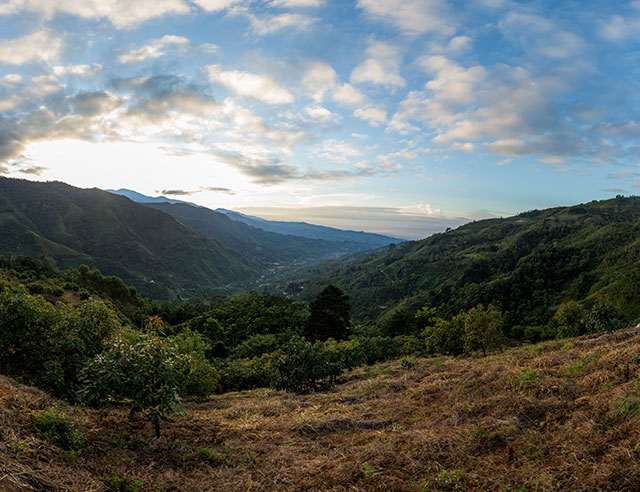
Heavy rainfall and high altitudes create ideal growing conditions in Costa Rica, along with stunning mountain landscapes. Over 70% of the coffee grows in these lush forests, where elevations vary significantly. All of these factors influence the aroma, body, flavor, and acidity of Costa Rican coffee from different regions. Volcanic ash enriches the soil, supplying oxygen to the beans and resulting in more complex flavors. This diversity and beautiful natural climate make Costa Rica a perfect place for living, tourism, and coffee cultivation.
Coffee Growing Regions
Costa Rica has eight distinct coffee growing regions, each producing coffee with its own unique flavor characteristics. Within the country, different regions feature diverse climates, various microclimates, and extremely high air humidity, bringing significant benefits to the cultivation of different coffee varieties.
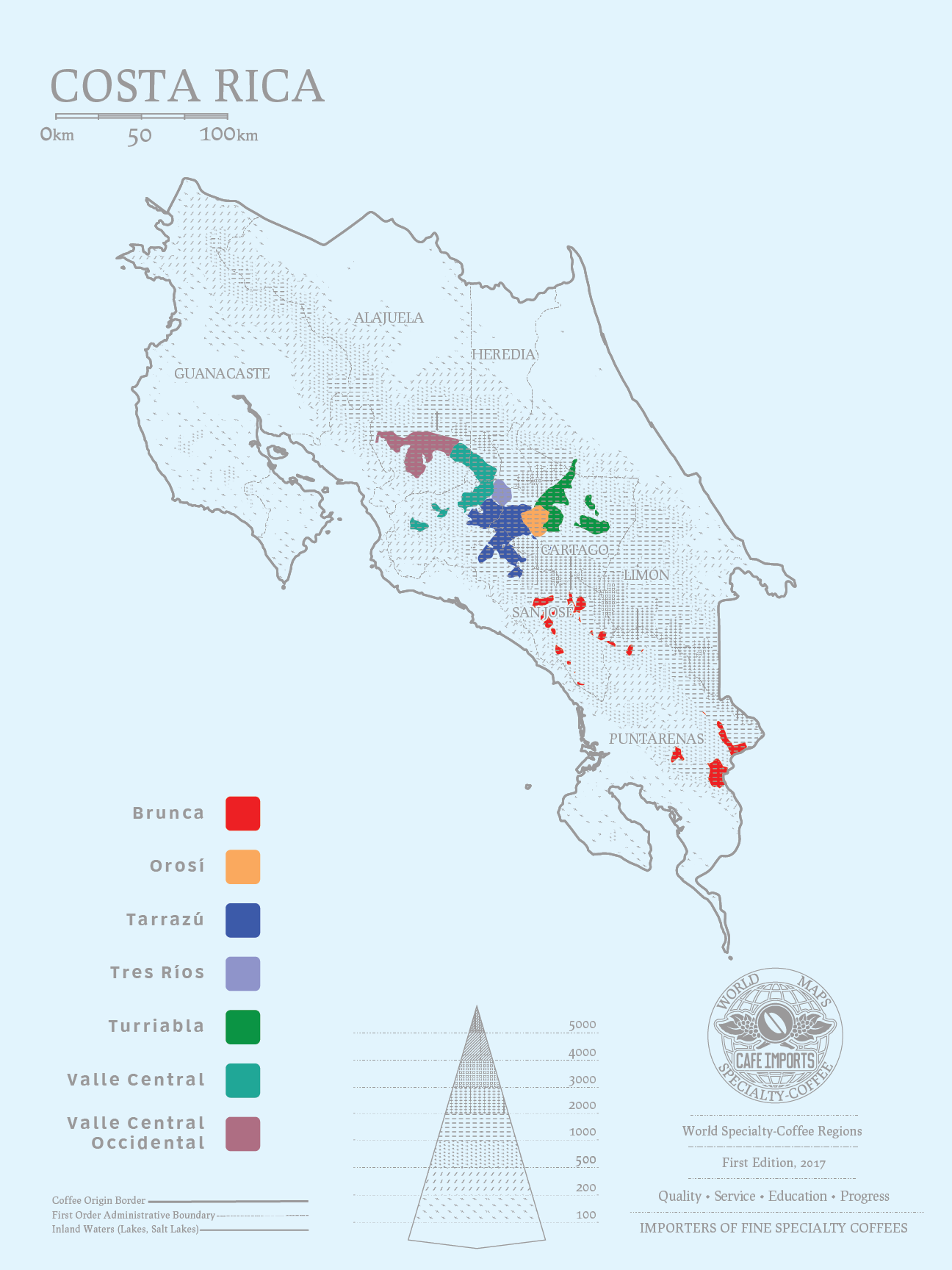
Costa Rica's coffee regions include Brunca, Orosi, Tarrazú, Tres Ríos, Turrialba, Valle Occidental (Western Valley), and Valle Central (Central Valley).
Among these, Tarrazú is one of Costa Rica's most famous coffee growing regions, with coffee from the area known for its acidity and rich aroma. Brunca offers a moderate body, while Valle Occidental is noted for subtle peach and apricot notes. The diversity of climate and humidity brings different flavors to each region, allowing you to enjoy distinctive Costa Rican coffee in eight different ways.

FrontStreet Coffee's Costa Rican Selection
Costa Rican coffee has gained fame for being "sweet as honey," and FrontStreet Coffee would like to recommend a Costa Rican Tarrazú coffee bean so everyone can experience this delightful sweetness. On FrontStreet Coffee's bean list there is a coffee from Mirazu Estate.
About Tarrazú Region
[Tarrazú] The Tarrazú region is one of the highest-altitude coffee growing regions in Costa Rica. Its growing soil is acidic, and most coffee plants in the area have different plants providing shade. Tarrazú beans have a beautiful appearance with a blue-green coloration. Because of the high growing altitude, coffee tree diseases are significantly inhibited, allowing the trees to devote more energy to fruit development. Nearly 95% of the beans produced here are classified as Strictly Hard Bean (SHB grade). Tarrazú coffee flavors tend toward citrus acidity, dried-fruit sweetness, and dominant chocolate notes.

FrontStreet Coffee Costa Rican Strawberry Candy
Region: Costa Rica Tarrazú Region
Estate: Mirazu Estate
Altitude: 1,700 meters
Varieties: Geisha, ET47, SL28, Maico
Processing: Raisin Honey Process
Mirazu Estate owner Esteban Sanches was originally a staff member at La Candelilla Estate, where he gained expertise in coffee machinery and post-harvest processing methods. Later, driven by his own insights into coffee, he left La Candelilla to establish his own estate, naming it Mirazu. In the local language, Mirazu means "overlooking Tarrazú." Esteban Sanches believes that coffee quality begins with the coffee tree itself.
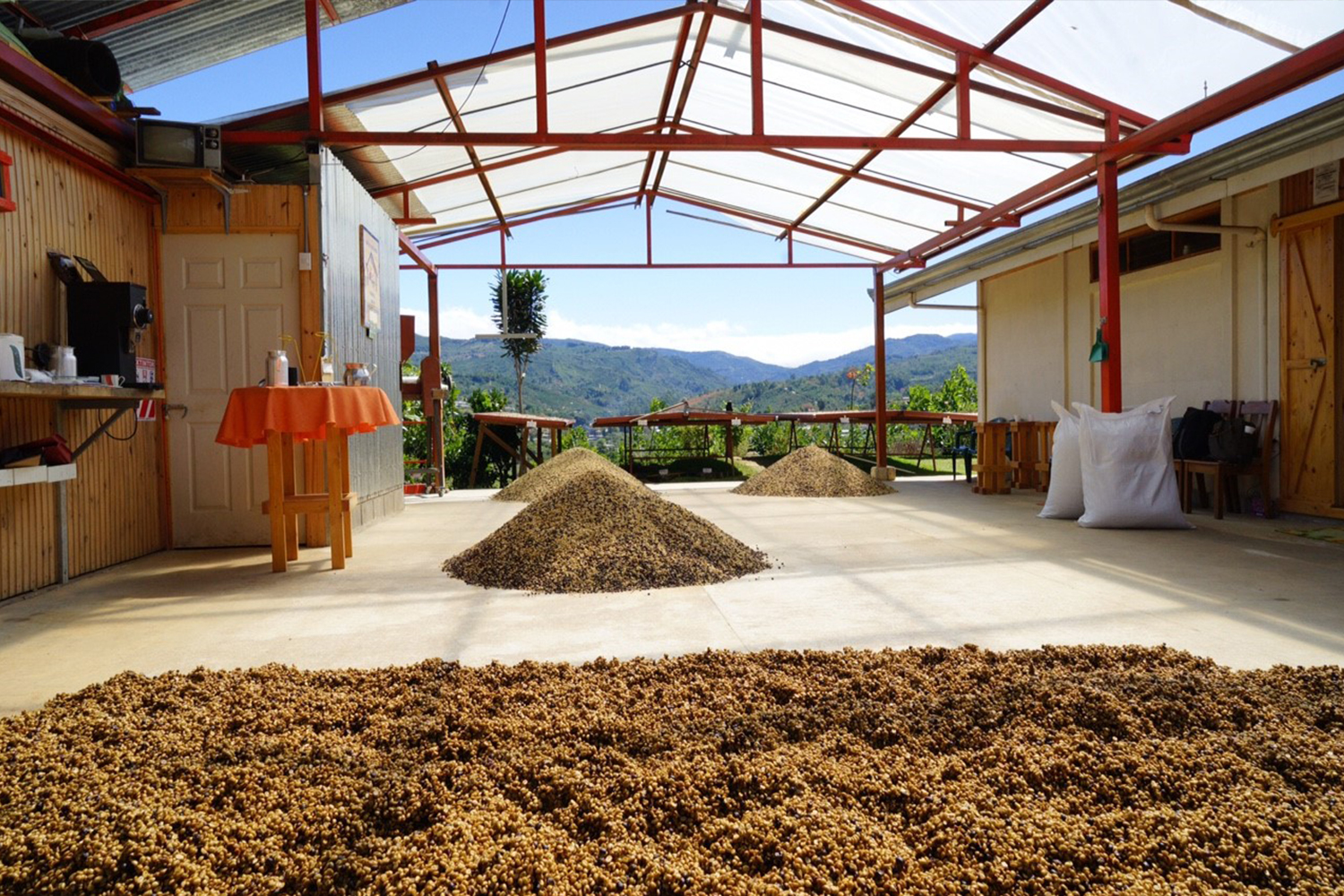
FrontStreet Coffee's Mirazu beans use the raisin honey processing method, in which ripe coffee cherries are dried to a shriveled state, then depulped while preserving the entire mucilage layer before final drying. FrontStreet Coffee has found that raisin honey processed coffee has a richer, more viscous body than regular honey processed coffee, with more persistent aromatics and more intense sweetness.
When FrontStreet Coffee's roasters received these green beans, bearing in mind the need to highlight the intense fruit aromas, floral notes, and strong sweetness of this raisin honey coffee, they opted for a medium roast. When the baristas received the roasted beans, considering the relatively light roast, they decided to brew with a higher water temperature (93°C) and a finer grind (80% pass-through rate on the Chinese standard #20 sieve).

Regular readers of FrontStreet Coffee's articles know that it has two signature drippers: the Hario V60 and the KONO. When brewing with higher water temperatures, the faster-flowing Hario V60 is used to avoid over-extraction from prolonged contact between hot water and coffee grounds. In addition, a three-pour injection method is used to give the coffee more layered complexity.
Dripper: Hario V60
Water Temperature: 93°C
Coffee Dose: 15 grams
Coffee-to-Water Ratio: 1:15
Grind Size: 80% pass-through rate on the Chinese standard #20 sieve
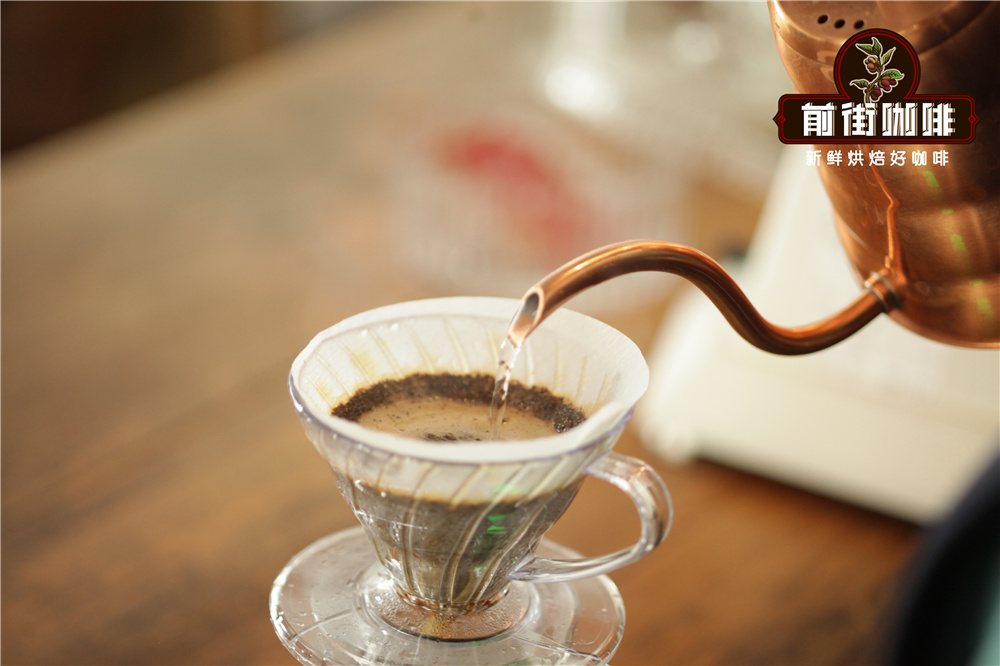
First, pour 30g of water to bloom the grounds for 30 seconds. Then slowly pour in a small circular motion for the second pour until reaching 125g, creating segments. When the water level in the dripper drops to just above the coffee bed, gently continue the slow circular motion for the third pour until reaching 225g. Once all the water has completely dripped into the server below, remove the dripper. Total extraction time should be approximately 2 minutes.
FrontStreet Coffee Recommendation
Costa Rica is prized for that combination of high sweetness and bright, clean acidity, and FrontStreet Coffee's range keeps several lots in that same register. The FrontStreet Ethiopia Flower Queen leads with the tropical-fruit, honeyed side of sweetness, pours out strawberry, passion fruit, and lychee with very low bitterness, and makes an easy, juicy daily cup.
If the floral, citrus aromatics of a Tarrazú cup are what you are chasing, the FrontStreet Panama Red Label Geisha is the estate-level expression of that idea, with elegant jasmine, citrus, peach, and a bergamot-sweet, oolong-tea finish and creamy body. Both are best treated gently, with a light roast and the three-pour method described here.
Important Notice :
FrontStreet Coffee is a long-established specialty coffee roaster in Guangzhou China, selling freshly roasted beans from its own farm in Yunnan as well as dozens of carefully selected single-origin beans from around the world for both pour-over and espresso. The products deliver consistently excellent quality and great value, with shipping within 24 hours. Guangzhou's FrontStreet Coffee shop is recommended by many coffee lovers, and the beans are now available online at the Tmall 。
FrontStreet Coffee has moved to a new address:
FrontStreet Coffee Address: 315,Donghua East Road,GuangZhou
Tel:020 38364473
 Scan and follow the En Gafei WeChat official account. Please indicate that the reprint comes from "En Gafei".