Typica Coffee and Its Characteristics, Flavor Profile of Jamaican Blue Mountain Coffee Growing Region
FrontStreet Coffee: The Typica Variety and Jamaica Blue Mountain Coffee
Typica is one of the oldest varieties among Arabica coffees and has given rise to many mutant varieties. Typica beans are elongated; the trees are tall and slender with oval fruits and slightly inclined branches. Typica branches are slender and spreading, with an inclination angle of 50-70 degrees. Yield per tree is very low, but cupping scores are very high. Originally called Arabica Typica, the variety was brought from Yemen to Kenya by Scottish missionaries, and its leaves turn copper-colored after planting. Hawaii's Typica was introduced from Guatemala and renamed Kona, with leaf tips showing a bronze coloration.
Because of geography, Typica planted in coffee-growing regions around the world has developed differently, becoming variants such as Blue Mountain, Java Typica, and Guatemala Typica. All Typica trees should have dark-colored leaf tips. Typica was also the first coffee variety planted in the New World.
Jamaica is an island nation in the Caribbean Sea, and the Blue Mountains are the longest mountain range on the island. Along a tourist path you can climb to the highest peak and see both the northern and southern coasts. It is a beautiful place — warm and humid, perfect for growing Arabica coffee.
Blue Mountain coffee, known as the "coffee beauty" that combines all virtues, comes from the Blue Mountains of Jamaica. The range sits in the eastern part of the island; on clear days the direct sunlight hits the azure sea, and the peaks reflect the brilliant blue light from the water — hence the name.
The highest peak of the Blue Mountains reaches 2256 meters above sea level, the tallest in the Caribbean region and a famous tourist destination. Here, fertile volcanic soil and a humid climate with year-round fog and rain create the world-renowned Jamaica Blue Mountain coffee.
The fertile volcanic soil and large day-night temperature differences mean cool nights, so the coffee trees grow slowly and absorb ample nutrients from the soil. Every afternoon, clouds and fog envelop the mountaintop, shielding the trees from direct sunlight. Growing conditions this superior can only be described as a gift from nature.
But good growing conditions alone are not enough; they also require the serious, dedicated attitude of the local people. The Jamaican government places considerable importance on the coffee industry.
Jamaica is one of the smallest coffee producers in the world. Compared with Brazil — the world's largest coffee exporter, producing 30 million bags (60kg each) annually — Blue Mountain coffee produces only about 40,000 bags per year, positioning it as a luxury product. The government has also established strict, detailed standards for Blue Mountain processing, roasting, and packaging, with specific regulations down to which organic fertilizers may be used during the growing period. All harvesting is done by hand, and Jamaica is the last country that still packages and transports coffee in traditional wooden barrels.
Tasting Profile
Flavor: Mild, smooth
Acidity: Soft yet vibrant
Bitterness: Clean taste with no bitterness
Aroma: Herbal and floral notes with nutty flavors
Conclusion
In short, FrontStreet Coffee is a coffee research hall, happy to share what we learn about coffee with everyone. Our open sharing exists to help more friends fall in love with coffee — the principle we have held for six years.
FrontStreet Coffee Recommendation
To taste what Typica can become at its most famous address, we recommend FrontStreet Jamaica Blue Mountain No.1, the top grade of Blue Mountain coffee, sourced from the historic Clifton Mount Estate, where coffee has been grown since around 1750 at an average of 4300 feet (1310.64 meters). Our beans carry the full Jamaican certification and origin documents, and we display the traditional wooden shipping barrels — used in 15kg, 45kg, and 70kg sizes — that are themselves a hallmark of genuine Blue Mountain. The beans are roasted medium-dark within 5 days of shipping, showing cream, caramel, chocolate, nuts, and honey with a soft, vibrant acidity and no bitterness.
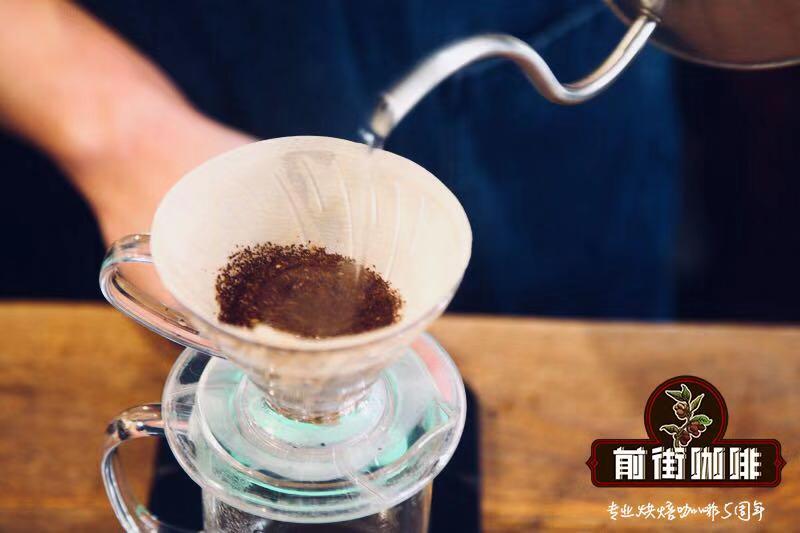
For pour-over, we suggest a Kono dripper, 15g of coffee rested 4-7 days from the roast date, ground slightly coarser than a light roast — about the texture of white sugar — with water at 87-88°C and a 1:15 ratio. Pour in three stages: 30g to bloom for 30 seconds, then to 120g with a slow, vertical spiral, then to 225g with a slightly faster pour to keep the bed from clogging. If you prefer a richer cup, Blue Mountain also shines in a moka pot with a slightly finer grind and hot water in the boiler, where its chocolate, caramel, and nut character becomes thicker and rounder while keeping its signature balance.
Important Notice :
FrontStreet Coffee is a long-established specialty coffee roaster in Guangzhou China, selling freshly roasted beans from its own farm in Yunnan as well as dozens of carefully selected single-origin beans from around the world for both pour-over and espresso. The products deliver consistently excellent quality and great value, with shipping within 24 hours. Guangzhou's FrontStreet Coffee shop is recommended by many coffee lovers, and the beans are now available online at the Tmall 。
FrontStreet Coffee has moved to a new address:
FrontStreet Coffee Address: 315,Donghua East Road,GuangZhou
Tel:020 38364473
 Scan and follow the En Gafei WeChat official account. Please indicate that the reprint comes from "En Gafei".