Is Mandheling Coffee Black Coffee? Flavor Characteristics and Origin Information of Mandheling Coffee Beans
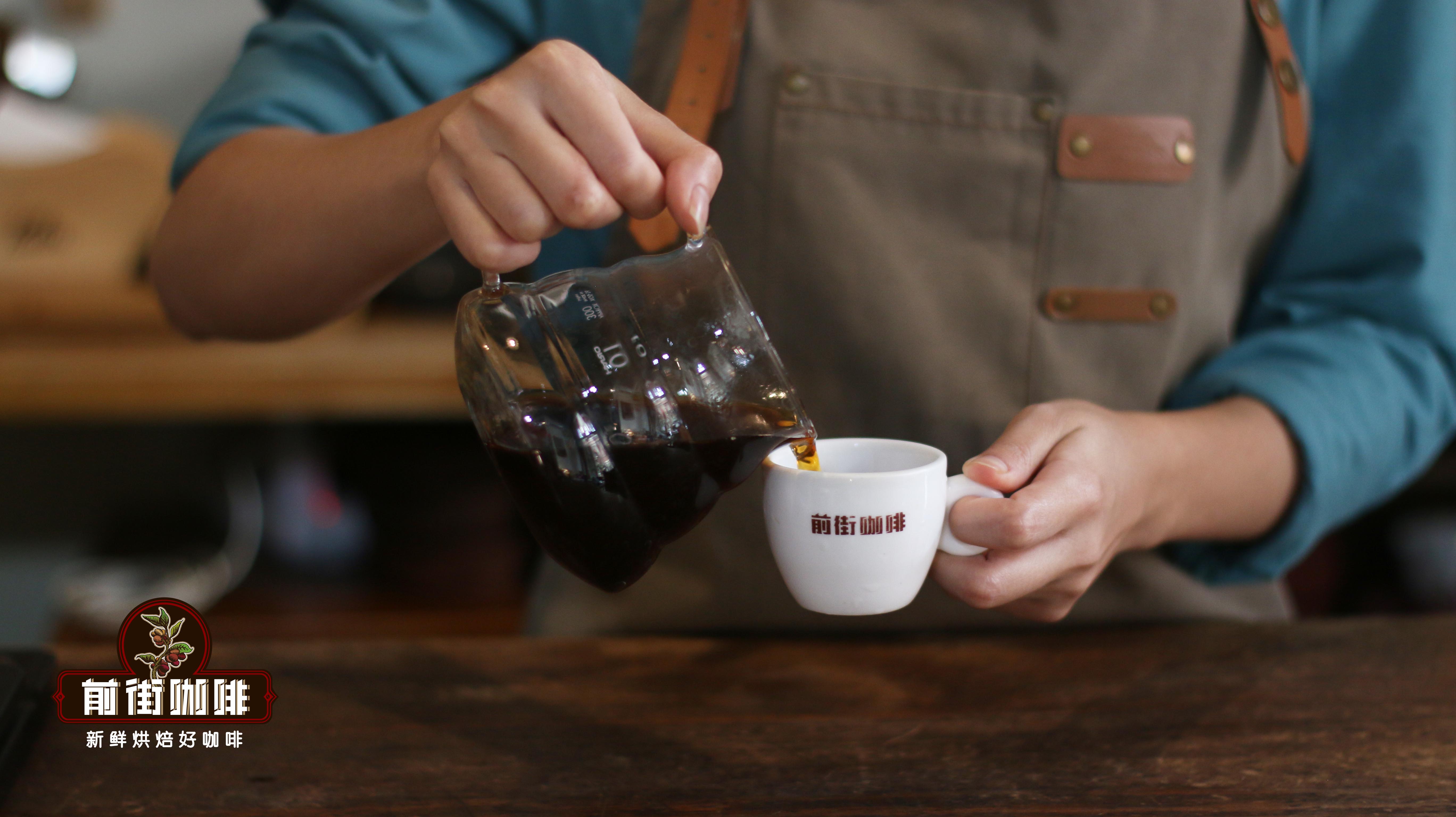
Black coffee means pure coffee with nothing added — no sugar, no milk. Served that way, coffee lets you taste its fragrance, sweetness, richness, acidity and bitterness most clearly. The most common black coffee at FrontStreet Coffee's shops is pour-over, made from different specialty beans to present different profiles. Long before Blue Mountain became world-famous, there was a Mandheling from Indonesia that stood for excellent coffee in the minds of many enthusiasts.
Mandheling, Also Known as Sumatran Coffee
What sets Mandheling apart is its herbal, plant-like aroma. Like any fruit or vegetable, coffee is an agricultural product, and its flavor is bound up with variety, climate, altitude, soil and farm management. It is a direct expression of the variety and its terroir, which is why processing and roasting should aim to preserve, restore and present those flavors as faithfully as possible. Mandheling's distinctive character is inseparable from the island of Sumatra.
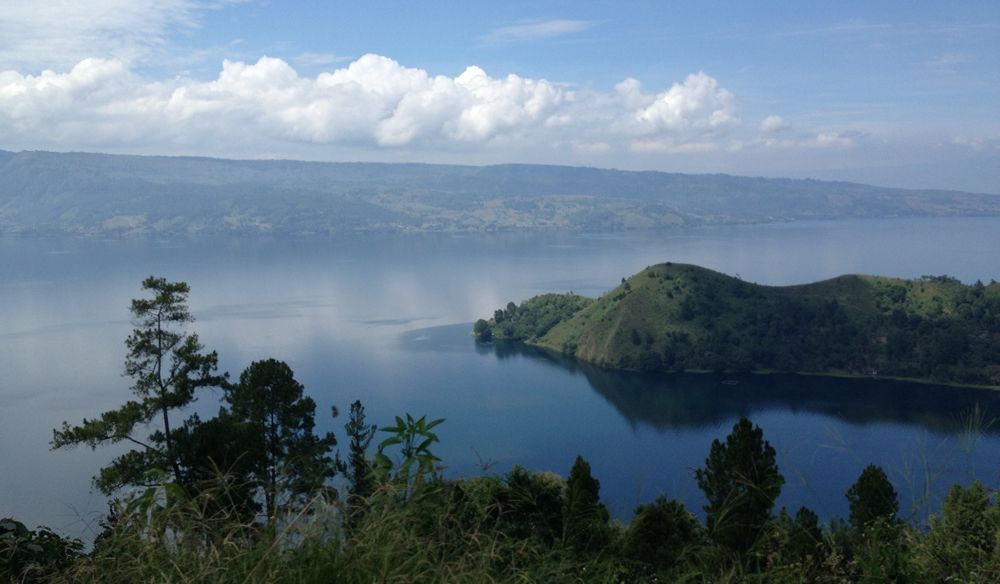
High-quality Mandheling comes from Sumatra, Indonesia, with the northern part of the island most famous — the Aceh province in the northwest and North Sumatra province in the center, mainly around two well-known lakes, Lake Tawar and Lake Toba. The tropical rainforest climate brings abundant rain, humid air and clouds that wrap the forests, and it is this environment that gives the coffee trees of the region their strong herbal aroma.
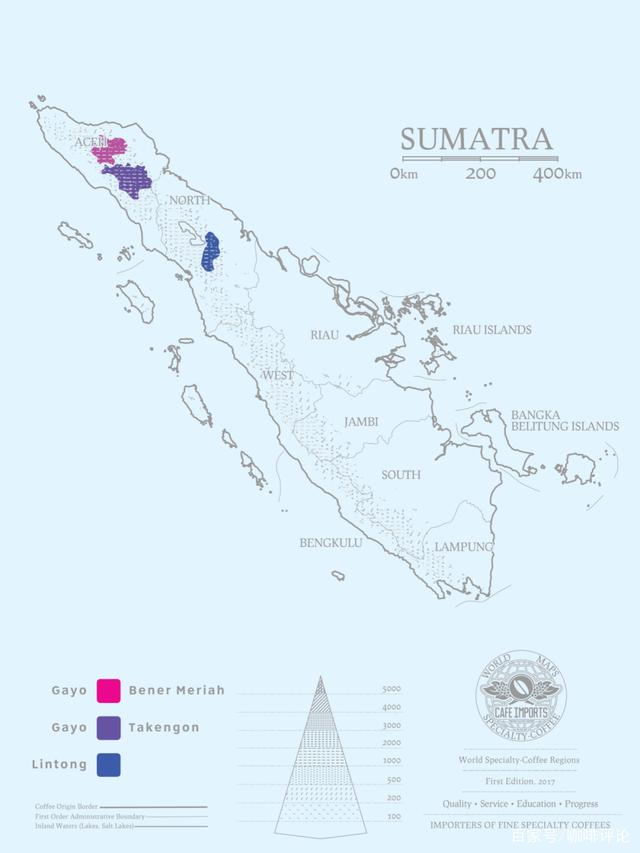
Sumatra is divided into eight provinces, and only the high-altitude Aceh and North Sumatra provinces grow Arabica on a large scale. Classified as tropical rainforest, the mountains and forests are often shrouded in cloud and rain, giving the island a mysterious quality. Locals plant coffee around the two great volcanic lakes, Lake Tawar and Lake Toba. The Gayo Mountains around Lake Tawar offer ideal growing conditions and are widely farmed organically; combined with a long history of cultivation, this gives the region higher quality and yield. That is why so many green-coffee merchants pay it close attention, including the well-known local Pwani Coffee Company (PWN).
Mandheling Varieties
Indonesia grows many coffee varieties. Originally the country planted Typica, prized for its excellent flavor and introduced by the Dutch at the end of the 17th century, known locally by names such as Bergendal and Sidikalang. In 1877, nearly all coffee trees in Indonesia were hit hard by leaf rust, and large areas of Typica withered.
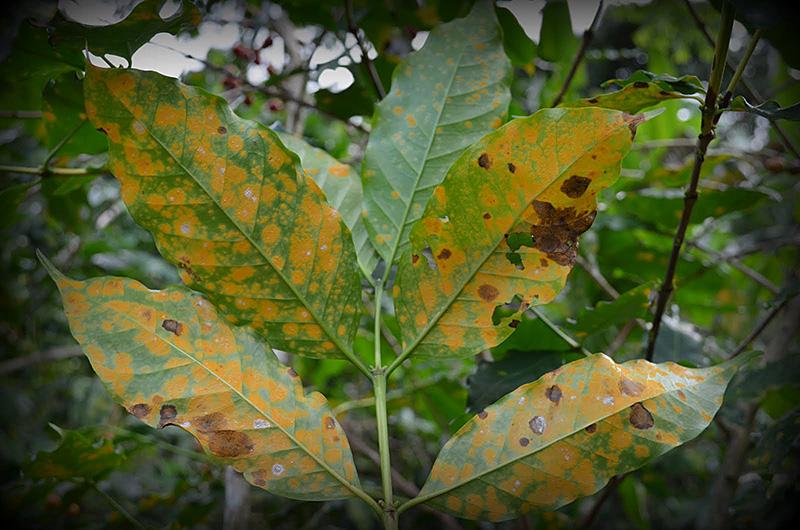
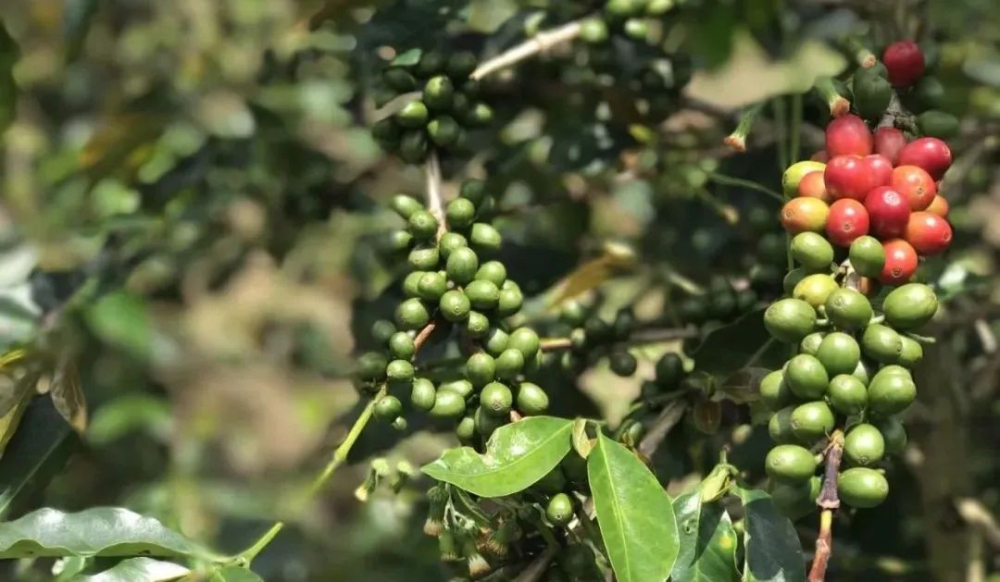
To solve the problem, the Indonesian government introduced more disease-resistant Robusta varieties from Africa and elsewhere, and Robusta remains the country's main variety to this day. To raise output, Indonesia continued importing resistant varieties, including Caturra, Catimor, Timor, Typica, S288, S795 and Sidikalang. Among them, the Timor hybrids (Tim Tim, Bor Bor) and the Catimor series (Ateng) — crosses of Robusta and Arabica — resist disease well and have adapted to Sumatra's terroir, presenting a distinctive fir-like aroma. Today Ateng and Tim Tim together account for 70% of Sumatra's coffee. FrontStreet Coffee's Indonesian Lindong Mandheling daily bean is a blend of Tim Tim and Ateng, while the Golden Mandheling is selected from Ateng.
The Wet-Hulled Mandheling Flavor
Anyone who drinks Mandheling often knows the wet-hulled process. Wet-hulling is far shorter than washing: traditional washed processing takes 1-3 weeks, while wet-hulling can complete the whole sequence in just a few days. The method removes the skin and pulp, ferments briefly, dries the beans, strips the parchment layer while the beans are semi-dry, then continues drying; once moisture reaches 12%, the coffee can be bagged, sorted and graded.
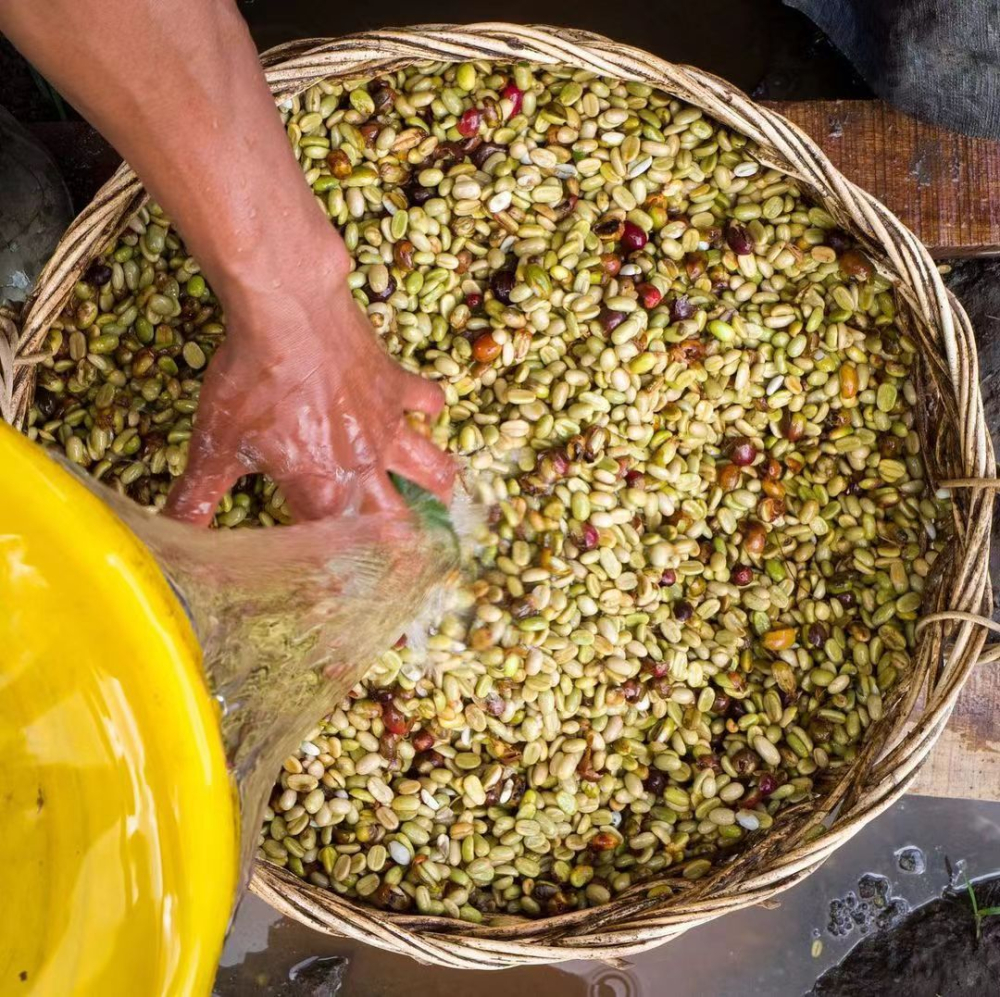
Fast as wet-hulling seems, without strict control it is extremely vulnerable to moisture and mold in Indonesia's hot, humid climate. Yet beyond Sumatra the method is also widely used in Sulawesi and Papua New Guinea. Indonesia's tropical rainforest climate keeps air humidity as high as 70-90%, which makes the long sun-drying used elsewhere impossible, and washing costs too much. Farmers had little choice but to develop this semi-washed method. Although every step is shortened, green beans without their parchment layer keep absorbing moisture from the humid air, which leaves Mandheling with heavier woody, herbal and spicy aromas — now a signature of Indonesian growing regions.
Wet-hulling gives Indonesian coffee its unique profile, but the rough handling also raises the defect rate. To meet export grade, the beans must be screened to remove uneven particles. PWN has taken that screening to its limit: buying Mandheling green beans above 18 mesh at G1 grade, where a 300g sample contains fewer than 3 defective beans — the highest grade of Indonesian green coffee. From there the company follows strict standards with 1 machine selection plus 3 manual selections of defects, ensuring uniform color, shape and size. That is why PWN Golden Mandheling tastes cleaner and more transparent, with more prominent richness and sweetness. Because PWN has registered the English trademark "Golden Mandheling," only Mandheling produced by PWN can carry the name.
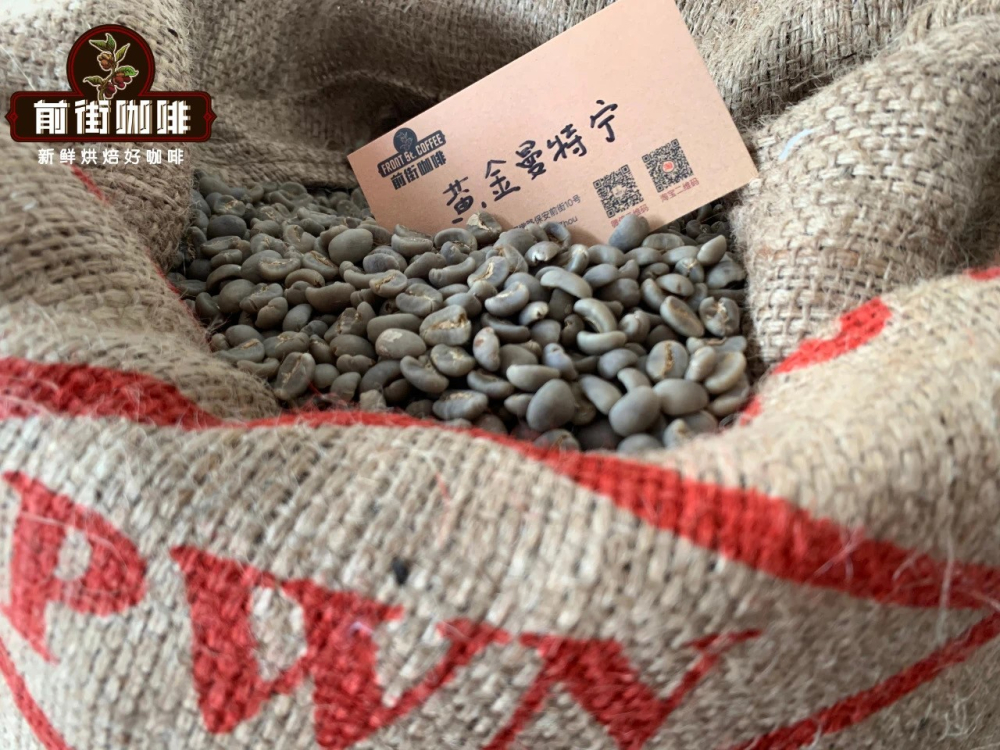
To present the classic Mandheling profile, FrontStreet Coffee uses a medium-dark roast that strips out excessive acidity and plays up richness and balance. In cupping, the Golden Mandheling showed aromas of spice, herbs and pine; rich, bitter notes of caramel, nuts and pure dark chocolate; and a sweet, melon-like aftertaste. It is layered, rich, clean and highly balanced.
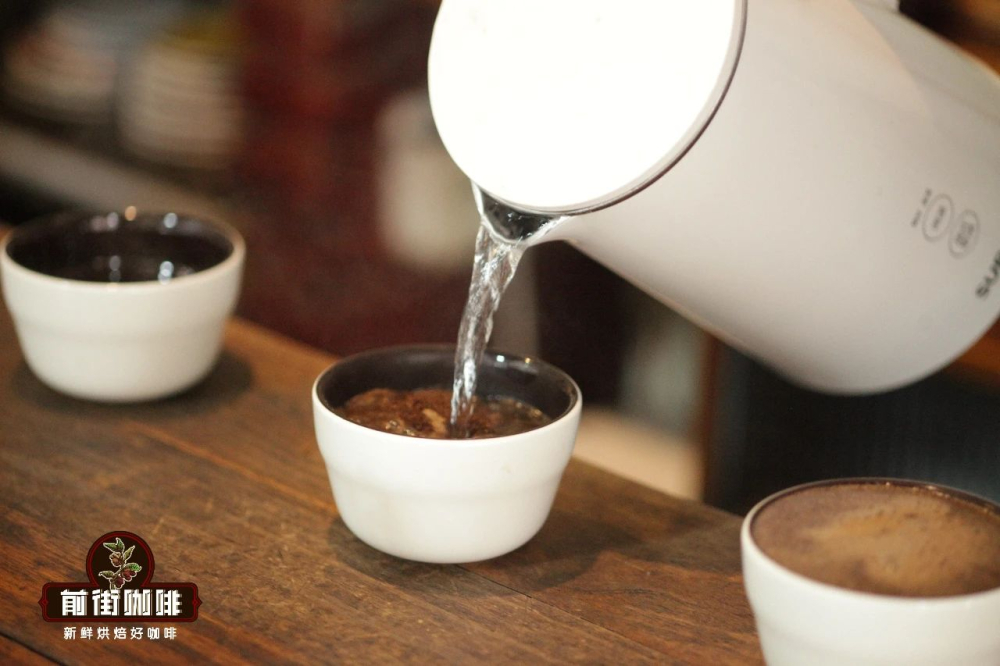
Flavor Characteristics of Medium-Dark Roasted Golden Mandheling
FrontStreet Coffee's flavor descriptions are based on freshly roasted beans. Stored for more than a month, beans lose aroma that brewing cannot restore. Understanding the importance of freshness, the shop ships only coffee roasted within 5 days, so the fullest flavor is there on arrival.
For medium-dark roasted beans FrontStreet Coffee uses different parameters than for a light roast, in order to bring out a richer chocolate profile. Caramelization is greater than in a light roast, and bitter, large-molecule compounds extract more easily. To avoid pulling too much of that, the water temperature is lowered slightly: light roasts brew at 91-93°C, while for medium-dark beans FrontStreet Coffee recommends 87-88°C. The grind is also coarser, paired with segmented extraction in a Kono dripper. The Kono has few ribs and sits low, and the filter paper hugs the wall tightly; this restricts airflow and lengthens the contact time between water and grounds, extracting the coffee fully and rounding out the body.
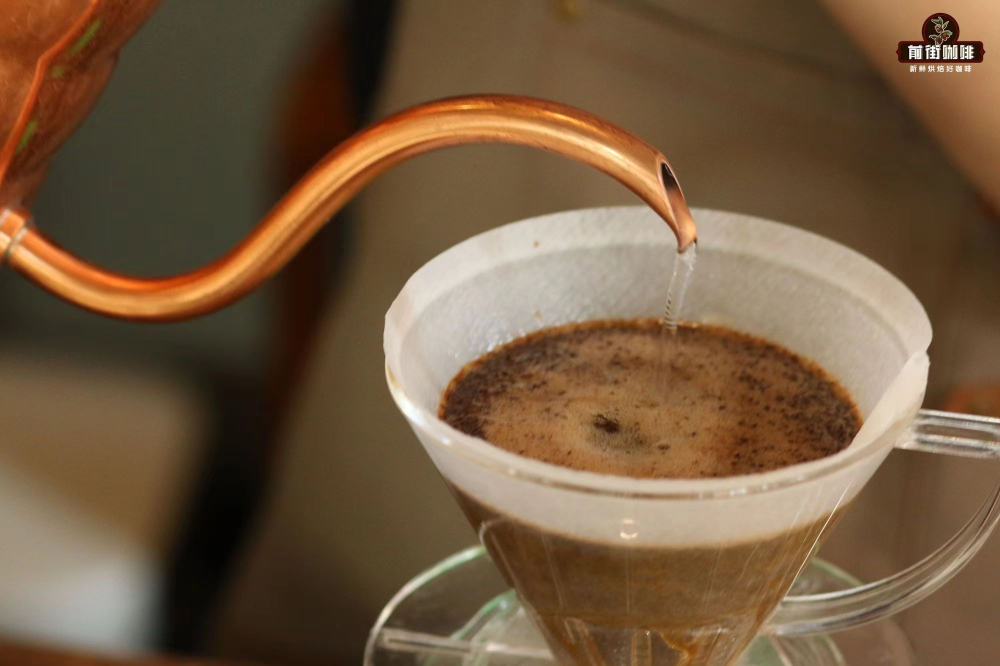
Dripper: Kono Dripper
Water temperature: 88°C
Coffee amount: 15 grams
Coffee-to-water ratio: 1:15
Grind size: 70-75% pass-through rate on a #20 standard sieve
FrontStreet Coffee uses segmented extraction, blooming with 30g of water for 30 seconds. When a thin stream poured in circles reaches 125g, pause for stage separation. Continue to 225g as the water level is about to expose the bed, then stop. When the bed is about to be exposed again, lift the dripper away, timing from the bloom. Extraction time is 2'00".
FrontStreet Coffee Recommendation
For the wet-hulled character this article describes, FrontStreet Coffee's benchmark is the PWN Golden Mandheling. PWN buys Mandheling green beans above 18 mesh, at G1 grade where a 300g sample holds fewer than 3 defects, then applies 1 machine plus 3 manual selections so the beans are uniform in color, shape and size. The result is a cleaner, more transparent cup with stronger richness and sweetness — and because PWN holds the registered "Golden Mandheling" trademark, only its beans carry the name. FrontStreet still publishes the PWN certificate and the branded bags alongside the product, so buyers can confirm authenticity at a glance.
If you prefer a wilder, more traditional Mandheling, FrontStreet's Lindong Mandheling, a daily-drinking lot blending Tim Tim and Ateng, is richer and more pungent, with clove, woody and mint notes and a long, thick sweetness from its medium-dark roast. And if you want that Mandheling depth in milk, the Classic Blend folds medium-dark Mandheling into a Brazil base, adding butter, roasted chestnut and caramel plus a small share of Robusta for extra crema — steady enough to pour latte art or layer a Dirty. FrontStreet roasts medium-dark for these beans and recommends brewing at 87-88°C.
Important Notice :
FrontStreet Coffee is a long-established specialty coffee roaster in Guangzhou China, selling freshly roasted beans from its own farm in Yunnan as well as dozens of carefully selected single-origin beans from around the world for both pour-over and espresso. The products deliver consistently excellent quality and great value, with shipping within 24 hours. Guangzhou's FrontStreet Coffee shop is recommended by many coffee lovers, and the beans are now available online at the Tmall 。
FrontStreet Coffee has moved to a new address:
FrontStreet Coffee Address: 315,Donghua East Road,GuangZhou
Tel:020 38364473
 Scan and follow the En Gafei WeChat official account. Please indicate that the reprint comes from "En Gafei".