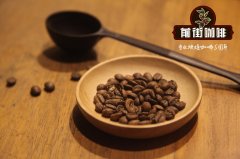
Introduction to El Salvador La Victoria Estate Coffee

FrontStreet Coffee - El Salvador La Victoria Estate Honey Process Introduction
El Salvador La Victoria Estate Honey Process - a honey-processed coffee (sometimes called Sweet Honey Process) from one of Central America's sweetest, richest producing areas.
This time we have found the honey process from El Salvador's La Victoria Estate. The estate sits in the Santa Ana volcanic region, and a combination of natural advantages makes it one of the most outstanding coffee farms in the country. The most important of these is altitude: the estate stands above 1,680 meters, so the coffee trees grow at suitably cool temperatures. It also has rich volcanic ash soil and streams of its own. This lot is the estate's Bourbon honey process, which offers a lovely cane-sugar-like sweetness.
"Honey process" is currently a popular method in Costa Rica and an exceptionally demanding way of handling green coffee. Its distinguishing feature is that the mucilage normally attached to the fruit pulp is left in place, coating the beans. The coffee then ferments naturally and finally takes in the full energy of the sun while it dries, which produces a sweeter, richer cup with flavors reminiscent of molasses.
What makes El Salvador's estate honey process stand out is its distinct orange note, with milk chocolate and almond on entry, caramel sweetness and rich oils.
Among the coffee-growing countries of Central America, El Salvador is the smallest by land area. Its output is far lower than that of its neighbors, but the Pacific sea breeze and the volcanic environment give Salvadoran farmers unusual growing advantages and a wide range of flavor expressions. The Pacamara variety, so often a winner in cupping competitions, was also born in El Salvador.
Among El Salvador's regions, the one with the best soil quality and growing elevation is the Santa Ana Volcano, west of the capital, which rises to 2,381 meters. Santa Ana is still active and erupted in 2005. That year brought significant economic losses and some casualties to local coffee farmers, but the nutrient-rich volcanic ash that followed enriched the soil. Santa Ana is still regarded as one of El Salvador's best producing regions.
Flavor: coffee fruit, dried cranberries, honey and nuts, with a rounded, persistent sweetness.
FrontStreet Coffee Recommendation
Honey processing is the reason this El Salvador lot tastes the way it does, and the same idea - leaving some or all of the mucilage on the bean to ferment and dry - explains a whole family of coffees worth exploring. FrontStreet Coffee's Costa Rica Blackberry, for instance, uses a black honey process in which almost no mucilage is removed, so drying takes longer and runs at least two weeks under shade; the coffee is turned at intervals to keep fermentation even, and after a light-medium roast it grinds with an intense floral fragrance and drinks with grape, berry and ripe blackberry notes.
FrontStreet Coffee's Costa Rica Mozart takes the idea a step further with a raisin honey process, a variation on the classic yellow, red and black honey methods. The cherries are pre-dried on raised beds for at least three days before the skin and pulp come off, and 100% of the mucilage is retained through the rest of the honey process, which makes it harder to control than black honey. The payoff is a richer, fruitier sweetness: brewed as a pour-over, a cold brew or in a moka pot, Mozart shows osmanthus, pineapple and raisin. FrontStreet Coffee's Strawberry Candy blend pairs a Panama Geisha with a Costa Rican raisin-honey coffee for the same reason, adding floral tea notes and dried grape and blueberry on top of a soft fruit acidity and an almond finish.
Because mucilage-heavy coffees carry so much sugar, they can turn muddy if you push them. Keep the grind medium to medium-fine and the pour gentle so the ferment stays in balance, and give the Costa Rican lots a slightly lower water temperature than you would use for a bright washed coffee. If you want the clearest read on the process, brew Mozart or the Blackberry as a pour-over first, then try the same beans cold-brewed to see how the fruit deepens.
Important Notice :
FrontStreet Coffee is a long-established specialty coffee roaster in Guangzhou China, selling freshly roasted beans from its own farm in Yunnan as well as dozens of carefully selected single-origin beans from around the world for both pour-over and espresso. The products deliver consistently excellent quality and great value, with shipping within 24 hours. Guangzhou's FrontStreet Coffee shop is recommended by many coffee lovers, and the beans are now available online at the Tmall 。
FrontStreet Coffee has moved to a new address:
FrontStreet Coffee Address: 315,Donghua East Road,GuangZhou
Tel:020 38364473
 Scan and follow the En Gafei WeChat official account. Please indicate that the reprint comes from "En Gafei".