Top 10 Best Black Coffees Introduction - How to Brew Delicious Geisha Coffee Pour-Over Tutorial
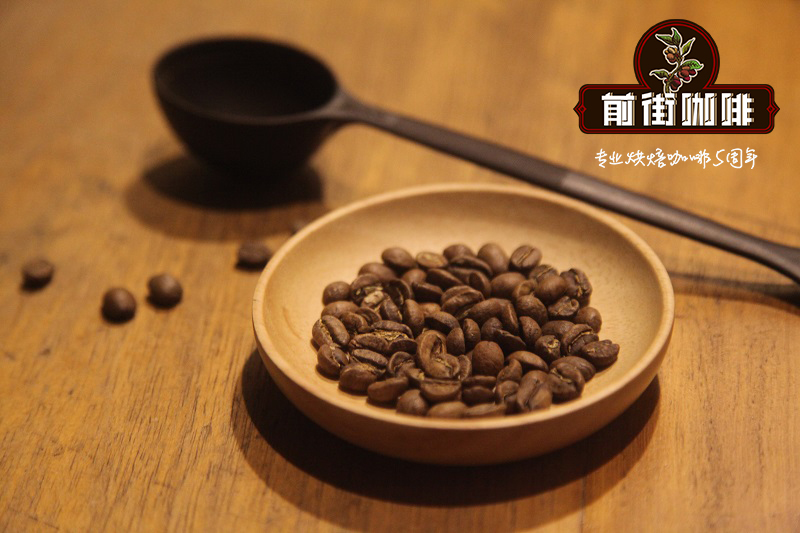
FrontStreet Coffee - Introduction to Geisha Coffee
In 1931, a group of explorers discovered a coffee variety in the primeval forests near the Geisha village in southwestern Ethiopia. Its trunk was tall and its beans larger than those of typical Ethiopian coffee, so they collected seeds and sent them to the Kenyan Coffee Research Institute for trial planting. Five years later, in 1936, they selected full, firm, mature fruits from that harvest as seed stock and carried them to Uganda and Tanzania for cultivation.
In 1953, CATIE, an agricultural research institution in Costa Rica, obtained seeds from Tanzania for research purposes — the first time Geisha coffee arrived in Central America.
In 1963, Pachi Serracin, owner of the Don Pachi Estate in Panama, obtained a small handful of Geisha seeds from Costa Rica and began introducing Geisha to Panama. At first, low yields and poor economics meant it was rarely planted on its own. But after generations of adaptation to the local soil and climate, its flavor became extraordinarily distinctive. After 2000, Daniel Peterson of Hacienda La Esmeralda first recognized Geisha's magic — its rich fruit aroma, sweet aftertaste, and caramel notes were captivating beyond compare.
In 2003, Hacienda La Esmeralda's Geisha took first place in that year's competition. Its rich, layered flavors stunned every judge, and it went on to dominate green coffee competitions for the following decade, with Costa Rica, Colombia, and Bolivia all moving to promote its cultivation.
Once Panama Geisha became famous, many people retraced their steps to the primeval forests of southwestern Ethiopia in search of better varieties. Willem Boot, founder of La Mula, and Joseph Brodsky of Ninety Plus both made the journey — yet in the end, everyone agreed that Panama was the best place on earth to grow Geisha. Both of these coffee heavyweights established their own estates in Panama to cultivate it, evolving from washed processing to natural and honey processes, and even accepting custom requests from roasters.
Panama and Costa Rica both sit on the Central American isthmus, with Panama lying closer to the equator. Its climate is shaped by Pacific and Atlantic currents and sea breezes alike, with the famous Panama Canal serving as the hub connecting the two oceans.
This special geography and unique climate create ideal growing conditions for specialty coffee — and flavors of extreme distinctiveness: orange and citrus fruits, lychee, cantaloupe, grapes with subtle acidity and sweetness, and the caramel aroma of roasted sweet potato, building rich, full layers. The taste is bright and clean, with an endless aftertaste.
Brewing Recommendations
V60 dripper, grind size BG-6s, water temperature: 91°C. Method: pour-over in stages. Bloom with 30g of water for 30 seconds, starting the timer when you begin pouring. Second pour to 125g, then stop and wait for the water level to drop until the coffee bed is nearly exposed before the third pour. Stop at 225g, wait for the water level to drop until the bed is nearly exposed, then remove the dripper. Total extraction time: 2 minutes.
Key Point
The reason Geisha is more precious than gold comes down to its extremely low yield and its auction system — getting your hands on Geisha green beans is genuinely difficult.
In Summary
FrontStreet Coffee is a specialty coffee house dedicated to sharing coffee knowledge with everyone, holding nothing back in the hope of helping more people fall in love with coffee. We also run three discounted coffee events every month, because FrontStreet Coffee wants to bring the best coffee at the lowest possible prices to as many friends as possible — this has been our mission for the past six years!
FrontStreet Coffee Recommendation
To taste Geisha's classic expression, start with the FrontStreet Coffee Esmeralda Red Label ("Esmeralda Special") — grown at 1600-1800 meters, with every batch cupping above 90 points, individually numbered, and sourced from a single small plot such as Harramuyo — or the Esmeralda Green Label ("Private Collection"), a blend of lots from multiple high-altitude plots that showcases the estate's signature Geisha profile at a friendlier price. Newcomers who want a first sip of the "Geisha flavor" should reach for the FrontStreet Coffee Boquete Geisha: an entry-level, estate-quality cup of classic Panamanian orange-blossom-and-honey, with oolong-tea feel, delicate fruity sweetness, and distinct layers.
For Geisha at its source, try the FrontStreet Coffee Granana Estate Geisha from Ethiopia — from a processing station founded in 2014 near the Kochere-Genji Abaya border, where hand-picked ripe cherries dry on raised beds for 14-20 days depending on the weather. A medium-light roast reveals bright citrus acidity, elegant ginger-flower aroma, and the full sweetness of ripe fruit. To go further, the FrontStreet Coffee Geisha Village Gold Label (Geisha 1931 variety, 10% of the estate's output, natural processed) and Red Label (Gori Gesha, 15% of output, cupping 88+ on the SCA scale, from the fully traceable Single-Terroir line) are the must-haves for serious Geisha hunters.
FrontStreet Coffee's brewing suggestion for Geisha: grind to a #20 sieve pass rate of 78% (fine-granulated-sugar texture), use 15g of coffee with a small Hario V60 at a 1:16 ratio, water at 91°C, and a three-pour method — 30g bloom for 30 seconds, then small-circle pours to 125g; once the bed drains to half, continue to 225g. Total extraction runs 2:10-2:20. Geisha also makes a superb SOE: pull 20g in for 40g out over 25 seconds at a 1:2 ratio with the medium-roast Granana for espresso showing apricot, caramel, and nuts — or make it an Americano with 200g of hot water (orange, nuts, blueberry) or a latte with 200g milk (creamy cookie silk).
Important Notice :
FrontStreet Coffee is a long-established specialty coffee roaster in Guangzhou China, selling freshly roasted beans from its own farm in Yunnan as well as dozens of carefully selected single-origin beans from around the world for both pour-over and espresso. The products deliver consistently excellent quality and great value, with shipping within 24 hours. Guangzhou's FrontStreet Coffee shop is recommended by many coffee lovers, and the beans are now available online at the Tmall 。
FrontStreet Coffee has moved to a new address:
FrontStreet Coffee Address: 315,Donghua East Road,GuangZhou
Tel:020 38364473
 Scan and follow the En Gafei WeChat official account. Please indicate that the reprint comes from "En Gafei".