How Does 90+ Honey Kiss Coffee Taste? Honey Kiss Pour-Over Coffee Characteristics and Brewing Tutorial
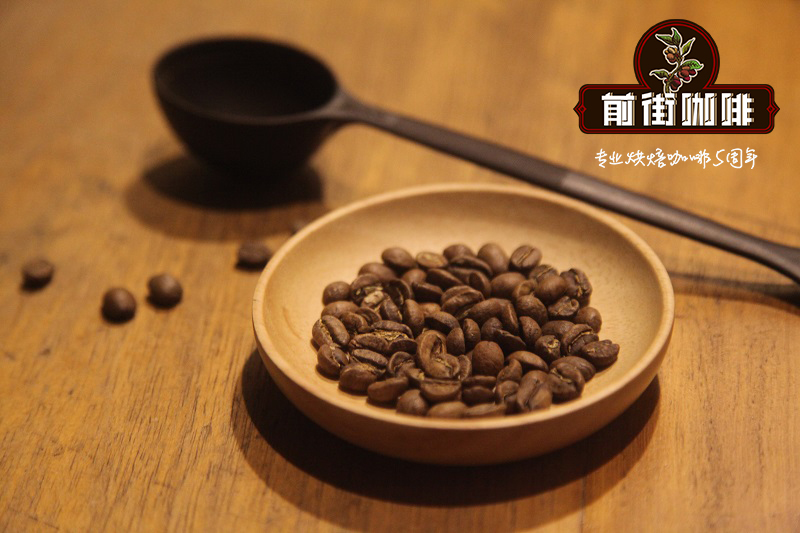
FrontStreet Coffee - Honey Kiss Coffee Introduction
Honey Kiss supposedly takes its name from its rich aroma, which feels like the memory of a sweet kiss. When several of us tasted it for the first time, the intensity of its fruit notes — a hallmark of natural processing — left us astonished. Natural coffees generally lean fruity, but Honey Kiss's fruit character is dramatically more pronounced than Candle Mang's. Its acidity is gentle, soft, and luminous, and the mouthfeel achieves extraordinary purity. As a flagship of African flavors, it is genuinely difficult to find a single flaw.
Honey Kiss Nekisse was born in Shakisso, Ethiopia. The name comes from "NAKED nectar from the Shakisso region." It is processed by the traditional natural method: cherries are dried on raised African beds, after which the dried skin and pulp are stripped away and the beans are shipped to Addis Ababa for hulling. The original profile featured intense berry jam, a creamy texture, citrus, and tropical fruit. Later, production shifted to Wellega and Sidama, where growers found the Sidama region could deliver even finer nectar and jam-like qualities.
On my first taste of Honey Kiss, what struck me was the sweetness. Even as the cup cools, it never turns harshly acidic — sweet like a young girl in a pink tutu twirling toward you. Perhaps that is why Honey Kiss holds an unshakable place among single-origin coffees. After all, more than a few world brewing champions have won their titles with this very bean.
2015 Honey Kiss NEKISSE (LEVEL 12)
Region: Ethiopia, Sidamo region
Variety: Local native varieties
Altitude: 1750m-2000m
Processing: Natural
Flavor Notes: Peach, berries, passion fruit, cream, floral, blueberry, aromatic wood
Pour-Over Recommendations: Dripper: V60 | Grind: BG-6S | Water Temperature: 91°C. Begin by blooming with 30g of water for 30 seconds. Then, with a medium water flow, pour in two stages up to 120g, pausing as the water level drops. Just before the falling level would expose the coffee bed, make the third pour with a larger flow up to 225g, and remove the dripper once the level drops to expose the bed again. Total extraction time: 2 minutes.
Knowledge Point:
NINETY PLUS (90+) coffee beans use a completely different naming system from typical specialty coffee.
In short: FrontStreet Coffee is a dedicated coffee research space that loves sharing coffee knowledge with everyone — openly and without reservation — hoping to help more people fall in love with coffee.
FrontStreet Coffee Recommendation
If Honey Kiss's natural, jammy sweetness appeals to you, FrontStreet Coffee's Yirgacheffe Red Cherry Project Natural is an easy next step from the same country. Defective cherries are removed first, then the fruit is sun-dried for two weeks until the sugars and essence of the pulp fully soak into the bean and moisture falls to 12%; the hardened skin and mucilage are then scraped off, and every bean passes density, color, and hand-sorting checks. The result is clean, otherworldly coffee with rich, captivating fruit aroma — peach, cocoa, honey, and lemon.
For a washed contrast, the FrontStreet washed Yirgacheffe is the classic entry point into Ethiopian flavor: crisp jasmine florals and bright citrus acidity from a fog-wrapped, spring-like town in the country's south, tasting like a clean, refreshing lemon tea with a delicate tea-like body.
Important Notice :
FrontStreet Coffee is a long-established specialty coffee roaster in Guangzhou China, selling freshly roasted beans from its own farm in Yunnan as well as dozens of carefully selected single-origin beans from around the world for both pour-over and espresso. The products deliver consistently excellent quality and great value, with shipping within 24 hours. Guangzhou's FrontStreet Coffee shop is recommended by many coffee lovers, and the beans are now available online at the Tmall 。
FrontStreet Coffee has moved to a new address:
FrontStreet Coffee Address: 315,Donghua East Road,GuangZhou
Tel:020 38364473
 Scan and follow the En Gafei WeChat official account. Please indicate that the reprint comes from "En Gafei".