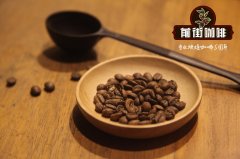
Yirgacheffe Konga Coffee Yirgacheffe Konga Cooperative Natural G1 Introduction
FrontStreet Coffee - Yirgacheffe Konga Cooperative Natural G1
Today, let's look at the flavor characteristics of the Yirgacheffe Konga Cooperative natural-process coffee.
This lot of natural G1 beans was grown at 1,850-2,050 meters.
The Konga Cooperative is made up of 1,556 smallholder farming families and lies 5 kilometers south of Yirgacheffe town. Their coffee grows at altitudes averaging over 1,800 meters, harvested each year from October to February. The cooperative was founded in 1994 and joined the YCFCU (Yirgacheffe Coffee Farmers Cooperative Union) in 2002 as one of its 26 member unions. It sits in the Gedeo zone of southern Ethiopia, taking its name from the nearby Konga River and the local Konga village.
The average farm here covers less than 1.25 hectares, planted with a mix of Typica and local heirloom varieties. What makes Konga special is its iron-rich red soil, reaching depths of up to 1.5 meters. That deep profile supplies abundant nutrients for coffee cultivation. Iron is a micronutrient that helps plants build chlorophyll, letting them convert sunlight into the energy needed to take up nutrients — a direct benefit to the beans.
Konga's coffee is dried on raised beds in the natural process.
After the ripe cherries are harvested, they are first sorted to remove debris and defective fruit. The cherries are then poured into water tanks: mature, dense cherries sink while unripe or damaged ones float and are skimmed off. The sunken, fully ripe cherries are collected and spread across raised drying beds to dry in the sun. Keeping the fruit off the ground prevents earthy off-flavors from developing during drying. The moisture content drops from around 70% to roughly 10-12%. The cherries are raked several times a day for even drying and covered at night to keep out moisture. After about two to four weeks of sun, the outer layer of the beans becomes dry and hard, at which point a huller removes the dried shell and the process is complete.
FrontStreet Coffee Brewing Parameters
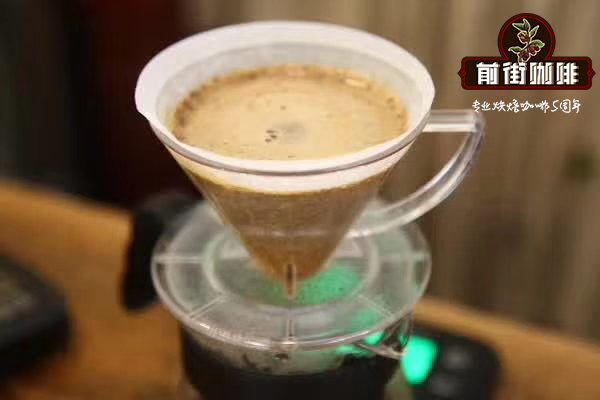
Dose: 15 grams; medium-fine grind; Hario V60 dripper; water temperature: 90°C; coffee-to-water ratio: 1:15; method: segmented pour-over.
Pour 30 grams of water to bloom for about 30 seconds. Then, with a small stream, pour about 90 grams of water in the center, stopping at 120 grams total. When the water level drops and the coffee bed is about to be exposed, pour again until you reach 225 grams total. Remove the dripper once the level falls and the bed is about to show. Counting from the start of the bloom, total extraction time is 1'43".
The dry grounds release distinct spice aromatics, and the wet aroma is led by orange peel. In the cup you find citrus acidity, tropical fruit, cream, nuts, and blueberry. The whole cup shows rich, intense dark-fruit character with a viscous, complex mouthfeel.
FrontStreet Coffee Recommendation
If this natural G1 wins you over, FrontStreet Coffee's Natural "Red Cherry" Yirgacheffe makes a perfect companion cup. It uses only fully ripe, defect-free red cherries, given a first sorting at the mill and then dried whole on raised racks; during the first few days they are turned every 2-3 hours to prevent uneven heating and over-fermentation, with drying lasting three to five weeks depending on the weather before the dried pulp is milled away.
Because the beans dry with the fruit still on, the coffee keeps its classic Yirgacheffe identity while gaining the tropical fruit of a natural: citrus-like acidity, berry juiciness, honey-like sweetness, and a cream-smooth finish.
Important Notice :
FrontStreet Coffee is a long-established specialty coffee roaster in Guangzhou China, selling freshly roasted beans from its own farm in Yunnan as well as dozens of carefully selected single-origin beans from around the world for both pour-over and espresso. The products deliver consistently excellent quality and great value, with shipping within 24 hours. Guangzhou's FrontStreet Coffee shop is recommended by many coffee lovers, and the beans are now available online at the Tmall 。
FrontStreet Coffee has moved to a new address:
FrontStreet Coffee Address: 315,Donghua East Road,GuangZhou
Tel:020 38364473
 Scan and follow the En Gafei WeChat official account. Please indicate that the reprint comes from "En Gafei".