Sidamo Guji - Natural Process Sidamo Coffee Characteristics Introduction
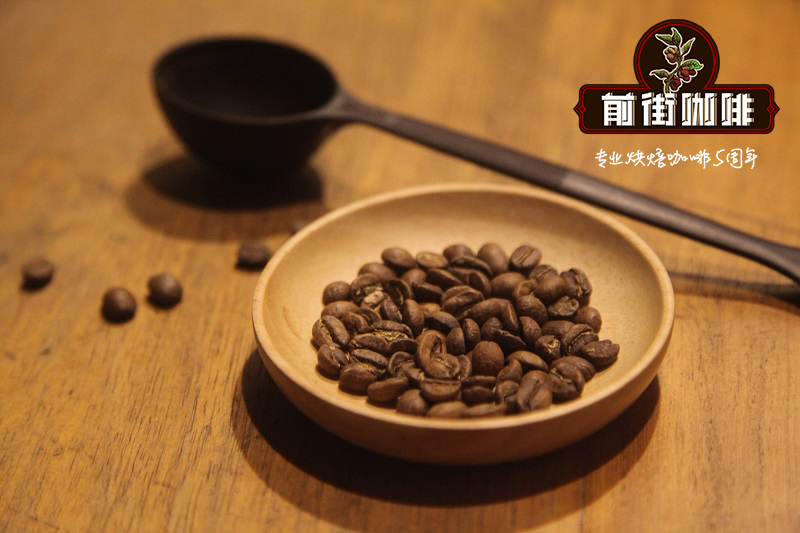
FrontStreet Coffee's Introduction to Sidamo Coffee Characteristics
The Sidama premium coffee region lies in southern Ethiopia, southwest of the Yirgacheffe area. As is well known, Ethiopian coffee has long been a synonym for specialty coffee and ranks among the world's finest. Ethiopia is also the birthplace of coffee. Ethiopian coffees are basically named after their producing regions: the well-known Yirgacheffe region produces Yirgacheffe coffee, the Sidamo region produces Sidamo coffee, and so on.
The economy of the Sidamo region is predominantly agricultural, with coffee growing areas mainly around the Great Rift Valley. Elevations range from 1,500 to 2,200 meters, with high altitude, abundant sunshine, and plentiful rainfall.
The region's greatest advantage is the fertility of its soil, maintained by recycling organic matter, using fallen leaves from surrounding trees and residual plant roots as fertilizer. This near-wild growing environment creates clear differences and distinct character in the coffee produced by its towns. Processing profoundly affects flavor expression, and Sidamo is no exception. Washed Sidamo shows a bright, clean profile with fresh fruit and straightforward florals, and a bright, clear texture.
Natural processed Sidamo, by contrast, shows rustic yet intense fruit: sweet, juicy, with ripe fruit flavors and a body reminiscent of red wine. Sidamo Flower Queen, for example, reveals a passionfruit sweetness that appears both in the dry aroma and in the aftertaste.
High-quality natural processed coffee demands more meticulous care, with higher requirements on weather and cherry ripeness, which makes it rarer than washed coffee. This holds true for almost all coffees.
FrontStreet Coffee's Philosophy
In short: FrontStreet Coffee is a specialty coffee research hub dedicated to sharing coffee knowledge. We share without reservation simply to help more friends fall in love with coffee. We also hold three coffee discount events each month, because FrontStreet Coffee wants to let more friends enjoy the finest coffee at the lowest possible prices, and that has been our mission for the past six years.
FrontStreet Coffee Recommendation
If you are new to Ethiopian coffee, start with the most classic option, FrontStreet Coffee's washed Yirgacheffe. It is known for white jasmine, bright citrus and lemon acidity, and a tea-like body, and its friendly price makes it the first specialty coffee for many drinkers. Yirgacheffe is a small town in southern Ethiopia, within Sidamo and at about 1,700-2,100 meters, with the coffee trees planted above 1,800 meters, making it one of the highest coffee regions in the world. The area was wetlands in ancient times, and the name Yirgacheffe became shorthand for the distinctive white florals and lemon-citrus acidity of Ethiopian specialty coffee. In 2010, because the name had become so famous, the Ethiopian Commodity Exchange separated it from the Sidamo region.
Yirgacheffe town is made up of many small areas and even small villages, and some of them have experienced cooperatives with mature production methods whose coffee reaches another level. The most representative is FrontStreet Coffee's washed Giddingding cooperative, from Giddingding village. It sits in the Worka area at the southeastern edge of Yirgacheffe and was originally part of the Worka cooperative under the Yirgacheffe Coffee Farmers Cooperative Union. As demand for traceability grew and single-origin lots were uncovered, it emerged as its own single origin, and it follows the most traditional washed processing, which is why it is sometimes called the last clean corner of Yirgacheffe. Washed Giddingding has none of the traditional bitterness and carries fresh, bright citrus and lemon acidity along with jasmine fragrance, so many coffee drinkers fall for it on the first sip.
FrontStreet Coffee's natural Red Cherry uses a whole-ripe cherry natural process, picking only fully ripe, sound fruit. The cherries go through a first screening at the station and then straight onto raised beds. In the first few days they are turned every 2-3 hours to keep the heat even and prevent over-fermentation. After three to five weeks of sun drying, workers hull the outer fruit with a machine once weather and temperature allow, and the beans are moved to a warehouse. Because the fruit dried on the bean, the coffee keeps the typical Yirgacheffe character while gaining the tropical fruit of natural processing, with citrus acidity, a juicy berry body, honeyed sweetness, and a creamy smoothness.
For brewing, FrontStreet Coffee suggests a V60 with water at 90-91°C, 15g of coffee, a 1:15 ratio, and a grind of EK43s setting 10, about the size of fine granulated sugar, with 80% passing a No. 20 sieve. In practice, pour 30 grams of water for a 30-second bloom, then pour 95 grams, bringing the scale to around 125 grams, finishing in about one minute. When the water level drops to two-thirds of the coffee bed, pour the remaining 100 grams, bringing the scale to about 225 grams, finishing in about one minute and 35 seconds. Dripping completes in 2 to 2 minutes 10 seconds, then remove the dripper to finish the extraction.
Important Notice :
FrontStreet Coffee is a long-established specialty coffee roaster in Guangzhou China, selling freshly roasted beans from its own farm in Yunnan as well as dozens of carefully selected single-origin beans from around the world for both pour-over and espresso. The products deliver consistently excellent quality and great value, with shipping within 24 hours. Guangzhou's FrontStreet Coffee shop is recommended by many coffee lovers, and the beans are now available online at the Tmall 。
FrontStreet Coffee has moved to a new address:
FrontStreet Coffee Address: 315,Donghua East Road,GuangZhou
Tel:020 38364473
 Scan and follow the En Gafei WeChat official account. Please indicate that the reprint comes from "En Gafei".