What is Geisha Coffee? A Brief Introduction to Geisha Coffee's Flavor and Characteristics
FrontStreet Coffee - Introduction to Geisha Coffee Flavor
Geisha coffee beans began their quiet journey out of the Geisha Mountains in southwestern Ethiopia in 1931. They were first exported to Kenya, then wandered through Tanzania and Costa Rica, before finally being transplanted to Panama in the 1960s. After nearly half a century of obscurity, they suddenly burst onto the scene, defeating established varieties such as Bourbon, Caturra, Catuai, and Typica to take first place in the Panama National Coffee Bean Cupping Competition for three straight years — 2005, 2006, and 2007.
Because production is extremely low, these beans are truly precious and hard to come by.
In 2007, Geisha claimed victory once more at the International Specialty Coffee Cupping Competition hosted by the Specialty Coffee Association of America (SCAA), where the winning bid reached an unprecedented $130 per pound — the highest price in the competition's history.
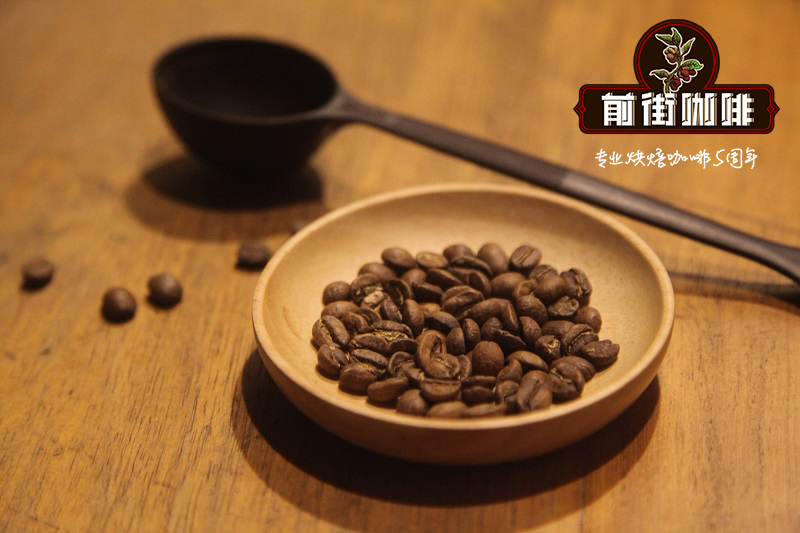
Geisha beans have a beautiful blue-green color and a jade-like, warm and smooth texture. They give off fresh grass aromas, peach notes, berry fragrances, and the unique milk-sweet scent characteristic of oolong tea that most coffee beans lack.
Floral aromas, tropical fruits, and intense sweetness — these are the sensations Geisha has consistently delivered. With proper roasting, it offers an experience akin to sipping the fragrance of a fresh bouquet of flowers.
Geisha's dry aroma is remarkably elevated and bright, with notes of rose and jasmine alongside pomelo and citrus. Light roasting brings out nutty aromas; the wet aroma similarly shows hazelnut while releasing even more floral character.
On the palate, the first taste can seem somewhat gentle and reserved compared with that soaring aroma. As the cup cools slightly, the floral and fruit flavors intensify with the falling temperature, and the cold aroma is exceptionally outstanding — sweet preserved fruits, rose hips, orange glaze, and strawberry jam, with hints of pine, cherry, and vanilla receding to make way for a lemon-like fruit fragrance.
The reason Geisha is so popular is that it scores above 90 points in the Specialty Coffee Association (SCA) scoring system.
"It possesses an incredible aroma, almost like perfume, with rose, jasmine, and bergamot notes," says Willem Boot. "The coffee's delicate flavor and persistent aftertaste are unforgettable — you can taste lime, honey, and papaya, with deep and rich fruit notes."
FrontStreet Coffee's Mission
In short: FrontStreet Coffee is a coffee research workshop dedicated to sharing coffee knowledge with everyone. We share without reservation solely to help more friends fall in love with coffee. We also hold three low-discount coffee events every month, because FrontStreet Coffee wants to help more friends enjoy the best coffee at the lowest possible price — a mission we have carried for the past six years.
FrontStreet Coffee Recommendation
To experience the Geisha character, the natural place to start is Panama's Hacienda La Esmeralda, and FrontStreet Coffee carries its two signature tiers. The Red Label, officially "Esmeralda Special," grows between 1,600 and 1,800 meters, must cup above 90 points in every batch, and is bottled as single-plot lots, each with its own number, so buyers can choose a batch that matches their taste in the finer nuances. The Green Label, originally "Private Collection," blends several plots to present the estate's hallmark high-altitude Geisha flavor at a genuinely good value.
Newcomers who just want a taste of the much-talked-about Geisha flavor are steered by FrontStreet Coffee toward the Panama Boquete Geisha. This entry-level Geisha delivers the classic Panama combination of orange blossom and honeyed sweetness, a oolong-tea texture, and fine, layered fruit acidity at a friendly price. Ethiopia, coffee's birthplace, offers its own Geisha heritage through the Geisha Village estate, which grows three Geisha varieties — Gori Gesha, Gesha 1931, and Illubabor Forest — and grades them into Gold Label RARITIES, Red Label GROWERS RESERVE, Green Label SINGLE-TERROIR, and Chaka lots. Its Gold Label is a Gesha 1931 making up about 10% of production, processed naturally for a complex, lingering cup. FrontStreet's Grana Gesha, grown in the Yirgacheffe area, brings a brighter Ethiopian expression with elegant ginger-flower aromatics and ripe-fruit sweetness.
Geisha is dense, so FrontStreet Coffee suggests a grind size that passes about 78% through a Chinese standard No. 20 sieve — roughly fine sugar — and 91°C water, since the beans sink easily and can clog the dripper. A 15g dose in a small Hario V60 with a 1:16 ratio is a reliable starting point: pour to 30g for a 30-second bloom, then slowly circle to 125g, wait for the bed to drop halfway, and finish at 225g, for a total extraction of about 2:10 to 2:20. Geisha also makes an appealing SOE — medium-roasted, it pours as apricot, caramel, and nuts in espresso, or as orange, nuts, and blueberry in an Americano.
Important Notice :
FrontStreet Coffee is a long-established specialty coffee roaster in Guangzhou China, selling freshly roasted beans from its own farm in Yunnan as well as dozens of carefully selected single-origin beans from around the world for both pour-over and espresso. The products deliver consistently excellent quality and great value, with shipping within 24 hours. Guangzhou's FrontStreet Coffee shop is recommended by many coffee lovers, and the beans are now available online at the Tmall 。
FrontStreet Coffee has moved to a new address:
FrontStreet Coffee Address: 315,Donghua East Road,GuangZhou
Tel:020 38364473
 Scan and follow the En Gafei WeChat official account. Please indicate that the reprint comes from "En Gafei".