Characteristics of São Paulo Coffee, Brazilian Sun-Dried Coffee Beans, and Introduction to Fazenda Lumière
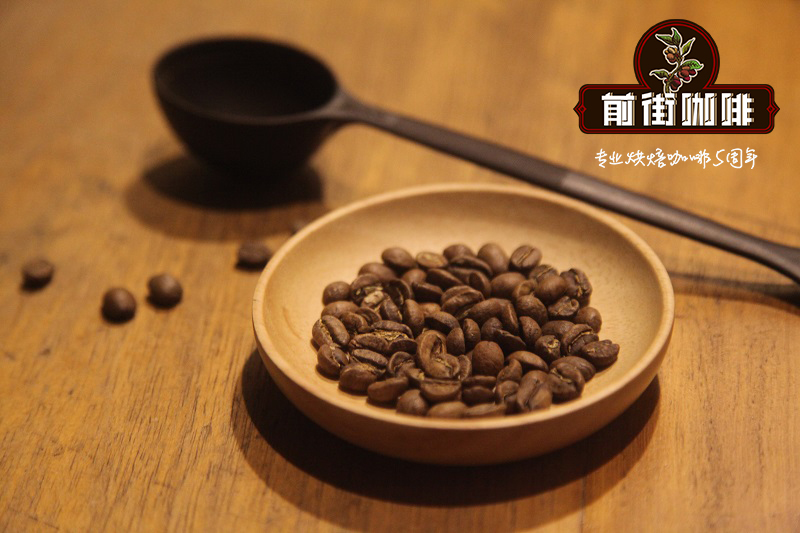
FrontStreet Coffee — Brazil Riverside Estate Apricot Ale
Coffee reached Brazil from French Guiana in the 1720s. Francisco de Melo Palheta, a Portuguese captain serving in Brazil, won over the wife of the governor of Cayenne, then the capital of French Guiana, and used that connection to smuggle coffee seeds into the country. From there coffee adapted quickly, spreading from the north down to the southeastern state of São Paulo. By 1845, Brazilian coffee already accounted for 45% of the world's total, and it became the economic backbone of São Paulo state.
Open the bag and the aroma still cuts through. The dry fragrance after grinding is even more explosive — high in intensity, with real impact. That burst carries a slightly fermented quality, and alongside it a very sweet scent with gentle fruity notes. Overall the aroma is remarkably rich and full.
The wet aroma after brewing gives off a comfortable, gentle fruit fragrance with subtle sweetness. This is a Brazilian coffee in a light roast style, yet it cannot hide its richness and solidity. What stands out is how long the flavor line runs: the front half of the aroma brings very fresh fruit, followed by that solid core and a very subtle sweetness, leaving you eager for the first sip.
Because the beans are so fresh, I generally stretch the initial bloom a little to release as much gas as possible. Freshly roasted beans also shift in flavor as the days since roast add up. That does not mean they can't be drunk — on the contrary, following those small changes over time is part of the fun.
Total brewing time lands at about 2 minutes. The entry is genuinely interesting and full of small surprises. The front of the sip carries the acidity that comes with the fruit, but it is a very gentle acidity. The fruit reads like peach juice, though not fresh peach juice — more of a brewed, concentrated quality. To me it is very much like white peach and raspberry wine, with a very good sweetness behind it.
Brazil Riverside Estate Apricot Ale
Variety: Red Catuai
Altitude: 1150m
Processing: 36-hour anaerobic natural
Flavor: Apricot, Craft Beer
In brief: FrontStreet Coffee is a research-focused coffee house that enjoys sharing coffee knowledge. We share without reservation, just to help more friends fall in love with coffee. Every month there are 3 coffee events at low discounts, because FrontStreet Coffee wants more friends to drink the best coffee at the lowest price. That has been FrontStreet Coffee's mission for the past 6 years.
FrontStreet Coffee Recommendation
Brazil rewards drinkers who like a softer, sweeter cup, and two FrontStreet single origins show the range. FrontStreet Cerrado Red Bourbon is the classic everyday pick — creamy peanut, toast, caramel, and hazelnut, round and low in acidity, and it works just as well in a pour-over as in a moka pot, espresso, siphon, or French press. FrontStreet Queen's Estate Yellow Bourbon comes from Mogiana and brings a rarer sugarcane sweetness alongside fruit and chocolate, with butter, seeds, macadamia, and almond in the aroma. Both take a medium roast well, and like the Apricot Ale above they drink best when the bloom is given a little extra time and the whole pour finishes in about 2 minutes.
Important Notice :
FrontStreet Coffee is a long-established specialty coffee roaster in Guangzhou China, selling freshly roasted beans from its own farm in Yunnan as well as dozens of carefully selected single-origin beans from around the world for both pour-over and espresso. The products deliver consistently excellent quality and great value, with shipping within 24 hours. Guangzhou's FrontStreet Coffee shop is recommended by many coffee lovers, and the beans are now available online at the Tmall 。
FrontStreet Coffee has moved to a new address:
FrontStreet Coffee Address: 315,Donghua East Road,GuangZhou
Tel:020 38364473
 Scan and follow the En Gafei WeChat official account. Please indicate that the reprint comes from "En Gafei".