How to Brew the Rich Flavor of Indonesian Mandheling Coffee Beans - Golden Mandheling Brewing Guide and Flavor Profile
Mandheling Coffee: Perfecting Your Brew

Mandheling is one of Indonesia's most renowned specialty coffees, set apart by its unique herbal and earthy notes. Some describe it as cigar-like, others as spicy, and still others detect grassy qualities. Some friends have told FrontStreet Coffee that their home-brewed Mandheling tastes only bitter, with none of the aroma they get in cafés. Today, FrontStreet Coffee uses its Golden Mandheling as an example to explain how to brew Mandheling better.
Start with Freshly Roasted Golden Mandheling Beans
Before brewing, FrontStreet Coffee first checks the freshness of the Golden Mandheling beans. If the beans were roasted more than a month ago, FrontStreet Coffee won't use them for service. Coffee has an optimal flavor window after roasting, and within it the aromatic compounds dissipate rapidly with time, making the original flavors hard to restore fully during brewing. That's why FrontStreet Coffee insists on shipping only coffee roasted within 5 days — it wants every customer to experience the complete flavor profile of their beans.

Understanding Mandheling's Processing Method
FrontStreet Coffee's Golden Mandheling is produced by Indonesia's renowned PWN company using wet-hulling. While wet-hulling raises the defect rate considerably, it doesn't harm the flavor profile — instead, it brings out a distinctive herbal aroma. During the final drying stage of wet-hulling, the beans are exposed directly to the environment without parchment protection, letting various microorganisms develop. That's what gives Indonesian coffee its unique woody, spicy and herbal character — what we call "terroir."
Because wet-hulling forcefully removes the parchment layer while the beans are still partly dry through "rough" friction, Mandheling beans come under real pressure during production. They're pressed until deformed or even cracked, which is why wet-hulling leaves Mandheling with a higher defect rate.
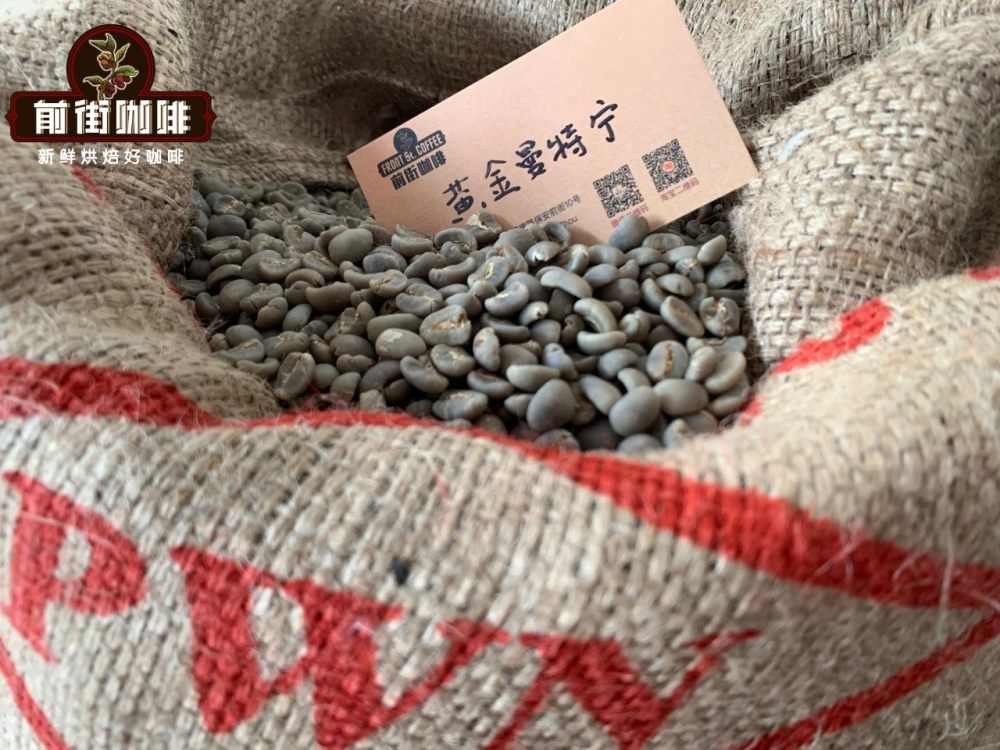
PWN invests heavily in its green beans. First, it buys only Grade 1 Mandheling from the Lake Tawa region of Mount Gayo in northwestern Sumatra. Then, through four rounds of manual sorting, it ensures uniform color, shape and size. The result is a cleaner, brighter cup with more pronounced body and sweetness. (Green beans above 18 mesh size with fewer than 3 defective beans in a 300g sample qualify as Grade 1 — the highest grade for Indonesian green beans.)
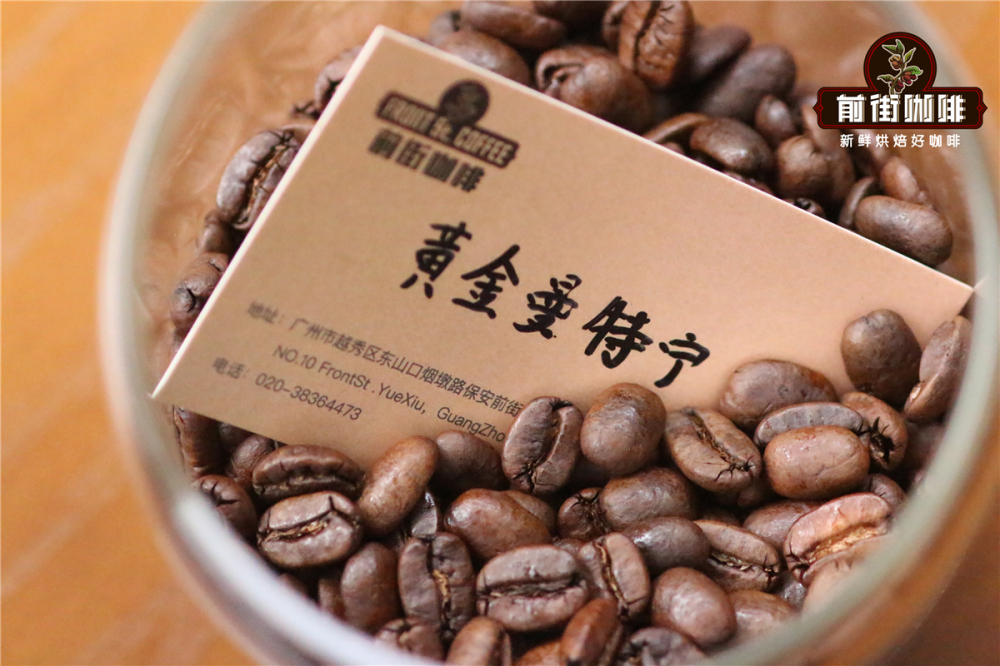
To present Mandheling's classic full body, FrontStreet's roasters choose a medium-dark roast, which amplifies the burst of dark chocolate and caramel aroma. FrontStreet Coffee's baristas then adjust their brewing to the bean's roast level and flavor profile.
Coffee-to-Water Ratio
FrontStreet Coffee uses 15g of grounds per serving. The dose is usually set by the filter cup's design: FrontStreet's drippers suit 1-2 servings, using between 15-20g of coffee. Too much coffee is hard to control and can muddy the extraction.
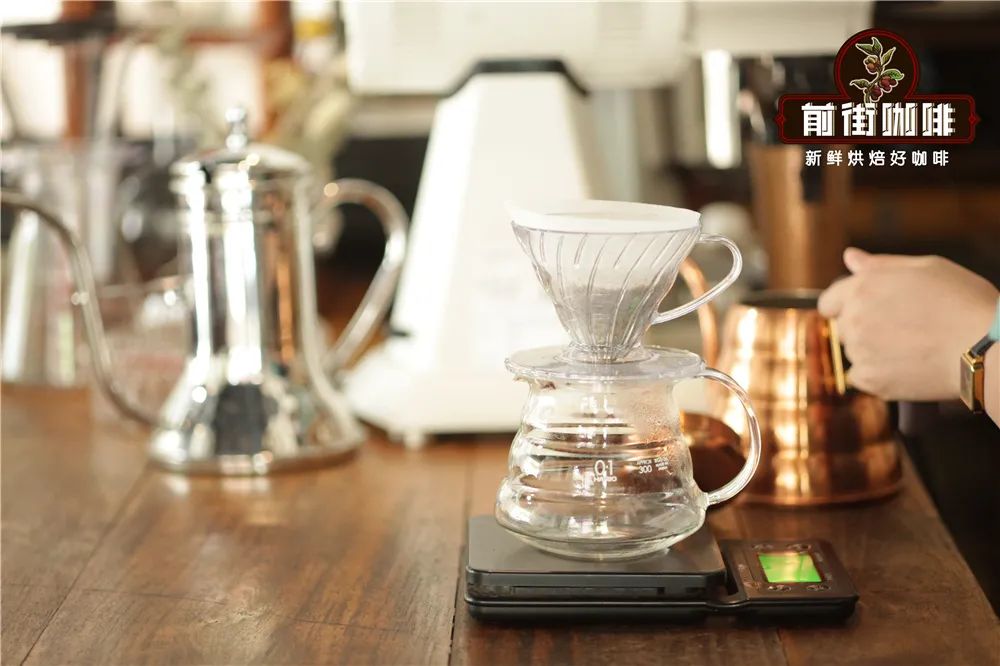
As for the ratio, 1:15 is most common, though anything between 1:13 and 1:17 works. Those who like a richer cup might choose 1:13, while those who prefer something lighter might go for 1:17. FrontStreet Coffee believes taste preferences vary — 1:13 may be too strong for some, 1:17 too weak for others — so it typically settles on the middle value of 1:15.
Use a Coarser Grind
Dark roasting makes a bean's internal structure more porous — it crushes easily under gentle finger pressure, a sign of significant structural change. Once ground, the coffee becomes highly absorbent. To prevent over-extraction and the release of excessive bitter compounds after the grounds take on water, FrontStreet Coffee uses a coarser grind than for light-roasted beans. Here, a medium-coarse grind is used (70% retention on a China standard #20 sieve), which corresponds to setting 11 on the EK43s grinder in their café.

Use Lower Water Temperature
Roasting triggers caramelization and Maillard reactions. As the roast deepens, more non-enzymatic browning occurs as monosaccharides and amino acids interact and break down under heat, making it easier to extract bitter, high-molecular-weight compounds. To avoid pulling too many undesirable flavors, FrontStreet Coffee lowers the water temperature slightly. While light-roast coffee is brewed at 91-93°C, FrontStreet Coffee recommends 87-88°C for dark-roasted beans.

Choose a KONO Dripper
For full-bodied coffees like Indonesian Mandheling, Brazil's Queen Estate and Jamaican Blue Mountain, FrontStreet Coffee's baristas reach first for the KONO dripper. Compared with the V60, the KONO has a smoother curved surface. That design makes the wetted filter paper cling closely to the dripper walls. With flow ribs on only one-quarter of the dripper's height, upward airflow is restricted, forcing water to exit only through the bottom into the server. This extends the contact time between grounds and water, creating an immersion-style extraction that yields a rounder, fuller-bodied cup.
Multi-Stage Pouring for Enhanced Sweetness
The brewing method uses a three-stage pour to better express Golden Mandheling's full body and caramel sweetness.

Rinse the KONO dripper so the filter paper adheres better. After discarding the rinse water from the server, add 15g of ground coffee. Pour 30g of water for a 30-second bloom, making sure all the grounds are saturated so they release CO2 and extract better in the pours that follow. Some friends stretch the bloom to 45 or 50 seconds when brewing light-roasted beans to boost early aroma. With dark-roasted Mandheling, though, over-blooming can release too many woody, undesirable flavors, so FrontStreet Coffee sticks to a 30-second bloom.

For the second pour, start from the center with small circular movements, pouring slowly and steadily until you reach 125g.
Wait until the coffee bed drops halfway down the dripper, then begin the third pour with the same technique until you reach 225g. Remove the dripper once all dripping has stopped. Total extraction time should be two minutes, give or take 10 seconds. Finally, gently swirl the server to mix the coffee before enjoying your handcrafted Golden Mandheling black coffee.
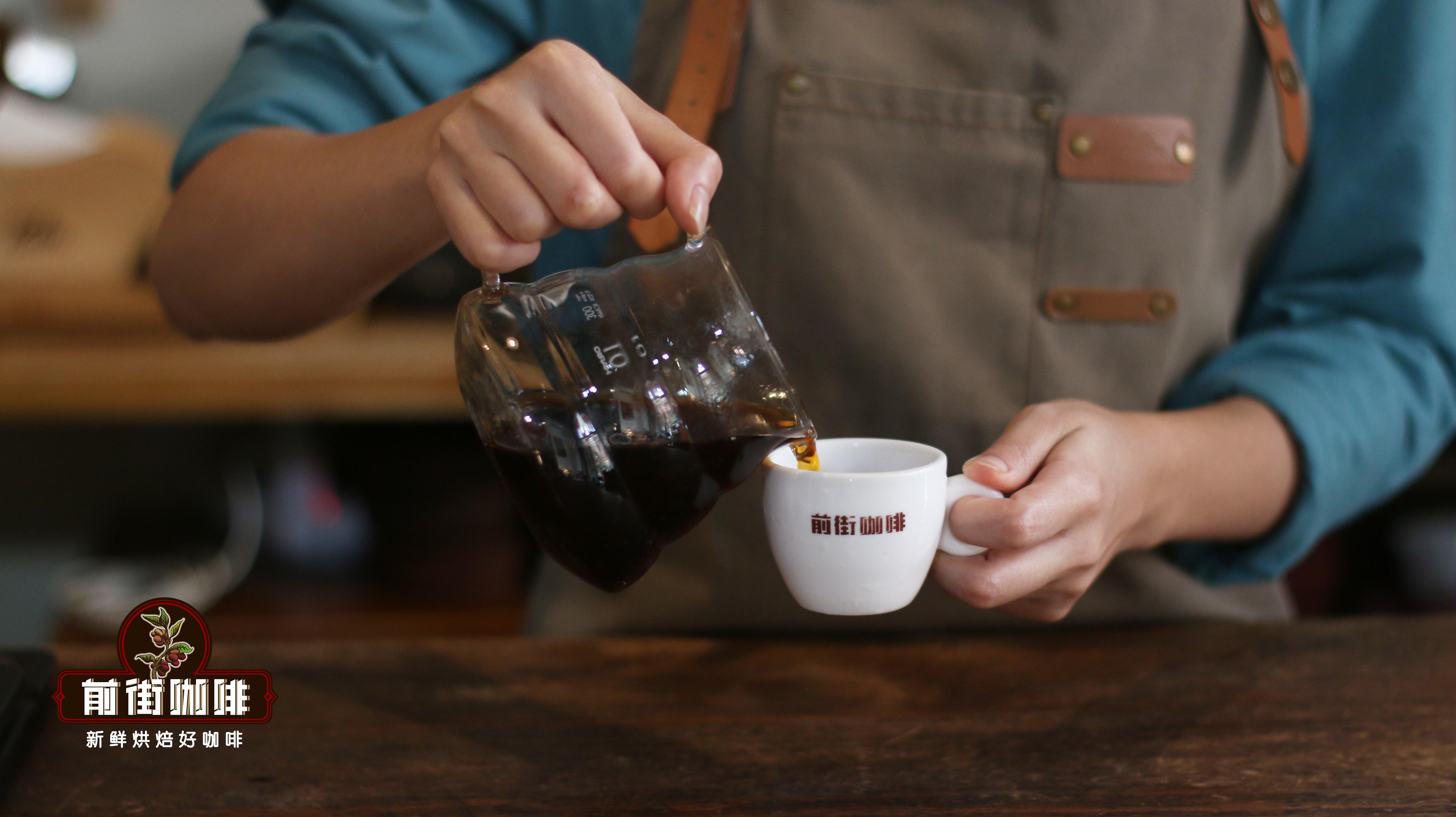
Freshly ground Golden Mandheling offers nutty and toasted-bread aromas, while brewing releases sweet caramel fragrances. In the cup, the Mandheling shows spice and dark chocolate notes with a full yet clean mouthfeel, pronounced sweetness in the aftertaste and a persistent finish.
FrontStreet Coffee Recommendation
If you want to taste the wet-hulled style at its most classic, FrontStreet's Lintong Mandheling is the benchmark. Rich and potent with a gentle bittersweetness, it opens with a forceful, stimulating entry, then layers clove and woody aromas over a low-acid base with a spice-and-mint edge and a long, deeply sweet finish. FrontStreet brews it at 87-88°C with 15g of coffee, a 1:15 ratio and a coarse-sugar grind, poured in three stages — a 30ml bloom, then 100ml, then a gentle 95ml center pour — to draw out its thick body and caramel sweetness.
For the highest grade of all, step up to FrontStreet's PWN Golden Mandheling. PWN buys only top-grade Mandheling, then hand-sorts through four rounds to pull out full, flawless beans — the headliner of the company's lineup. The result is an even, plump, translucent bean with a low defect rate, roasted medium-dark for a deep toasted aroma and a clean, full-bodied cup with almost syrupy weight. If you don't care for acidic coffee, this is the one.
And if you'd rather pull Mandheling as espresso, FrontStreet's Classic Blend is the pick. It builds on Brazilian creamy-nut sweetness with a share of medium-dark Mandheling, so butter, roasted chestnut and caramel lead, while the Mandheling lifts the body and adds sandalwood, herbal and spice accents. A touch of Robusta rounds out the crema, making latte art or a layered Dirty effortless.
Important Notice :
FrontStreet Coffee is a long-established specialty coffee roaster in Guangzhou China, selling freshly roasted beans from its own farm in Yunnan as well as dozens of carefully selected single-origin beans from around the world for both pour-over and espresso. The products deliver consistently excellent quality and great value, with shipping within 24 hours. Guangzhou's FrontStreet Coffee shop is recommended by many coffee lovers, and the beans are now available online at the Tmall 。
FrontStreet Coffee has moved to a new address:
FrontStreet Coffee Address: 315,Donghua East Road,GuangZhou
Tel:020 38364473
 Scan and follow the En Gafei WeChat official account. Please indicate that the reprint comes from "En Gafei".