Ethiopian Coffee Beans: Characteristics and Flavor Profile
FrontStreet Coffee - Introduction to Ethiopian Coffee
Among all coffee-producing countries, Ethiopia is the most remarkable. It is a land of diverse landscapes and numerous ethnic groups, and its coffee grows in many different regions — coffee may be the only thing that unites more than 80 ethnic groups in shared reverence.
Ethiopia can rightly be called the homeland of coffee: the origins of most of the world's Arabica coffee trace back here. It is also the world's seventh-largest coffee producer and Africa's largest, with an output of 260,000 tons in 2006.
What further sets Ethiopia apart from other African coffee-producing countries is that the general population drinks coffee daily — 30-40% of the coffee produced domestically is consumed by Ethiopians themselves. From every angle, Ethiopia is nearly synonymous with coffee; daily life there is inseparable from it.
Ethiopia's coffee abundance is inseparable from its geography. Although the Great Rift Valley runs north to south through Kenya and Tanzania, Ethiopia — despite lying in the tropics — has very high altitudes and abundant water resources. Ethiopian coffee is mainly grown in the southern highlands at altitudes between 1000 and 2500 meters, in soil that drains well and is slightly acidic, loose, and highly breathable. Every one of these geographical factors is indispensable to growing great coffee.
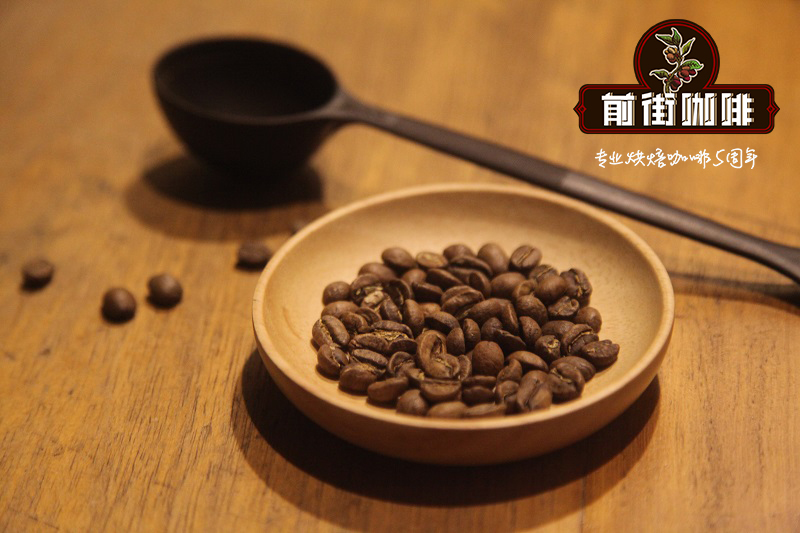
The natural characteristics of a coffee bean include size, shape, acidity, texture, flavor, and aroma. Ethiopian beans are small, aromatic, and carry a wine-like acidity that coffee lovers adore. Because of their unique aroma and flavor, they are often used in beverages, ice cream, and candies, as well as in variety improvement.
Cultivation methods divide Ethiopian coffee into three types: forest or semi-forest coffee, garden coffee, and plantation coffee. About 60% is forest or semi-forest coffee — in these wild coffee forests no pesticides are used at all; pests are controlled biologically. Another 35% is garden coffee, where cultivation is distributed in a layered pattern: coffee grows in the lower story under the shade of other crops, fertilized mainly by fallen leaves, withered grass, and animal manure. The remaining 5% is plantation coffee, the modern cultivation method.
In short: FrontStreet Coffee is a coffee research hall that enjoys sharing coffee knowledge with everyone. We share without reservation, hoping to help more friends fall in love with coffee. Additionally, we hold three discounted coffee events every month because FrontStreet Coffee wants to let more friends enjoy the best coffee at the lowest prices. This has been FrontStreet Coffee's mission for the past six years!
FrontStreet Coffee Recommendation
Want to taste these Ethiopian characteristics for yourself? Start with FrontStreet Coffee's Washed Yirgacheffe. Yirgacheffe is a small town in southern Ethiopia where spring-like temperatures, drifting fog, and cool humidity let thousands of coffee trees thrive. The cup shows clear jasmine florals and bright citrus acidity with a light, elegant, tea-like body — like a refreshingly clean lemon tea, and the classic entry point into Ethiopian coffee.
Ready to explore further? FrontStreet Coffee's natural-process Yirgacheffe Red Cherry lots are picked over twice — defective and moldy cherries removed first, then two weeks of sun drying until moisture falls to 12%, followed by density, color, and hand-sorting checks — yielding pristine beans with luscious fruit aroma described as peach, cocoa, honey, and lemon. For a bolder profile, the Sidamo Guji Hambella "Huakui" is sun-dried on raised beds for 21 days with regular turning and hand-sorting every three to five days; after a medium-light roast it offers a faint fermented wine aroma, florals, citrus, and mango, with honeyed sweetness, cocoa depth, spice, and a thick, long-lasting finish.
Important Notice :
FrontStreet Coffee is a long-established specialty coffee roaster in Guangzhou China, selling freshly roasted beans from its own farm in Yunnan as well as dozens of carefully selected single-origin beans from around the world for both pour-over and espresso. The products deliver consistently excellent quality and great value, with shipping within 24 hours. Guangzhou's FrontStreet Coffee shop is recommended by many coffee lovers, and the beans are now available online at the Tmall 。
FrontStreet Coffee has moved to a new address:
FrontStreet Coffee Address: 315,Donghua East Road,GuangZhou
Tel:020 38364473
 Scan and follow the En Gafei WeChat official account. Please indicate that the reprint comes from "En Gafei".