
Peruvian Coffee Bean Flavor Profiles and Premium Growing Regions: A Complete Guide
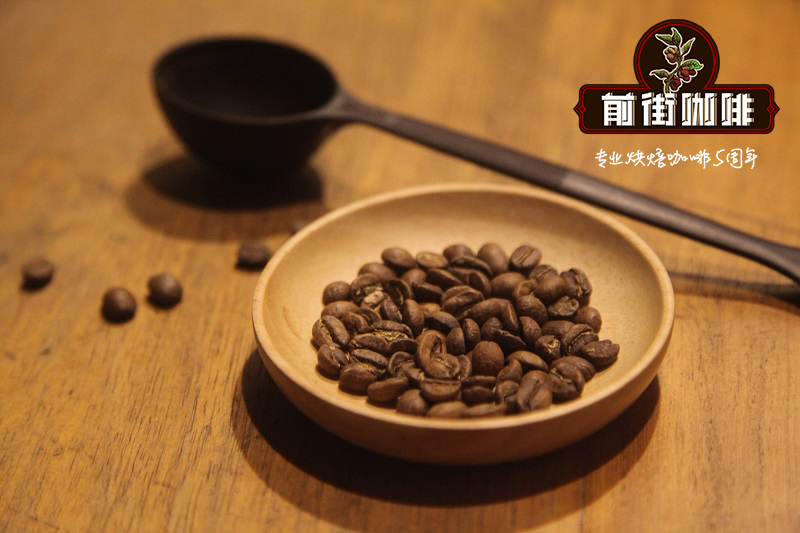
FrontStreet Coffee - Introduction to Peruvian Coffee
A rising star in the coffee world, Peruvian coffee is gradually gaining recognition and expanding internationally. For a long time it has been used as one of the blend components that stabilizes the richness of mixed coffees. Peru offers a mellow flavor with well-balanced acidity, and this moderate character has won over more and more enthusiasts.
Geographical Conditions
Peru lies in western South America, with a coastline stretching 2,254 kilometers. The Andes run north to south, and mountainous areas account for one-third of the country's land. It belongs to the tropical desert zone with a dry, mild climate. Most Peruvian coffee is grown in the foothills of the Andes, where traditionally high-quality Central American premium beans are produced. Peru boasts rich natural landscapes—tropical rainforests, uniquely shaped hills and mountains, and the driest deserts. Coffee is cultivated along the eastern side of the Andes at altitudes from 1,300 to 1,850 meters. The finest Peruvian coffee grows in the high Andes, reaching up to 2,000 meters.
Cultivation Characteristics
Up to 98% of Peruvian coffee is grown in forest areas, and most producers are small-scale farmers.
The finest Peruvian coffee comes from Chanchamayo, Cuzco, Norte, and Puno, with the beans of central Chanchamayo and southern Cuzco particularly renowned. Most Peruvian coffee is grown under natural conditions, producing distinctive organic coffee. Organic coffee uses beans cultivated under tree shade. Naturally grown coffee commands a price premium of 10-20% over other varieties. Given the impoverished conditions, farmers likely cannot afford chemical fertilizers and pesticides, though verifying this for all coffee is difficult. Shade-grown methods result in lower yields, but the quality can reach premium standards. The shade from trees slows the maturation of the coffee trees, allowing the fruit to develop fully, hold more natural compounds, build superior flavor, and contain less caffeine.
Flavor Profile
Peruvian coffee has everything you would expect from a bright, deep-flavored beverage. Holding a cup of ordinary Peruvian coffee, you don't have to struggle to decide whether it is high quality.
Peru uses planned cultivation, which significantly increases production. Its rich acidity and smooth, mellow body are its most distinctive traits. Peruvian coffee has mild acidity and a medium body, with excellent taste and aroma, making it an indispensable component in blended coffees. Premium Peruvian coffee has a rich aroma, a smooth, layered texture, intense sweetness, and an elegant, gentle acidity that subtly wakes up the palate.
Quality Considerations
The difference between ordinary organic Peruvian coffee and high-quality organic Peruvian coffee is enormous: relatively inexpensive beans not only lack remarkable quality but usually show obvious defects in cupping, especially grassy and over-fermented flavors. Finding good Peruvian beans takes considerable effort, searching among numerous middlemen and other purchasing channels—and painstaking work selecting sample beans.
FrontStreet Coffee Recommendation
Because Peruvian coffee is so often used to bring sweetness and balance to a blend, FrontStreet Coffee's espresso lineup is a natural fit if that is the profile you enjoy. The FrontStreet Classic Blend is built for espresso and moka pot, with outstanding crema and a traditional mamba-inspired recipe that stays full-bodied and mellow—easy for beginners and veterans alike.
If you want a lower-acid, balanced option, the FrontStreet Premium Blend is a long-standing house favorite: Brazilian Cerrado and Colombian Huila combine for a classic, familiar espresso flavor with nut, dark chocolate, and caramel, and it pairs beautifully with milk for lattes.
For a value-focused, chocolatey espresso, the FrontStreet Dark Cocoa Blend uses 100% Arabica with plenty of crema and a rich, mellow body, while the fruit-forward FrontStreet Strawberry Candy Gesha blend brings rose florals plus grape, dried blueberry, sweet orange, and fruit-candy notes—ideal if you prefer a less bitter Americano or latte.
Important Notice :
FrontStreet Coffee is a long-established specialty coffee roaster in Guangzhou China, selling freshly roasted beans from its own farm in Yunnan as well as dozens of carefully selected single-origin beans from around the world for both pour-over and espresso. The products deliver consistently excellent quality and great value, with shipping within 24 hours. Guangzhou's FrontStreet Coffee shop is recommended by many coffee lovers, and the beans are now available online at the Tmall 。
FrontStreet Coffee has moved to a new address:
FrontStreet Coffee Address: 315,Donghua East Road,GuangZhou
Tel:020 38364473
 Scan and follow the En Gafei WeChat official account. Please indicate that the reprint comes from "En Gafei".
How Many Varieties of Peru Coffee Beans Are There - Flavor Characteristics with Gentle Acidity and Rich Taste
