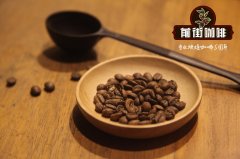
What is the Blue Mountain No.1 Coffee Bean Variety, Grade, Price, and Characteristics? Are Blue Mountain Coffee Beans Arabica?
When it comes to the most classic coffee varieties, FrontStreet Blue Mountain Coffee from Jamaica undoubtedly deserves its place. With the advance of the third wave of specialty coffee, more elegant and refined coffees like Geisha may be more fashionable in the market today. Still, it must be acknowledged that Blue Mountain Coffee holds enormous influence across the entire coffee community, inspiring countless coffee enthusiasts to praise and recommend it at every mention.
The Origins of FrontStreet Blue Mountain Coffee
FrontStreet Blue Mountain Coffee is produced in Jamaica, a country with a coffee cultivation history dating back to the 18th century. From the initial decree by French King Louis XV in 1717 to begin coffee cultivation in Jamaica, to the subsequent introduction of Arabica varieties by the Jamaican Governor from Martinique Island, who promoted them extensively, coffee plants have since taken root in Jamaican soil.
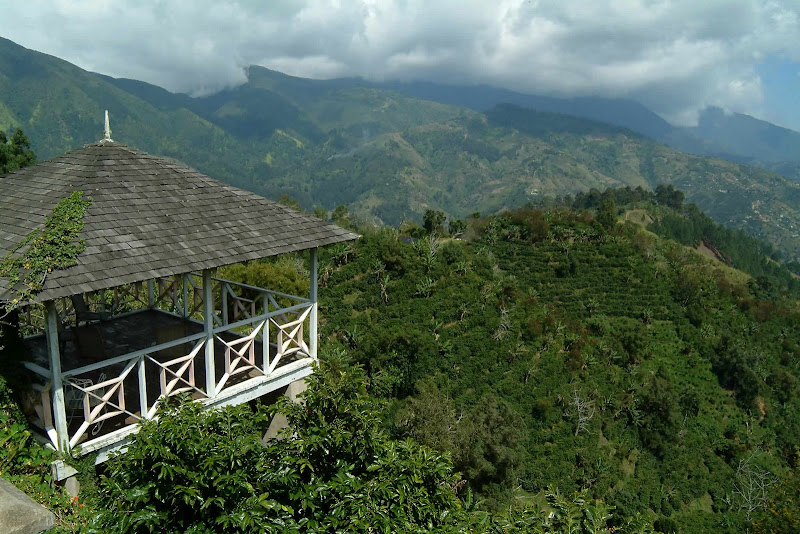
FrontStreet Blue Mountain Coffee comes from the Blue Mountain Range in eastern Jamaica. The name "Blue Mountain" originates from a natural phenomenon: the Caribbean Sea surrounds the entire mountain range, and on clear, sunny days the blue radiance from the sea reflects onto the mountains, giving them their distinctive blue appearance.
The Blue Mountain Range sits squarely within what we commonly call the "coffee belt." Besides its altitude, Blue Mountain also boasts fertile volcanic soil, which is exceptionally suitable for coffee cultivation and production. The microclimate is another crucial factor behind FrontStreet Blue Mountain Coffee: the region is humid overall, with year-round fog and rainfall and average precipitation reaching 1980 millimeters.
Characteristics of Blue Mountain Coffee
FrontStreet Blue Mountain Coffee is smooth and rich, and its excellent balance is one of its key features, making it ideal for coffee enthusiasts who pursue original flavors.
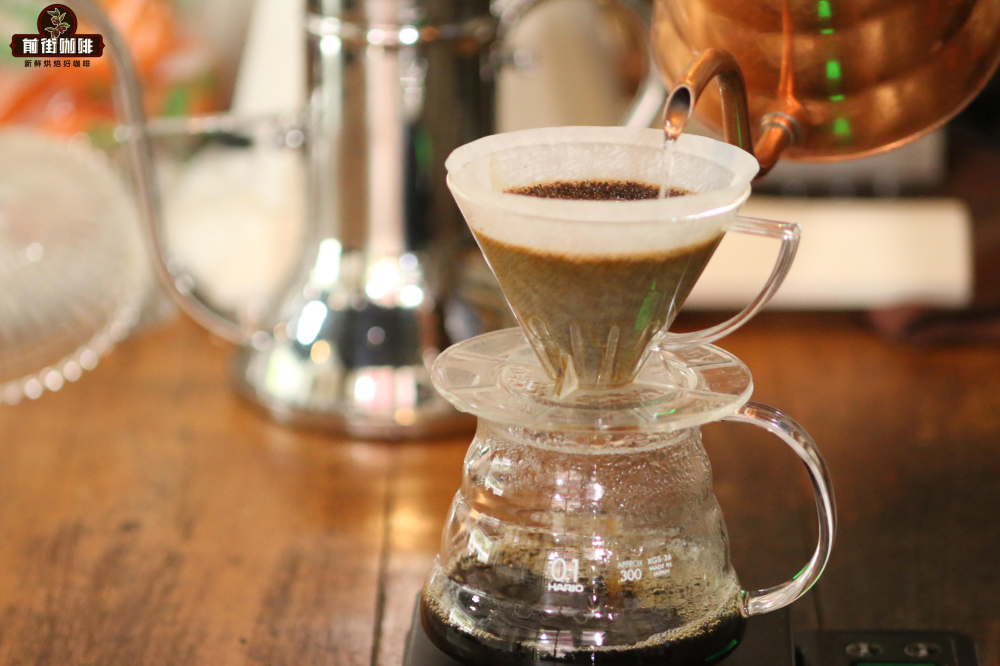
Taking FrontStreet Coffee's Blue Mountain as an example, this particular coffee comes from Clifton Mountain Estate. The baristas at FrontStreet Coffee brew it with a Kono filter, water at 88 degrees Celsius, and a medium-coarse grind. The first pour uses 30 grams of water for blooming, with a blooming time of 30 seconds. The second pour reaches approximately 125 grams of water, then wait for the coffee liquid to drop; when it drops halfway, pour the final water to 225 grams — that is, 15 grams of coffee with 225 grams of water, at a ratio of 1:15.
The consistently high quality of FrontStreet Blue Mountain Coffee is attributed to years of strict control over export standards. As of 2020, what we commonly refer to as Blue Mountain Coffee is a washed-process Typica variety. Unlike other processing methods, washed processing is the most stable and efficient of the traditional methods. After harvesting, coffee cherries immediately undergo flotation screening, with machines removing the skin and pulp; fermentation then removes the mucilage layer. Once the mucilage is gone, the moisture content drops significantly, requiring less sun-drying time and producing a lower defect rate. Meanwhile, the mature washed method gives FrontStreet Blue Mountain beans a cleaner taste and higher acidity quality.
In addition to mature washed processing, maintaining the Typica variety is another reason for Blue Mountain's consistent flavor. Typica is perhaps one of the oldest Arabica varieties. Since its introduction to the Blue Mountain region in the mid-18th century — by which time Typica had already undergone multiple hybridizations on the mainland — the island nation of Jamaica, surrounded by sea on all sides, has preserved Typica genetics exceptionally well. For the Blue Mountain miracle, the Typica variety's contribution is indispensable.
FrontStreet Coffee Recommendation
So yes — Blue Mountain coffee is Arabica, specifically Typica, one of the oldest Arabica varieties. And it is rare: strictly speaking, only coffee grown in a designated area of Jamaica's Blue Mountains and certified by the Jamaican authorities may be called "Jamaica Blue Mountain Coffee." The range, in eastern Jamaica, is one of the tallest in the Caribbean, with its highest peak at 2,256 meters, perpetually wrapped in cloud — hence the name. The entire Jamaican Blue Mountain region produces less than 2,500 tons a year, and Japan has historically bought more than 70% of that output, so what reaches the rest of the world is genuinely limited — which is why Blue Mountain has long commanded a high price. Certified green beans have been officially exported to China since 2003, so today you can buy authenticated Blue Mountain coffee through proper channels.
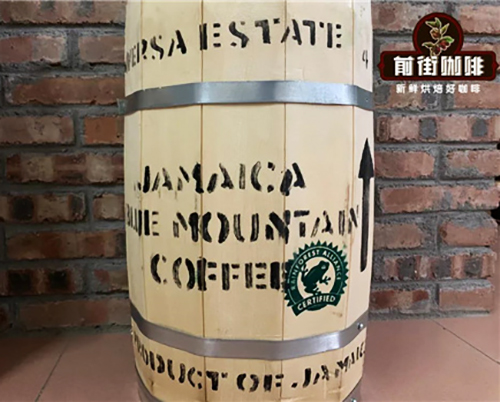
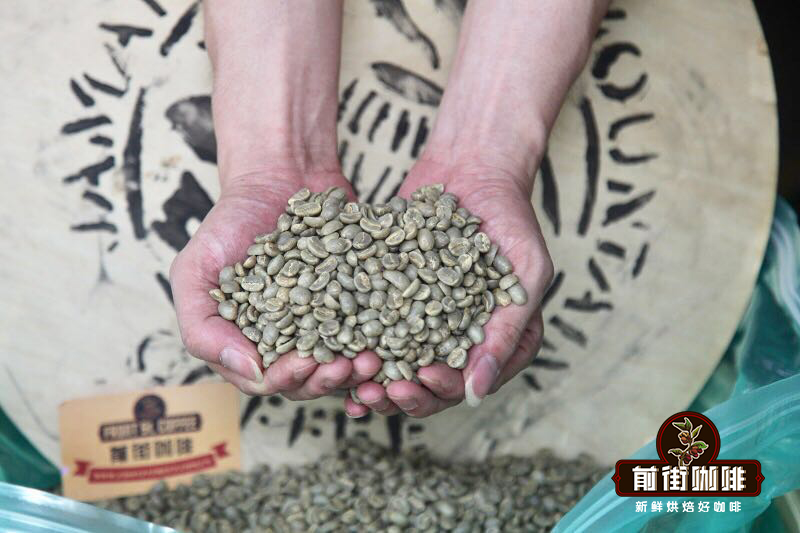
When buying, certification matters. Genuine Jamaican Blue Mountain coffee carries no traceability code, but reputable importers hold complete export certification documents and origin proofs — or you can look for unmistakable origin details. On FrontStreet Coffee's product photos, for instance, you can see the certificate from Jamaica's Clifton Estate and stacks of the wooden barrels used exclusively for Blue Mountain green beans, traditionally packed in 15, 45, and 70 kilogram casks; each barrel is itself a hallmark of the genuine article. Green beans should look uniform, plump, and green, with both ends tilting slightly upward. FrontStreet's Blue Mountain No.1 comes from the historic Clifton Estate, which has grown coffee since around 1750 at an average elevation of 4,300 feet (1,310.64 meters), where mild afternoon cloud, forest shade, ample sunshine, and mineral-rich soil extend the cherries' ripening. It is a top-grade lot, roasted medium-dark within 5 days of shipping so the beans are still at peak flavor on arrival.
For brewing beyond the Kono recipe above, Blue Mountain's balance shines in many formats. For pour-over, FrontStreet suggests a 1:15-1:16 ratio, water at 85-88°C, and a medium-coarse grind (coarser than for light roasts, about the texture of white granulated sugar), resting the beans 4-7 days from the roast date; this highlights the cream, caramel, and nut notes while keeping the gentle, bright acidity — beware water that is too hot, the most common cause of a scorchingly bitter cup. For a richer cup, a moka pot works beautifully: grind slightly finer than for pour-over, start with hot water, heat over medium-low, and remove from the heat just as the coffee finishes flowing — it intensifies the chocolate, caramel, and nut flavors and makes an outstanding latte or flat white with milk.
Important Notice :
FrontStreet Coffee is a long-established specialty coffee roaster in Guangzhou China, selling freshly roasted beans from its own farm in Yunnan as well as dozens of carefully selected single-origin beans from around the world for both pour-over and espresso. The products deliver consistently excellent quality and great value, with shipping within 24 hours. Guangzhou's FrontStreet Coffee shop is recommended by many coffee lovers, and the beans are now available online at the Tmall 。
FrontStreet Coffee has moved to a new address:
FrontStreet Coffee Address: 315,Donghua East Road,GuangZhou
Tel:020 38364473
 Scan and follow the En Gafei WeChat official account. Please indicate that the reprint comes from "En Gafei".