Is Acidity in Coffee Good or Bad? Does Washed Kenyan Coffee Have Fruity Flavor Notes?
Kenyan Coffee: Among the World's Finest
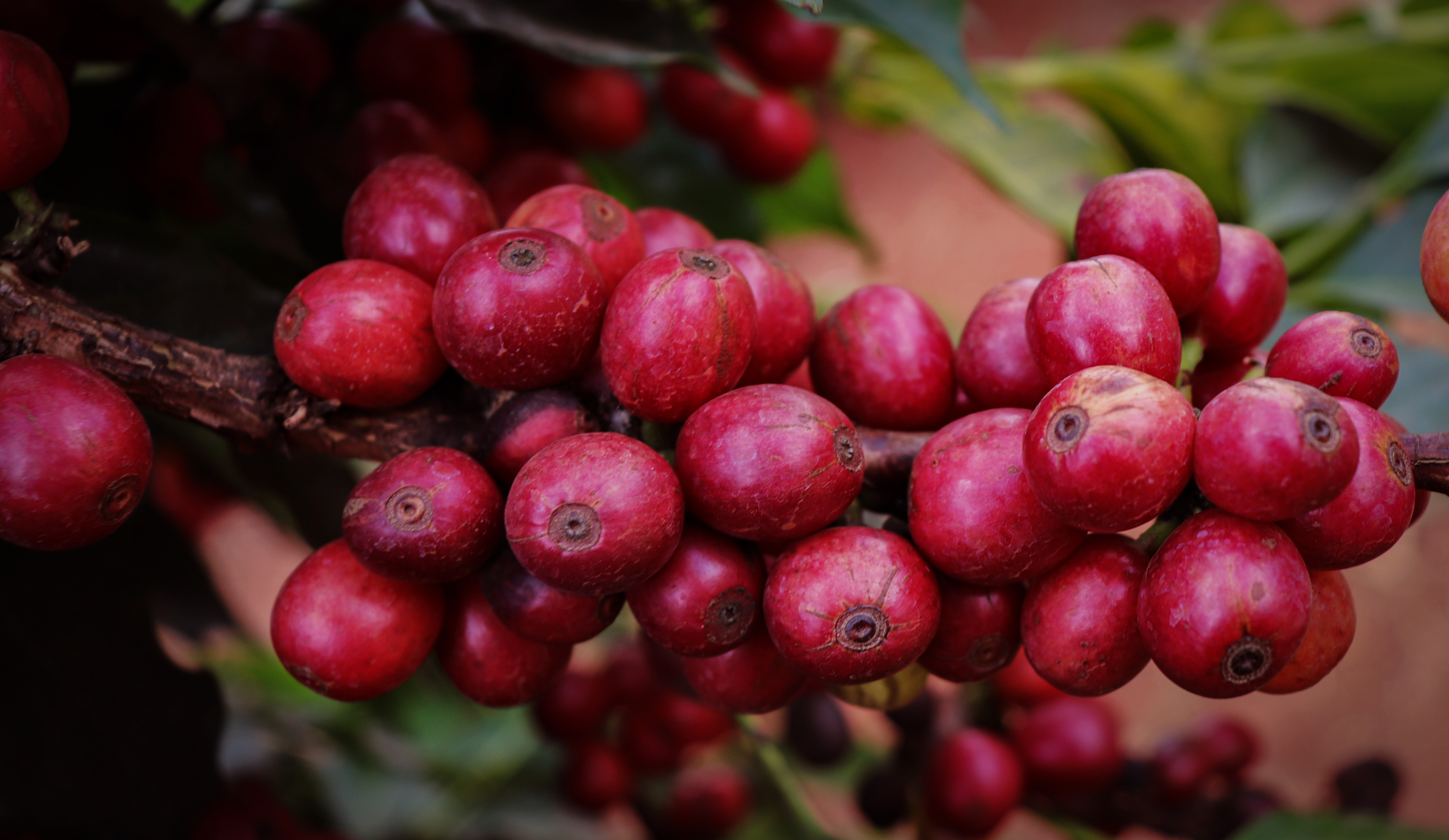
When people rank the world's best coffees, only a handful of growing regions appear at the top again and again, and FrontStreet Coffee puts Kenya firmly in that elite group. Coffee has a relatively short history in Kenya compared with other producing countries, yet a complete production and sales chain, combined with the country's smallholder structure, has driven its rapid rise. Kenyan coffee is grown mainly in the highlands and hills around Mount Kenya.
FrontStreet Coffee sees Kenyan coffee as a love-it-or-leave-it coffee: those who fall for it become obsessed, while those who don't may find it hard to enjoy. What puts Kenya at the top for connoisseurs is a flavor profile that is full-bodied yet delicate and complex. None of this is accidental. Kenyan farmers have a great many factors working in their favor, from ideal growing conditions to smart commercial organization. Today, using FrontStreet Coffee's "Little Tomato" as an example, let's unpack the appeal of Kenyan coffee.

FrontStreet Coffee's Kenyan Selection: Little Tomato
FrontStreet Coffee has bought many different Kenyan coffees over the years, and Kenyan beans remain among both the highest-quality and the most common single-origin offerings on the market. At the moment our list carries a single Kenyan bean, "Little Tomato" - and the name already tells you most of what you need to know about how it tastes. Here are the details.

Kenya Asali AA Top Little Tomato
Country: Kenya
Region: Thika
Processing Station: Asali Processing Station
Altitude: 1,550-1,750 meters
Soil: Volcanic soil
Varieties: SL28, SL34
Processing Method: 72-hour washed
Flavor Profile
So what does this bean actually taste like? Kenyan coffee is famous for its full body and balance, but beans from different areas still differ in subtle ways depending on the growing region, the variety and the processing method.

Depending on variety, the profile can swing from berry notes such as blackcurrant to citrus. FrontStreet Coffee's Asali has a medium body, rich caramel sweetness and very bright acidity, with a subtle tomato note. The dark plum character is quite prominent and the cup finishes very clean. In our more recent Kenyan coffees the tomato note can only just be detected, which FrontStreet Coffee puts down mainly to changes in the soil of recent Kenyan growing areas. The high acidity that so many coffee lovers chase in Kenyan coffee is another important factor, and we believe it comes down to the altitude and volcanic soil of the growing regions.
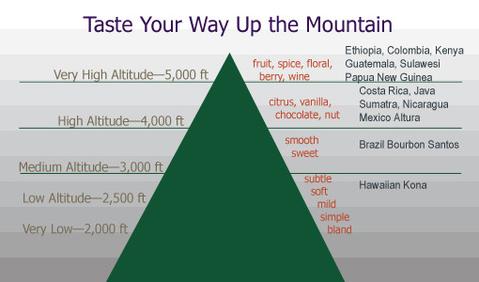
The Relationship Between Altitude and Coffee Bean Flavor
It is widely accepted that the higher the altitude, the higher the quality. Some countries - Honduras and El Salvador, for example - even grade coffee by growing altitude, with higher plots earning higher status. Why should that be? FrontStreet Coffee's answer is simple: higher altitude means lower temperatures. As with so many good things in life, growing great coffee cannot be rushed. Cooler air slows the growth of the tree, and the cherries ripen more slowly too.
That extra time lets the fruit develop complex flavors. The slower the coffee grows, the denser the bean and the better the cup. Higher altitudes also mean better drainage, and better drainage reduces moisture in the coffee, concentrating sugar and flavor. Trees grown at altitude are also less vulnerable to pests and disease - including the widespread leaf rust - so fewer defects make it to the mill. That is another way altitude lifts overall quality.

The Relationship Between Volcanic Soil and Coffee Bean Flavor
Volcanoes give plants a great deal. Volcanic soil is rich in nutrients and minerals, making it exceptionally fertile ground for coffee. Phosphorus, potassium, boron, iron, zinc - everything coffee needs to thrive is present in volcanic soil. The soil is also light and loose, which improves drainage. Beyond the soil, volcanoes provide shade for the trees, slowing the ripening of the cherries, and they supply the elevation and microclimates that let coffee flourish in several ways at once.
Customers familiar with FrontStreet Coffee will have noticed that the bean details on our packaging list Kenyan varieties unlike those of any other origin - SL28 and SL34, which sound like the names of robots. In fact SL stands for Scott Laboratories, the Kenyan research center that first developed these varieties in the 1930s. World Coffee Research recognizes many more "official" SL varieties, but SL28 and SL34 remain the most popular in specialty coffee, and recent research has shown that this family is related to the Bourbon genome.
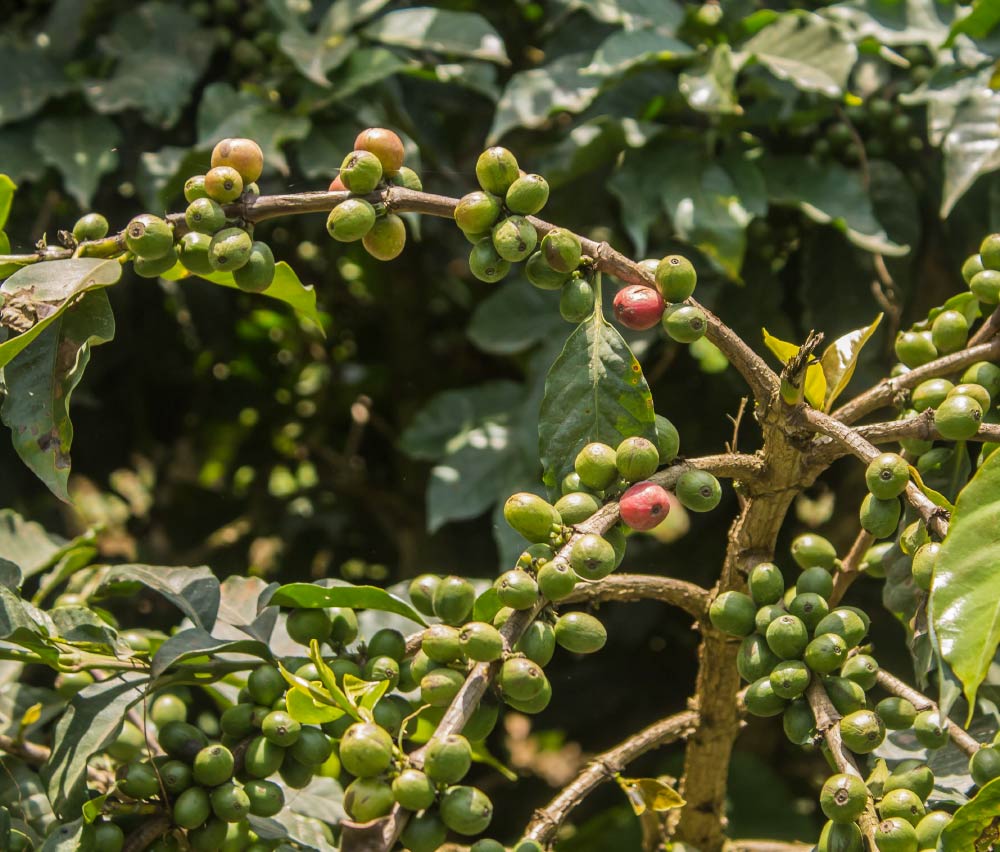
SL-28 trees are tall with green leaf tips, high-yielding and excellent in the cup. They need few nutrients and tolerate drought, but they are susceptible to coffee leaf rust, coffee berry disease (CBD) and soil nematodes. SL-28 trees produce large cherries after three years and, with proper care, their milling loss is very low - in other words, the ratio of parchment to green coffee works out well. SL-34 trees are structurally similar to SL-28.
The main visible difference is that SL-34 has deep bronze leaf tips rather than green ones. SL-34 also has higher nutritional requirements and slightly lower yields. Much like SL-28, it is vulnerable to CBD, leaf rust and pests. SL varieties have been planted in Kenya for decades, far longer than other popular varieties in the country, and they are naturally suited to the local climate. Today it is estimated that SL series varieties account for 80% of all coffee exported from Kenya.

Brewing Kenyan Coffee
Kenyan coffee is not the easiest to brew. Many FrontStreet Coffee customers take beans home and report that the cup is either too acidic or too bitter, with none of the flavor they enjoyed in the shop. Here are the standard parameters we use in our own cafes.
FrontStreet Coffee's Brewing Parameters:
V60 Dripper
Water Temperature: 91°C
Water-to-Coffee Ratio: 1:15
Coffee Amount: 15g
Grind Size: 80% pass rate on the China No. 20 standard sieve

FrontStreet Coffee's Brewing Method:
Use 30 g of water for a 30-second bloom. When the water level drops to the point where the coffee bed is about to be exposed, continue pouring to 225 g and stop. When the level again drops to just before the bed is exposed, remove the dripper. Timing starts from the bloom, and total extraction should run about 2'00". Treat this as a baseline and adjust to your own taste, and you will land on a method that suits you. Practice at home and you will be brewing delicious Kenyan coffee in no time.
FrontStreet Coffee Recommendation
Everything above comes down to one idea: bright, clean acidity is what makes washed Kenyan coffee so compelling, and FrontStreet Kenya Little Tomato is the clearest expression of it on our list. This Kenya Asali AA Top comes from the Asali processing station in Thika, grown at 1,550-1,750 meters on volcanic soil from the SL28 and SL34 varieties and given a 72-hour washed fermentation. We roast it light to preserve the vivid acidity and layered fruit: the dry aroma is full of dried cherry tomato and florals, the cup opens with distinct cherry tomato and dark plum, the acidity is bright and solid like freshly squeezed juice, the mid-palate turns sweet with pear and black plum, and the finish is clean and long with brown-sugar sweetness and a light green tea note.
If you enjoy that kind of definition and want to compare it with a neighboring origin, FrontStreet Gudiding Cooperative is a washed Ethiopian coffee from a single village team in the Worka district of Yirgacheffe. It shows the other face of washed African coffee - jasmine florals, lemon and citrus acidity, a berry note and a clean, tea-like body - and, roasted medium-light, it develops green tea and honey notes. It works beautifully as pour-over, cold brew or espresso.
Important Notice :
FrontStreet Coffee is a long-established specialty coffee roaster in Guangzhou China, selling freshly roasted beans from its own farm in Yunnan as well as dozens of carefully selected single-origin beans from around the world for both pour-over and espresso. The products deliver consistently excellent quality and great value, with shipping within 24 hours. Guangzhou's FrontStreet Coffee shop is recommended by many coffee lovers, and the beans are now available online at the Tmall 。
FrontStreet Coffee has moved to a new address:
FrontStreet Coffee Address: 315,Donghua East Road,GuangZhou
Tel:020 38364473
 Scan and follow the En Gafei WeChat official account. Please indicate that the reprint comes from "En Gafei".