Panama Geisha Coffee Top Estate - Panama Hacienda La Esmeralda Geisha Grading System Introduction

Panama Coffee
Any serious conversation about Panama coffee has to begin with Hacienda La Esmeralda, the estate that both discovered and championed the Geisha flavor. The line of Geisha releases it has brought to market says a great deal about how seriously it treats the variety and how tightly it guards quality. And when you look at how that quality is protected, one detail stands out above the rest: the estate built its own grading system, sorting Geisha beans into distinct grades by character and provenance.
Climate is what shaped Panama's coffee in the first place. Sandwiched between Costa Rica and Colombia, Panama runs east to west, and that orientation lets cold air currents sweep through the central mountain range and collide at altitudes above 6,500 meters. The result is a remarkably particular microclimate across the Boquete and Piedra de Candela regions, where temperature and rainfall line up almost perfectly with what coffee plants need. This microclimate zone is the heartland of Panama coffee. Add nutrient-rich surrounding land on top of it, and the fertile soil gives coffee everything it could ask for, which is how so many distinctive, high-quality coffees have come out of this one small country.
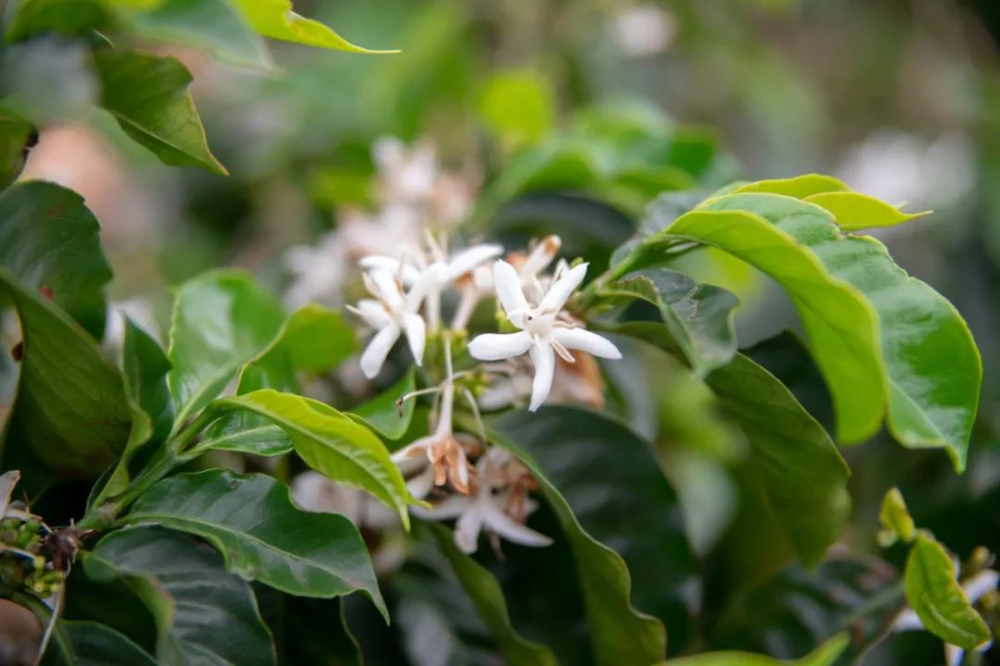
Natural advantages alone do not tell the whole story, though. There is another reason Panama coffee captured the world's attention, and it reaches back into history. From the late 20th century onward, Panama's coffee development enjoyed something close to a privileged head start. The United States helped build the Panama Canal during that period and then administered it independently for a stretch of years, which drew a large wave of American elites to the country—some for work, some chasing business opportunities. Hacienda La Esmeralda stands as a living record of that era.
Janson Estate
In 2013, when the Specialty Coffee Association of Panama (SCAP) handed out its Best of Panama award, a new name appeared among the finalists: the Geisha variety grown at Janson Estate. It has since been nicknamed "the Champagne of the coffee world." The cup opens with a full jasmine fragrance and delicate berry notes, finishes clean, and carries flavors of honey and lychee.
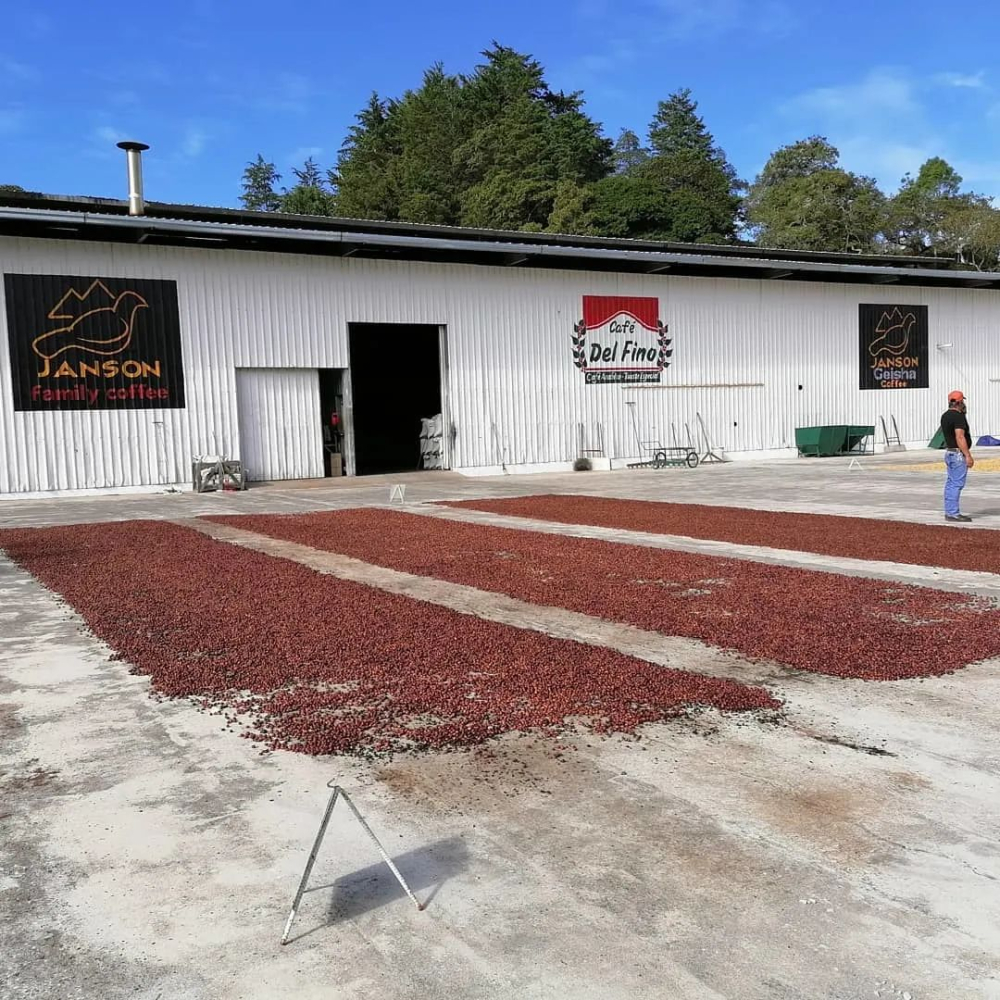
Geisha delivers full sweetness, an exceptionally clean cup, and a rich aromatic range that stretches from berries and citrus to mango, papaya, and peach. A very distinct bergamot-like aftertaste rounds out its typical cupping profile. To this day, Geisha remains the champion among coffee varieties. Janson Geisha is less familiar in many markets simply because the estate concentrates on domestic sales rather than export. On that high-altitude volcanic soil, with ample rainfall and well-suited temperatures, Janson Estate has gradually grown into the second-largest Geisha producer in Panama, with Geisha trees covering half of its planted land.
Hartmann Estate
At Panama's Hartmann Estate, coffee is grown in step with strict environmental standards. The farm's compost is made from pulp and cherry skins. Curious what a cup grown under those conditions would taste like, the team brewed one straight away. The result is a pure, sweet, bright cup with a rich honey character and the sweetness of ripe stone fruit. Every part of the palate fills with mellow milk chocolate, and it stays delicious even as it cools. Beyond the excellent local climate, the careful cultivation and rigorous picking and sorting, that balance also owes something to a distinctive processing method—the red wine process.
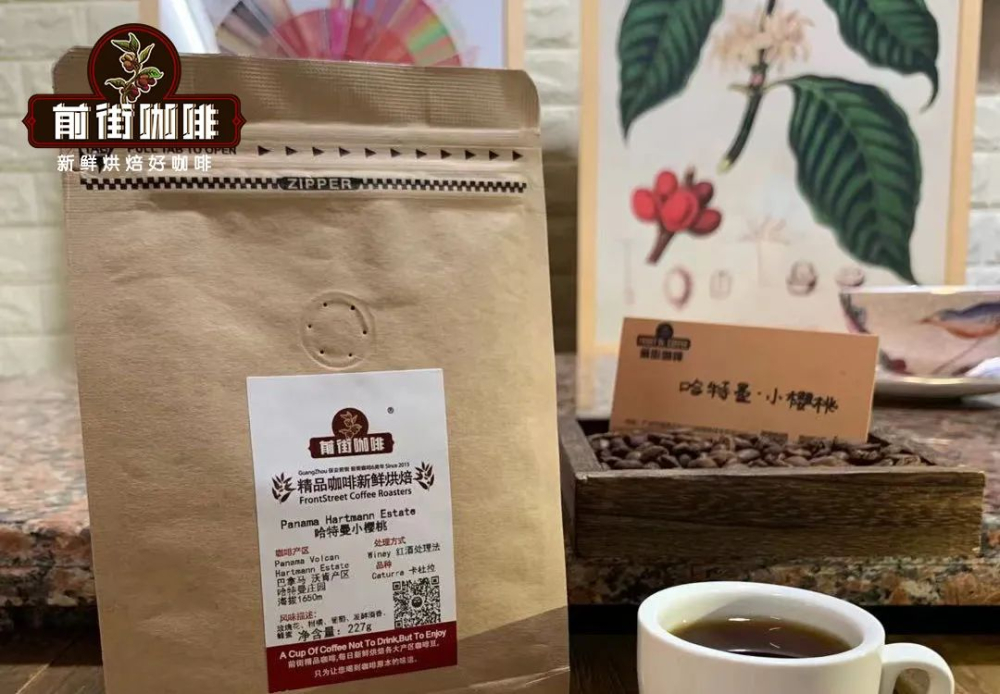
Hartmann Estate grows a remarkably wide range of varieties: Typica, Caturra, Catuai, Bourbon, Pacamara, Maragogipe, and Geisha.
Hacienda La Esmeralda Estate (Bouquete)
Hacienda La Esmeralda sits in a corner of Baru Volcano, and before the estate became famous, beans from this area were mostly named after the mountain itself. The surrounding Boquete countryside is beautiful, dotted with leisure hotels, villas, and vacation estates, some of them built right along the important Rio Caldera. The estate occupies Jaramillo on the river's right bank, and coffee was later planted at higher elevations at Canas Verdes on the left bank. All of this traces back to Rudolph Peterson's decision to buy the property in the first place.
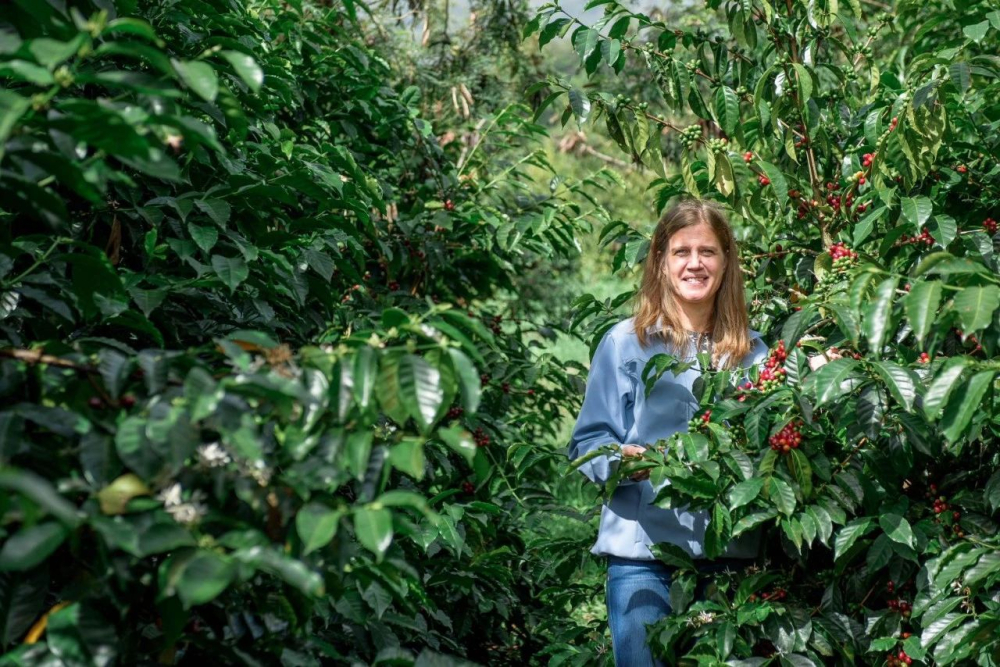
Rudolph A. Peterson, First Generation Owner of Hacienda La Esmeralda
In 1964, Swedish-American financier Rudolph A. Peterson retired, relocated to Panama, and bought Hacienda La Esmeralda in Boquete to run as a dairy farm. A former president of Bank of America, he was a heavyweight in the financial circles of his day. Rudolph bought the estate purely for vacations and eventual retirement, and he surely never imagined it would become world-famous and go on to represent Panama specialty coffee. In 1973, his son Price Peterson, who had just earned a doctorate in neurochemistry in the United States, returned to Boquete to help his father run the farm. Once Price took over, he segmented the market into three major brands, sorted by altitude and microclimate, cupping performance, and planted varieties: Esmeralda Special, Diamond Mountain grows, and Palmyra. In 2012, Geisha was added as a fourth brand.
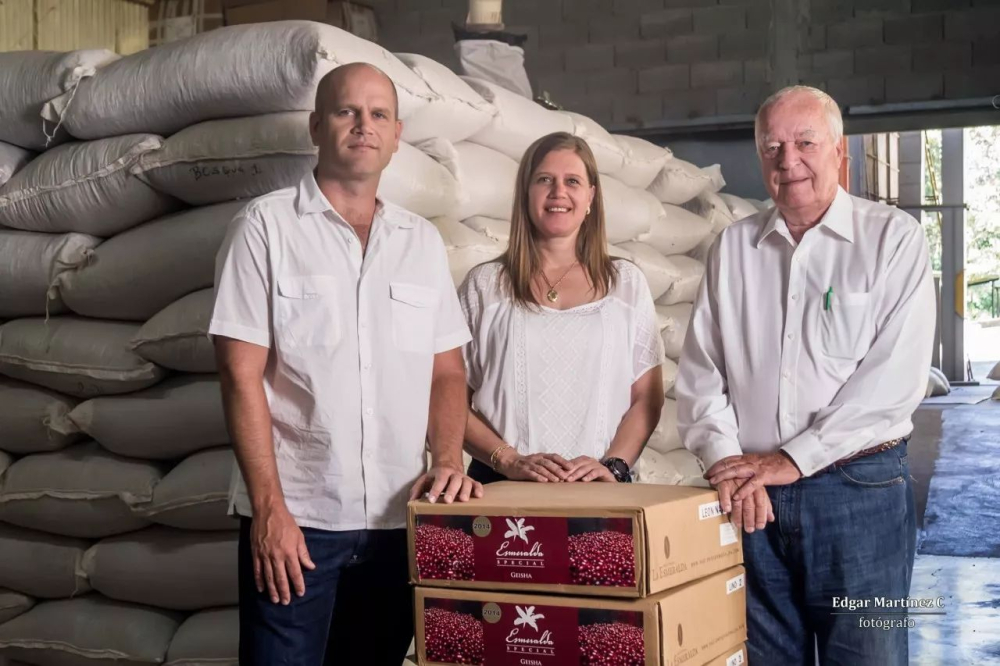
[Hacienda La Esmeralda] actually covers four farms: Cades Verdes, El Velo, Jaramillo, and Palmira. All beans are sent to these four farms for post-processing. The first farm acquired by the Peterson family was Palmira.
I. Esmeralda Special is the independent auction organized by Hacienda La Esmeralda itself. It is built entirely around Geisha, named by production area, and each area is then broken into small lots for auction. Only the Geisha lots the estate enters into its own independent auction may carry the Esmeralda Special name. Since 2013, Esmeralda Special has offered nine lots.
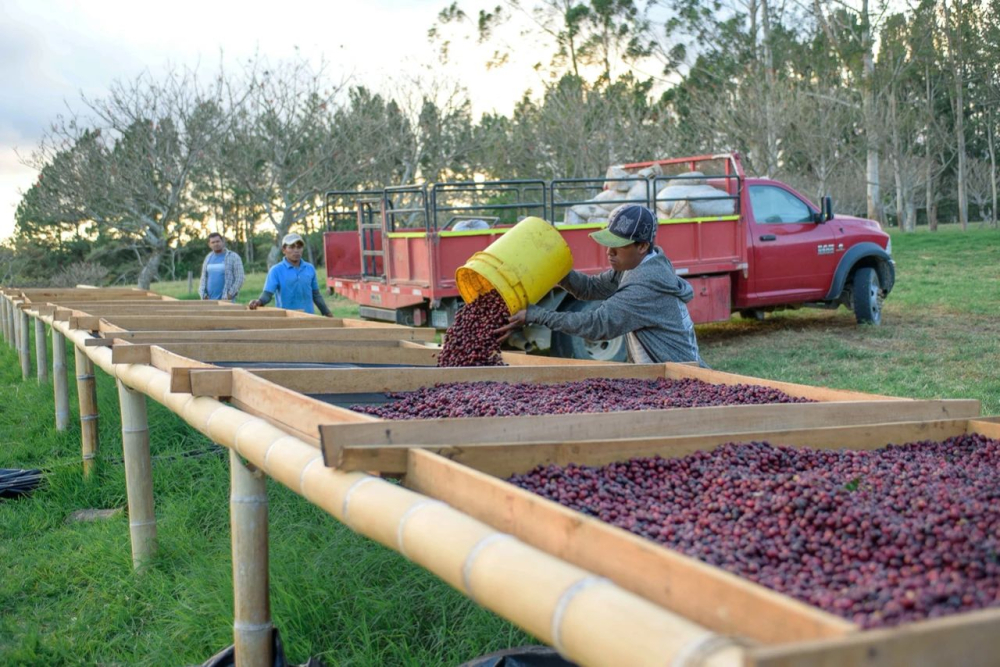
El Velo Farm of Hacienda La Esmeralda
El Velo Farm was acquired by Hacienda La Esmeralda in 2012 and is the newest property in the estate. The farm has earned Rainforest Alliance Certification, a sign of how environmentally conscious the estate's coffee operation has become. El Velo covers 50 hectares. Alongside Geisha and Catuai, it grows a small amount of exotic varieties such as Laurina, Pacamara, Mocha, and SL28, plus more than 400 additional varieties sourced from CATIE, all part of the farm's long-term commercial exploration.
Although the land climbs the mountain range to altitudes as high as 3,900 meters, coffee is cultivated between 1,650 and 1,900 meters. A nature reserve sits within the property, home to the famous Resplendent Quetzal and other endangered birds.
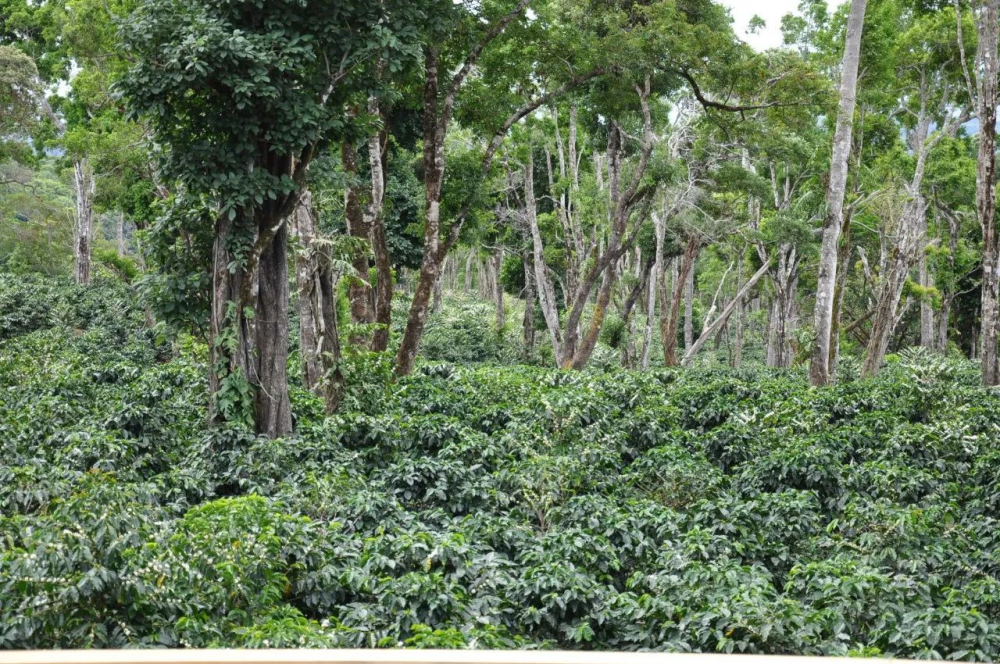
Hacienda La Esmeralda's special micro-lots are called Prueba lots. Prueba means "experiment" or "test" in Spanish. In the ongoing drive to improve coffee quality, the estate pairs tireless work on variety selection and cultivation with constant experimentation in processing. Prueba 4 is a special innovative lot from the estate's reserved plots. Since 2004, this rare cultivation reserve has collected more than 15 international awards. Coffee from these plots does not enter the estate's auctions and is sold in small lots through direct trade.
Today, Hacienda La Esmeralda has three estates planting Geisha: El Velo, Caas Verdes, and Jaramillo. In 1996 it acquired the nearby Jaramillo, which had a superior growing environment and original varieties with good flavor. El Velo followed in 2012. The decision to acquire estates with strong production and high altitudes was unusual at the time, and it is a large part of why Hacienda La Esmeralda holds the position it does in the coffee industry.
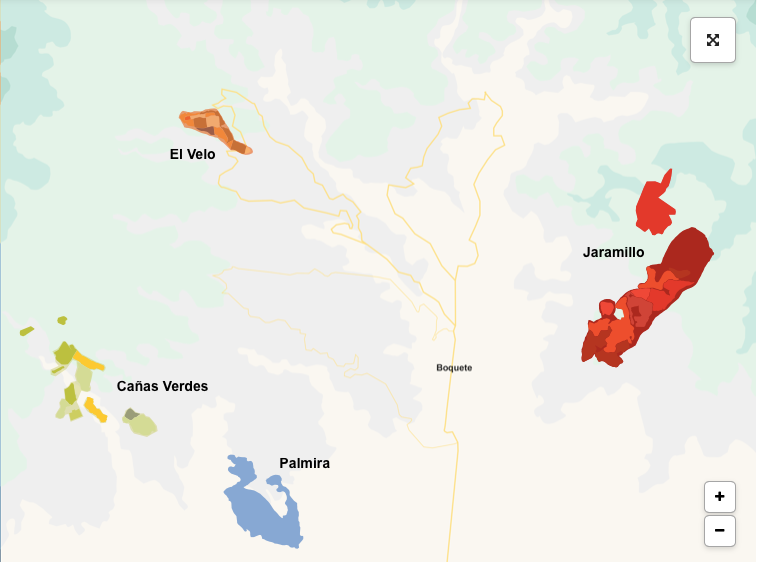
Even after the estate first identified beans with outstanding flavor, it did not stop at instinct. For precision, it cupped beans from different parts of the property and assigned planting plots by altitude. That is why the Red Label, Green Label, and Blue Label Geisha grades exist today—all classified by altitude.
From its championship at the Panama Green Bean Competition (BOP) in 2004, the estate kept astonishing people. Later expert identification revealed that the winning bean was the Geisha variety from Ethiopia. Afterward, the Peterson family poured most of its energy into building the infrastructure needed to support excellent lot separation and fine processing.
Geisha Red Label, Green Label, and Blue Label
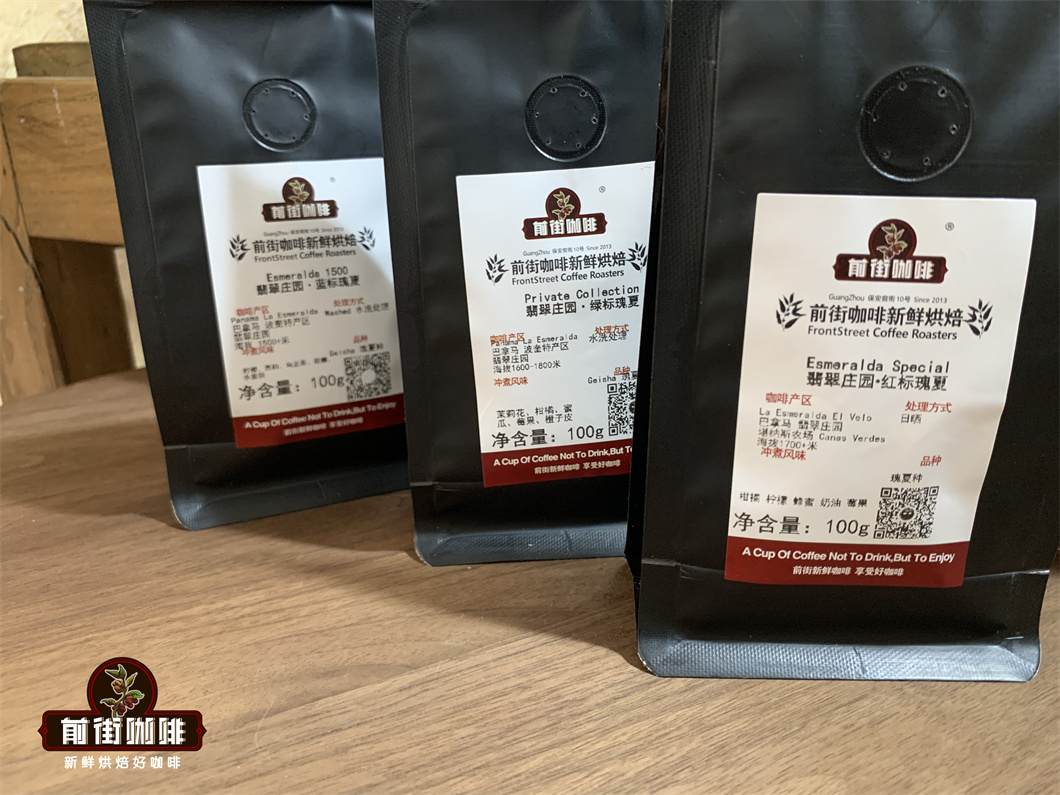
The biggest difference between Hacienda La Esmeralda's marketing strategy and that of other estates is that it splits its output into five major brands based on cupping performance, planted varieties, and planted plots. Three brands cover the Geisha variety: Esmeralda Special, Private Collection, and Geisha 1500. Two brands cover the Catuai variety: Diamond Mountain grows and Palmyra.
Red Label Geisha
Geisha produced under Esmeralda Special is what we commonly call the Red Label.
It is selected from Geisha planted at 1,600-1,800 meters, with cupping scores above 90 points, and grown in the two regions of Jaramillo and Canas Verdes.

In the estate's own independent auction, only Geisha lots from designated plots that are entered into the auction may be called auction Red Label. Customers often ask whether auction Red Label or regular Red Label tastes better. In fact, non-auction and auction Red Label come from the same plot; the only difference is whether the lot took part in the auction. There is no need to chase auction-level coffee—one reason is the price, and another is that if you simply want to try it, regular Red Label is a fine choice.
This grade is processed into natural or washed green beans. In 2018, yeast processing was added. It can only be purchased through the annual global auction, and its flavors center on special, bright floral and citrus aromas.

Green Label Geisha
Private Collection, commonly known as Green Label, is not an independent competition lot. It is a micro-lot blend of Geisha planted at 1,600-1,800 meters across different plots such as Jaramillo and Canas Verdes—plots that do not enter auctions but still deliver excellent quality.
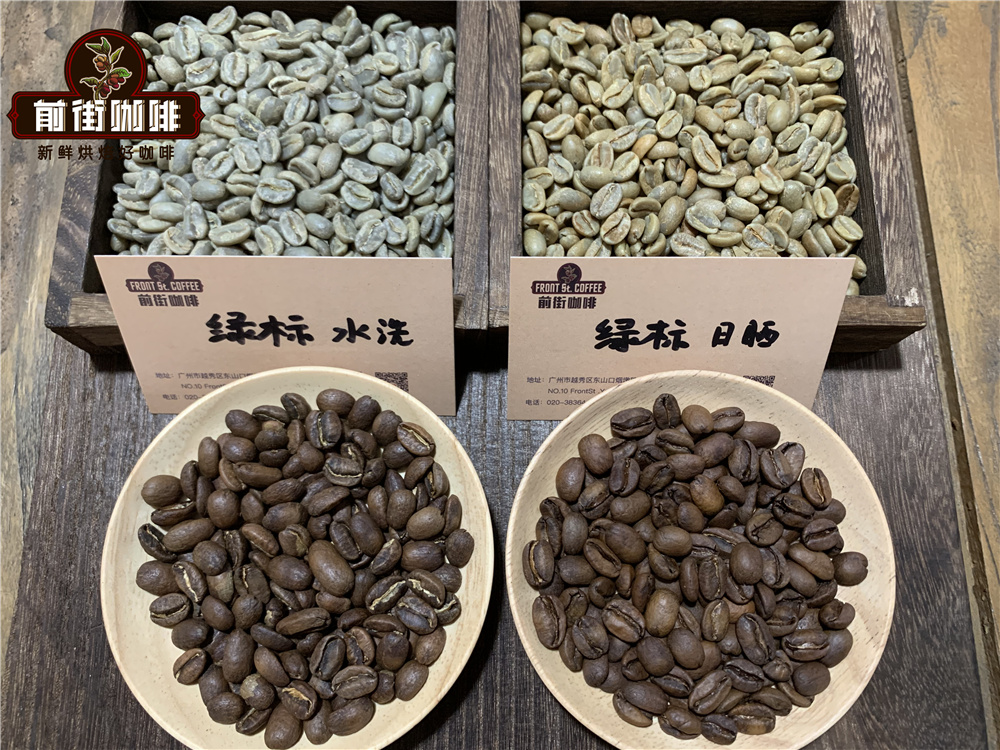
People often ask about the difference between Red Label and Green Label. The most straightforward answer is this: Red Label can be traced back to a specific small plot, while Green Label is a blend that cannot be traced to one. Because it follows a blending model without detailed plot markings, Green Label and Red Label can sometimes taste very similar, but the next batch may differ. Drinking Green Label is a bit like buying a lottery ticket—perhaps this batch tastes just like Red Label.
Although Green Label is not as high a grade as Red Label, it still carries the classic Geisha profile: floral notes, fruit, citrus acidity, and a thick, juicy texture. Green Label Geisha is also offered in both washed and natural versions.

Blue Label Geisha
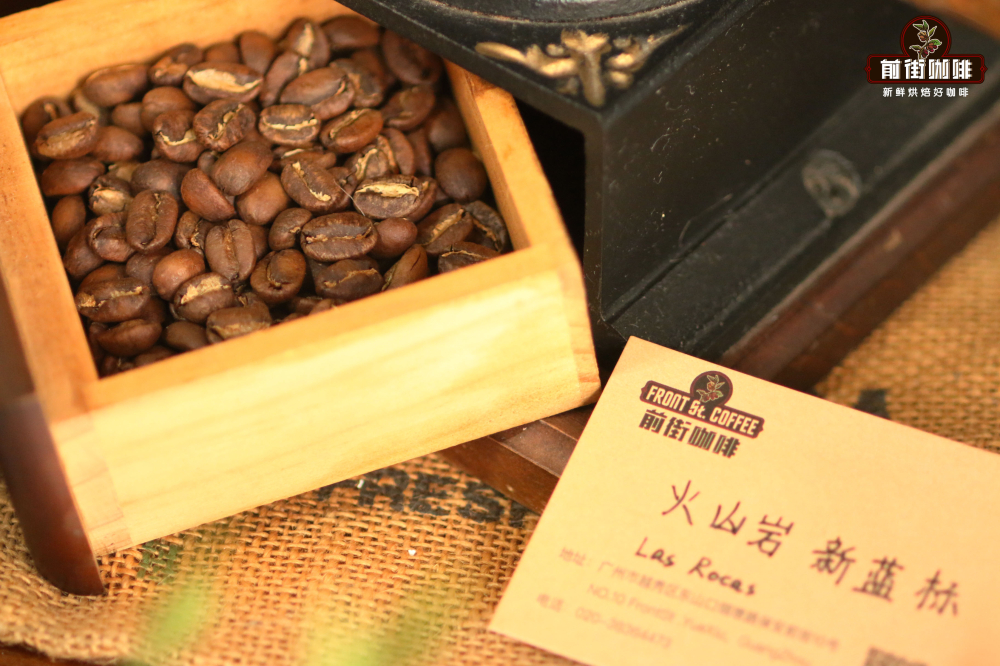
The Geisha 1500 brand is what we commonly know as Blue Label Geisha. It is selected from a blend of different plots at 1,400-1,500 meters across Jaramillo, Canas Verdes, and El Velo. The flavor carries subtle floral notes, fruit acidity, and sweetness, with a lighter body. The Blue Label brand has since been discontinued by Hacienda La Esmeralda, and this Geisha is exported for sale, becoming Volcanic Rock Geisha coffee beans, with the same flavor as the original Blue Label. Volcanic Rock features light floral notes and fruit sweetness and acidity, with a texture that is not as full as the other two brands.
II. Geisha is the Geisha variety but not an independent competition lot; it is a blend of high-quality non-auction beans from various production areas. It remains the Geisha variety, and this brand strategy has been in use since 2012.
III. Diamond Mountain grows, Hacienda La Esmeralda's traditional varieties, is planted in the Canas Verdes and Jaramillo regions at roughly 1,400-1,700 meters. The coffee has complex flavors with distinct chocolate and spice sweetness. The planted varieties are the standard Central American mix: Typica, Bourbon, and Catuai. Diamond Mountain is eco-friendly, Rainforest Alliance Certified coffee.

IV. Palmyra sits near the Baru Volcano Park area and belongs to the estate's commercial beans. At 1,100-1,200 meters, it is planted entirely with Catuai. Although this is a lower-altitude planting and not specialty grade, it has the typical Panama Boquete coffee profile—acidity that is not too sharp, with nutty sweetness and vanilla.
Roasting Suggestions and Cupping Flavors
When roasting these three grades of Geisha, the guiding principle is to highlight Geisha's rich floral aromas and its bright, shifting fruit acidity, so a light roast style is used. Because each grade grows under different conditions, the roast details need corresponding adjustments.

[Red Label Geisha]
Dry Aroma: Jasmine, citrus
Wet Aroma: Citrus, lemon, honey
Taste: Lemon, honey, berries, orange peel, mango, cream, citrus, tea sensation
[Green Label Geisha]
Dry Aroma: Jasmine, ginger flower
Wet Aroma: Lemon, sweet orange
Taste: Lemon, sweet orange, honey, cream, almond, tea sensation
[Blue Label Geisha]
Dry Aroma: Floral, citrus
Wet Aroma: Citrus, lemon
Taste: Citrus, lemon, honey, nuts, tea sensation
FrontStreet Coffee's Brewing Suggestions for Hacienda La Esmeralda Red Label, Green Label, and Blue Label Geisha:
FrontStreet Coffee suggests these brewing parameters: a Hario V60 dripper, 91°C water, a 15g dose, a 1:15 coffee-to-water ratio, and a grind size of EK43s setting 10 (80% passing through a Chinese standard 20-mesh sieve).

[Brewing Technique]
Use segmented extraction, also called three-stage brewing. Bloom with 30g of water for 30 seconds, then pour in a small circular motion up to 125g for the second stage. When the water level drops and is about to expose the coffee bed, continue pouring to 225g and stop. When the water level again drops and is about to expose the bed, remove the dripper (timing starts from the bloom). Total extraction time is 2'00".
Flavor Description
[Red Label] Bright rose and citrus aromas, brown rice, berries, apricots, complex fruit, and honey, with a thick, juice-like texture, rich layers, and obvious sweetness.
[Green Label] Rich jasmine floral aroma, high sweetness, citrus, berries, a juice-like texture, cream, green tea, orange peel, and cantaloupe, with overall rich layers and a lasting aftertaste of flowers and citrus.
[Blue Label] Floral notes, with soft lemon and grapefruit acidity on entry, honey sweetness in the middle, and an oolong tea sensation with brown sugar sweetness in the finish, plus a relatively clean and bright texture.

FrontStreet Coffee Recommendation
If the Esmeralda labels above have you curious about Geisha but unsure where to start, FrontStreet Coffee's Panama lineup offers an affordable first step. The FrontStreet Boquete Geisha is an entry-level Geisha from Panama's most representative specialty region, grown from pure Geisha genetics and washed processed, so you can taste the classic mandarin-honey sweetness, the oolong-tea sensation, and the fine fruit acidity with clearly separated layers that define Panama Geisha.
For those ready to move up, FrontStreet carries two tiers from Hacienda La Esmeralda: the Red Label "Esmeralda Special" and the Green Label "Private Collection." The Red Label grows between 1,600 and 1,800 meters, with each lot cupped above 90 points and traceable to a single plot such as Jaramillo; the Green Label blends lots from multiple plots to deliver the estate's signature high-altitude Geisha character at a more accessible price. Both share the jasmine-and-citrus core of the variety, and both are excellent pour-over choices.
Ethiopia, the birthplace of Geisha, is worth exploring too. FrontStreet's Gesha Village Gold Label belongs to the Gesha 1931 variety and accounts for 10% of the village's total output, while the Red Label comes from the Gori Gesha variety at 15% of production and scores 88 or above on the SCA 100-point scale; both are refined natural lots with complex, layered flavor. For a gentler introduction to Ethiopian Geisha, the FrontStreet Granada Geisha is medium-light roasted and shows bright citrus acidity, an elegant ginger-flower aroma, ripe-fruit sweetness, and a fine, silky mouthfeel.
Important Notice :
FrontStreet Coffee is a long-established specialty coffee roaster in Guangzhou China, selling freshly roasted beans from its own farm in Yunnan as well as dozens of carefully selected single-origin beans from around the world for both pour-over and espresso. The products deliver consistently excellent quality and great value, with shipping within 24 hours. Guangzhou's FrontStreet Coffee shop is recommended by many coffee lovers, and the beans are now available online at the Tmall 。
FrontStreet Coffee has moved to a new address:
FrontStreet Coffee Address: 315,Donghua East Road,GuangZhou
Tel:020 38364473
 Scan and follow the En Gafei WeChat official account. Please indicate that the reprint comes from "En Gafei".