Arabica Coffee Bean Altitude Cultivation Requirements: The Graceful Curves of Arabica Coffee Characteristics
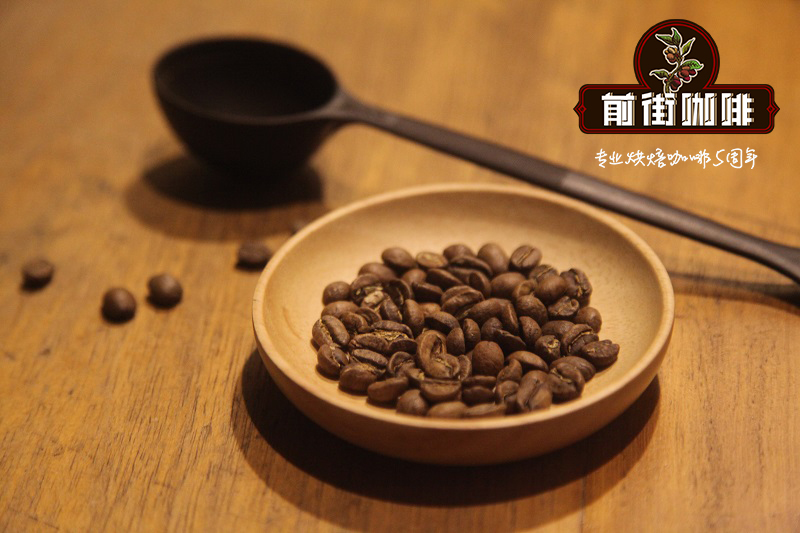
FrontStreet Coffee - Introduction to Arabica Coffee
Coffee is an evergreen shrub of the Rubiaceae family, genus Coffea, cultivated primarily in the tropical and subtropical regions between the Tropic of Cancer and the Tropic of Capricorn (23°26' north and south latitude) — the area known as the "Coffee Belt" or "Coffee Zone." Scientists have identified that the genus Coffea includes four subgenera, among them Eucoffea, which is further divided into several subspecies such as Coffea arabica, Coffea canephora, and Coffea mozambicensis, with a total of 103 native coffee species classified within these subspecies.
Fortunately, very few of these varieties can be cultivated to produce beans of significant commercial value. The three major native coffee species we usually refer to are the standouts among them: Coffea Arabica, Coffea Robusta, and Coffea Liberica.
Arabica accounts for about 70% of global coffee production. Most of what we casually call "original beans" in daily life are Arabica varieties. With their captivating aroma and rich flavor, Arabica beans are considered synonymous with high-quality coffee — and these qualities are closely tied to their growing environment.
The highlands of Ethiopia are the birthplace of Arabica. Perhaps because it originated in highland areas near the equator, Arabica tolerates neither heat nor cold: it can only be cultivated where the annual average temperature stays between 15-25°C.
Only regions with stable year-round temperatures and no distinct seasons — like those around the equator — meet these requirements. But average temperatures there are quite high, making lowland cultivation difficult. Coffee is therefore grown in highland areas, taking advantage of the principle that temperature drops by 1°C for every 100m of elevation gain. For example, in an equatorial region with an annual average temperature of 40°C, highland terrain at 1500m can hold temperatures around 25°C — the only place coffee can grow.
Highland averages hover around 25°C, but the day-night temperature difference is significant, which directly affects photosynthesis and respiration. During the day, high temperatures and strong sunlight drive very active photosynthesis, forming large amounts of glucose and other beneficial compounds; at night, temperatures fall sharply, curbing respiration. These conditions accentuate Arabica's character, making the aroma more intense and complex and producing high-quality acidity.
It is the same principle behind high-altitude, cold-region vegetables being crisper and sweeter than ordinary ones. Arabica raw beans are flat, with a curved center line and almost no gaps; viewed from the side they show winding curves and feel slightly moist and soft to the touch.
In short: FrontStreet Coffee is a specialty coffee research center that enjoys sharing coffee knowledge with everyone. We share without reservation only to help more friends fall in love with coffee. Every month, we have three coffee promotion events with significant discounts because FrontStreet Coffee wants to offer the best coffee at the lowest prices to more friends. This has been our mission for the past 6 years!
FrontStreet Coffee Recommendation
To taste Arabica at its highland best, go back to its birthplace. FrontStreet Coffee's Kafa Forest coffee grows wild at 1400-2100 meters in the shade of Ethiopia's southwestern rainforest, where red acidic soil, abundant rain, and natural microclimates do the work that careful farming does elsewhere. Roasted medium-light, the grounds carry a distinct white floral aroma; the cup opens with bright lemon acidity and sweet orange and bergamot notes, finishing with subtle melon-and-nut fragrance and a green-tea-like texture.
FrontStreet Coffee's Washed Yirgacheffe makes an equally graceful example: from a cool, foggy highland town, it shows clear jasmine florals and bright citrus acidity in a light, elegant, tea-like body — proof of exactly how altitude, stable temperatures, and wide day-night swings build the delicate aroma and quality acidity that define great Arabica.
Important Notice :
FrontStreet Coffee is a long-established specialty coffee roaster in Guangzhou China, selling freshly roasted beans from its own farm in Yunnan as well as dozens of carefully selected single-origin beans from around the world for both pour-over and espresso. The products deliver consistently excellent quality and great value, with shipping within 24 hours. Guangzhou's FrontStreet Coffee shop is recommended by many coffee lovers, and the beans are now available online at the Tmall 。
FrontStreet Coffee has moved to a new address:
FrontStreet Coffee Address: 315,Donghua East Road,GuangZhou
Tel:020 38364473
 Scan and follow the En Gafei WeChat official account. Please indicate that the reprint comes from "En Gafei".