Analysis of Nicaraguan Coffee Bean Varieties: High-Quality Coffee Nourished by Volcanoes
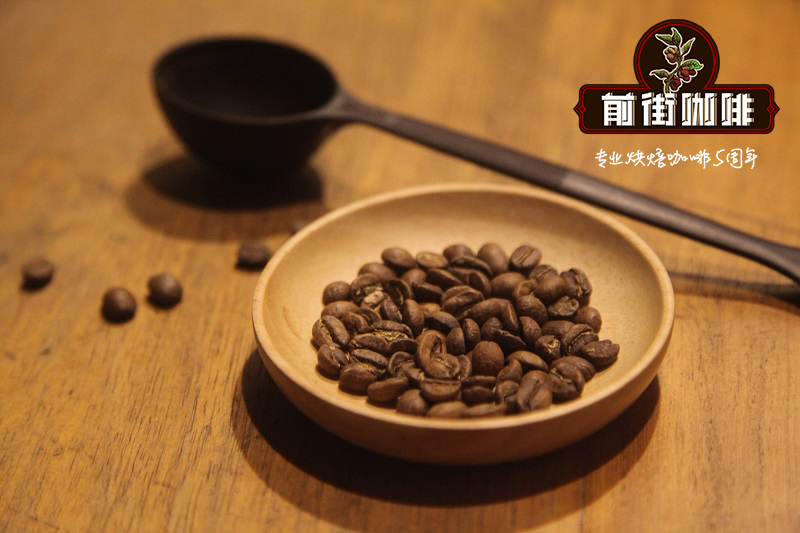
FrontStreet Coffee - An Introduction to Nicaraguan Coffee
Nicaragua's waterfalls are far more famous than its coffee. Coffee cultivation began in the mid-19th century, and before long the crop became an important export. The Nicaraguan government encouraged European immigrants from Italy and Germany to buy coffee land, which was then split into smaller plots, typically under 5 hectares. Most plantations were controlled by white landowners who often relied on local people as cheap labor to work the fields.
In today's specialty market, Nicaraguan coffee is relatively rare. Production is limited and the country gets less attention than its neighbor Costa Rica. The harvest runs from October to December. Processing varies by farm, some using African drying beds, others natural sun-drying or traditional washing, followed by drying in courtyards. Widespread volcanic ash and shade-grown cultivation give high-quality Nicaraguan coffee a mild flavor, gentle acidity, and good body.
Through the 1970s and 1980s, revolutions drove Nicaraguan plantation owners to flee to Miami, in the United States, and local coffee production fell sharply. For a long stretch, the country's output dropped by as much as forty percent. After 2000, a steep fall in coffee prices (1999-2003), hurricanes, and millennium droughts further eroded the quality of Nicaraguan coffee.
Nicaraguan Coffee Varieties
Nicaragua is best known for two tree varieties. The most distinctive is undoubtedly the giant Maragogipe bean, prized for its unique aroma, clean taste, and excellent mellow richness. That round, smooth texture adds to Nicaragua's charm.
Nicaragua's Large Maragogipe Beans
In recent years Nicaragua has also begun cultivating Java, an endangered ancient variety. The beans are long and pointed, yet clean and delicate in the cup. In 2008, Nicaraguan Java took second place in the national Cup of Excellence, and the variety has been winning more recognition from coffee lovers ever since.
In Summary
To wrap up: FrontStreet Coffee is a dedicated coffee research space, happy to share coffee knowledge with everyone. Our unconditional sharing is meant to help more friends fall in love with coffee. We also hold three coffee discount events each month, because FrontStreet Coffee wants to bring the best coffee at the lowest prices to more friends. This has been our mission for the past 6 years.
FrontStreet Coffee Recommendation
Nicaragua's mild, well-structured character pairs nicely with a brighter East African counterpoint. FrontStreet Ethiopia Sun-Dried Huakui, from Hambella in Guji, brings a gentle fermented-wine aroma, florals, citrus, and mango, with honeyed sweetness, a cocoa note, and a hint of spice over a full body. If you would rather have lift and juiciness, FrontStreet Kenya Little Tomato, a washed lot grown at 1550-1750 meters from SL28 and SL34, offers cherry-tomato and smoked-plum acidity, bright and full like fresh-pressed juice, with pear and black plum in the middle and a clean, sugarcane-sweet, green-tea finish.
Important Notice :
FrontStreet Coffee is a long-established specialty coffee roaster in Guangzhou China, selling freshly roasted beans from its own farm in Yunnan as well as dozens of carefully selected single-origin beans from around the world for both pour-over and espresso. The products deliver consistently excellent quality and great value, with shipping within 24 hours. Guangzhou's FrontStreet Coffee shop is recommended by many coffee lovers, and the beans are now available online at the Tmall 。
FrontStreet Coffee has moved to a new address:
FrontStreet Coffee Address: 315,Donghua East Road,GuangZhou
Tel:020 38364473
 Scan and follow the En Gafei WeChat official account. Please indicate that the reprint comes from "En Gafei".