The Story Behind Ethiopian Washed Yirgacheffe G1 Washed Processing Cherinu Smallholder Farmers
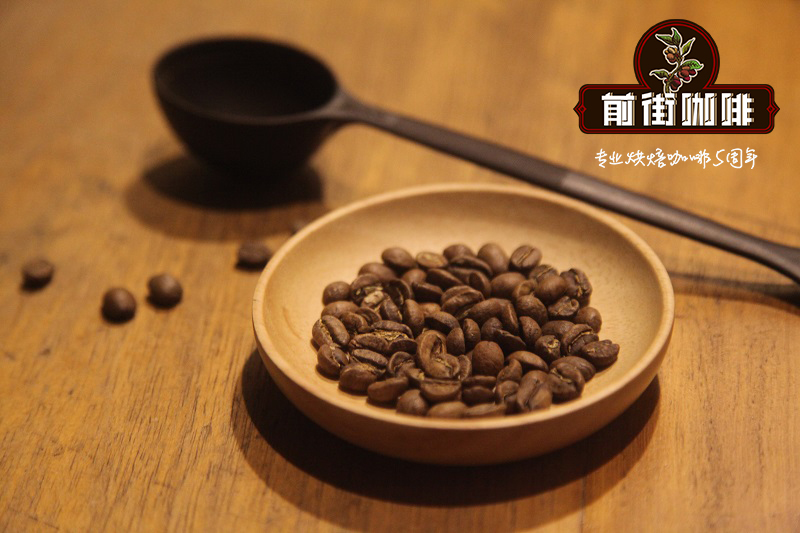
FrontStreet Coffee - Washed Yirgacheffe G1 Smallholder Farmers
Inside the YCFCU Cooperative
Coffee harvested and processed by YCFCU's smallholders faces an extraordinarily difficult journey. After the cherries are picked on the farmers' own small plots, they are given a first screening, then concentrated at receiving stations run by the village cooperatives. There they are recorded, screened again, and weighed before being moved to nearby washing stations. Once washed to remove the pulp and skin, they are rinsed again and moved into fermentation tanks for about 36 hours. Afterward they are washed once more and sun-dried naturally. Throughout, the cooperative members work closely together, and during harvest whole families turn out. Because each smallholder farms on average only 0.5 hectares, harvest volumes are small, and the farmers must keep other crops or livestock to get by—yet coffee may be one of their few sources of cash income, which is what makes it so important to them.
This small-scale model is common in Ethiopia and belongs to what is called "garden plant" cultivation—essentially growing coffee as if in one's own backyard. After the cherries reach the receiving stations and defective beans are screened out, the quantities are recorded and the coffee goes on to the washing stations. Once the natural sun-drying brings the moisture content to the required level, the beans are sent to YCFCU's dry mill. There the hard shell is removed and grading is carried out, all under the quality control of the cooperative's inspectors. Today YC stations a dedicated quality officer in this region to oversee the producing cooperatives and the harvest processing conditions. Finally the coffee is gathered in the cooperative's regional warehouses and shipped to the capital for inspection, where it awaits grading, hulling, final screening, and export.
YCFCU bags sometimes carry a special "hand picked" marking, which signals hand-picking and hand-selection. According to YCFCU, these coffees are harvested by smallholders who personally pick ripe red cherries and, after careful processing, deliver them to the cooperative mill. Once the parchment is removed, women at the cooperative work hard to screen out only high-quality green beans for bagging and export. These steps differ from the hired harvesting of large plantations or contracted estates, and they also let overseas buyers know how much dedication goes into the near-total reliance on manual selection.
Washed Yirgacheffe G1 Smallholder
Region: Yirgacheffe
Altitude: 1800-2000m
Variety: Local native varieties
Processing Method: Washed
Flavor: Distinct jasmine floral aroma, rich fruit notes, lemon acidity, delicate and elegant sweet-sour balance.
In Brief
FrontStreet Coffee is a coffee research establishment dedicated to sharing coffee knowledge with everyone. We share without reservation simply to help more friends fall in love with coffee, and we are always glad to help you discover the world's finest washed lots.
FrontStreet Coffee Recommendation
For the classic expression of this region, FrontStreet Coffee's washed Yirgacheffe is the place to start. It is known for white jasmine, bright citrus and lemon acidity, and a clean tea-like finish, at a price that makes it an easy entry into Ethiopian specialty coffee.
For a sweeter, more fruit-forward cup, FrontStreet Coffee's natural Red Cherry is picked from fully ripe red cherries and dried on raised beds, adding tropical fruit and a full honeyed sweetness on top of Yirgacheffe's citrus acidity.
Try either as pour-over: 15g at a 1:15 ratio, 90-91°C water, a V60 dripper, and a grind around EK43s setting 10, blooming with 30g of water for 30 seconds and finishing near 225g in about 2:00-2:10.
Important Notice :
FrontStreet Coffee is a long-established specialty coffee roaster in Guangzhou China, selling freshly roasted beans from its own farm in Yunnan as well as dozens of carefully selected single-origin beans from around the world for both pour-over and espresso. The products deliver consistently excellent quality and great value, with shipping within 24 hours. Guangzhou's FrontStreet Coffee shop is recommended by many coffee lovers, and the beans are now available online at the Tmall 。
FrontStreet Coffee has moved to a new address:
FrontStreet Coffee Address: 315,Donghua East Road,GuangZhou
Tel:020 38364473
 Scan and follow the En Gafei WeChat official account. Please indicate that the reprint comes from "En Gafei".