One of the Top Ten Best Black Coffees: How to Brew Geisha Coffee for an Enchanting Floral Aroma
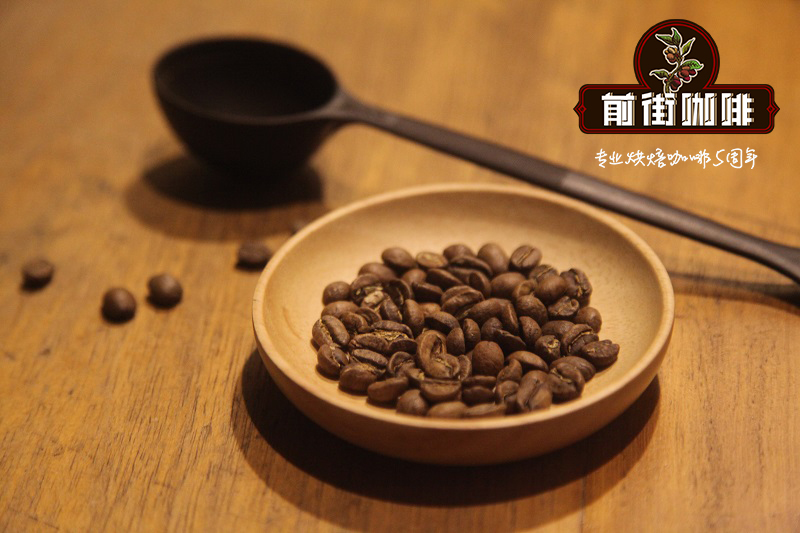
FrontStreet Coffee – An Introduction to Geisha Coffee
In 1931, a group of explorers discovered a distinctive coffee variety in the virgin forests near Geisha village in southwestern Ethiopia. Its trunks were tall and its beans larger than typical Ethiopian coffee, so they collected seeds and sent them to the Kenya Coffee Research Institute for trial cultivation. Five years later, in 1936, they selected the plumpest, firmest, fully mature fruit from those plantings as seed stock and carried it on to Uganda and Tanzania.
In 1953, CATI (Costa Rica's agricultural research institution) obtained seeds from Tanzania for research—marking Geisha's arrival in Central America.
Pachi Serracin, owner of Hacienda La Esmeralda in Panama, obtained Geisha seeds from Costa Rica in 1963, beginning the variety's introduction to Panama. At first, thanks to low yields and poor economics, it was rarely planted on its own. But after generations of adaptation to the local soil and climate, its flavor turned out to be exceptionally distinctive. After 2000, Daniel Peterson of Hacienda La Esmeralda was the first to recognize Geisha's charm—its rich fruit aroma, sweet aftertaste, and caramel notes were captivating.
In 2003, Hacienda La Esmeralda's Geisha took first place in that year's "Best of Panama" competition. Its rich, kaleidoscopic flavor stunned the judges, and it went on to dominate green coffee competitions for the following decade; Costa Rica, Colombia, and Bolivia soon followed suit in developing their own Geishas.
Once Panamanian Geisha became famous, many people traced the variety back to the virgin forests of southwestern Ethiopia in search of even better planting stock. Willem Boot, founder of La Mula, and Joseph Brodsky of Ninety Plus both made the journey—but in the end, everyone agreed that Panama remained the best place to grow it. Both companies established estates in Panama to cultivate Geisha, expanding from washed processing into natural and honey methods, and even taking custom requests from roasters.
Panama and Costa Rica both sit on the Central American isthmus, with Panama closer to the equator. Its climate is shaped by Pacific and Atlantic currents and sea breezes, and the famous Panama Canal is the hub linking the two oceans.
That unique geography and climate create ideal conditions for specialty coffee—and a distinctly identifiable flavor: orange and citrus aromas, the delicate sweetness and acidity of lychee, cantaloupe, and grapes, and the caramel notes of roasted sweet potato, all stacked into rich, full layers. The taste is bright and clean, with an aftertaste that lingers.
Brewing Recommendations
V60 dripper, grind size BG-6s, water temperature 91°C. Technique: segmented pouring—bloom with 30g of water for 30 seconds, starting the timer as you begin pouring. For the second pour, add water to 125g and wait until the water level drops to just short of exposing the coffee bed, then make the third pour. Stop at 225g and, once the bed is again just about to show, remove the dripper. Total extraction time: 2 minutes.
Knowledge Point
Geisha is more precious than gold because of its extremely low yield and the competitive bidding often needed to secure it—getting hold of Geisha green beans is exceptionally difficult.
FrontStreet Coffee Recommendation
To taste Geisha at its most iconic, start with FrontStreet's Esmeralda Red Label or Green Label from Panama—the estate that discovered Geisha's fame when its 2003 BOP entry stunned judges with an average cupping score of 94.6, a competition record. Washed and brewed as a pour-over, it shows the unmistakable orange-blossom honeyed sweetness, floral fragrance, juicy fruit acidity, and tea-like finish. For a friendlier entry point, FrontStreet's Ethiopia Genlana Estate Geisha, roasted medium-light, keeps the delicate white florals while highlighting orange, guava, and citrus with a crystal-clear finish; and for espresso drinkers, the medium-roast Genlana Estate Geisha SOE turns into dried apricot, caramel, and nuts in the cup—or, drawn as an americano, orange, nut, and blueberry.
Important Notice :
FrontStreet Coffee is a long-established specialty coffee roaster in Guangzhou China, selling freshly roasted beans from its own farm in Yunnan as well as dozens of carefully selected single-origin beans from around the world for both pour-over and espresso. The products deliver consistently excellent quality and great value, with shipping within 24 hours. Guangzhou's FrontStreet Coffee shop is recommended by many coffee lovers, and the beans are now available online at the Tmall 。
FrontStreet Coffee has moved to a new address:
FrontStreet Coffee Address: 315,Donghua East Road,GuangZhou
Tel:020 38364473
 Scan and follow the En Gafei WeChat official account. Please indicate that the reprint comes from "En Gafei".