How to Cup Kenyan Coffee Beans Correctly: Step-by-Step Guide and Fruit Flavor Profile Characteristics
The Proper Way to Taste Coffee
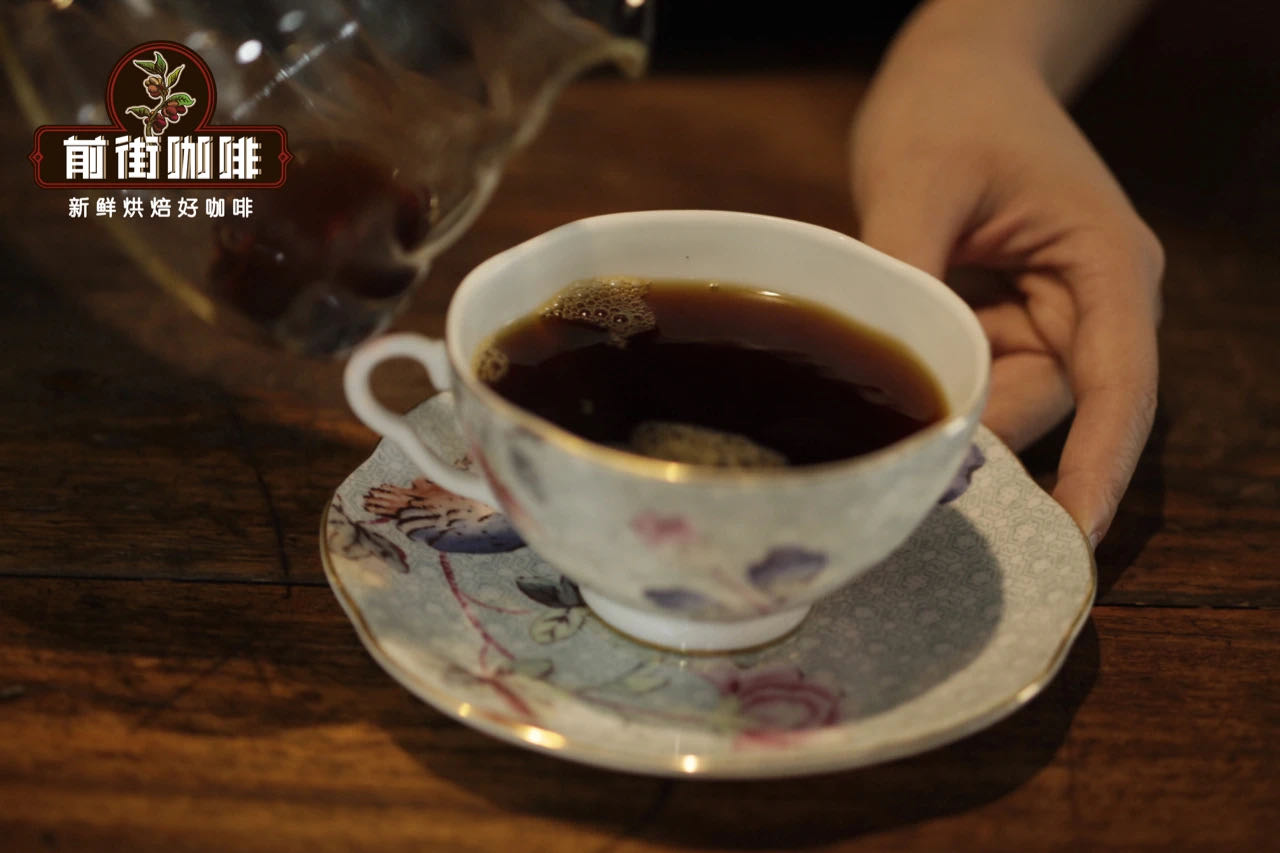
What is the proper way to drink coffee? According to FrontStreet Coffee, if coffee is simply part of your daily routine, sipping and enjoying it is all you need. But customers often ask us about the techniques baristas use when they taste coffee professionally.
Unlike everyday drinking, professional tasting employs a technique called "slurping," which originates from cupping. At this point many coffee novices may already feel lost — so let's start from cupping and work through the answers step by step.
Cupping is a method that uses standardized roasting, extraction, and tasting techniques to document a coffee's aroma, flavor, and mouthfeel through smell, taste, and touch, then quantifies those qualities into scores to complete the evaluation. Traditionally this work is done by certified "Q Graders," but nowadays more and more experienced baristas and roasters use cupping to assess coffee as well.
The Origins of Coffee Cupping
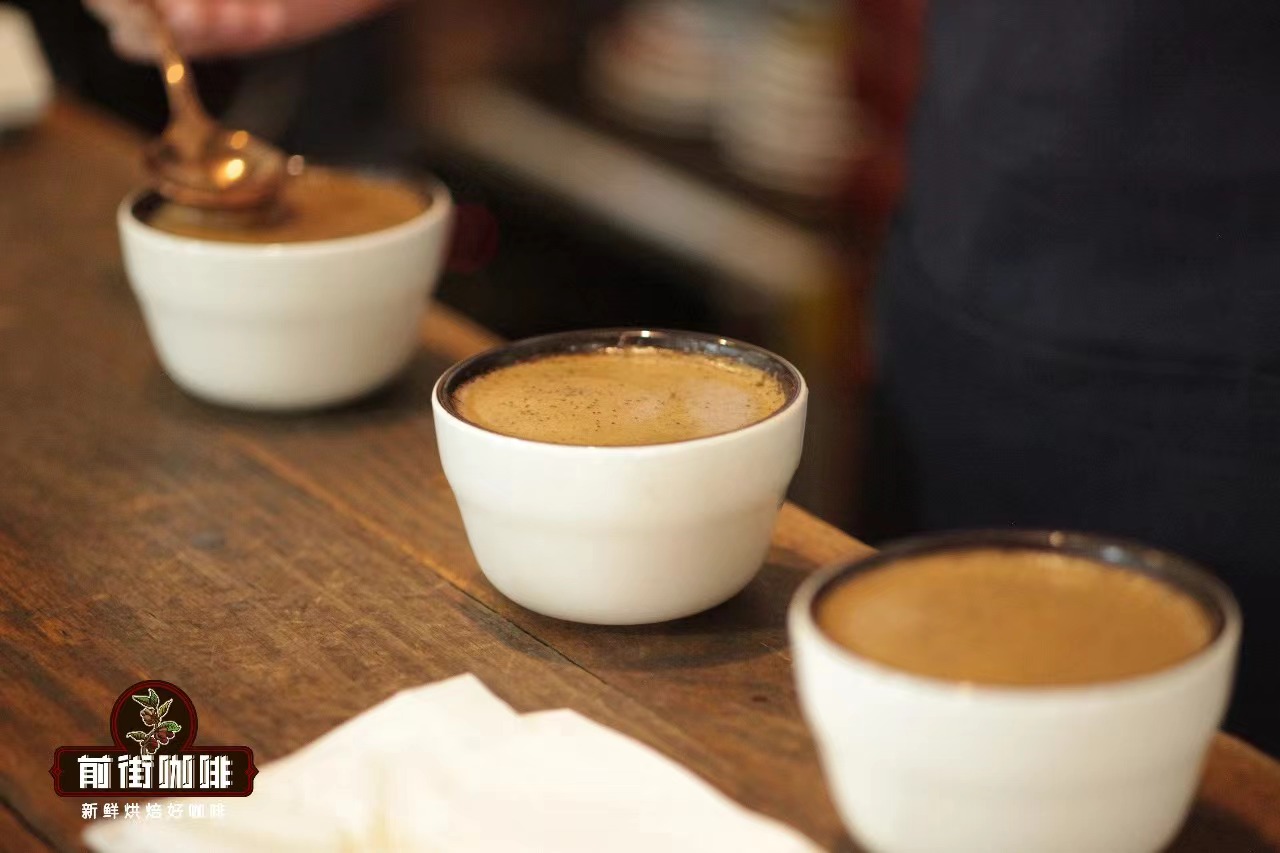
Cupping descends from the much older culture of wine, whose tasting traditions go back to the 14th century. Coffee cupping started later, but under the third-wave specialty coffee movement it has developed extremely fast. Cupping is a way to ensure green bean quality, the process is complex, and the scoring standards put a cupper's professionalism to a serious test. FrontStreet Coffee has covered cupping in detail in earlier articles; here, we'll walk through how to properly appreciate a Kenyan coffee via the cupping process.
The Cupping Process
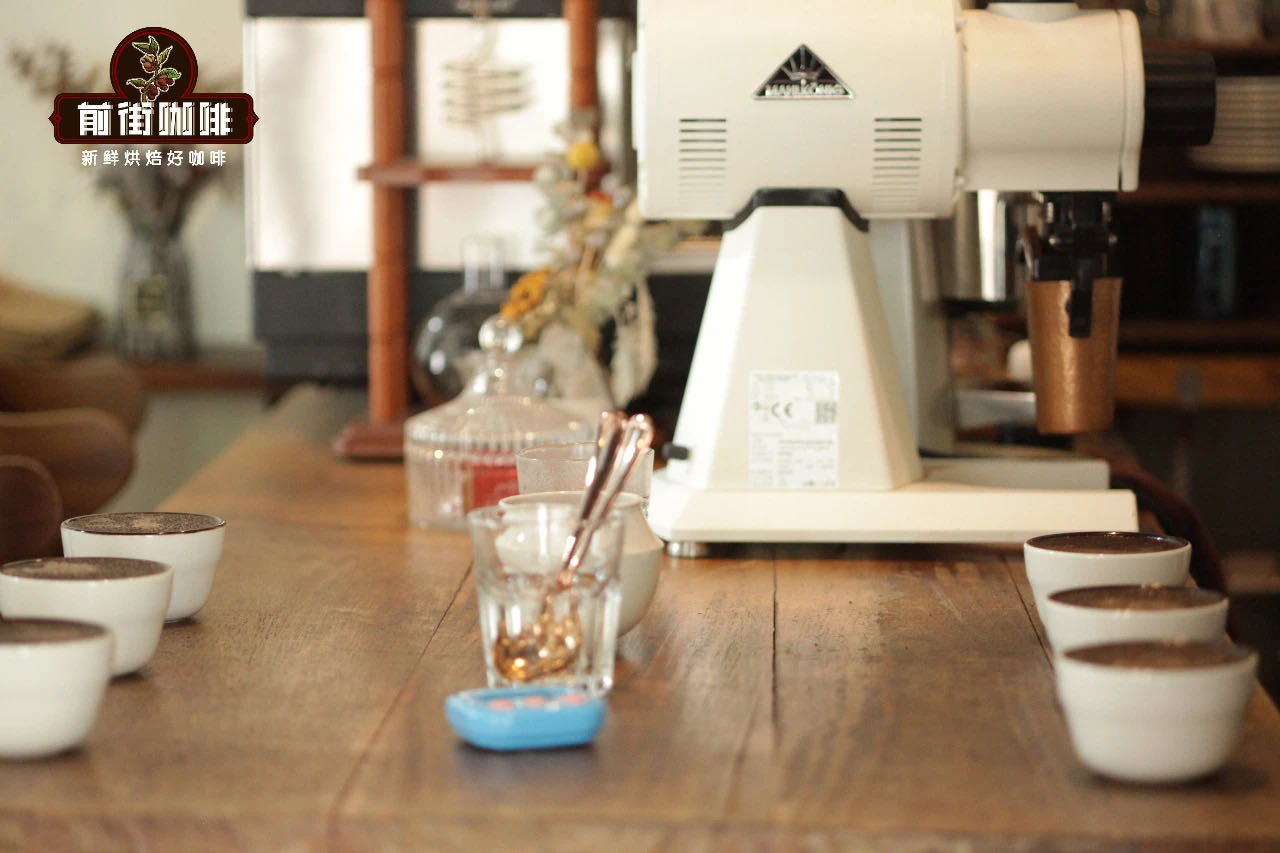
For a cupping session, prepare three identical cups, three sample cups, a cupping spoon, a glass of clean water, and a waste cup. The reason for three cups is to test consistency — a scoring item in SCA cupping that COE lacks, which instead adds a balance category.
Cupping Steps:
Step 1: Grind the coffee beans
Step 2: Evaluate the dry aroma of each coffee
Step 3: Add water. Pour 94°C hot water into the cupping cups and steep for about 4 minutes
Step 4: Break the crust — this is when you smell the wet aroma
Step 5: Skim the floating grounds
Step 6: Nine minutes after adding water, begin slurping with the cupping spoon, aerating the coffee and spreading it across your tongue. Use retronasal olfaction to catch the vaporized aromas released by the coffee oils, and feel the body in your mouth
Step 7: Slurp again as the temperature falls. Off-flavors often reveal themselves as the coffee approaches room temperature
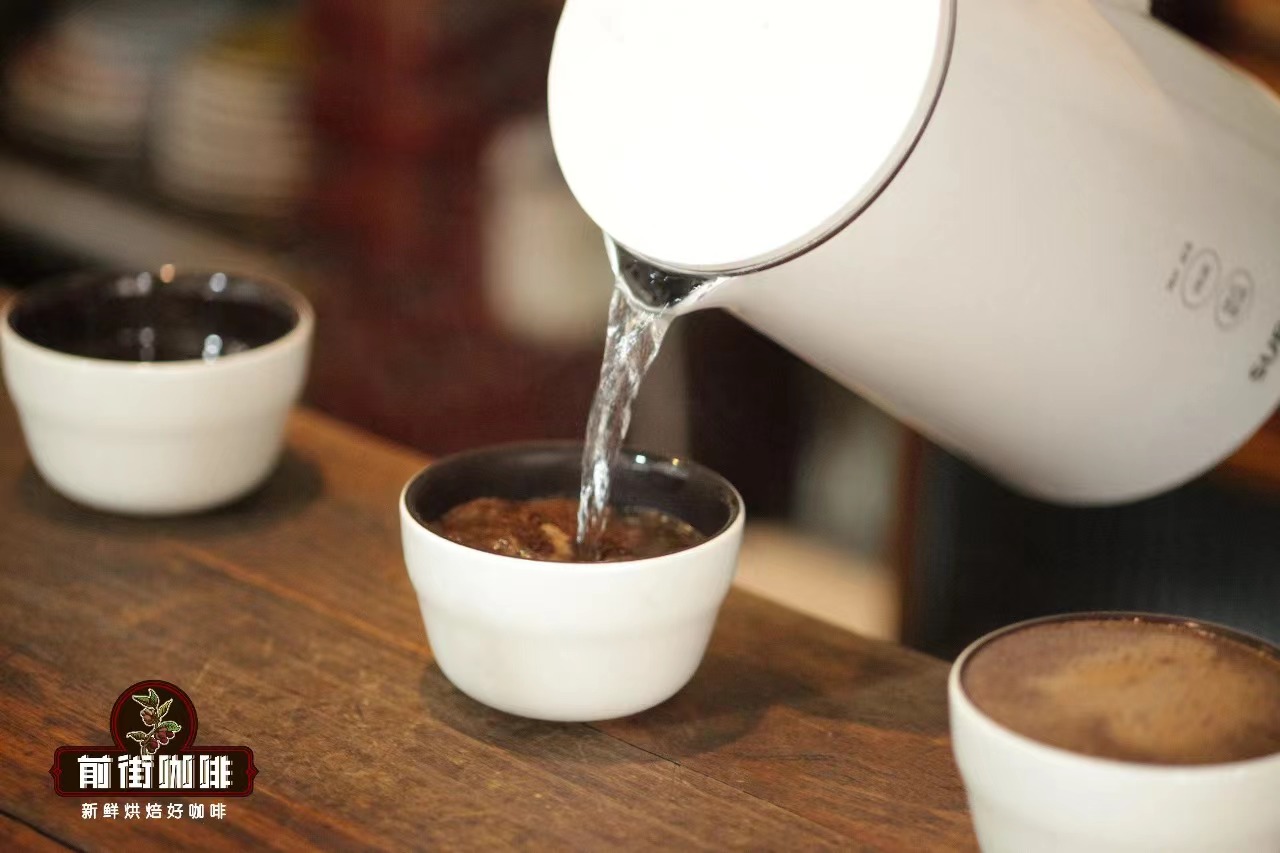
By now you should know how to cup a coffee! For flavor descriptions and the coffee flavor wheel, refer to FrontStreet Coffee's official account or browse the resources on coffee websites. Below, we'll use acidic coffees as the example and discuss what makes Kenyan coffee special.
Kenyan Coffee Characteristics
In the coffee industry, Kenya is a powerhouse: both its bean quality and its trading methods rank among the world's best. The finest Kenyan coffees aren't simply sold as AA or AB lots — they go through a specific auction system to the highest bidder, and fierce competition typically drives prices up. Kenya's coffee research is equally unmatched. Many smallholder farmers have received higher education under government programs and various honors, and the country's quality-control process is extraordinarily detailed — all in service of producing higher-grade coffee.
Kenyan coffee generally has a bright, clear taste whose intensity builds from first sip through the aftertaste. If you dislike coffee acidity, it may not be for you (thanks to its series of chlorogenic acids, this coffee's hallmark is its bright-tasting acidity). Fine Kenyan coffee has body and complexity, with distinct fruit flavors — citrus and berry — and sometimes spicy notes. Some Kenyan coffees are bright and crystalline, while others carry prized wine-like qualities.

Two recent Kenyan green coffees acquired by FrontStreet Coffee — from the Ruthira Cooperative and from Kirinyaga — have a juice-like mouthfeel. Unlike over-fermented coffees, these two offer a pleasant grapefruit and citrus character. Why is Kenyan coffee so acidic? FrontStreet Coffee believes the answer lies in its processing and growing environment. Start with the environment: the advantages are high altitude, volcanic soil, and a unique washing method.
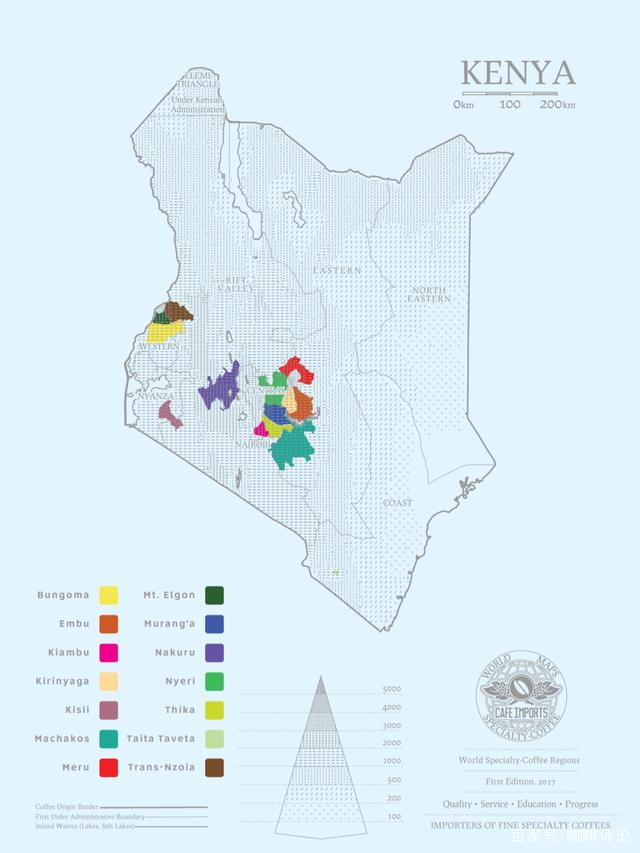
Kenyan growing areas sit at high altitude, typically around 1,600 meters. The main regions are six: Kiambu, Murang'a, Nyeri, Kirinyaga, Embu, Machakos, plus the Bungoma area of Mount Elgon. The higher the altitude, the lower the temperature and oxygen — the growing period stretches out, sugars and aromatics accumulate, and the coffee becomes more delicious. FrontStreet Coffee's Kirinyaga sourcing area is volcanic, often between 1,300 and 1,900 meters, with volcanic minerals feeding the trees and producing a great deal of fine coffee.
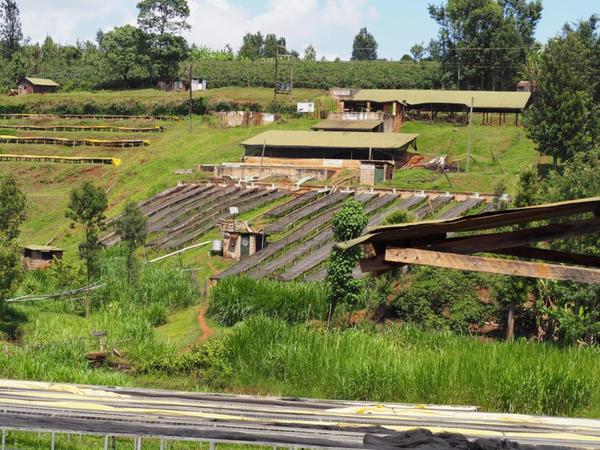
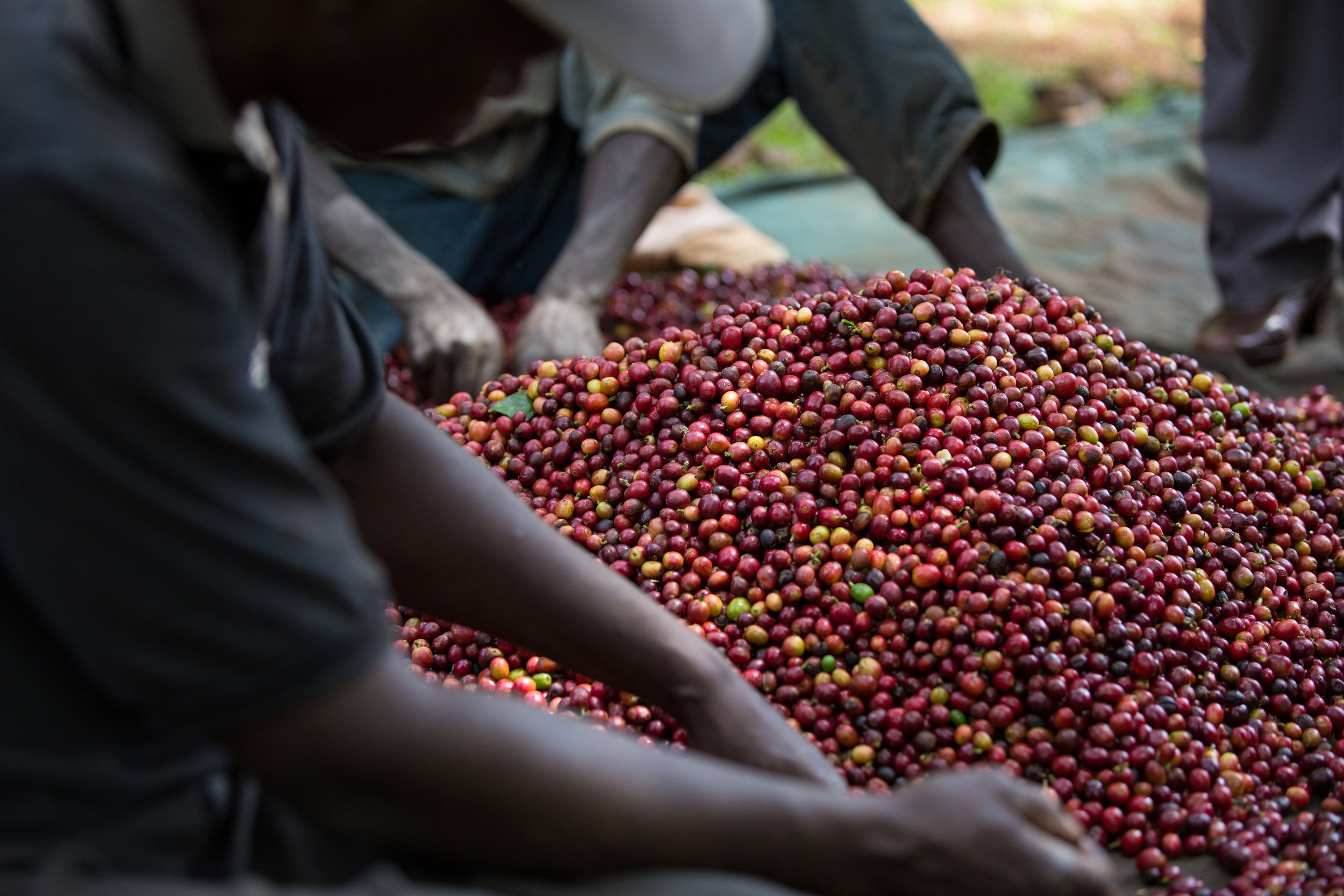
One thing coffee lovers should know: because Kenyan coffee is mostly grown by smallholders, traceability is difficult — most lots are identified only down to the cooperative station, which is the dominant production model there. Cooperatives and processing stations are the second window into Kenyan coffee. Stations that consistently produce high-quality beans attract repeat buyers, and since stations pay farmers by the weight of cherry delivered, well-performing stations can offer higher prices — creating a virtuous cycle for Kenyan coffee.
Kenyan Coffee Processing Methods
Kenya's washed processing is one of the main reasons the country's coffee is world-famous. In most washed coffee, processing is done quickly after the mucilage layer has broken down. Kenya's method, however, typically adds two more steps than ordinary washing. After fermentation, when the coffee moves into a second clean-water tank, fermentation is actually already complete from the first tank; the subsequent washing and resting make the flavor cleaner. Multiple washings remove the pectin layer completely, and the whole process often takes about 72 hours — hence the name K72 washing method.

FrontStreet Coffee's Kenyan Small Tomato currently uses exactly this processing method.
Region: Thika
Processing Station: Asali Honey Processing Station
Altitude: 1550–1750 meters
Variety: SL-28, SL-34
Processing Method: 72-hour washed
Grade: AA TOP
The signature of this Kenyan coffee is a prominent caramel note on entry, with light florals in the wet aroma. As it cools, a dark-plum acidity emerges, growing increasingly obvious and bright, with a pronounced juice-like sensation.

FrontStreet Coffee Recommendation
If Kenya's bright acidity isn't your style, medium-roast beans are the sweet spot — literally. In roasting, three elements decide the final cup: acidity, sweetness, and bitterness. The darker the roast, the more bitter and heavy the cup; the lighter, the more acidic and delicate. For a balanced middle ground, start with FrontStreet Coffee's Brazil Queen Estate (Fazenda Rainha). From the world's largest coffee-producing country, this rare yellow Bourbon is quietly sweet, showing creamed peanut, chocolate, toast, and sugarcane notes at medium roast — excellent as a pour-over, a moka pot brew, or espresso.
For a sweeter fruit character, FrontStreet Coffee's Strawberry Candy Geisha blend is the first choice. It combines two renowned origins — honey-processed Costa Rica and washed Panama Geisha — and the medium roast draws out orange-blossom honeyed notes and a rounded sweetness. It shines in cold brew, pour-over, or espresso, refreshing from the very first sip.
And for a taste of China's specialty scene, FrontStreet Coffee's 2013 natural Typica carries the authentic Yunnan small-bean flavor profile: medium roasted to preserve its balanced, gentle character, with soft notes of nuts, brown sugar, black tea, and dried apricot — great for pour-over, cold brew, or drip machines, and an outstanding value.
Important Notice :
FrontStreet Coffee is a long-established specialty coffee roaster in Guangzhou China, selling freshly roasted beans from its own farm in Yunnan as well as dozens of carefully selected single-origin beans from around the world for both pour-over and espresso. The products deliver consistently excellent quality and great value, with shipping within 24 hours. Guangzhou's FrontStreet Coffee shop is recommended by many coffee lovers, and the beans are now available online at the Tmall 。
FrontStreet Coffee has moved to a new address:
FrontStreet Coffee Address: 315,Donghua East Road,GuangZhou
Tel:020 38364473
 Scan and follow the En Gafei WeChat official account. Please indicate that the reprint comes from "En Gafei".