Introduction to Flavor Characteristics of Yunnan Highland Arabica Coffee Beans | Overview of Origin and Variety Information for Yunnan Small-Bean Coffee
The Rise of Yunnan Coffee
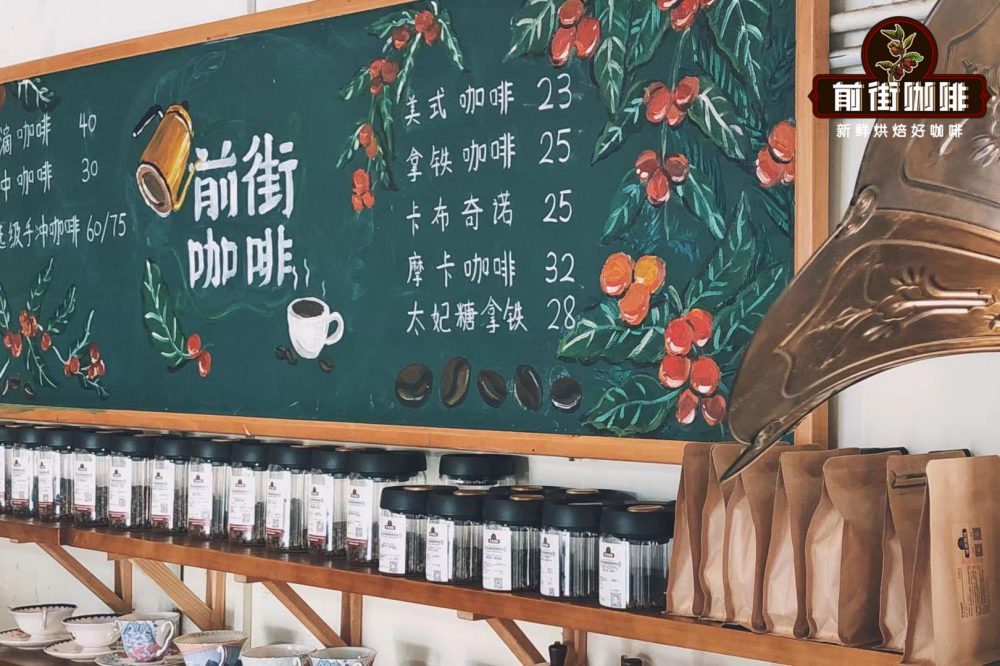
Not long ago, coffee meant Brazil, Colombia, Ethiopia. As China's coffee industry has matured, Yunnan coffee has worked its way onto the sourcing lists of major brands and become a staple for domestic and international coffee chains. FrontStreet Coffee's daily menu carries several Yunnan beans—a sign that the region is genuinely joining the specialty coffee ranks.
When Did Coffee First Arrive in Yunnan?
The story starts in 1904, when the French missionary Alfred Tienne planted the first coffee tree in Zhugula Village, Binchuan, Yunnan—so the region's coffee history spans more than a century. Commercial cultivation truly began in the 1950s, when the renowned botanist Professor Qin Renchang of the Chinese Academy of Sciences' Institute of Botany identified red fruits found in the courtyards of Dai farmers in Luxi County, Dehong Prefecture, as Coffea arabica. At his suggestion, seedlings were trial-planted at Mangshi Forest Farm and Lujiangba in Baoshan, opening a new era of coffee research and production.
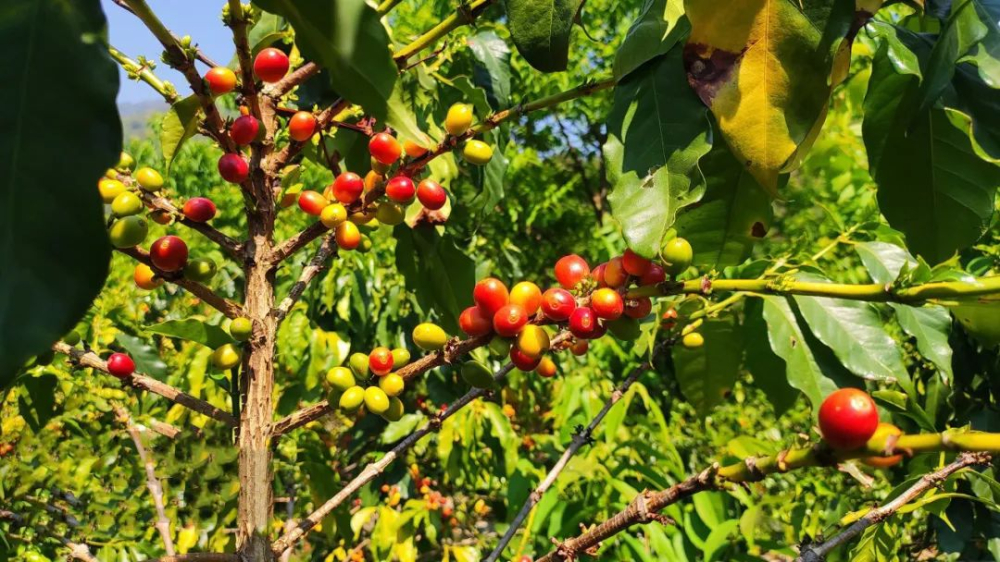
Yunnan coffee entered the international market in earnest from 1988, when Nestlé opened a branch in China—introducing the high-yield, disease-resistant Catimor variety and promising to buy Yunnan beans at prevailing US futures prices. Starbucks, Maxwell House, and others later built facilities in Yunnan to purchase raw beans, expanding cultivation further. But because farmers lacked cultivation knowledge and processing was crude, Yunnan green beans long served as instant-coffee raw material, pinned to international futures prices. Breaking free of that ceiling requires industrial upgrading—and specialty production is Yunnan coffee's new journey.
In recent years, as China's coffee wave has grown and rural economies have drawn attention, coffee professionals from around the world have come to Yunnan, steadily improving pest and disease control, shade management, soil and water conservation, growing altitude, and picking and processing methods. Yunnan coffee has gained attention and recognition accordingly; customers at FrontStreet Coffee's stores now ask specifically for Yunnan beans when ordering pour-over—proof of the progress.
Where Does Yunnan's Specialty Coffee Come From?
Yunnan's coffee grows across eight regions, with six main producing areas: Pu'er, Baoshan, Dehong, Lincang, Nujiang, and Xishuangbanna. Low latitude, high altitude, and wide day-night temperature differences make Yunnan a golden cultivation zone for high-quality Arabica.
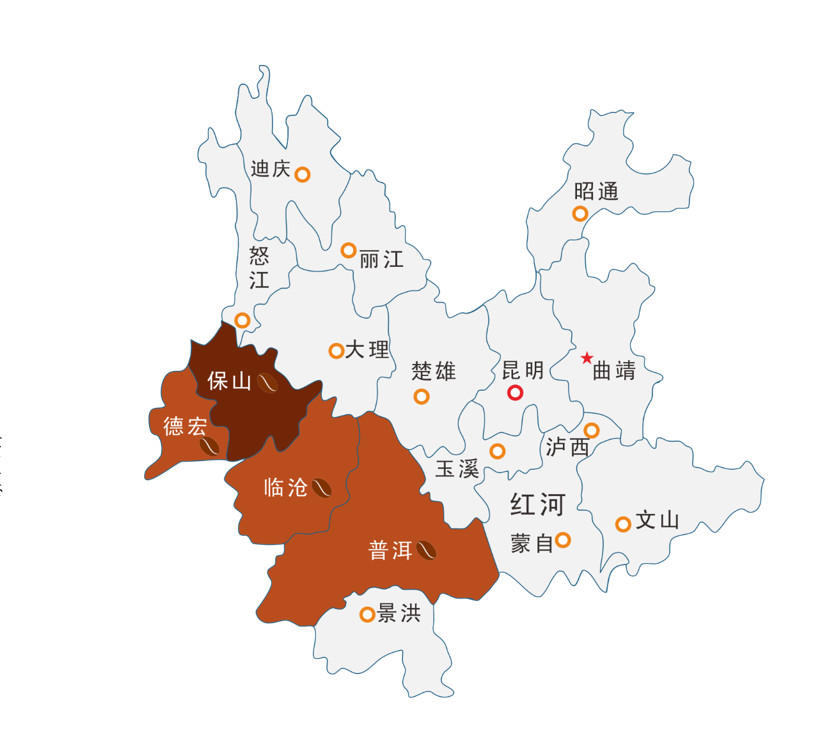
The coffee grows on high rolling hills with fertile soil and abundant sunlight, and the rainy season's concentrated rainfall lets the trees settle quickly into the local terroir. Yunnan coffee has earned five geographical-indication protections: "Baoshan Arabica Coffee," "Zhukula Coffee," "Dehong Arabica Coffee," "Pu'er Arabica Coffee," and "Simao Coffee." FrontStreet Coffee's regional representative is a Baoshan Arabica selection.
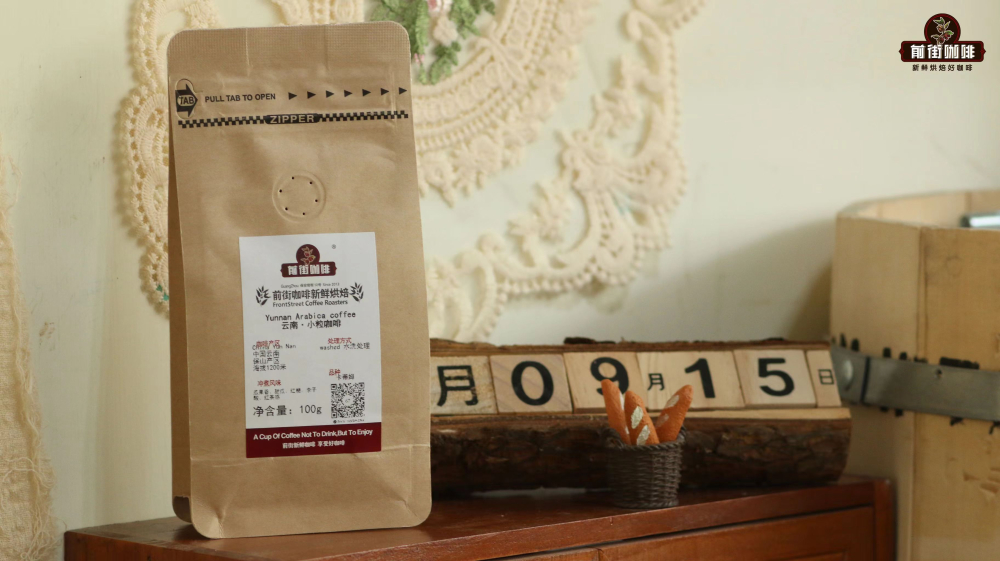
Baoshan's reputation has grown with international trade, and its Lujiangba Arabica is especially famous. The area has a low-latitude mountainous subtropical monsoon climate: because it is both low in latitude and high in altitude, with complex topography, it forms a vertical climate of "four seasons on one mountain, different weather every ten miles." Annual temperature range is small while daily range is large, averaging 14-17°C. Rainfall is plentiful but unevenly distributed across distinct wet and dry seasons, at 700-2100 millimeters a year—and the reasonably low rainfall is a major advantage for coffee fruit production, creating Baoshan Arabica's signature sweet aftertaste.
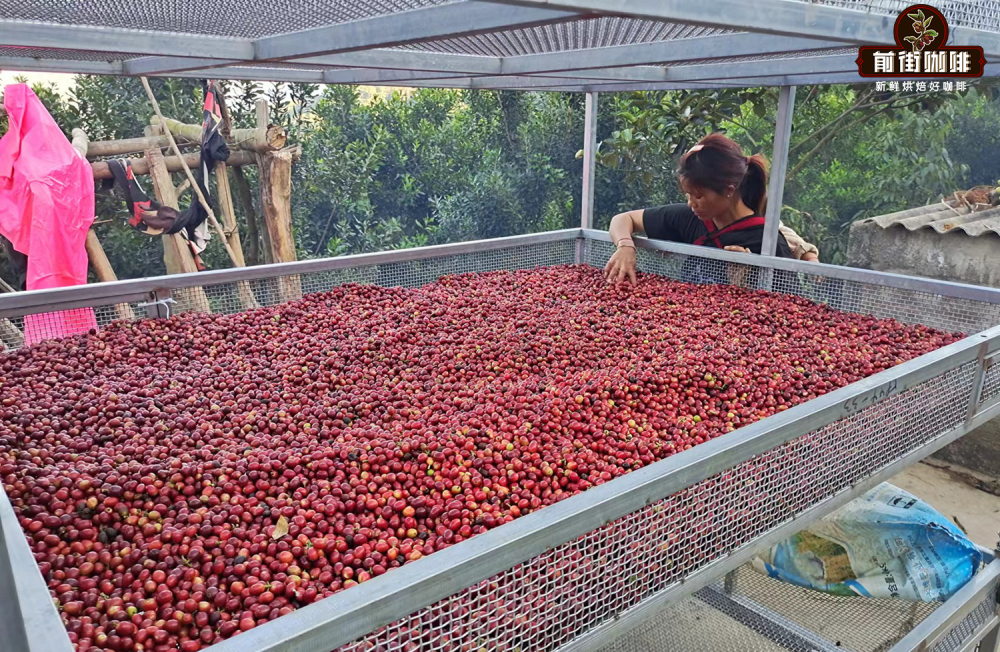
FrontStreet Coffee's menu also features a Yunnan natural processed Typica that is exclusive for a simple reason: it comes from FrontStreet Coffee's own plantation, established in Lincang in 2013. Site selection, variety choice, seedling cultivation, planting, harvesting, processing, roasting—everything was handled in-house, and considerable experience came out of it. FrontStreet Coffee deliberately chose Typica, the most original Arabica variety, and finished it as a natural sun-dried coffee under the name "FrontStreet 2013." Customers praise its elegant, mild profile.

What Does Yunnan Arabica Taste Like?
The dozens of beans on FrontStreet Coffee's menu express themselves differently under different brews, and pour-over is FrontStreet Coffee's favorite: black coffee lets a bean's inherent aroma speak, and adjusting parameters changes the flavor presentation, giving the brewer real room to work.
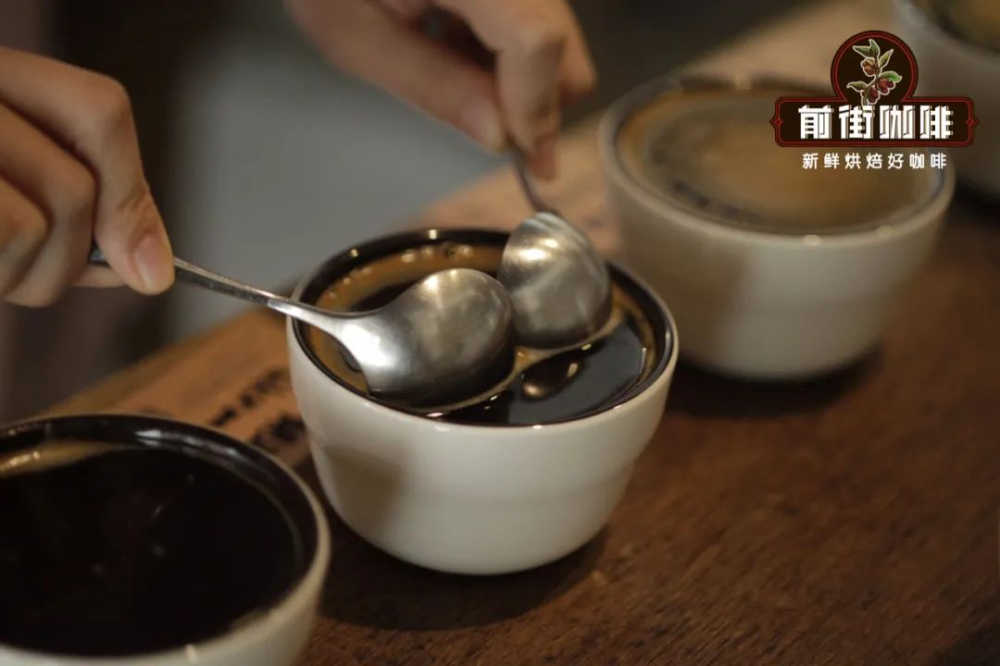
After repeated comparative tests, FrontStreet Coffee concludes that Yunnan Arabica is neither the bright acidity of African coffee nor the heavy richness of Indonesian coffee—it leans neutral and balanced, with sweetness, acidity, and bitterness all present. That is why FrontStreet Coffee roasts its Yunnan coffees medium, highlighting chocolate and roasted-nut aromas while keeping some acidity. In cupping, the washed Yunnan daily bean shows herbal, nutty, caramel, chocolate, and brown sugar aromas, melon-and-fruit sweetness, plum acidity, and a balanced mouthfeel.
Freshness comes first: if the roast date is more than a month old, FrontStreet Coffee will not serve the beans. Coffee has an optimal flavor window after roasting, and aroma loss accelerates with storage—flavors that have faded are nearly impossible to restore in the brew. This is why FrontStreet Coffee insists on shipping beans roasted within 5 days.
Grind Size and Water Temperature
Because Yunnan's profile is neutral, water that is too hot or a grind that is too fine over-extracts and releases bitter, large-molecule compounds; water too cool or a grind too coarse under-extracts into a hollow cup. FrontStreet Coffee therefore takes the middle path: 90°C water and a medium grind—70% pass-through on China's standard #20 sieve, an EK43s store setting of 10.5.
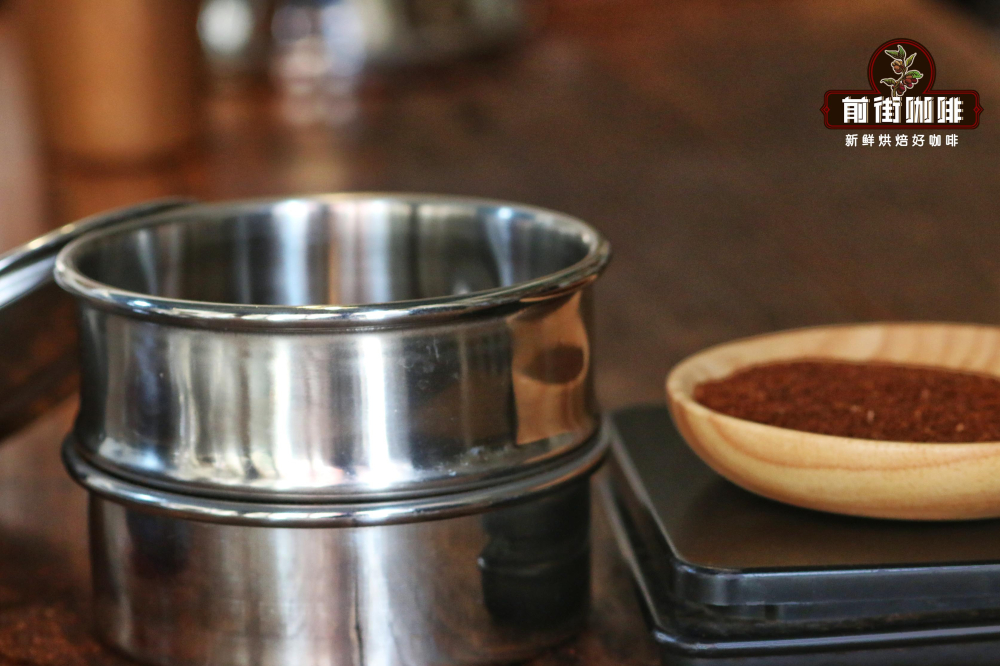
For beginners, FrontStreet Coffee recommends three-stage pouring: it dissolves flavor compounds more fully, adds layers to the mouthfeel, and avoids over-extraction from overly long contact.
FrontStreet Coffee's Pour-Over Parameters:
- Dripper: Hario V60
- Dose: 15g
- Water Temperature: 90°C
- Grind Size: 75% pass-through on a #20 sieve
- Water-to-Coffee Ratio: 1:15
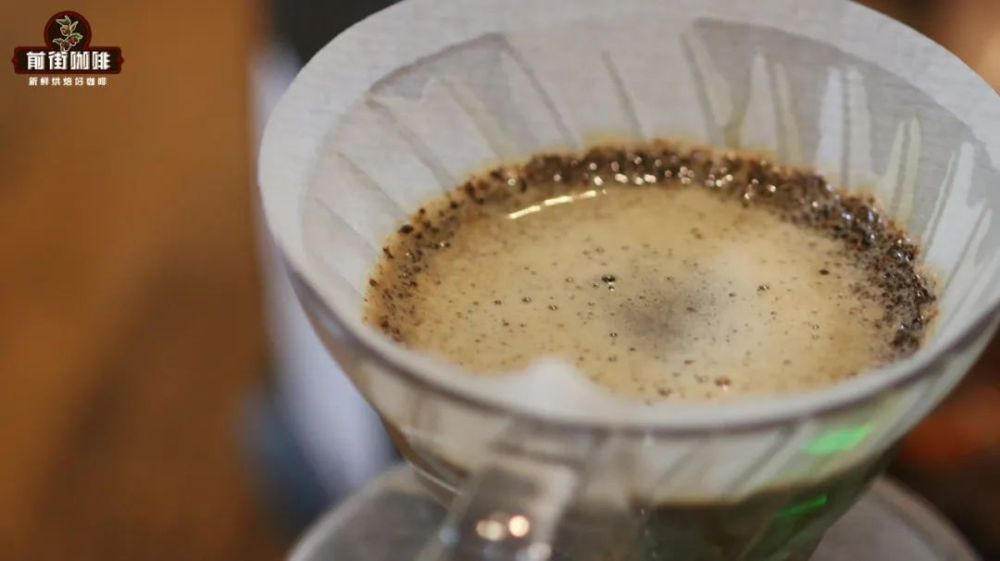
Three-stage pouring: wet the bed with twice the coffee's weight in water, let it dome and bloom for 30 seconds, then pour in small circles from the center out to 125g. When the bed falls to half the dripper's height, continue with the same fine stream to 225g. Remove the dripper once all the liquid has drained—about 2 minutes total.
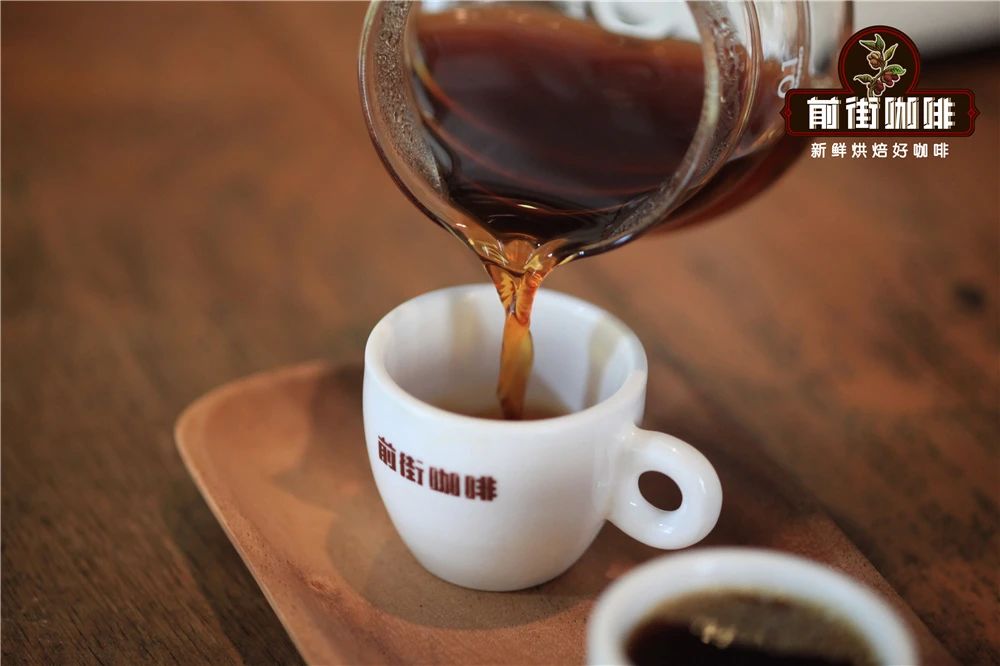
FrontStreet Coffee Recommendation
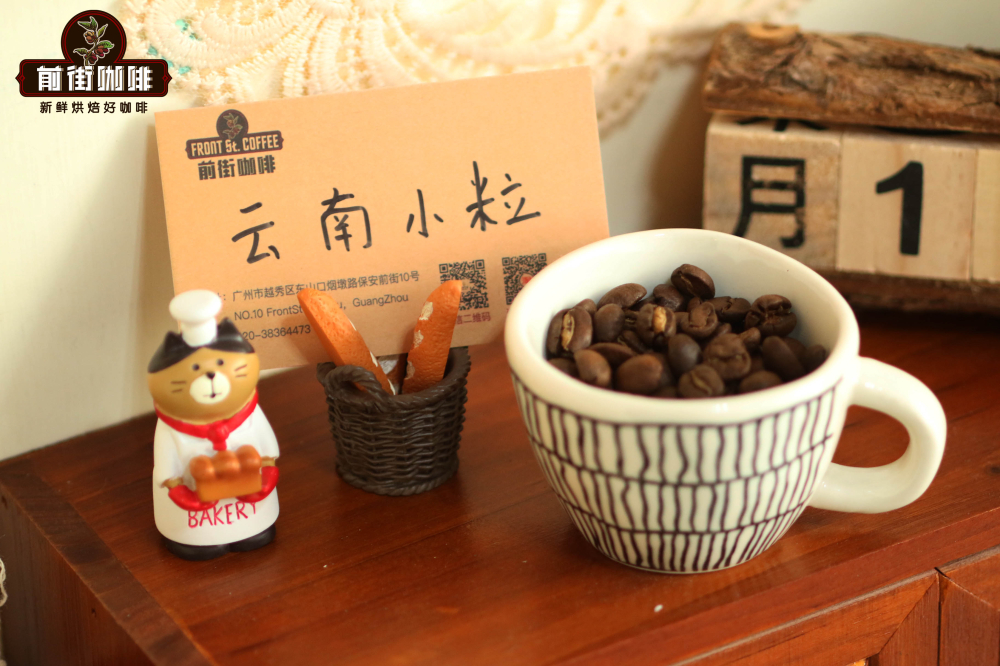
"Small-bean coffee" is simply the local name for Arabica—the variety with the smallest fruit of the three coffee species—and Yunnan sits squarely on the world coffee belt: most of the province lies at 1000 meters with fertile slope soils, ample sun, rich rain, and big day-night temperature differences, exactly what coffee trees love. To taste it, buy the FrontStreet Yunnan Small-Bean from Baoshan, where coffee growing began in the mid-1950s and the dry-hot valley of Lujiangba—mild year-round with large day-night swings—creates the region's distinctive sweet aftertaste. It is washed and medium roasted, presenting caramel sweetness with the region's terroir intact. For a clearer picture of the variety behind Yunnan's history, choose the FrontStreet 2013 Yunnan Typica: Typica is the oldest and purest of Arabica varieties, and FrontStreet's natural sun-dried lot is fuller-bodied with more pronounced sweet-tart structure—citrus and berry tones, a whisper of fermented wine aroma, caramel sweetness, and a creamy finish.
Important Notice :
FrontStreet Coffee is a long-established specialty coffee roaster in Guangzhou China, selling freshly roasted beans from its own farm in Yunnan as well as dozens of carefully selected single-origin beans from around the world for both pour-over and espresso. The products deliver consistently excellent quality and great value, with shipping within 24 hours. Guangzhou's FrontStreet Coffee shop is recommended by many coffee lovers, and the beans are now available online at the Tmall 。
FrontStreet Coffee has moved to a new address:
FrontStreet Coffee Address: 315,Donghua East Road,GuangZhou
Tel:020 38364473
 Scan and follow the En Gafei WeChat official account. Please indicate that the reprint comes from "En Gafei".