Yirgacheffe Coffee: Proper Brewing Methods and Flavor Profile - Guide to Pour-Over Yirgacheffe Coffee Beans
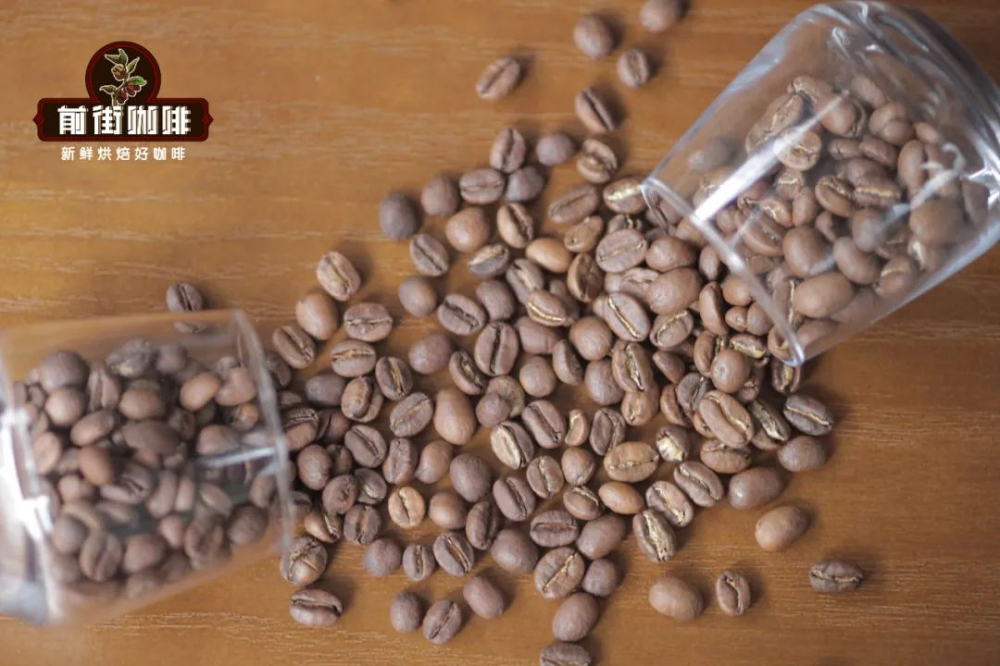
Ethiopia's Yirgacheffe is bright, delicate, and layered, which is exactly why it becomes the first single origin for so many coffee lovers. It shines with pour-over and cold drip, and it is the cup that convinces people coffee is about more than bitterness.
What are the characteristics of Yirgacheffe coffee beans?
The flavor we call "Yirgacheffe" means elegant citrus, lemon, and berries layered with rich florals, plus a clear, tea-like sensation that is hard to forget. Bringing out such refined flavors and texture depends on good growing conditions, the right variety, careful processing, and thoughtful roasting and brewing. Among FrontStreet Coffee's many self-roasted beans, the three most popular in daily offerings are the Gedeb Cooperative, the Red Cherry, and the Washed Yirgacheffe Daily Bean.
Ethiopia sits on the African continent and has long lacked developed water resources, so it traditionally used ancient natural drying to process green beans, meaning the cherries were simply dried in the sun. Those rough early techniques produced inconsistent quality. It was not until 1972 that Ethiopia introduced Central American washing technology and equipment to improve bean quality. Unlike many other regions, Yirgacheffe is a wetland area better suited to washed processing, and the many steps involved cut the defect rate sharply, giving higher clarity and a more distinct, thorough aroma. That shift also amplified the citrus and lemon character of Yirgacheffe beans, making the cup fresher and brighter.

For a long time, most coffee was dominated by roasted bitterness. That heavy bitterness came largely from roasters taking beans deep, with flavor profiles built on nuts and dark chocolate. Because Yirgacheffe beans are small, a deep roast easily causes uneven heating or even scorching, so roasters tend toward a medium-light roast. To their surprise, lightly roasted Yirgacheffe showed not only bright acidity but highly recognizable fruit, effectively opening the "new era of fruity, acidic coffee." A taste that favors sweetness and avoids bitterness matches what most people enjoy, which is exactly why Yirgacheffe is so popular worldwide. FrontStreet Coffee wants everyone to taste the classic Yirgacheffe profile, so all three of our Yirgacheffe beans are medium-light roasted.
What equipment is needed for pour-over coffee?
To brew pour-over at home, you need the following tools: a pour-over kettle, a filter cup, a serving pot, a grinder, filter paper, an electronic scale, and a thermometer.
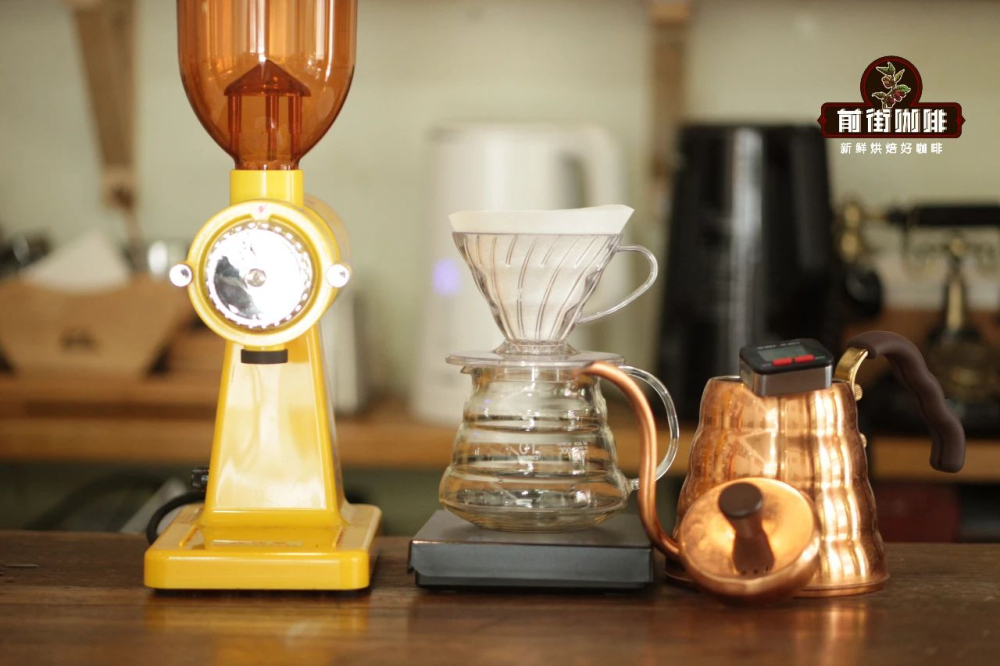
The grinder plays a very important role in pour-over and comes in two broad types: manual and electric. Whichever you choose, the goal is evenly ground coffee. Grind size directly affects taste. Too coarse, and the coffee under-extracts into a weak cup; too fine, and it over-extracts into bitterness. FrontStreet Coffee adjusts grind size with a China No. 20 0.85mm standard sieve. For medium-light roasted beans we use a 75-80% pass rate, and for medium-dark beans, 70-75%.
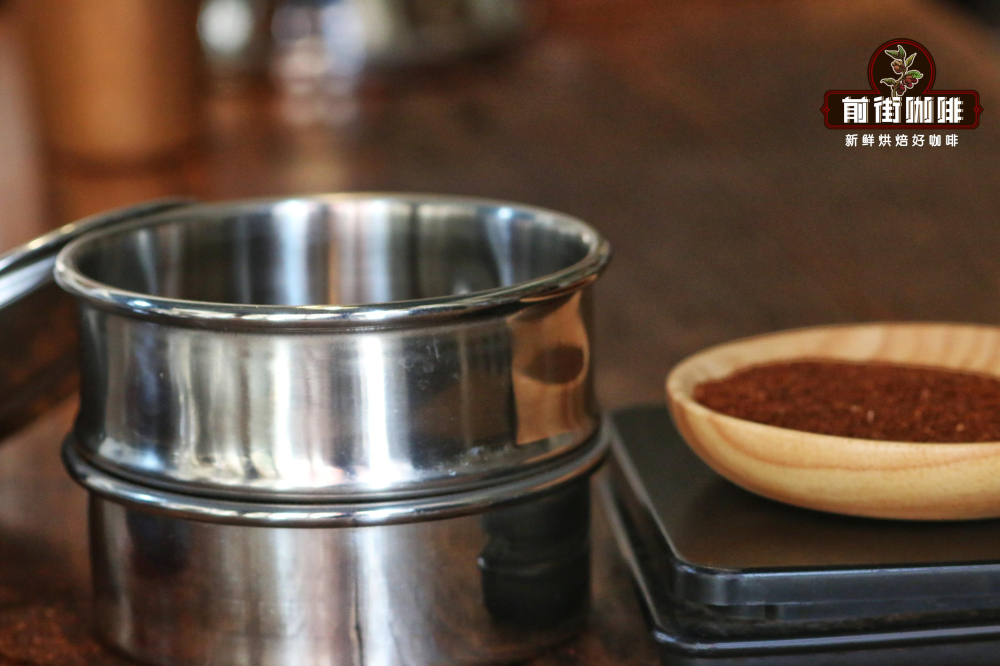
Here, Yirgacheffe is a medium-light roasted, high-altitude bean. Because FrontStreet Coffee wants to extract more of its aromatic compounds, we choose a grind with an 80% pass rate through the No. 20 standard sieve, which corresponds to a setting of 10 on the EK43s grinder used in our stores.
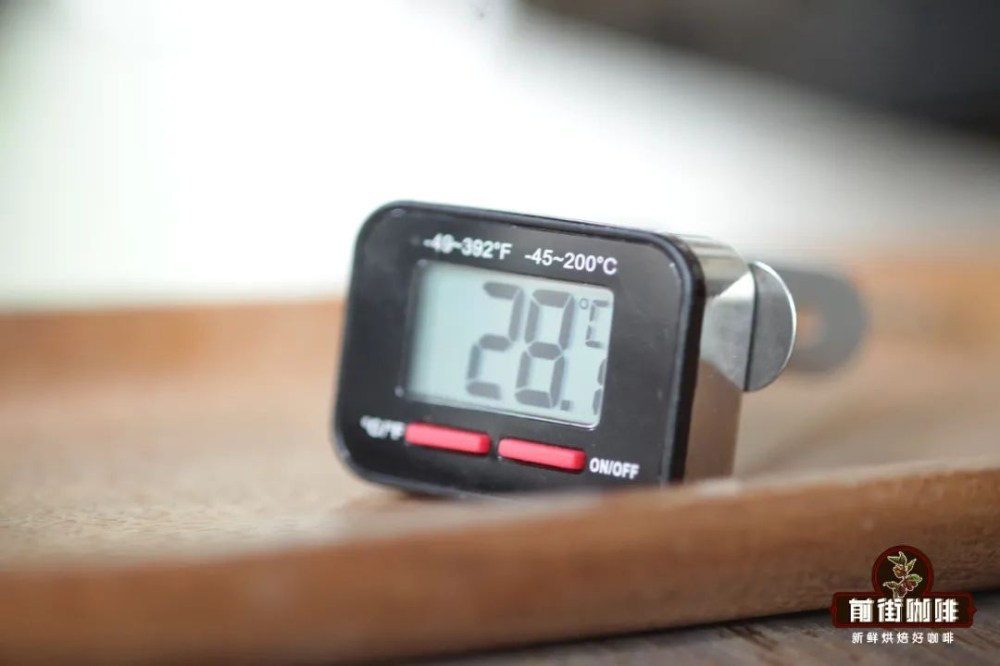
The thermometer measures the hot water temperature, and water temperature works much like grind size. The hotter the water, the higher the extraction efficiency, which makes flavor compounds easier to release and the cup more concentrated. Brewing with near-boiling water easily pulls out unpleasant bitter compounds. That is why FrontStreet Coffee uses different parameters for medium-dark and light roasts. For medium-dark beans we recommend 87-90°C, while lightly roasted coffee needs a higher temperature to wake up its aromas, so we use 91-93°C.
There are many styles of filter cup on the market, and each produces a different result and calls for matching filter paper to hold back the grounds. FrontStreet Coffee's stores typically use the Hario V60 and the KONO. The V60 handles lighter roasted beans, while the KONO takes on darker roasts. For this Yirgacheffe, our barista uses a resin V60.
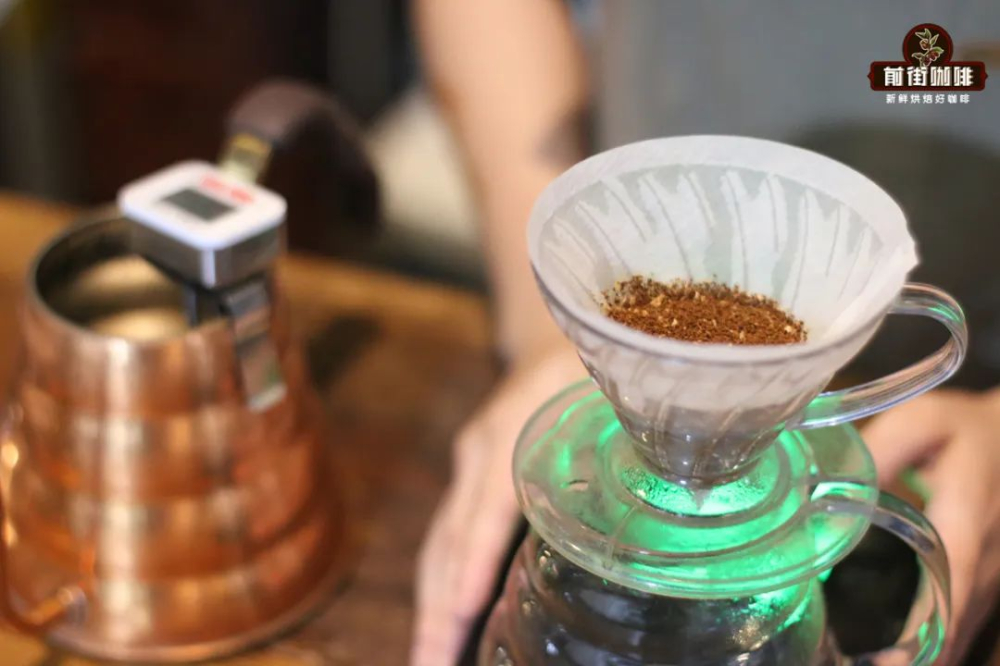
The V60 has flow ribs connecting top and bottom and a large circular hole in the center, which speeds up the flow of water. Its spiral exhaust grooves lengthen the water's path, increasing the contact time between grounds and hot water. Every stream converges along the grooves toward the center point, concentrating pressure on the coffee bed and extracting a more layered cup.
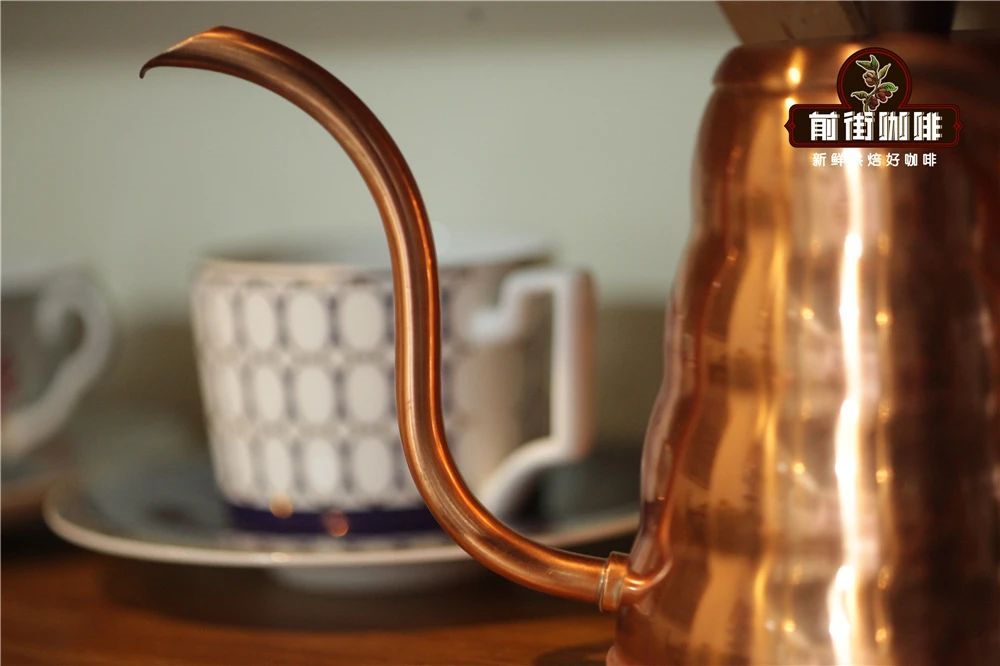
The pour-over kettle lets you inject hot water steadily into the grounds. A narrow-spout kettle pours a stable stream that rinses the bed more evenly and releases flavor compounds. The electronic scale lets you control total water volume and extraction time, so you can brew according to plan. FrontStreet Coffee recommends a fast-reading scale with a timer, or simply searching for a dedicated pour-over scale.
Brewing Techniques
Online you will find all kinds of pouring techniques, such as the single pour, the three-stage method, and the four-six method. Each brings a different expression to the cup. Based on our brewing experience, FrontStreet Coffee suggests beginners start with the three-stage pour. Splitting the brew into three stages dissolves flavor compounds more fully, adding complexity while avoiding the over-extraction that comes from a long soak.
For 15 grams of coffee at a 1:15 ratio and 225ml of total water, divide the three stages as 30ml, 95ml, and 100ml, which show on the scale as 30g, 125g, and 225g.
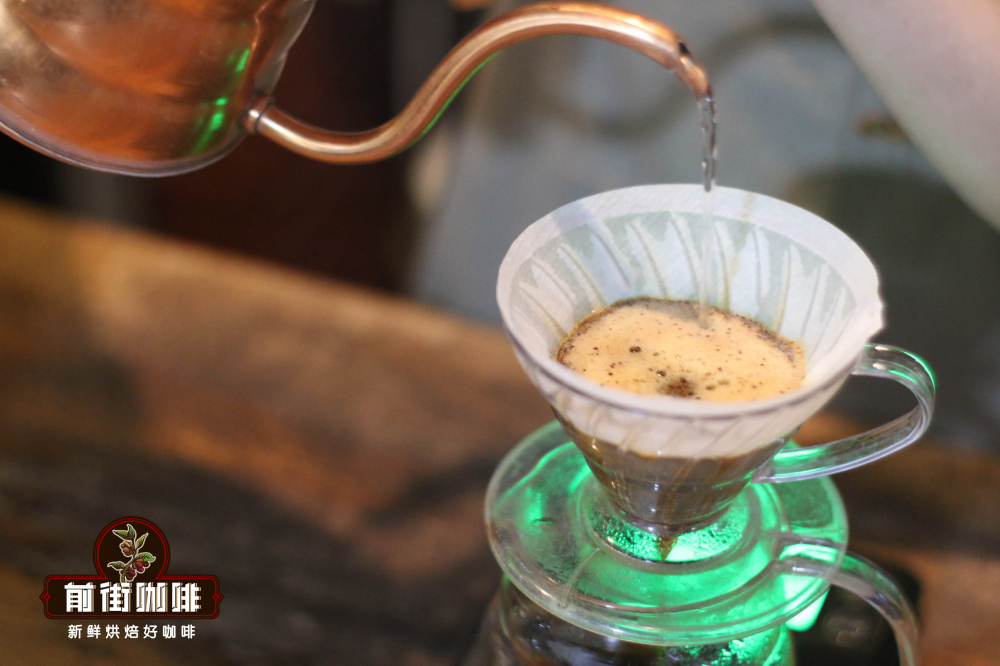
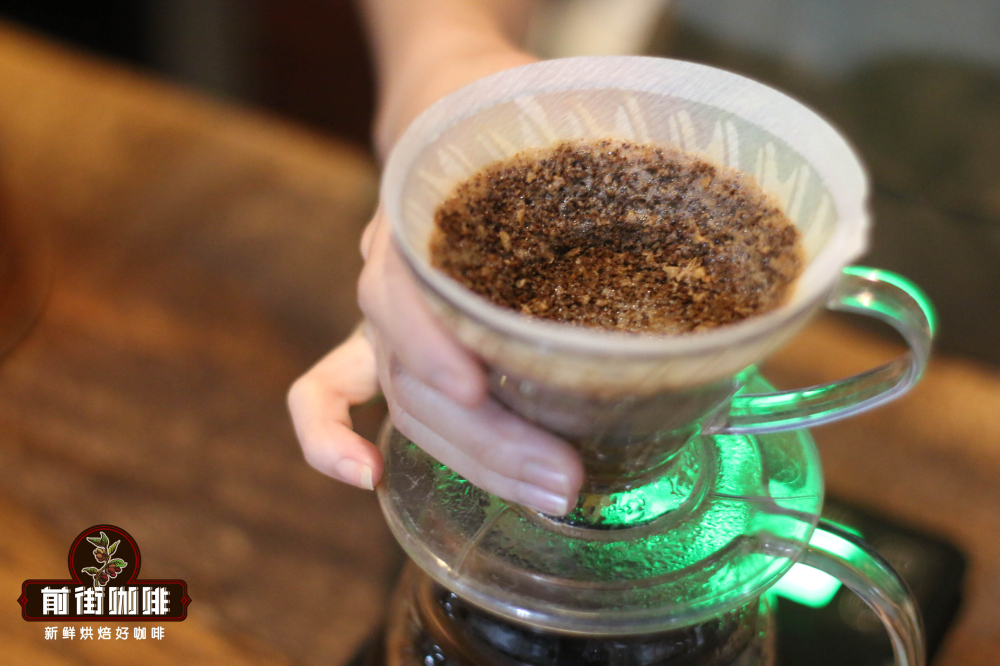
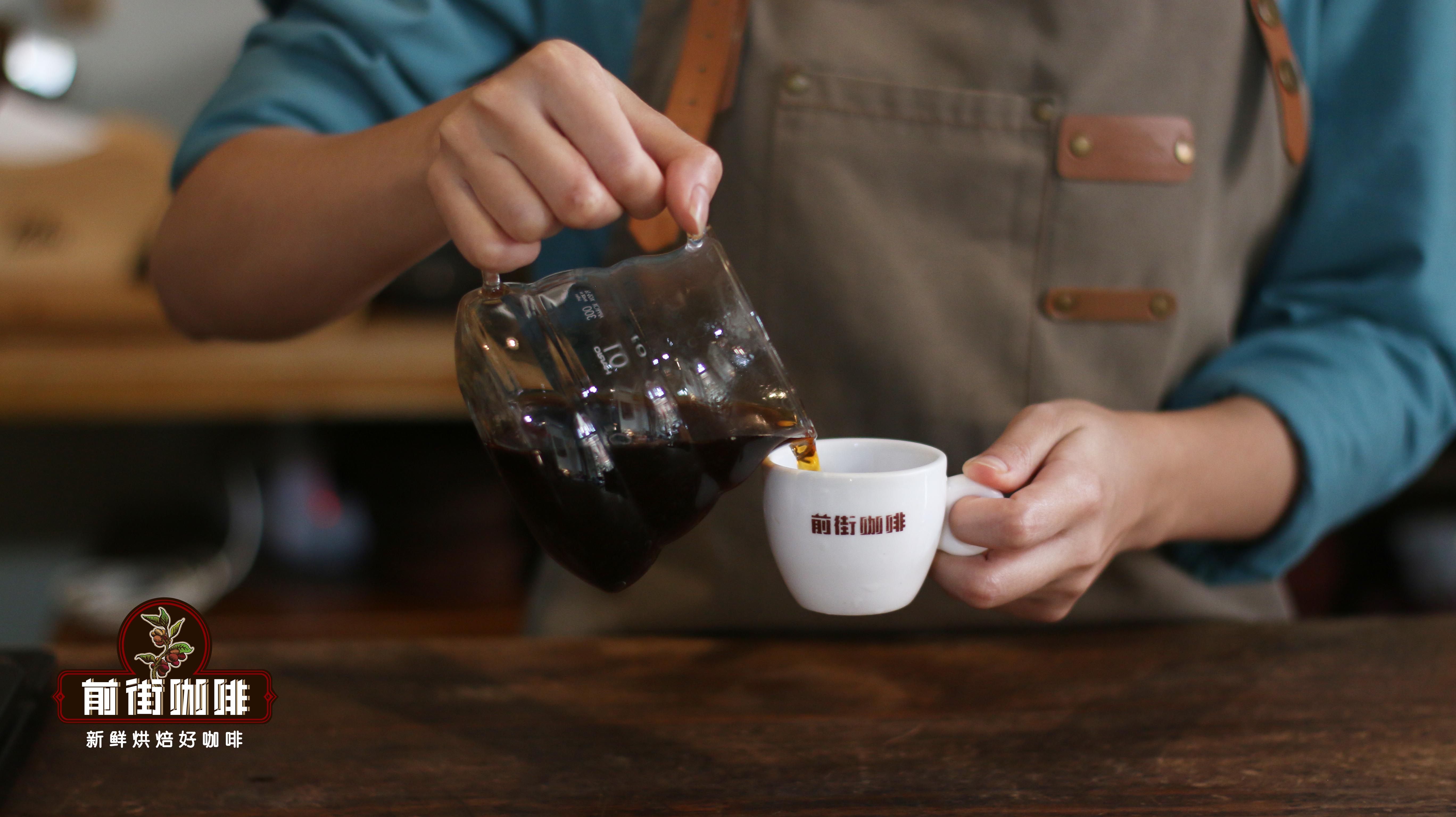
Fold the filter paper so it sits snugly in the dripper, wet it with a little water to help it adhere, and pour off the water in the server. Add the grounds and tap gently to level the bed. For the first stage, gently pour 30 grams of water to bloom, and let it bloom for 30 seconds. For the second stage, pour in a steady outward circle to about 125 grams. Wait for the liquid to drop, and when it is halfway down, add the final stage to 225 grams. After all the coffee has dripped through, total extraction time is usually around 2 minutes. Finally, remove the dripper, swirl the coffee in the server to mix it, and start tasting while it is hot.
People love pour-over because it invites you to explore coffee's flavor actively: adjusting the method to suit different varieties and roast levels, choosing vessels with care to see the different forms coffee can take, and controlling grind size, temperature, flow rate, and pouring technique to steer the extraction. Every step can bring a different taste and aroma, and that is the charm of pour-over.
In the end, the reward is a cup that reflects your own choices, and every small adjustment teaches you something about how coffee works. That is why we keep coming back to the dripper, day after day.
FrontStreet Coffee Recommendation
For a classic everyday Yirgacheffe, FrontStreet Coffee's Washed Yirgacheffe Daily Bean is the place to start. It is known for white jasmine, bright citrus and lemon acidity, and a clean tea-like body, all at a friendly price that makes it the natural first step into specialty coffee. If you want a single-lot version with a little more definition, the Gotiti Cooperative is washed in the traditional style and graded G1, with citrus, lemon, and orange notes lifted by an elegant white floral aroma.
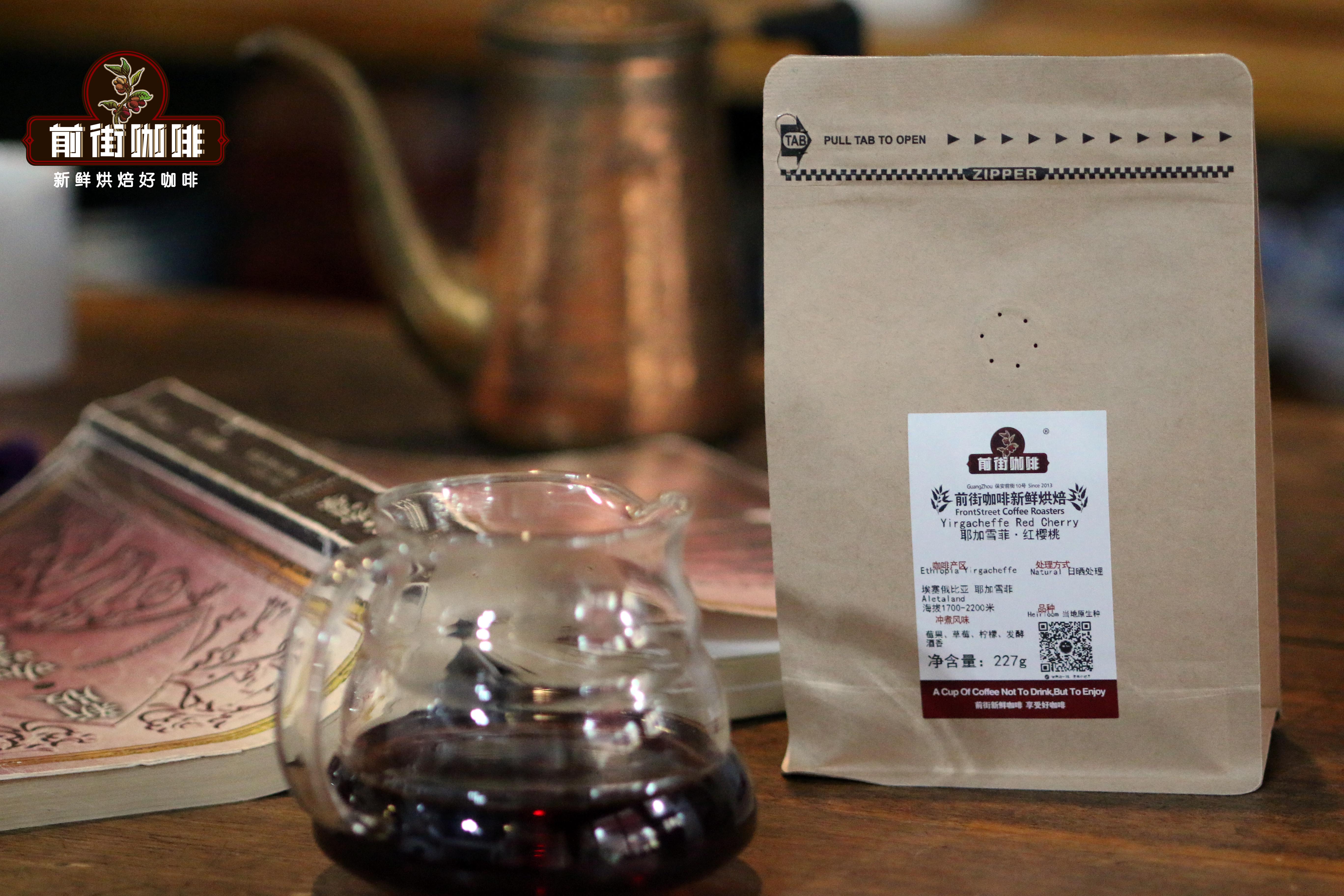
For something sweeter and more fruit-forward, the Red Cherry uses a full-ripe natural process, so it keeps the classic Yirgacheffe character while adding tropical fruit. Expect citrus acidity, a juicy berry quality, honeyed sweetness, and a creamy, smooth texture. Brew any of them on a V60 with 15 grams of coffee at a 1:15 ratio and 90-91°C water, grinding to a fine-sugar texture that passes about 80 percent through a No. 20 sieve, and finish with a three-stage pour of 30 grams to bloom for 30 seconds, then up to about 125 grams by one minute, and the final pour to 225 grams around one minute 35 seconds.
Important Notice :
FrontStreet Coffee is a long-established specialty coffee roaster in Guangzhou China, selling freshly roasted beans from its own farm in Yunnan as well as dozens of carefully selected single-origin beans from around the world for both pour-over and espresso. The products deliver consistently excellent quality and great value, with shipping within 24 hours. Guangzhou's FrontStreet Coffee shop is recommended by many coffee lovers, and the beans are now available online at the Tmall 。
FrontStreet Coffee has moved to a new address:
FrontStreet Coffee Address: 315,Donghua East Road,GuangZhou
Tel:020 38364473
 Scan and follow the En Gafei WeChat official account. Please indicate that the reprint comes from "En Gafei".