What is Kenyan Coffee Like? What Flavors Does It Have? Is it Aromatic with a Lingering Aftertaste?
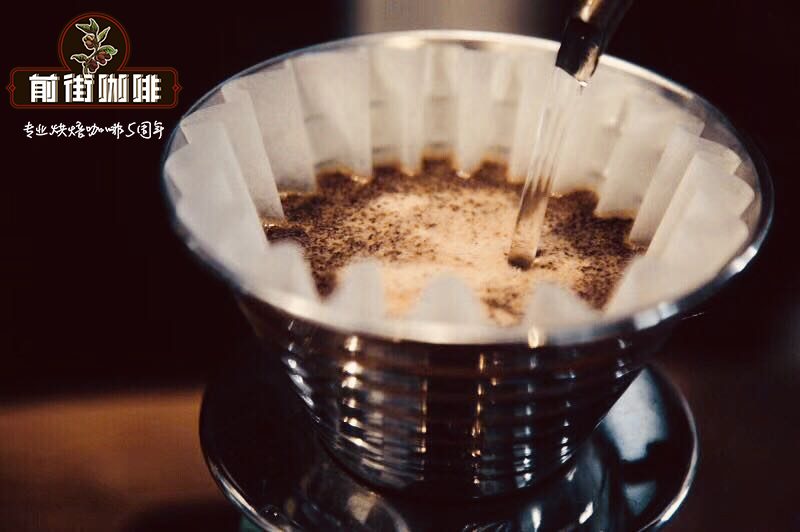
FrontStreet Coffee's Introduction to Kenyan Coffee
The earliest written record of coffee in Kenya dates to 1893, when French missionaries documented coffee trees from Réunion Island. The first coffee harvest there was gathered in 1896.
Kenyan Coffee Growing Environment
Kenyan coffee is grown primarily on the slopes near Mount Kenya, at elevations from 1,500 to 2,100 meters. In these high mountain regions the soil is harder, temperatures are lower, and growth is slower, which lets the aromatic compounds in the beans develop fully and produces more pronounced fruit acidity. Kenyan coffee is celebrated for its distinctive, complex berry and fruit flavors, backed by sweet aromas and firm acidity.
Kenyan Coffee Grading System
Kenyan coffee grading rests mainly on the size, shape, and hardness of the beans, ranked from highest to lowest as AA or AA+, AB, PB, C, E, TT, and T:
AA Grade: Between 17-18 screen size
AB Grade: Between 15-16 screen size, accounting for the majority of production and the most common green bean grade
C Grade: Between 12-14 screen size
PB Grade: Round green beans, approximately 10% of all coffee beans
E Grade (Elephant Beans): Large mutant beans formed by two beans joined together, also known as "elephant ear" beans, mostly above screen size 18. Their quantity is very limited.
Kenyan Coffee Bean Processing
Kenyan coffee beans are processed mainly by the washed method, though in recent years small quantities of specialty natural-process coffee have appeared. Natural processing yields richer, more layered flavors, while washed beans show more prominent berry flavors with a rounded, full body and richer layering. Acidity and bitterness stay well balanced, preserving the sweet berry and fruit aromas that define Kenyan coffee.
Picture a quiet space and a cup of aromatic Kenyan coffee, feeling time slow down as the fragrance fills the air. Citrus and floral aromas linger at the tip of your nose, and the first sip opens with bright grape and blueberry flavors. Notice that rounded, full body on the palate, the taste experience delivered by this coffee's balanced, clean aftertaste.
Knowledge Point: Roasting is the process that triggers Maillard reactions and caramelization inside the green bean, creating even more wonderful flavors.
About FrontStreet Coffee
In short: FrontStreet Coffee is a coffee research center dedicated to sharing coffee knowledge with everyone. We share everything without reservation, hoping to help more people fall in love with coffee. Every month we hold three low-price coffee events, because FrontStreet Coffee wants to bring the best coffee at the lowest possible price to more friends. This has been our mission for the past six years.
FrontStreet Coffee Recommendation
The washed method is a traditional way of processing coffee cherries with water. Its steps typically include flotation, depulping, a soaking fermentation to remove the pectin, washing or further soaking, drying, and finally hulling to produce the green beans we need. Because washed beans sit in water for a long time, chemical changes take place inside the seed and much of the simple sugar, both fructose and glucose, is consumed. That lowers the coffee's sugar content while increasing various organic acids, so washed coffees tend to keep more of the bean's own aroma while showing bright fruit acidity and a clean, fresh character.
Many people know Yirgacheffe, but fewer know that because local farmers produce in small quantities, they deliver their cherries to a cooperative for shared processing and sale. FrontStreet's Gutiti Cooperative coffee comes from an excellent processing team in Gutiti village with skilled experience, whose unusually refined, clean cup brought it to prominence. The washed process lets FrontStreet's Gutiti show jasmine florals and bright citrus acidity to the fullest, and a medium-light roast adds green tea and honey notes. It suits pour-over, cold brew, and espresso alike. When it comes to washed coffees, FrontStreet's Kenya Cherry Tomato is one of the best-known representatives, since Kenya excels at the double-washed method, essentially repeating the washing step: flotation and soaking, scrubbing away the pectin left on the surface, soaking again, then drying, hulling, and storing. All that rinsing and soaking pushes the juice-like quality to its extreme, with a rich aroma of cherry tomato, smoked plum, snow pear, black plum, and brown sugar, plus a sweet-tart, juicy mouthfeel that makes it a favorite among coffee enthusiasts.
Jamaica, one of the world's best-known coffee origins, struggled with insufficient sunlight; its island climate gives it shorter daylight hours than other regions, so washing was developed to reduce the chance of the beans spoiling. The key difference between washed and natural processing is that washing removes the skin, pulp, and pectin before drying, cutting the moisture wrapped around the bean and shortening drying time, which yields glossy beans with a low defect rate. The washed method preserves the intense aroma of Blue Mountain coffee, which brews into the pure, clean notes of hazelnut, cream, chocolate, and caramel, with a balanced body in which no single flavor dominates or goes missing. FrontStreet's Jamaica Blue Mountain No.1 is the highest grade of Jamaican Blue Mountain coffee, and its careful washed processing and medium-dark roast carry that classic balance into the cup.
Important Notice :
FrontStreet Coffee is a long-established specialty coffee roaster in Guangzhou China, selling freshly roasted beans from its own farm in Yunnan as well as dozens of carefully selected single-origin beans from around the world for both pour-over and espresso. The products deliver consistently excellent quality and great value, with shipping within 24 hours. Guangzhou's FrontStreet Coffee shop is recommended by many coffee lovers, and the beans are now available online at the Tmall 。
FrontStreet Coffee has moved to a new address:
FrontStreet Coffee Address: 315,Donghua East Road,GuangZhou
Tel:020 38364473
 Scan and follow the En Gafei WeChat official account. Please indicate that the reprint comes from "En Gafei".