Characteristics of Arabica Beans - Introduction to Arabica Coffee Bean Flavor, Taste, and Variety Features
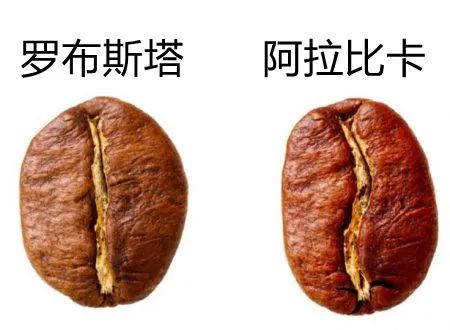
Most of the coffee we drink daily is Arabica, though that rarely gets mentioned — it usually comes up only to distinguish it from the other great species, Robusta. In this article, FrontStreet Coffee walks you through what makes Arabica special.
Arabica Is the "Small Bean" Species
Arabica (scientific name Coffea arabica) is also known as small-bean coffee and originates from Ethiopia. Initially it was used mainly for medicinal purposes; later, people developed the habit of roasting and drinking it, and in the 16th century Arab traders spread it worldwide, gradually turning it into the popular beverage we know today. Many of the specialty beans we're familiar with are Arabica — Jamaican Blue Mountain, Panamanian Gesha, Ethiopian Yirgacheffe, and more.

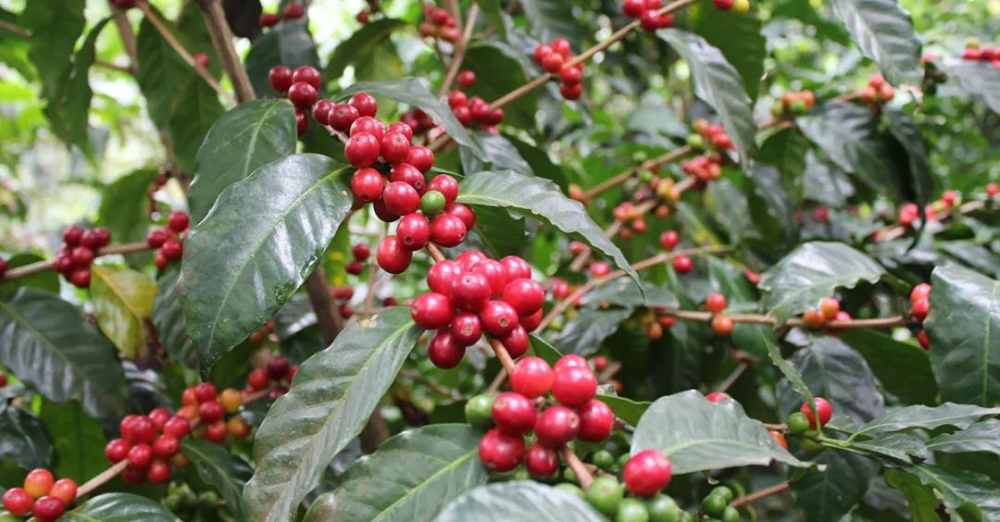
Arabica plants are relatively large shrubs suited to mountain environments at 600-2,200 meters (in Ethiopia they can grow at extreme altitudes up to 2,350 meters with excellent quality), temperatures between 15°-24°C, and annual rainfall of 1,200-2,200 millimeters. The leaves are oval and dark green; the fruits are oval too, typically holding two slightly flattened beans. The beans are rounded, with an oval front face and a narrow, curved S-shaped crack down the middle, and a fairly flat arc across the back. Two Arabica trees are planted right outside FrontStreet Coffee's Dongshankou store — worth a look when you come for coffee.
Arabica's chlorogenic acid content is relatively low, about 5.5% to 8%. Besides its antioxidant properties, chlorogenic acid is also a key defense against pests — which is why Arabica suffers more pest damage and is more sensitive to climate. It's generally planted at higher altitudes, yields fewer cherries, and matures more slowly, so production per hectare is far lower than Robusta's, making Arabica much more expensive to grow.

The Flavor of Arabica Coffee
The bitterness we taste in coffee comes mainly from chlorogenic acid. Robusta carries more caffeine, amino acids, and chlorogenic acid, so it lacks the elegant aromatics unique to Arabica and delivers a harsher, deeper bitterness instead. Arabica's caffeine content is low, about 0.9% to 1.2%; its fat content is 60% higher than Robusta's, and its sugar content is twice as high. That's why Arabica tastes smooth, sweet, and richly layered in acidity — the first choice of coffee drinkers.

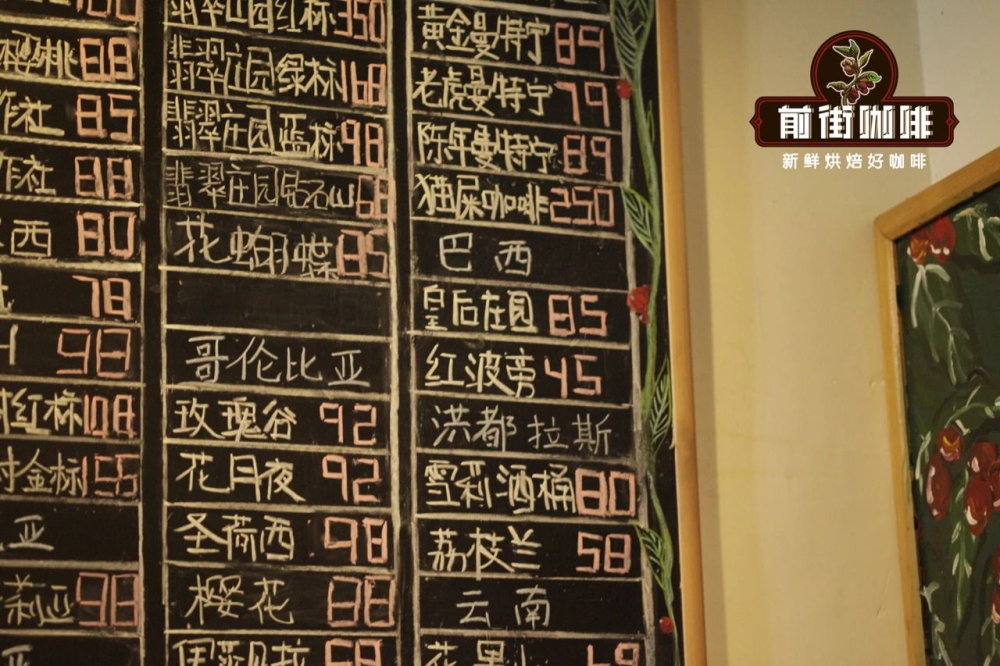
As specialty coffee culture keeps spreading, people care more and more about taste, texture, and quality — and only high-quality Arabica really meets the specialty market's standards. Most of the pour-over single origins on FrontStreet Coffee's bean list are Arabica, which says a lot: given the choice, people prefer Arabica's pure flavor.
What Are the Common Arabica Varieties?
As a category, Arabica splits into nearly three thousand varieties, all descended from Ethiopia's oldest native varieties — Typica and Bourbon — that mutated after being planted in South America or Asia. As an agricultural product, coffee flavor always reflects variety, climate, altitude, soil, and management: the natural expression of variety meeting terroir. FrontStreet Coffee picks several representative varieties to help you understand Arabica better.

Typica
The oldest native Ethiopian variety, discovered around the 15th to 16th centuries AD. Typica trees are taller, with bronze-colored top leaves, and the beans are larger and longer, with pointed tips that curl slightly upward — somewhat egg-like. Typica coffee typically shows citrus acidity with a sweet aftertaste, praised by many as elegant, clean coffee. Unfortunately, low yields and poor leaf-rust resistance mean farmers have gradually replaced it with hardier varieties.
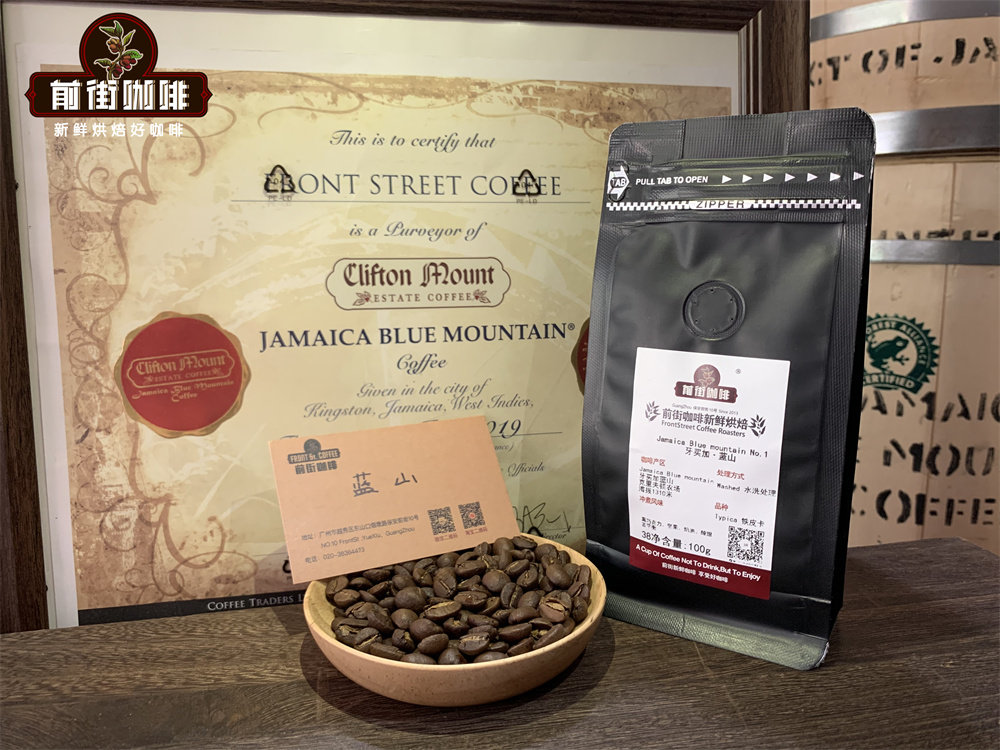
Typica was introduced to Jamaica by Sir Nicholas Lawes in the 18th century and soon spread to the Blue Mountains, where it has now been grown for over two hundred years. Blue Mountain Typica has adapted to the island's tropical rainforest climate, evolving disease resistance — particularly against coffee berry disease — far stronger than typical Typica. FrontStreet Coffee believes Blue Mountain's delicate, clean flavor is inseparable from Jamaica's meticulous cultivation, which let Typica fully integrate into the local terroir, with the mountains' excellent conditions and unique microclimate playing a big role. FrontStreet Coffee roasts it medium-dark to maximize chocolate and nut aromas while preserving soft acidity and sweetness, for a balanced overall cup.
Gesha
Anyone who drinks pour-over regularly has heard of Panamanian Gesha, one of the icons of contemporary specialty coffee thanks to its stunning aromatics. The Gesha variety derives from Typica and, like it, originates from Ethiopia, the birthplace of coffee.

Gesha is very particular about its environment: high altitudes, fertile soil, and cloud or plant shade — it cannot take direct sun. The owner of Hacienda La Esmeralda notes the farm needs many shade trees to shelter the delicate plants, and traditional pruning must be used in the early stages or the trees can die. At higher altitudes Gesha's cherries mature even more slowly and the flavors turn more complex and singular. Uniquely, Gesha trees have very thin leaf systems, meaning low photosynthetic efficiency, and fragile roots that absorb water and nutrients slowly — hence very low yields, with late maturation on top.
Gesha is now grown in many regions worldwide and is the new king of specialty coffee, with particularly high quality in Latin American countries such as Panama, Guatemala, and Colombia. Panamanian Gesha stands out even among these. The most popular Gesha on FrontStreet Coffee's bean list is undoubtedly the famous Hacienda La Esmeralda production, divided by character into Red Label Gesha, Green Label Gesha, and Volcanic Gesha. High-quality Gesha carries an intoxicating fragrance of rose, citrus, berries, and honey, loved by countless coffee enthusiasts.

Bourbon
Bourbon is a natural mutation of Typica, with the bean shape shifting from slender and pointed to rounded. It was first found on the island of Réunion (formerly Bourbon Island) off Africa's east coast: in 1715, after the French transplanted round beans from Yemen's Mocha to the island (renamed Réunion after the French Revolution), it took the name Bourbon. The round Bourbon beans reached Brazil for cultivation in 1727.

Though yields aren't high, Bourbon resists leaf rust better than the fragile Typica. Grown at high altitudes, it shows rich, delicate flavor, fragrant aroma, and smooth acidity. Bourbon cherries generally turn from green to light yellow, orange-yellow, red, and finally fully ripe dark red — that is Red Bourbon. There's also the less common Yellow Bourbon, whose ripe cherries are bright yellow; FrontStreet Coffee's Brazil Queen Estate coffee is a Yellow Bourbon.
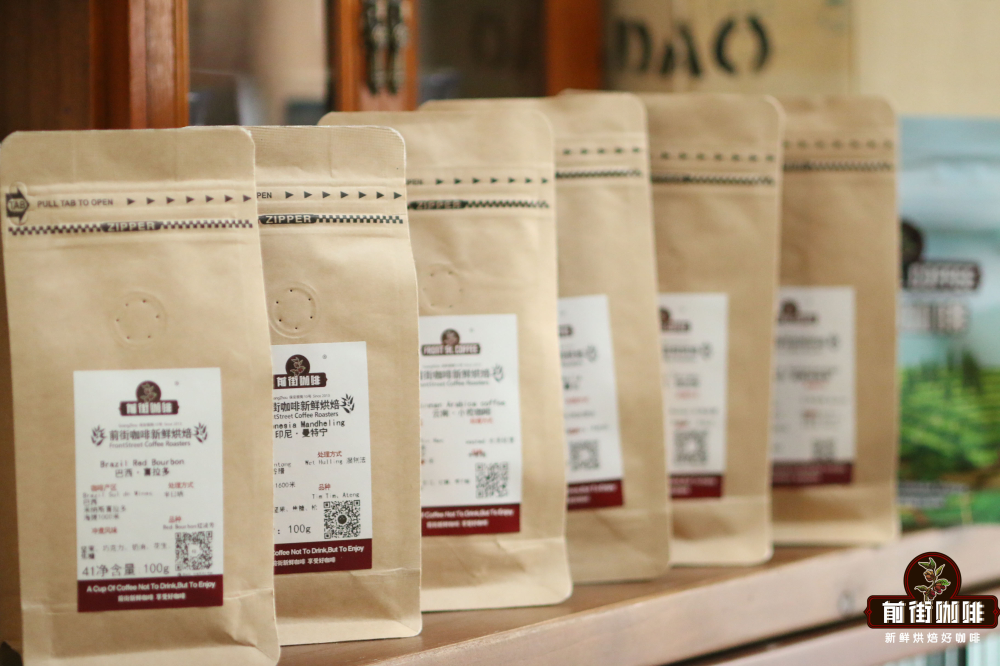
Brazilian coffee mostly shows lower acidity paired with rich aroma — extremely smooth on the palate with a refreshing aftertaste. FrontStreet Coffee chose a semi-dry processed Red Bourbon as Brazil's representative, with distinct nutty and chocolate flavors, moderate caramel sweetness, and a smooth, balanced cup; it's part of the daily bean series. FrontStreet Coffee's daily beans are the face of each major origin, presenting its baseline flavors — beginners can learn what each region fundamentally tastes like, then explore deeper according to preference.
Caturra
Caturra is a natural mutation of Bourbon, discovered in Brazil in 1937. The plant is compact, with middling disease resistance, but because it can be planted densely and sets fruit heavily, its yields exceed Bourbon's. It's widely cultivated across Central America. Flavor-wise, Caturra shows bright acidity full of fruit, and after medium-dark roasting presents chocolate and nut sweetness — a frequent champion in coffee competitions.
Many beans on FrontStreet Coffee's list contain Caturra. To understand the variety, start with the Colombian daily bean — a washed Caturra of very high cleanliness, roasted medium-dark to present aromas of nuts, dark chocolate, and caramel, showing the classic Colombian profile.
SL28 & SL34
Between 1935 and 1939, Scott Laboratories prefixed every variety it selected and cultivated with SL. The lab evaluated 42 varieties from different origins for yield, quality, drought resistance, and disease resistance, and after numbering and screening settled on SL-28 and SL-34. SL28 comes from the Bourbon genetic group — short, round, thick-bodied beans with uplifting acidity and obvious sweetness.
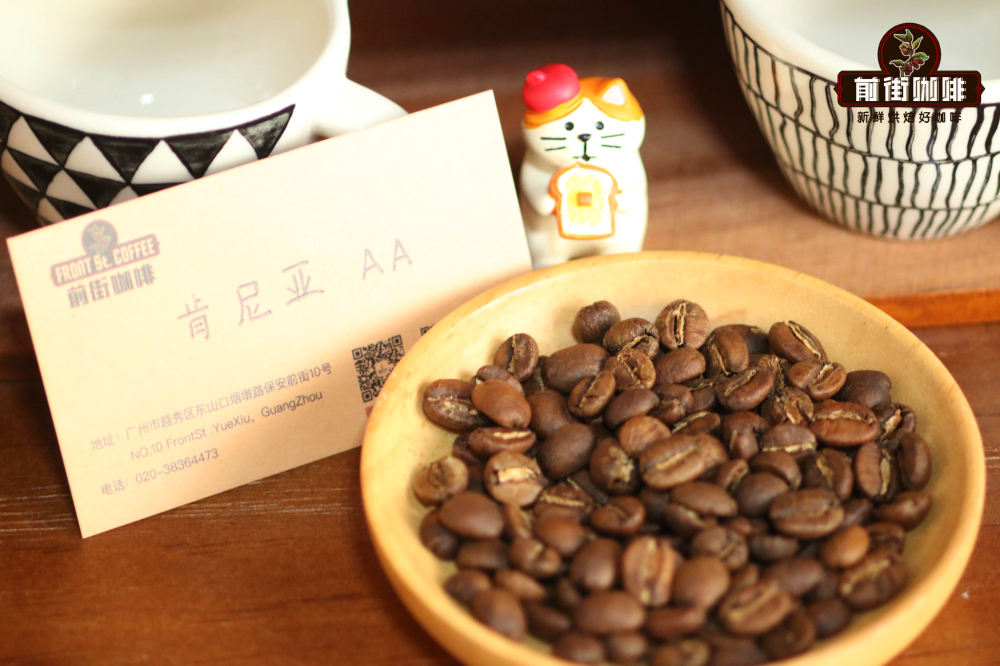
SL34 comes from the Typica genetic group, with oval beans that look flatter from the side than Typica, offering balanced sweet-sour fullness and a caramel aftertaste. FrontStreet Coffee's Kenya Asalia beans are selected from these two varieties and use 72-hour washed processing to present the full acidity of plum, brown sugar, preserved plum, and cherry tomato.
FrontStreet Coffee Recommendation
If you want to taste what makes Arabica special, start where the species began: Ethiopia. FrontStreet Coffee's washed Yirgacheffe is the classic everyday bean — white jasmine florals, bright citrus and lemon acidity, and a light, elegant, tea-like body, at a price perfect for newcomers. Yirgacheffe is a small town in Ethiopia's Sidama region at roughly 1,700-2,100 meters, among the highest coffee elevations on earth, and its unmistakable floral-citrus profile has made the name a byword for Ethiopian specialty coffee since the Commodity Exchange separated it from Sidama in 2010.
From there, explore: FrontStreet Coffee's Guodingding (Worka) Cooperative lot — an independent village cooperative since 2012 with about 300 member farmers — pulps its fruit before drying, so the cup is exceptionally clear, with citrus, lemon, and refined white florals; and the Yirgacheffe Natural Red Cherry, sun-dried whole for three to five weeks, adds tropical fruit, juicy berries, honey sweetness, and creamy smoothness on top of the classic profile. Brewing suggestion: V60, 15g of coffee, a 1:15 ratio, water at 90-91°C, medium-fine grind (80% pass-through on a #20 sieve) — 30g bloom for 30 seconds, then 95g, then 100g, drawn down in about 2:00-2:10.
Important Notice :
FrontStreet Coffee is a long-established specialty coffee roaster in Guangzhou China, selling freshly roasted beans from its own farm in Yunnan as well as dozens of carefully selected single-origin beans from around the world for both pour-over and espresso. The products deliver consistently excellent quality and great value, with shipping within 24 hours. Guangzhou's FrontStreet Coffee shop is recommended by many coffee lovers, and the beans are now available online at the Tmall 。
FrontStreet Coffee has moved to a new address:
FrontStreet Coffee Address: 315,Donghua East Road,GuangZhou
Tel:020 38364473
 Scan and follow the En Gafei WeChat official account. Please indicate that the reprint comes from "En Gafei".