Types of Honey Processing for Coffee Beans: Understanding the Sweetness Beyond Washed Processing
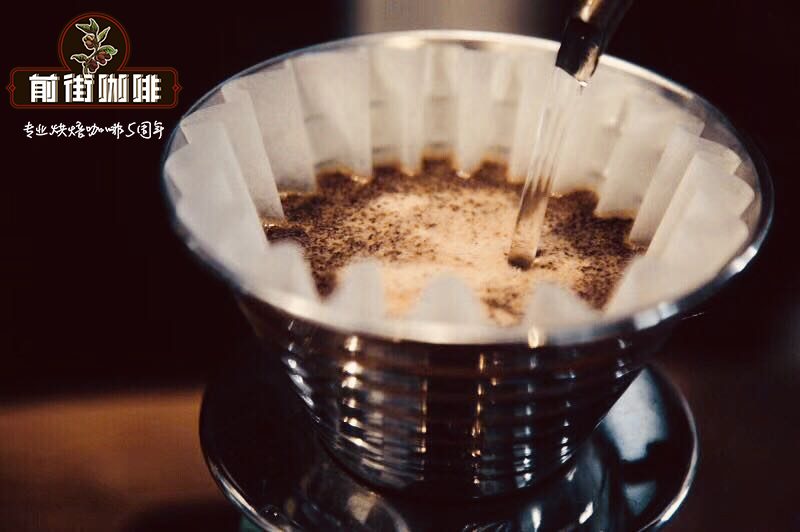
FrontStreet Coffee - Introduction to Honey Processing Grades
Around 2000, the semi-dry method reached Costa Rica, where growers adapted the Brazilian approach to local conditions. Central America's high humidity meant that cherries with the pulp removed would moisten and spoil if they were simply left in the sun with the sticky mucilage clinging to them for an hour the way they are in Brazil. So the soaking and fermentation step was dropped: after the pulp and part of the mucilage layer are removed, the sticky beans are sun-dried inside their parchment. Because coffee processed this way carries a notable sweetness, as though honey had been added, it earned the name "honey process."
Even with today's fast-moving industry, many steps in coffee processing still cannot be handed over to machines. The sun-drying stage in particular demands a great deal of manual labor to turn the beans, which keeps mold at bay and evens out exposure to the sun. Because the work is so labor-intensive, it is mostly handled by small estates or dedicated processing facilities, and true mass production is difficult. After 2006, Costa Rican honey coffees began winning cupping competitions regularly and drew wide attention for their distinctive, crowd-pleasing character. Today "honey process" is effectively the preferred method in Costa Rica's growing regions, and it is popular across Central America as well.
Since honey-processed beans on the market now often state a processing grade, a lot of people ask what black honey actually means, or what red honey refers to. After working through the relevant materials and reference books, here is an explanation that also helped me get the subject straight, since my earlier understanding of honey color grading was not especially clear.
Honey Process Color Grading
Some Costa Rican growers grade honey-processed green beans by the different colors that result from different drying periods. By color they fall into three grades: yellow, red and black. Sun intensity falls as drying time lengthens. The flavor difference between the three lies in how sweetness is expressed, and the darkest color carries the most pronounced sweetness.
Yellow Honey
Longest exposure to the sun, with extremely high heat, so drying is basically finished within a week.
Red Honey
Drying takes 2-3 weeks, with shade structures built to reduce the area exposed to the sun.
Black Honey
Drying takes about a month. Because workers have to move the beans into shaded areas by hand, the process is complicated, the costs are high and the price is the highest of the three.
Knowledge Point
Although we call them coffee beans, they are actually the seeds of the fruit of a Rubiaceae plant, the coffee tree.
In summary, FrontStreet Coffee is a coffee research hall dedicated to sharing coffee knowledge with everyone. We share without reservation in the hope of helping more friends fall in love with coffee, and we hold three heavily discounted coffee events each month because FrontStreet Coffee wants more people to enjoy the best coffee at the lowest possible price. That has been our mission for the past 6 years.
FrontStreet Coffee Recommendation
The whole point of honey processing is sweetness, and Brazilian coffees are a fine way to explore that quality from a different angle. The FrontStreet Brazil Queen's Farm Yellow Bourbon grows in Mogiana near South Minas, where fertile red volcanic soil feeds the fruit and builds a full aroma. As a yellow mutation of Red Bourbon it carries a cleaner fruit character, and after a medium roast it pours out the sugarcane-like sweetness that is hard to find in other regions, alongside fruit and chocolate notes. It works as pour-over, in a moka pot or through a home espresso machine.
If you prefer a rounder, lower-acid cup, the FrontStreet Brazil Cerrado Red Bourbon is a classic single origin from a district known for high-quality beans. A medium roast gives cream peanut, toast, caramel and hazelnut, with a smooth body, gentle acidity and a light bitter finish, and it is equally at home as pour-over, moka pot, single-origin espresso, siphon or French press.
Sweetness also runs through the espresso side of the range. Brazil's low acidity, balanced cup and accessible price have made it a first choice in many Italian-style recipes, and Brazilian beans appear in the rich, crema-heavy FrontStreet Classic Blend, the nut-forward FrontStreet Signature Blend, the well-balanced FrontStreet Dark Cocoa Blend and the shop-oriented FrontStreet House Blend. Beyond the chocolate and cream aromas, Brazil brings a gentle sweet-sour-bitter harmony that helps keep extraction consistent from shot to shot.
Important Notice :
FrontStreet Coffee is a long-established specialty coffee roaster in Guangzhou China, selling freshly roasted beans from its own farm in Yunnan as well as dozens of carefully selected single-origin beans from around the world for both pour-over and espresso. The products deliver consistently excellent quality and great value, with shipping within 24 hours. Guangzhou's FrontStreet Coffee shop is recommended by many coffee lovers, and the beans are now available online at the Tmall 。
FrontStreet Coffee has moved to a new address:
FrontStreet Coffee Address: 315,Donghua East Road,GuangZhou
Tel:020 38364473
 Scan and follow the En Gafei WeChat official account. Please indicate that the reprint comes from "En Gafei".