The 8 Most Famous Coffees in the World—What Makes Ethiopian Coffee Special?

For more specialty coffee knowledge, follow our official WeChat account: FrontStreet Coffee.
The Cultural Weight of Ethiopian Coffee
Coffee is now a beloved drink almost everywhere in the world, yet in Ethiopia it is far more than a beverage. It is woven into both culture and faith. Regardless of wealth or social standing, the coffee ceremony remains an indispensable part of social and family life. Whenever people gather, a respectful ceremony begins.
The Traditional Ethiopian Coffee Ceremony
Legend has it that on the Ethiopian highlands a goatherd named Kaldi noticed his goats becoming unusually lively after eating certain wild red fruits. Curious, he picked some and carried them home. After eating them he felt alert and energized, and he shared the discovery with his village. Word spread, the beans reached the Arabian Peninsula, and cultivation and trade slowly took root — the start of coffee's centuries-long journey across the globe.
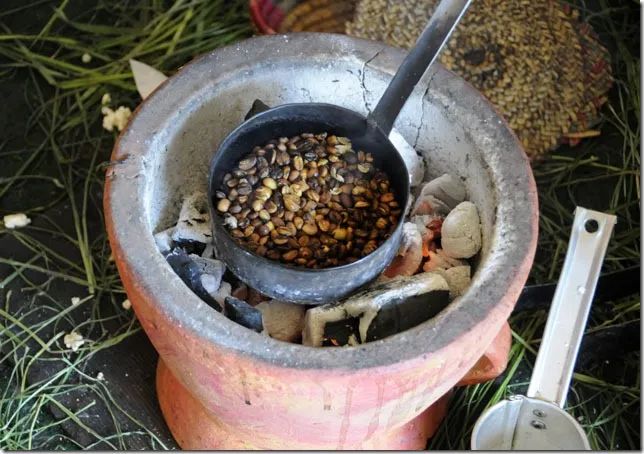
The tale may not be strictly historical, but Ethiopians have brewed coffee since ancient times. A fragrant cup in the morning is what starts a fresh day, and the air in every village is perfumed with roasting coffee. Here people have preserved coffee in its most original form: charcoal-roasted beans ground with an iron pestle, then brewed in a pot so the boiling coffee slowly releases its aroma, to be enjoyed alongside traditional bread.
The Ethiopian coffee ceremony is ancient and deliberate. Raw beans are first roasted in a flat pan, then crushed with a mortar and pestle, and finally brewed in a clay pot called a Jebena. When the water and grounds come to a boil, the coffee is ready. The ceremony unfolds in three rounds: the first cup, Abol, is accompanied by an elder's blessing; the second, Tona, is when people begin to chat about daily life; the third, Beraka, symbolizes joy, and only after it is drunk is the ceremony complete.
Notably, coffee in the Ethiopian language is "bunn" or "buna," and coffee's birthplace is Kaffa. Coffee is therefore sometimes called "Kaffa bunn" — coffee from Kaffa. The English word "coffee" is widely thought to derive from this Ethiopian place name.
Ethiopia's Garden Coffee Model
Ethiopia's high terrain creates an excellent climate: a tropical rainforest pattern with plentiful rain and lingering mist. Altitudes of roughly two thousand meters bring wide swings between day and night temperatures, giving coffee trees a uniquely favorable environment.
Local production falls into four categories: forest coffee, semi-forest coffee, garden coffee, and large plantations — garden coffee being the most common. Garden coffee means farmers tending coffee trees mixed among other cash crops in their own gardens, usually alongside banana trees. Every household's front and back yards thus form their own green landscape, and this is Ethiopia's principal production method.
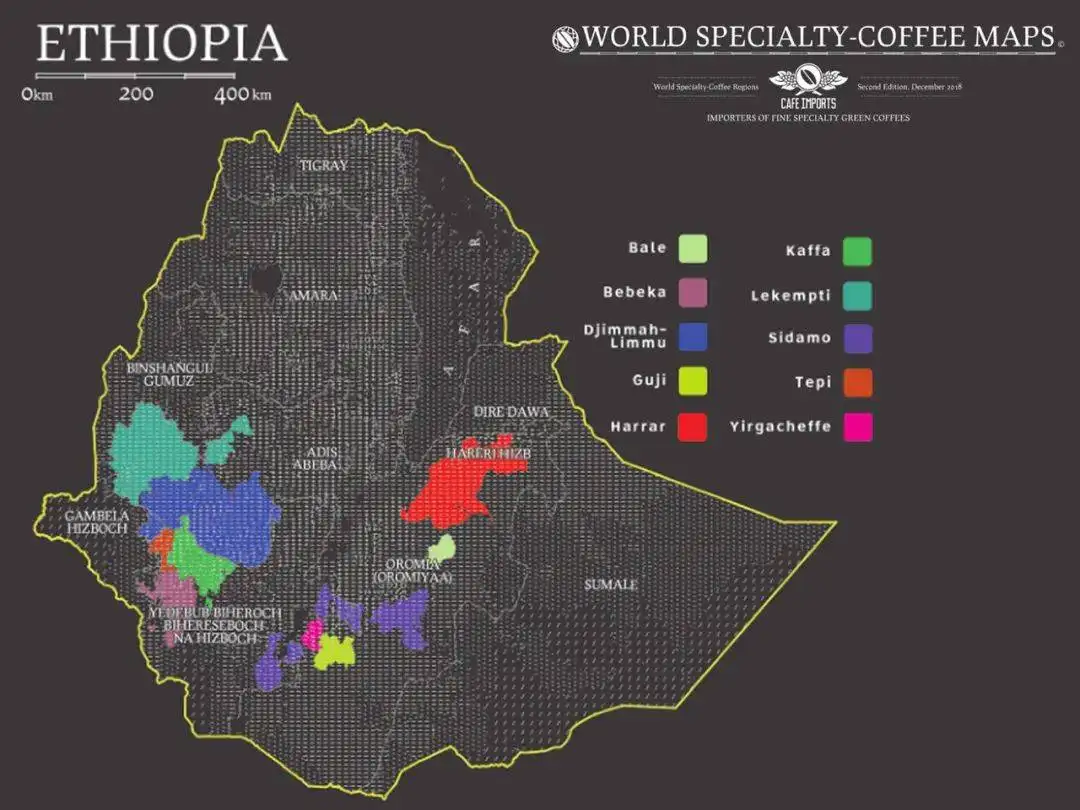
Administratively, all five major regions of Ethiopia grow coffee, and the four cultivation systems are spread across nine producing areas: Jimma, Sidamo, Yirgacheffe, Harrar, Limu, Illubabor, Gimbi (Lekempti), Tepi, and Bebeka. Yirgacheffe, Harrar, and Sidamo coffees enjoy the strongest recognition. Yirgacheffe is a very small town that nonetheless produces thousands of tons of specialty coffee each year, which shows how central the region is to Ethiopian coffee.
Because individual smallholders produce so little, the country relies on a web of cooperatives and processing stations. Farmers deliver their cherries to a nearby station built close to a water source for centralized processing, and the coffee is later sold under that station's name. The Gotiti Cooperative beans on FrontStreet Coffee's menu, for instance, are gathered from trees grown around Yirgacheffe town, washed centrally there, and released under the cooperative's name.
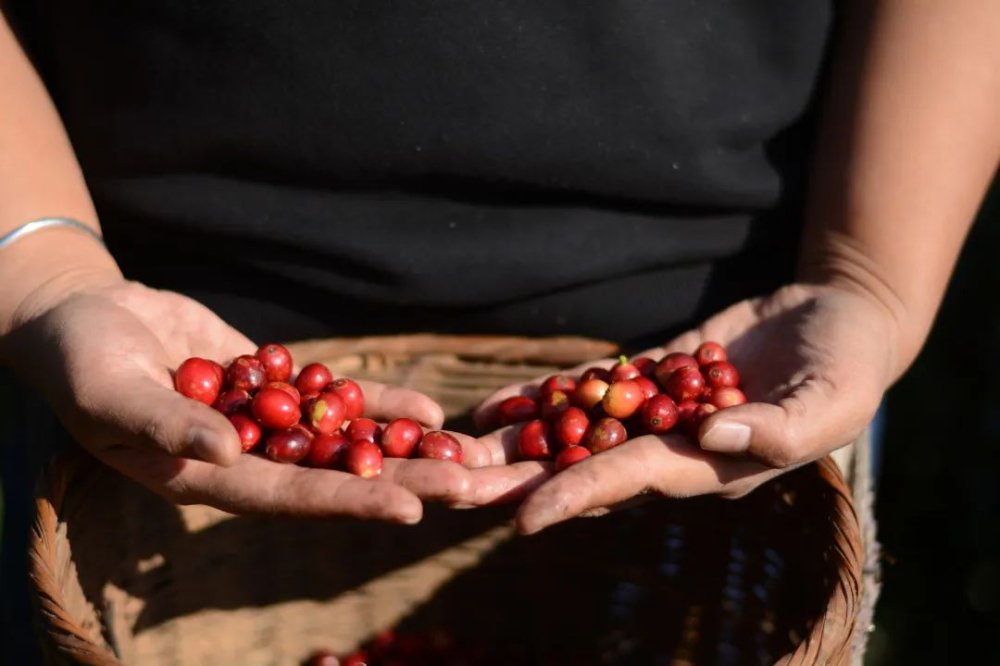
Washed Versus Natural Process
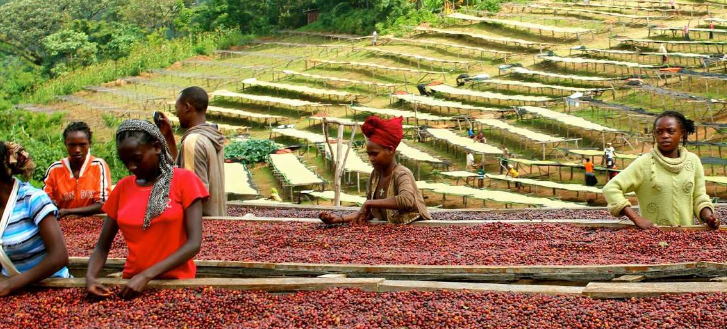
Ethiopia's high altitude and abundant sunshine make it well suited to drying coffee fruit in the sun. Traditional natural processing, however, was crude: each farmer could spread cherries out to dry on a rooftop or on the ground in his own courtyard. The rough methods introduced many off-flavors and produced inconsistent quality.

In 1972 the Ethiopian government brought more advanced washed-processing technology and equipment from Central and South America. Farms using the washed method must build washing tanks and have access to a continuous supply of fresh water, which raises production costs. During processing, fermented beans are moved back and forth in the tanks, and the friction between beans plus the force of flowing water scrubs them until they are smooth and clean. Each step removes impurities and defective beans, so the green coffee is more uniform and commands a higher price than natural-process coffee. Washing also sharply reduced the defect rate and gave Yirgacheffe its fresh citrus tones and elegant white-floral aromas, with a bright, delicate, clean overall profile.
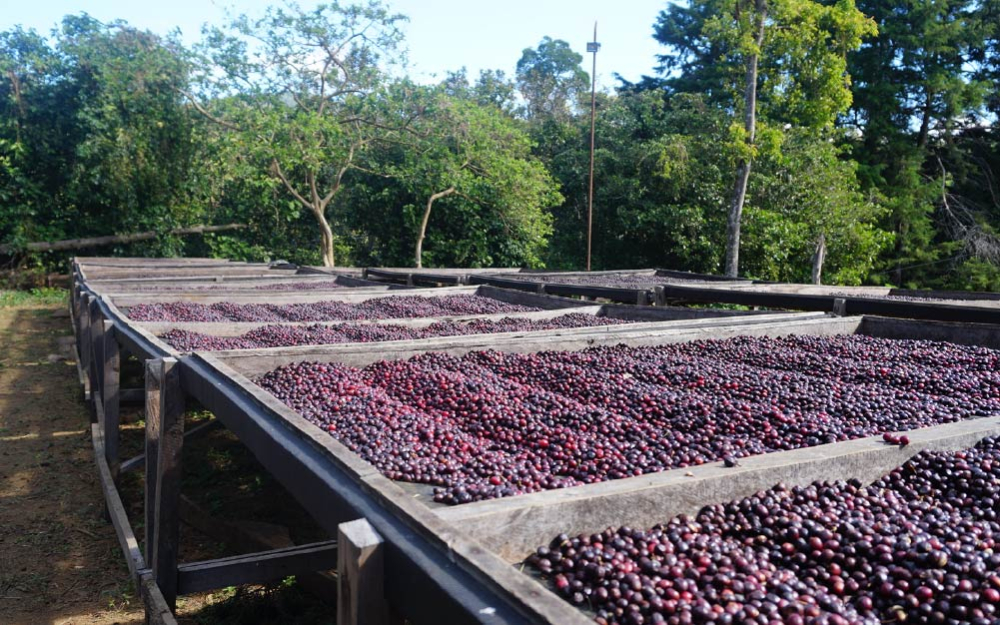
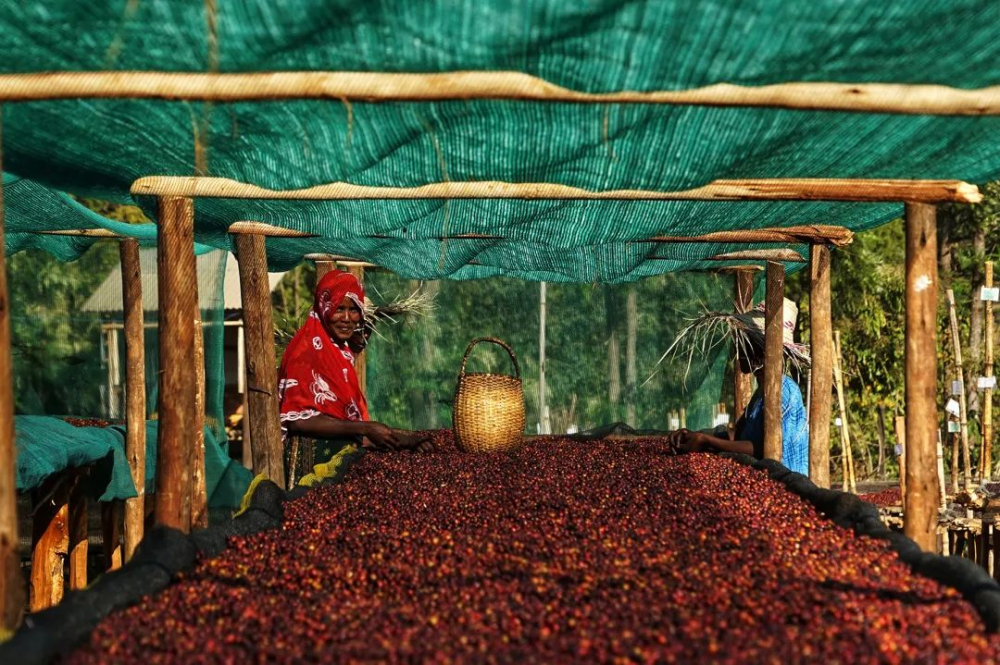
Washed coffee may have had its moment in the sun, but natural processing still accounts for the bulk of Ethiopian coffee. Unlike in the past, today's natural processing invests far more effort in hand sorting and even drying. Freshly picked red cherries are sorted by hand to remove defective, overripe, or insect-damaged fruit, leaving only good beans, which are then sent to the drying areas. Producing regions use different drying setups — waterproof tarps, raised beds, and so on — but the most common are African raised beds. Drying generally takes 27 to 30 days, until the coffee turns dark purple and moisture content falls to 11%.
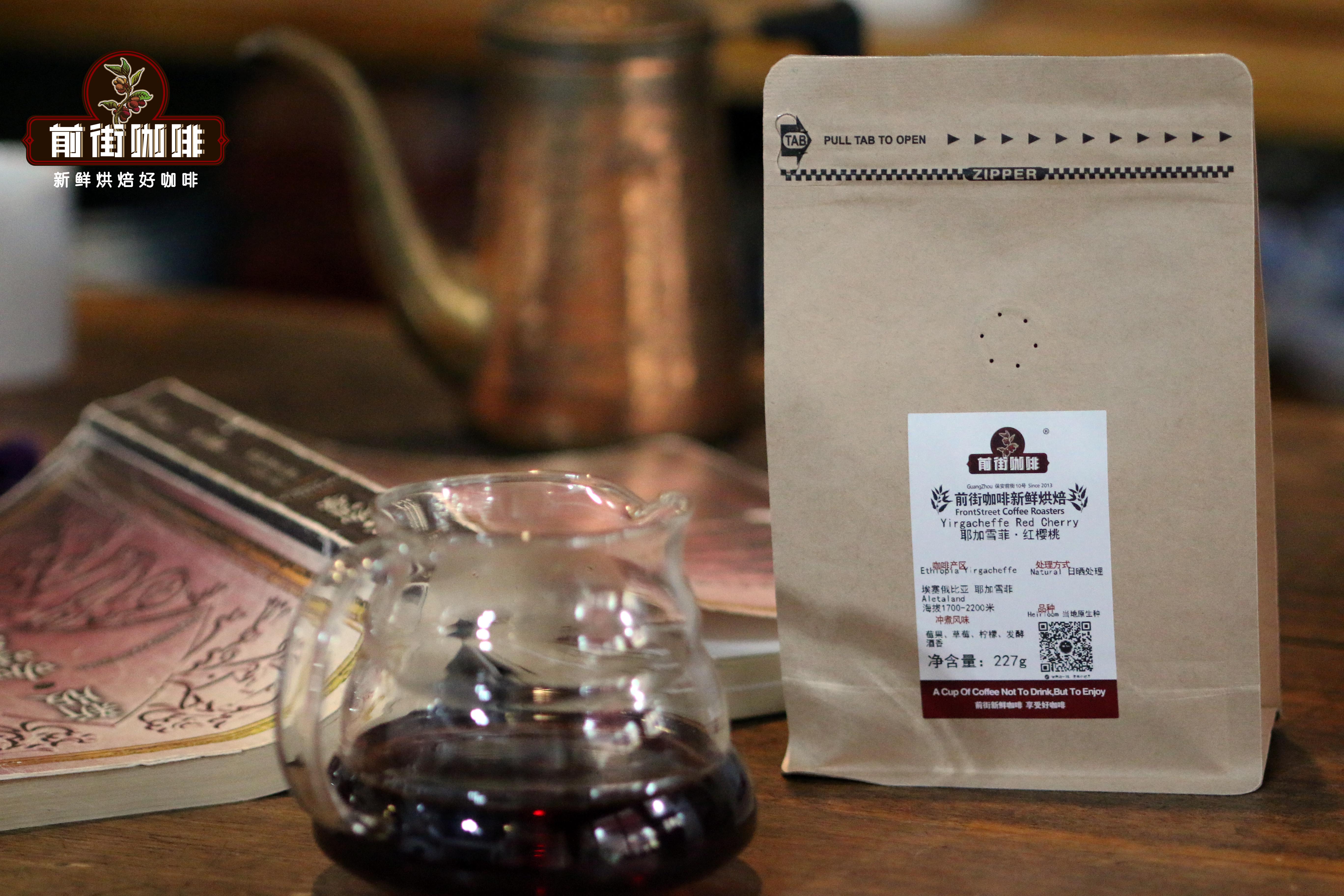
The Gotiti Cooperative beans on FrontStreet Coffee's menu are classically washed Yirgacheffe, while the Red Cherry beans are refined natural-process Yirgacheffe: more intense, with richer layers, fuller fermentation notes, tropical fruit flavors, and relatively high sweetness.

Flavor Characteristics of Ethiopian Coffee
As a star among African coffees, Ethiopian beans are prized for their rich floral aromas, fresh citrus tones, and clean, crisp cup, which has made them an introductory single origin for many drinkers. FrontStreet Coffee, a devoted fan of floral and fruit-forward coffee, keeps several Ethiopian beans on its menu, the most representative being the washed Gotiti Cooperative, natural Red Cherry, Sidamo Flower Queen, and the washed Yirgacheffe daily-drink bean — the face of Ethiopian coffee.

When guests come to FrontStreet Coffee looking for a washed, fruity cup, our baristas will first reach for the Gotiti Cooperative. For full, rounded fruit sweetness, we think natural Red Cherry is the better fit. And for those who want to experience tropical fruit fermentation aromas, we recommend the Flower Queen beans from the Sidamo Hambela region.
FrontStreet Coffee holds that Ethiopian coffee is defined mainly by its fruity acidity, which makes it best suited to medium-light roasting — a level that highlights sweetness while preserving more floral aroma and fruit acidity.
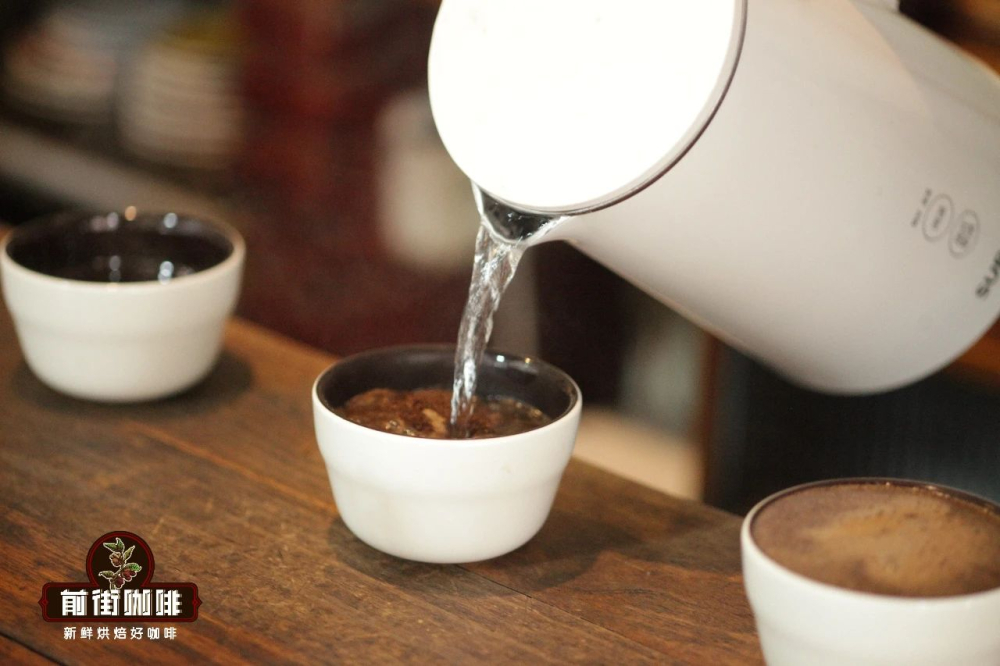
Cupping Notes:
Washed Gotiti Cooperative Coffee: The dry aroma reveals fresh passion fruit, citrus, and berry acidity; the wet aroma is citrus and berries. On the palate there is citrus acidity, berry sweetness, almond, and tea, with a honeyed finish. Light body, bright acidity, clean and refreshing.
Natural Red Cherry Coffee: The dry aroma shows full berry sweet-and-sour notes. Tasted at different temperatures, it delivers soft berry sweet-and-sour, ripe fruit fermentation, pronounced honey sweetness, and a red tea finish, with a smooth mouthfeel.
Natural Sidamo Flower Queen Coffee: The dry aroma carries nuts, honey, berries, and a light fermentation note. The entry is full of passion fruit, cream, and strawberry sweet-and-sour notes, with a thick body and a cocoa finish.
Ethiopian Flavor: Bean Recommendations
If you are new to specialty coffee, FrontStreet Coffee suggests starting with the washed Yirgacheffe daily-drink bean. Yirgacheffe is practically synonymous with Ethiopian specialty coffee, and washing is the best showcase of its charm, which is why it serves as the "face" of Ethiopian coffee and a first taste of the country's flavors.

FrontStreet Coffee's daily-drink series lets newcomers sample the basic flavors of a producing region at an affordable price, and the small packaging avoids waste when a bag cannot be finished. To taste Yirgacheffe's classic aroma at its best, we think hand-brewed black coffee is the ideal method. To keep the beans fresh, FrontStreet Coffee ships coffee roasted within the past 5 days, and delivery usually takes 1 to 3 days, so what arrives is at its peak and ready to brew.
FrontStreet Coffee's Pour-Over Recommendation
Dripper: V60
Water Temperature: 92-93°C
Dose: 15g
Ratio: 1:15
Grind Size: Fine-sugar size (78% through a #20 sieve)

Three-Stage Pour: Use twice the grounds' weight in water to wet the bed into a dome for a 30-second bloom. Then pour in slow circles from the center outward until the scale reads 125g for the first stage. When the bed drops to half the height of the dripper, pour the third stage with the same fine stream until 225g. Remove the dripper once all the liquid has drained, about 2 minutes in total.

Grind the washed Yirgacheffe daily-drink beans and the aroma is honey and jasmine. As hot water is poured, hints of berry emerge. The hand-brewed black coffee opens with bright lemon, citrus, and green tea; as it cools, berry, cream, and sugarcane appear in the finish, with a pronounced aftertaste and a clean, sweet mouthfeel.
FrontStreet Coffee Recommendation
If Ethiopia's floral, fruit-driven style is what you are after, FrontStreet Coffee's lineup offers an easy way in. The washed Yirgacheffe daily-drink bean is the classic starting point, with jasmine, bright citrus and lemon acidity, and a tea-like body that makes it one of the most approachable specialty coffees anywhere. The washed Gotiti Cooperative is cut from the same cloth yet even more precise, showing citrus, lemon, and elegant white florals with a clean, delicate finish.
For something sweeter and more layered, the natural Red Cherry beans bring peach, cocoa, honey, and lemon through a full-red-fruit natural process, while the natural Flower Queen from the Sidamo Hambela region leans into tropical fruit, rose, and honey with a creamy body and a long, complex finish. Freshly roasted and shipped within 5 days, all of them are ready to brew as soon as they arrive.
Important Notice :
FrontStreet Coffee is a long-established specialty coffee roaster in Guangzhou China, selling freshly roasted beans from its own farm in Yunnan as well as dozens of carefully selected single-origin beans from around the world for both pour-over and espresso. The products deliver consistently excellent quality and great value, with shipping within 24 hours. Guangzhou's FrontStreet Coffee shop is recommended by many coffee lovers, and the beans are now available online at the Tmall 。
FrontStreet Coffee has moved to a new address:
FrontStreet Coffee Address: 315,Donghua East Road,GuangZhou
Tel:020 38364473
 Scan and follow the En Gafei WeChat official account. Please indicate that the reprint comes from "En Gafei".