Yunnan Coffee Origin Rankings: Which Region Produces the Best-Tasting Coffee Beans? Is Yunnan Small Bean an Arabica Variety?

Tea has a long history in China, but did you know that China has also been drinking coffee for more than a hundred years? It did not develop on a large scale at the time, yet Chinese coffee now receives government attention and is growing steadily. The country is also promoting domestic products, and today coffee shops across the country feature Yunnan coffee. Chinese people have come to love Yunnan coffee rather than pursuing imported beans exclusively.
Of course, some people wonder whether Chinese coffee actually tastes good. FrontStreet Coffee believes that Yunnan coffee has become popular precisely because of its unique flavor characteristics. If it did not taste good, would people like it? Everyone's tastes differ, and it is perfectly normal to prefer different flavors.

Yunnan: China's Premier Coffee Region
Yunnan is China's largest coffee-growing region and the optimal golden zone for coffee cultivation. The western and southern parts of Yunnan Province lie between 15°N latitude and the Tropic of Cancer, with most areas ranging from 1,000-2,000 meters in elevation and predominantly mountainous, sloped terrain. Fertile soil, abundant sunshine, plentiful rainfall, and wide day-night temperature swings create natural conditions that give Yunnan small-bean coffee its distinctive character - rich without bitterness, aromatic without being overpowering, with subtle fruity notes. The region has produced four famous coffee-growing areas with thriving coffee industries, bringing us world-renowned quality domestic coffee.
As early as the 1950s, Yunnan's small-bean coffee was highly popular in the international coffee market and was rated a premium-grade coffee. The history of coffee cultivation in Yunnan can be traced back to 1892, when a French missionary brought coffee seeds into Yunnan from abroad and successfully planted them in a valley in Binchuan County. The coffee plants propagated from those seeds still have more than thirty specimens flowering and fruiting in Binchuan County today.

Large-scale coffee cultivation in Yunnan began in the mid-1950s, reaching a planting area of 4,000 hectares at its peak. By the end of 1997, the province's coffee planting area had reached 7,800 hectares. That area accounts for 70% of the national total, and production accounts for 83% of the country's total. Whether measured by planting area or by bean production, Yunnan coffee has established its dominant position within China.
Yunnan Coffee Growing Regions
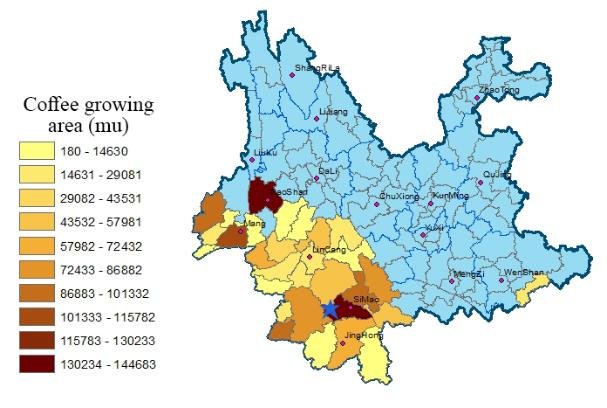
Yunnan's main coffee-growing areas are distributed across the southern and southwestern parts of the province, including Dehong, Pu'er, Lincang, and Baoshan.
Dehong
Known as the "Coffee Hometown of China," by 2011 the entire prefecture had developed 120,900 mu of coffee planting area, accounting for 30% of China's total coffee planting area. Over the following three years, Dehong Prefecture's coffee planting area is set to reach 200,000 mu. Coffee cultivation in Dehong takes place at altitudes above 1,000 meters, with 30,000 mu planted in mountainous areas above 1,600 meters. Dehong also relies primarily on organic fertilizers and organic pesticides, producing high-quality coffee that makes it one of the world's rare premium coffee-producing regions.

Baoshan
Baoshan is the main cultivation area for Yunnan small-bean coffee. Coffee cultivation in Baoshan began in the mid-1950s, with the first coffee seedling introduced from Southeast Asia by the late patriotic overseas Chinese Mr. Liang Jinshan. The locally famous Lujiangba small-bean coffee is of excellent quality. As early as the late 1950s it was rated a first-grade product in London, UK. In recent years, with the expansion of international trade, Lujiangba's small-bean coffee has become even more renowned. Merchants from Europe, America, and Arab countries - especially the UK, US, Egypt, Hong Kong, and Macao - all regard it as premium coffee, with demand exceeding supply. In December 2010, after review by the China General Administration of Quality Supervision, Inspection and Quarantine, national geographical indication product protection was implemented for "Baoshan small-bean coffee."
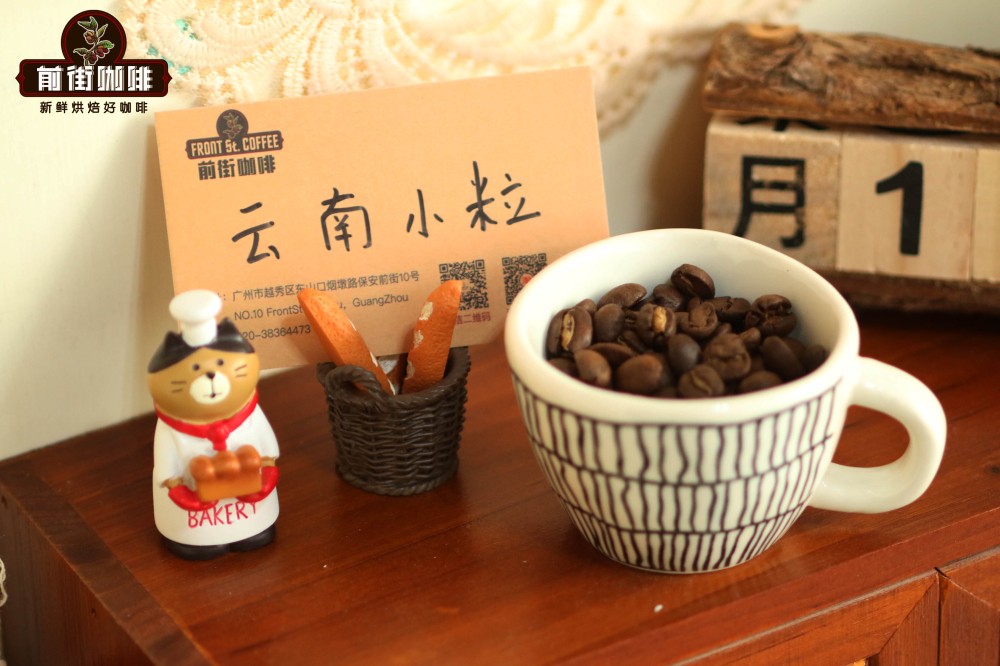
FrontStreet Coffee's house blend Yunnan small-bean coffee comes from the Baoshan region of Yunnan.
Lincang
Lincang City sits in the southwestern part of Yunnan Province, with the Tropic of Cancer crossing its southern part. It borders Pu'er to the east, Dali to the north, Baoshan to the west, and Myanmar to the southwest. Named for its proximity to the Lancang River, it is a brilliant pearl on China's southwestern border. Lincang's annual average temperature ranges between 16.8°C-17.2°C, with distinct wet and dry seasons and abundant sunshine.
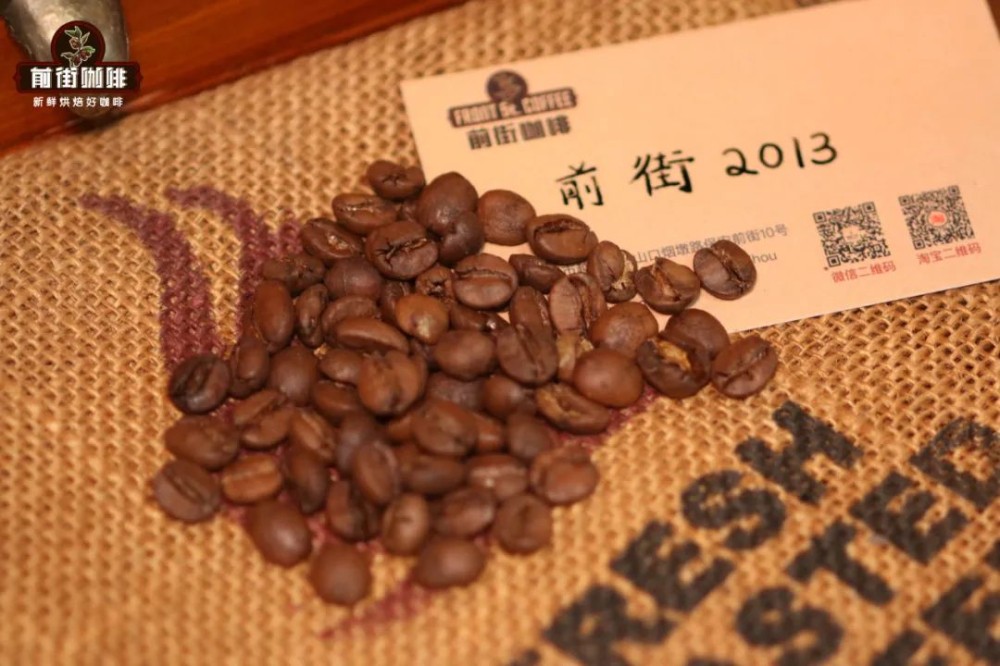
FrontStreet Coffee recognized this "green pearl on the border" and established its own coffee estate in Lincang, planting the oldest Arabica variety - Typica.
FrontStreet Coffee's 2013 Yunnan Natural Typica comes from FrontStreet Coffee's estate in the Lincang region.
Pu'er
The tea town of Pu'er has a 150-year history of coffee cultivation. In the early 1990s, Pu'er City began developing coffee as a key industry for adjusting its industrial structure and helping farmers increase income. Coffee is cultivated in 54 towns across 9 counties and 1 district in Pu'er City.
Yunnan Coffee Varieties
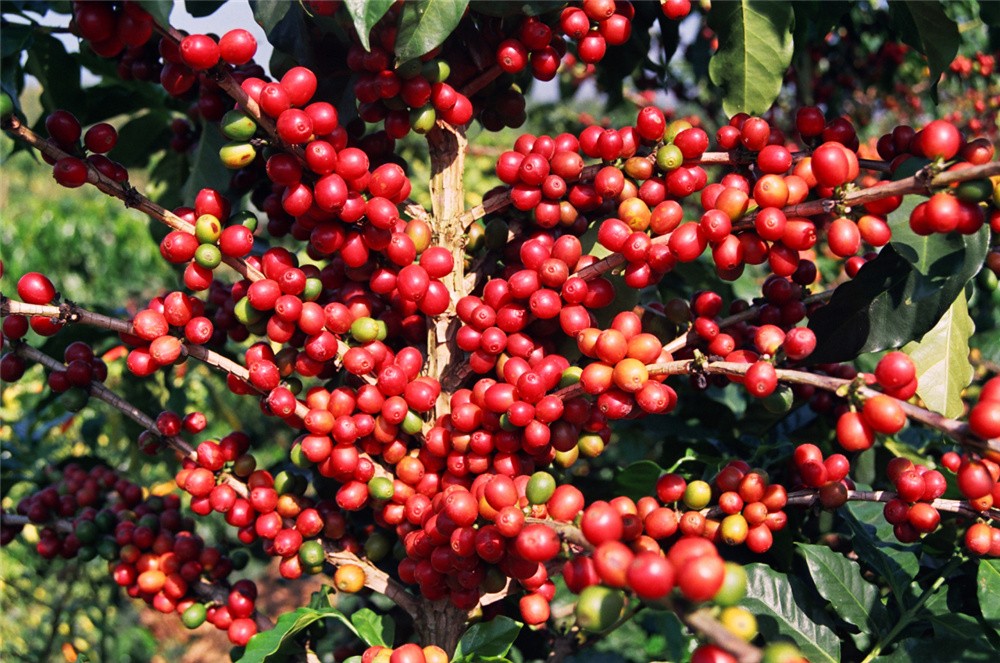
Whether coffee tastes good has a direct relationship with the variety. Currently, the main varieties cultivated in Yunnan include Catimor, Typica, Bourbon, Caturra, Catuai, and others. However, almost all the coffee found on the market is Catimor. Yunnan small-bean coffee therefore now refers to Yunnan Catimor.
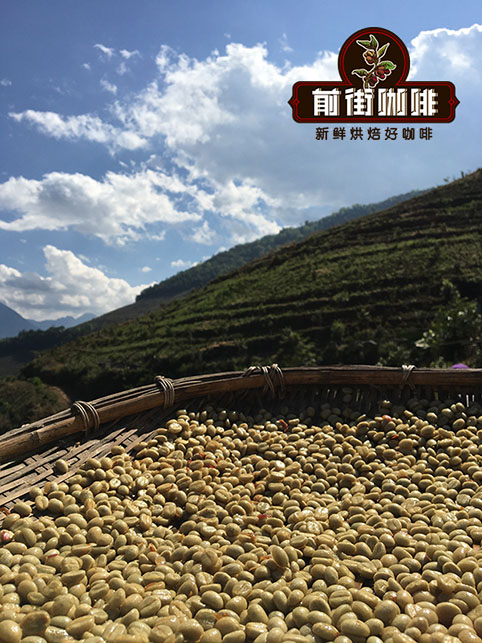
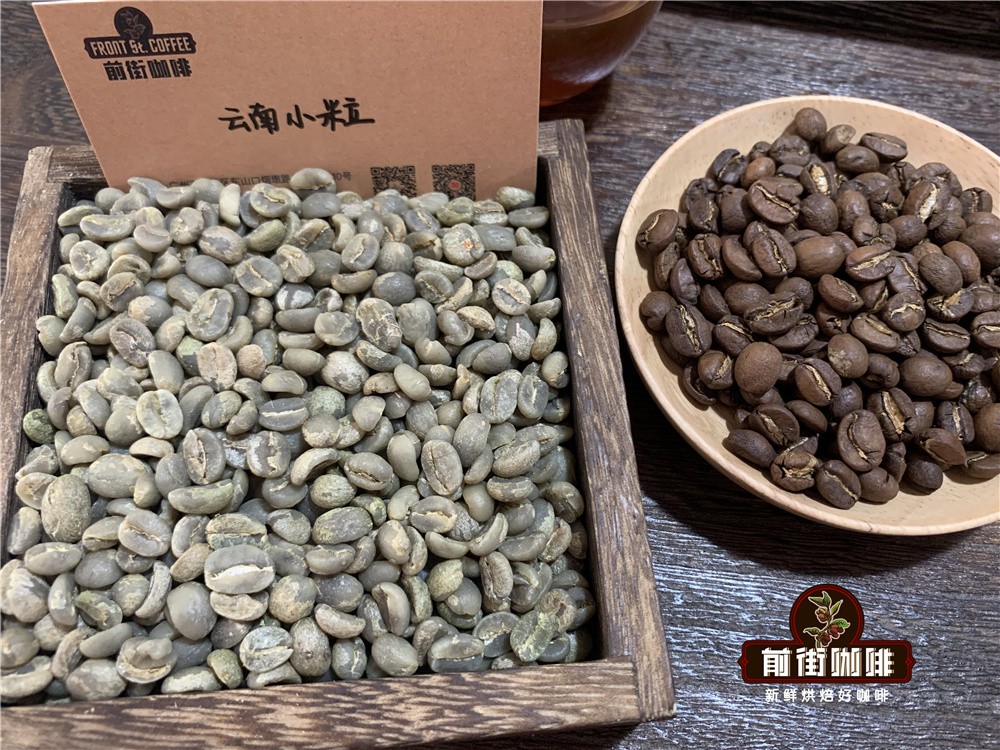
FrontStreet Coffee offers two varieties of Yunnan coffee: one is the Catimor variety, such as Yunnan small-bean coffee; the other is the Typica variety, such as FrontStreet Coffee's 2013 Natural Typica coffee.
Yunnan small-bean coffee takes its name from Typica. Because Typica beans are small, they came to be called "small bean." FrontStreet Coffee has explained before that, because Catimor offers high yields and strong disease resistance, many growers reluctantly cut down their Typica trees and switched to Catimor. Today the planted area of Catimor varieties in Yunnan remains large, and Yunnan small-bean coffee is of the Catimor variety.

Typica Coffee Beans
The most classic premium Arabica variety, and the ancestor of many commercial improved varieties. Typica beans show excellent flavor characteristics and are recognized as a specialty coffee variety, but they have extremely low yields and are susceptible to rust disease, requiring more hands-on management. Typica originates from Ethiopia and southeastern Sudan and is the most widely cultivated coffee variety in the Western Hemisphere. The plants are relatively robust but not tolerant of strong light, with higher yields in Hawaii. The top leaves of Typica are bronze-colored, which is why it is also called red-top coffee.
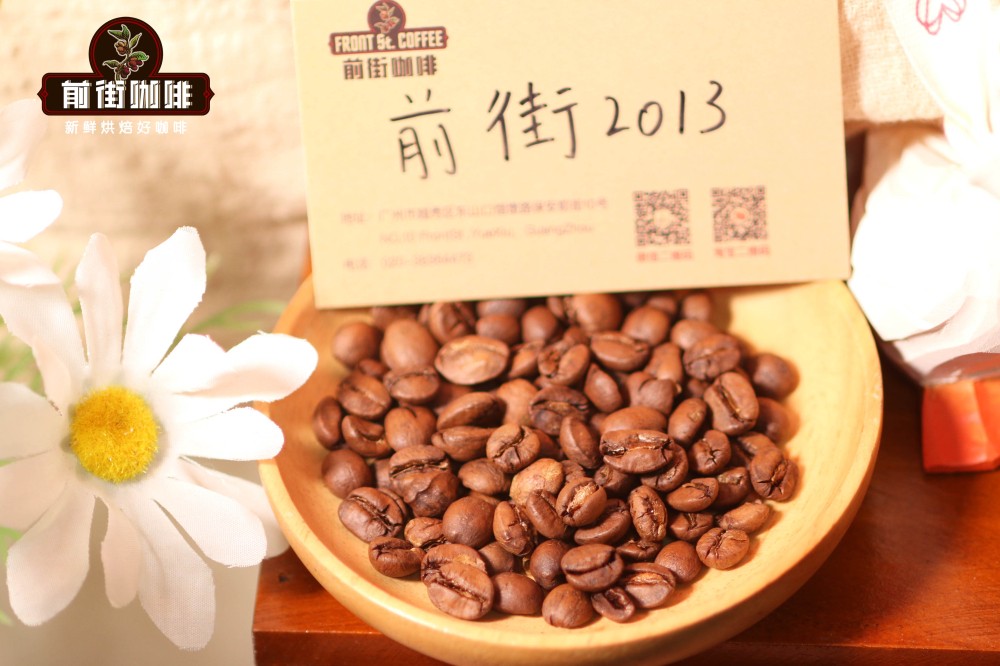
FrontStreet Coffee plants Typica variety coffee at its FrontStreet Coffee estate in Lincang, Yunnan.
Catimor Coffee Beans
Catimor is not a purely Arabica bloodline; it is a hybrid of the Timor variety (of the Robusta species) and Caturra (a Bourbon variant), so Catimor carries 25% Robusta blood. That Robusta lineage also determines its flavor shortcomings: insufficient aroma, an overall bitter taste, and a tendency toward astringency and irritating musty flavors.
Bourbon Coffee Beans
This variety descends from Typica and was spread after the French planted it in 1708 on Bourbon Island (now Réunion). Bourbon also has a wonderful aroma and rich flavors, with higher yields and greater vigor than Typica, making it suitable for areas between 1,200-2,000 meters - though it has weaker resistance to disease and pests and is sensitive to strong winds and heavy rainfall. Bourbon is second only to Typica among small-bean coffee varieties. Its main branches initially grow upward at a 45-degree angle to the trunk, then droop as they load with fruit. The side branches have denser nodes, bearing more fruit and delivering higher yields. The berries, however, are smaller and mature more slowly. Bourbon's top buds and young leaves are green, earning it the name green-top coffee.

Yunnan Coffee Bean Processing Methods
Processing methods are tied to local conditions. Yunnan has a long rainy season and an unstable climate, so most Yunnan coffee beans are processed using the washed method.
FrontStreet Coffee's estate, however, uses the natural processing method for its Typica beans, spreading ripe coffee cherries whole and evenly on raised beds for sun-drying and turning them regularly to avoid the uneven drying that creates unpleasant fermentation. Keeping the fruit intact also lets more of the cherry's sugars penetrate into the raw beans, making FrontStreet Coffee's beans highly aromatic with stronger sweetness.
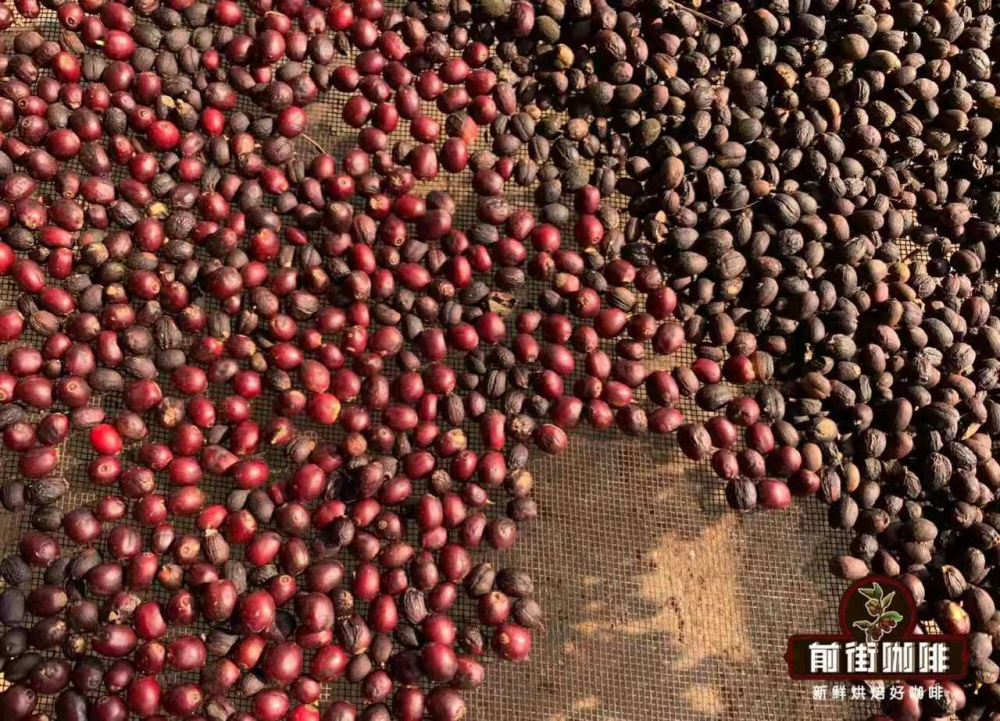
When FrontStreet Coffee's roasters received this natural Typica green coffee, they weighed the need to highlight its aroma and sweetness while still emphasizing the character of Yunnan small-bean coffee, and chose a medium roast level.
FrontStreet Coffee Brewing Recommendations
For brewing, FrontStreet Coffee suggests using freshly roasted beans to make the most of the rich flavors. Coffee beans shipped by FrontStreet Coffee are roasted within 5 days, because FrontStreet Coffee understands that freshness greatly affects flavor. Our roasting philosophy is "freshly roasted good coffee," ensuring every customer receives the freshest coffee when they order. The degassing period is about 4-7 days, so when customers receive their coffee it is at peak flavor.
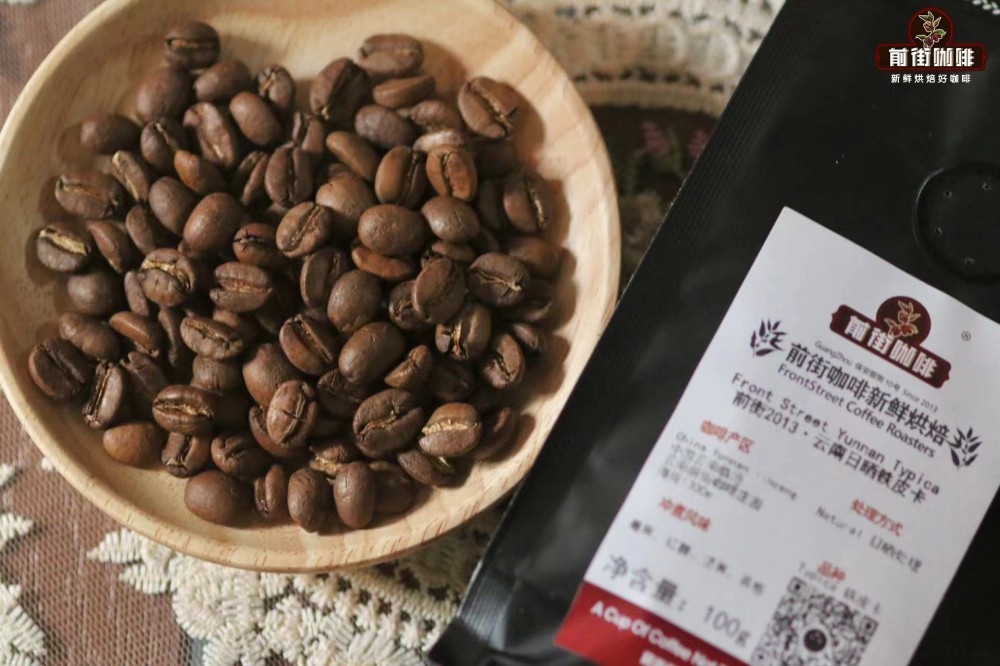
Some customers need FrontStreet Coffee to grind the beans, which is fine too. But FrontStreet Coffee must remind you: pre-ground coffee does not need further degassing, because during transport the pressure of carbon dioxide in the package also helps round out the flavor, so you can brew a cup as soon as the ground coffee arrives. Ground coffee does need to be brewed promptly, though, since coffee grounds oxidize quickly when exposed to air, meaning the flavor dissipates relatively fast and the coffee will not taste as good. FrontStreet Coffee therefore recommends buying whole beans and grinding fresh for each brew to experience the flavor at its best.
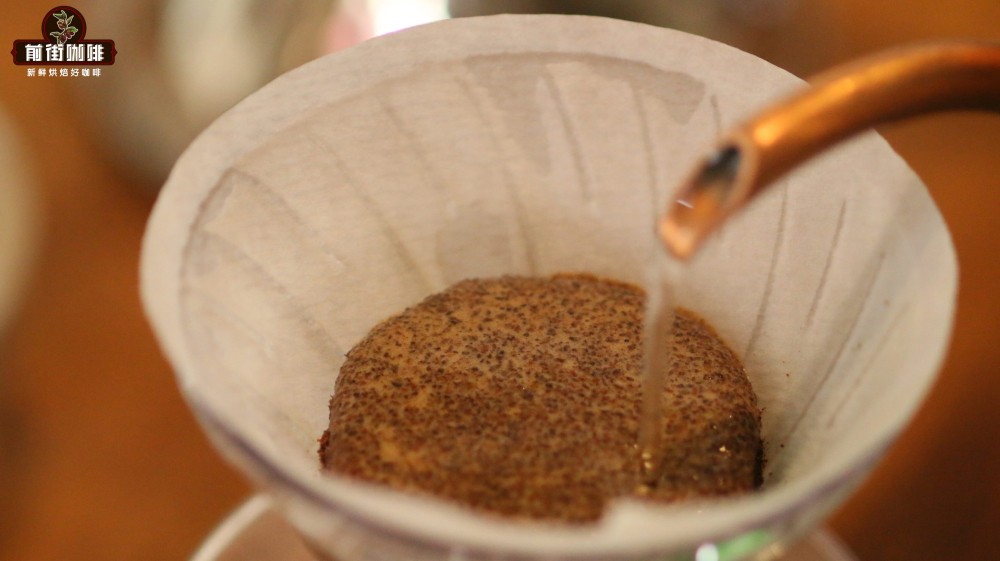
FrontStreet Coffee Brewing Parameters:
Dripper: Hario V60, Water Temperature: 88°C, Coffee Amount: 15g, Coffee-to-Water Ratio: 1:15, Grind Size: Medium-fine (75% pass-through rate with China standard #20 sieve)
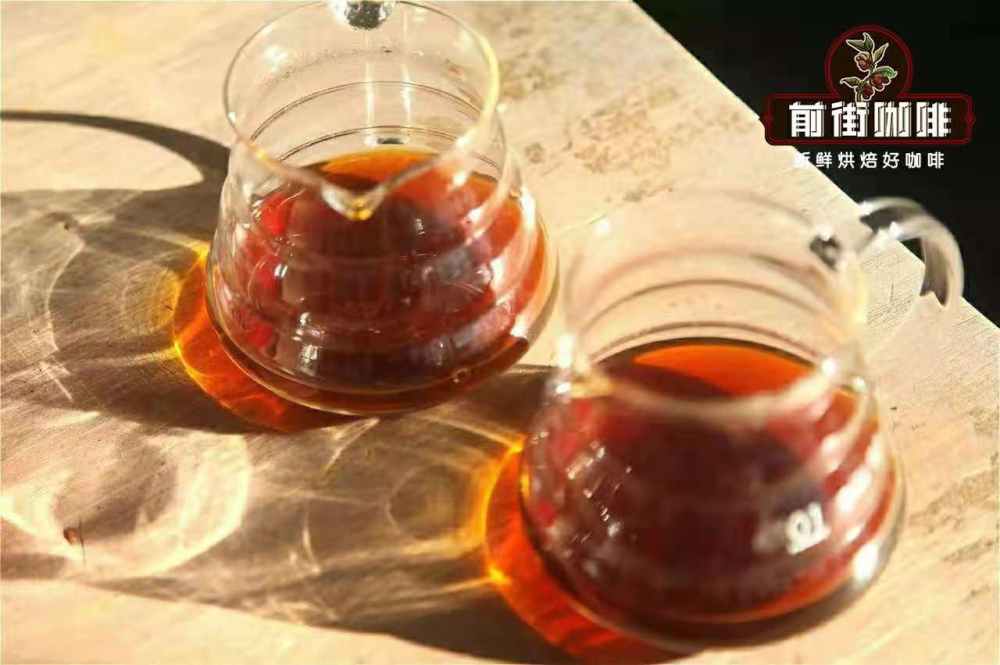
[FrontStreet Coffee 2013 Natural Typica Coffee Flavor] Heavy body, prominent sweet and sour notes, with citrus and berry tones, a hint of fermented wine aroma, caramel-like sweetness, creamy aftertaste, and a black tea-like mouthfeel.
[Washed Yunnan Small-Bean Coffee Flavor] Herbal, nutty aroma, chocolate, caramel.
Yunnan coffee has entered everyone's view and gradually joined the ranks of specialty coffee. FrontStreet Coffee's Yunnan small-bean coffee, Yunnan Catimor coffee, and FrontStreet Coffee's 2013 Natural Typica coffee - these three Yunnan beans all have different flavors. FrontStreet Coffee also carries many single-origin beans from other regions that you can compare with Yunnan coffee. FrontStreet Coffee believes that everyone's tastes differ and preferences vary, but with over fifty different coffee beans from various regions, there is always one you will love. Welcome to taste them at FrontStreet Coffee.
For professional coffee knowledge exchange and more coffee bean information, follow the Coffee Workshop column.
To explore more specialty coffee beans, browse the full FrontStreet Coffee range.
FrontStreet Coffee Recommendation
Yunnan has two very different faces, and FrontStreet Coffee's own lineup reflects both. The FrontStreet Yunnan small-bean coffee comes from the Baoshan region and is washed and medium roasted, bringing out soft nutty and chocolate sweetness with a light plum acidity - an approachable, honest introduction to the region. It is the natural choice if you want to understand the terroir of Yunnan without committing to anything too demanding.
If you would rather taste a clearer, more focused Yunnan, step up to the FrontStreet 2013 Natural Typica, grown on FrontStreet Coffee's own estate in Lincang. Sun-dried whole and given a medium roast, it is heavier in body and more pronounced in sweet-sour balance, with citrus and berry tones, a whisper of fermented wine aroma, caramel sweetness, and a creamy finish. For a taste of Yunnan in an espresso setting, the FrontStreet Black Cocoa blend pairs Yunnan small-bean coffee with Brazil Cerrado: Brazil supplies the mixed-nut aroma and balanced body, while Yunnan contributes chocolate and citrus.
Important Notice :
FrontStreet Coffee is a long-established specialty coffee roaster in Guangzhou China, selling freshly roasted beans from its own farm in Yunnan as well as dozens of carefully selected single-origin beans from around the world for both pour-over and espresso. The products deliver consistently excellent quality and great value, with shipping within 24 hours. Guangzhou's FrontStreet Coffee shop is recommended by many coffee lovers, and the beans are now available online at the Tmall 。
FrontStreet Coffee has moved to a new address:
FrontStreet Coffee Address: 315,Donghua East Road,GuangZhou
Tel:020 38364473
 Scan and follow the En Gafei WeChat official account. Please indicate that the reprint comes from "En Gafei".