Espresso vs Single-Origin Coffee: The Distinctive Characteristics of Pour-Over Coffee Highlighting Terroir
FrontStreet Coffee - Introduction to the Differences and Characteristics of Pour-Over and Americano Coffee
The coffee world splits broadly into two camps: espresso and filter coffee. What exactly sets these two brewing methods apart? This article looks at the differences from the angles of flavor and preparation.
What is Espresso?
To Italians, espresso is simply the fastest route to caffeine. The word itself captures its defining trait - speed. And so it is: made quickly, drunk quickly, and felt quickly.
But beyond being "fast," what else defines espresso? It is extracted with very hot water forced under pressure through extremely finely ground coffee. The resulting liquid is denser and more concentrated than filter coffee.
That concentration is why espresso often leaves people with a strong, intense impression. Yet espresso is not merely a tiny cup to be downed in one gulp - it is also the base for a whole family of Italian coffees: Americano, latte, flat white, cappuccino, and more.
In theory, espresso and filter coffee are two sides of the same coin, because the underlying principle is identical: pour hot water over coffee grounds, let the water pass through the coffee layer and some form of filter, and collect the extracted coffee in the cup below.
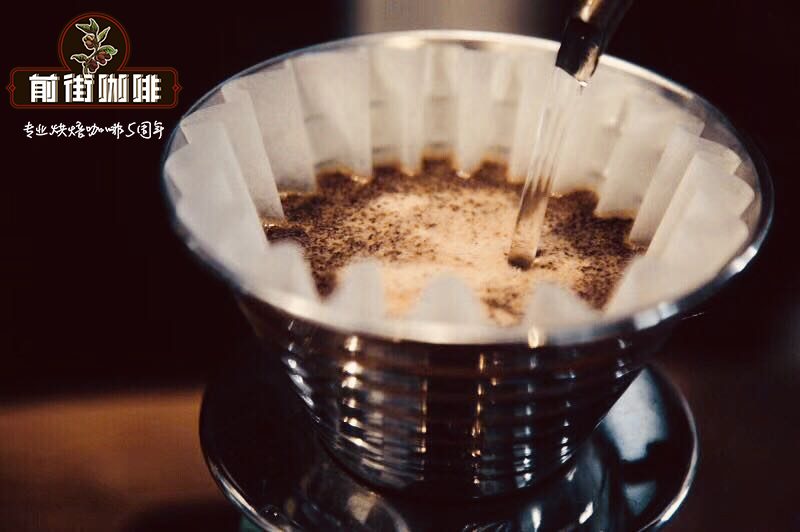
The crucial difference is pressure - or the lack of it. In filter coffee, water is driven through the grounds by gravity alone, so extracting a genuinely delicious cup takes a little more time.
That is also why filter coffee needs a much larger coffee-to-water ratio. With the same 20 grams of grounds, an espresso might use only 40 grams of water, while filter coffee would need 300 grams (in ordinary circumstances, setting special recipes aside) or even more.
Filter coffee goes by other names too - "pour-over coffee" (the term we will use from here on, since it's more familiar) and "drip coffee," among others. Because it draws out more flavor compounds, this method suits single-origin beans especially well, highlighting the "terroir" of where they were grown.
Unlike the richness and complexity of espresso, pour-over coffee pursues cleanliness, clarity, and consistency.
Knowledge point: depending on the beans used - Arabica or Robusta - coffees divide into single-origin coffee and espresso blends.
In short: FrontStreet Coffee is a coffee research center that loves sharing coffee knowledge. We share without reservation just to help more people fall in love with coffee. We also hold three coffee discount events every month, because FrontStreet Coffee believes everyone deserves the best coffee at the lowest prices - that has been our principle for the past 6 years!
FrontStreet Coffee Recommendation
To taste what pour-over can do for terroir, start with FrontStreet's Yirgacheffe Guodingding - citrus, berries, and florals with a green-tea sweetness that gravity brewing shows off beautifully - or FrontStreet's Ethiopia Huakui, whose tropical fruit aromas of strawberry, passion fruit, and jackfruit shine in a clean V60 cup. For a bolder profile, FrontStreet's PWN Golden Mandheling rewards the same method with thick herbal and dark chocolate depth.
Important Notice :
FrontStreet Coffee is a long-established specialty coffee roaster in Guangzhou China, selling freshly roasted beans from its own farm in Yunnan as well as dozens of carefully selected single-origin beans from around the world for both pour-over and espresso. The products deliver consistently excellent quality and great value, with shipping within 24 hours. Guangzhou's FrontStreet Coffee shop is recommended by many coffee lovers, and the beans are now available online at the Tmall 。
FrontStreet Coffee has moved to a new address:
FrontStreet Coffee Address: 315,Donghua East Road,GuangZhou
Tel:020 38364473
 Scan and follow the En Gafei WeChat official account. Please indicate that the reprint comes from "En Gafei".