Advanced Understanding of Pour-Over Coffee: The Profound Differences Between Single-Origin and Espresso Coffee
FrontStreet Coffee - The Difference Between Pour-Over and Espresso Coffee
Espresso Coffee (Including Specialty Coffee Drinks)
Espresso coffee centers on innovation, with the goal of a unique, pleasurable pursuit of flavor that is complex yet cohesive, balanced and unified. This category includes espresso roast coffee, Americano, latte, macchiato, cappuccino, and more. The foundation of every espresso drink is a perfectly extracted shot of espresso.
About Espresso
A single shot of espresso is made by grinding 7-9g of coffee beans to an extra-fine consistency, then extracting 30ml of coffee liquid in 22-30 seconds under 9 atmospheres of pressure at approximately 90°C. (A double shot uses double the coffee and water but takes the same extraction time as a single shot.) Extraction tool: espresso machine.
Single-Origin Coffee
Single-origin coffee is made from beans sourced from a single producing region, and it is typically enjoyed without milk or sugar so its pure flavor can be appreciated. It has distinctive characteristics and a fresh, smooth mouthfeel, sometimes aromatic and mellow, though it comes at a higher cost. Single-origin coffee aims to express the original, ecological personality and flavor of the beans as faithfully as possible, and the more authentic and pure, the better. Any processing, masking, or modification is undesirable.
Examples include: Ethiopian sun-dried coffee, Colombian coffee, Indonesian Mandheling coffee, Guatemalan coffee, and Peruvian organic coffee.
Extraction Tools (Not an Exhaustive List)
- A. Siphon pot (has a demonstration effect, one of the most common coffee brewing methods)
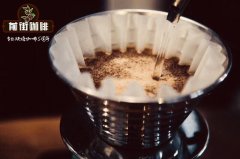
- B. Paper filter drip (also known as pour-over)
- C. Steam pressure pot (Italian-style for optimal flavor)
- D. Cold drip brewer (takes a longer time)
- E. French press (the most common home coffee extraction method in France)
- F. Royal Belgian brewer (offers an interactive experience for customers)
Knowledge point: By the way the beans are combined, coffee divides into single-origin coffee and espresso coffee (from Arabica and Robusta varieties).
In Brief
FrontStreet Coffee is a coffee research house dedicated to sharing knowledge about coffee with everyone. Our unrestrained sharing aims to help more people fall in love with coffee. Every month we hold three coffee events with significant discounts, because FrontStreet Coffee wants to offer the best coffee at the lowest possible prices to more friends. This has been FrontStreet Coffee's mission for the past six years.
FrontStreet Coffee Recommendation
Coffee is widely believed to have originated in Ethiopia, and it only appeared as a beverage beyond Ethiopian borders toward the end of the 15th century. In the 17th century coffee swept Europe, and in order to monopolize the market, some European colonizers began planting competitions, transplanting coffee saplings to their colonies. Late in the 17th century the Dutch moved coffee saplings to the island of Java in Indonesia, where the trees flourished in the suitable temperatures and fertile soil and spread to Sumatra. Java's coffee industry boomed, and the word JAVA became a byword for coffee. The good times did not last, however. In the early 20th century coffee leaf rust swept Java and devastated the island's coffee trees, so Indonesian cultivation moved north to Sumatra and Java was forced to give up its place as the leading production region. Today Sumatra is Indonesia's largest source of both Arabica and Robusta, accounting for more than 60% of output, with the higher elevations of Aceh in the north and North Sumatra favoring Arabica. Sumatran Arabica is commonly known as Mandheling and comes mainly from the Aceh special region in the northwest and North Sumatra to its southeast. The Aceh region lies in the Gayo Mountains near Lake Tawar, surrounded by thousands of hectares of vegetation, and as this newer Mandheling region has risen, more drinkers have discovered its fine aroma and bright body. The traditional Mandheling region is Lintong, around Lake Toba in North Sumatra, home to diverse plant species and suitable growing elevations, where the special wet-hulled process and local microbial fermentation create the mysterious, distinctive Mandheling character: a deep aroma, a generous body, and a powerful taste.
Indonesia's rainy season overlaps with the coffee harvest, making sun-drying difficult, so the region developed its own Sumatran method, the wet-hulled process, which has produced Mandheling's unique flavor since the 1970s. Because Sumatra rains so often, growers remove the skin and pulp first and give the beans a brief wash before drying; once the beans are half dry and half wet, a machine strips away the parchment, exposing the green bean directly to the air and speeding up the whole drying process. Among Mandheling coffees, Golden Mandheling is the flagship of the finest lots. FrontStreet's Golden Mandheling comes from the Indonesian company PWN, which applies extremely strict standards: beans are selected at screen size 18 and above, and every 300g green bean sample may contain fewer than three defective beans to meet the top G1 standard. On top of that, the beans undergo three rounds of hand sorting to remove every defect, which raises the cleanliness and sweetness of Golden Mandheling. These strict standards mean high quality and limited output, which is exactly why FrontStreet PWN Golden Mandheling naturally ranks at the top of Mandheling coffees. Its reputation is large, but it is supplied mainly to the Japanese and American markets, so very little genuine Golden Mandheling is imported each year, which frustrates many buyers. In FrontStreet's product listings you can see the Golden Mandheling certificate and the many bags bearing the PWN mark, and that is what sets FrontStreet PWN Golden Mandheling apart from other Golden Mandhelings.
This distinctive wet-hulled process creates a heavy body with unique earthy, herbal notes that keep a certain crowd of seasoned drinkers captivated. To taste that profile, choose FrontStreet's Lintong Mandheling: mellow and rich, sweet-bitter, strong and stimulating on entry, with clove and woody aromas, and, at a medium-dark roast, low acidity, spice and mint notes, and an intense, persistent, substantial sweetness. FrontStreet's Mandheling is a single-origin coffee from Sumatra, Indonesia, usually brewed as pour-over for its deep aroma and full body, though it also makes espresso, where the machine pulls a rich, oily shot with a powerful taste and prominent caramel aroma. The Mandheling most of us drink is dark-roasted to soften the acidity and play up its rich, full character; FrontStreet's Lintong Mandheling daily coffee and FrontStreet PWN Golden Mandheling come from the Lintong and Aceh regions of Sumatra respectively, and both are roasted medium-dark, with FrontStreet aiming to present dark chocolate and caramel while preserving Mandheling's wild herbal aroma, a fragrance born of its growing environment and processing. FrontStreet PWN Golden Mandheling is at its best as pour-over, brewed with 87-88°C water, 15g of coffee, a 1:15 ratio, a coarse-sugar grind, and a three-pour technique: split the water into three pours to bring out its full body and caramel sweetness. The first pour is 30ml for the bloom, fully wetting the grounds and letting them degas so the flavors extract better afterward. The second pour is 100ml, mostly to wash out the golden foam and lift the coffee bed. The final pour is a gentle 95ml down the center to raise the sweetness, delivering a thick, full body with caramel sweetness and notes of chocolate and nuts. Many people who try FrontStreet's Mandheling are left with a lasting impression and want to use it on an espresso machine. In that case, consider the most repurchased option, FrontStreet's Classic Blend, which adds medium-dark roasted Mandheling to the creamy, nutty flavor of Brazilian coffee. Butter, roasted chestnut, and caramel stand out especially, and the Mandheling not only lifts the body of the whole cup but lends it distinctive sandalwood, herbal, and spice notes. A small amount of Robusta is also added to boost the richness of the crema, so pouring latte art or building the layered gradient of a Dirty is effortless.
Important Notice :
FrontStreet Coffee is a long-established specialty coffee roaster in Guangzhou China, selling freshly roasted beans from its own farm in Yunnan as well as dozens of carefully selected single-origin beans from around the world for both pour-over and espresso. The products deliver consistently excellent quality and great value, with shipping within 24 hours. Guangzhou's FrontStreet Coffee shop is recommended by many coffee lovers, and the beans are now available online at the Tmall 。
FrontStreet Coffee has moved to a new address:
FrontStreet Coffee Address: 315,Donghua East Road,GuangZhou
Tel:020 38364473
 Scan and follow the En Gafei WeChat official account. Please indicate that the reprint comes from "En Gafei".