Colombian Coffee Brand: How Colombian Huilan Coffee Beans Are Known as Green Gold
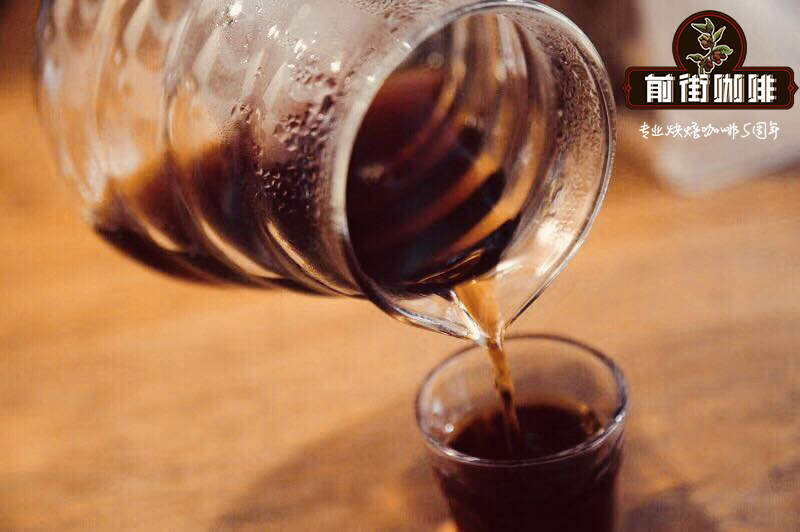
FrontStreet Coffee - Colombian Huila Coffee Introduction
Name: Huila
Variety: Caturra
Flavor: Lively acidity layered with caramel, sweet nuts, chocolate, and lovely fruit notes.
Mouthfeel: Full-bodied and syrupy, with caramel sweetness and a smooth, pleasant fruit acidity.
Colombian coffee, sold around the world as Cafe de Colombia, is one of the few single-origin coffees marketed under a country's name. Colombia enjoys geography and climate that suit coffee growing exceptionally well, and its beans are prized for both quality and character. Once roasted, they give off a sweet fragrance and display a fine balance of bright acidity, sweetness, and gentle bitterness. The aroma is subtle and elegant; it is neither as intense as Brazilian coffee nor as sharply acidic as African coffee, but rather a soft, understated sweetness that feels refined.
Those favorable conditions have kept Colombian coffee at a consistently high standard. Beans that carry no special estate or brand name usually come from the National Federation of Colombian Coffee Growers, a vast organization that spans the country and is known for strict quality control and energetic promotion.
In Colombia's grading system, Supremo is the top grade: the largest, fullest premium beans, with the fewest defects and impurities. Excelso, by contrast, is made up of smaller, more ordinary beans. Colombian coffee as a whole shows a balanced flavor, generous acidity, distinctive character, and a fairly full body, and it sometimes carries delightful fruit notes. A small share of Colombian coffee comes from older varieties such as Typica or Bourbon, and these are usually branded under their estate or mill name.
Huila lies in southwestern Colombia and ranks among the country's principal coffee regions. Because so many celebrated growing areas are scattered across Huila, the names of its smaller districts have themselves become well-known brands. The terrain here is mountainous, with coffee planted on the slopes of mountain valleys. The altitude is ideal for high-quality Arabica, and the temperatures are mild. The valley climate keeps cold winds out while letting cool mountain breezes pass through, so the coffee never endures real heat, and rainfall is fairly plentiful, making this an unusually favorable place to grow coffee.
Colombian coffee is celebrated for the way its acidity, bitterness, and sweetness come together, producing an aromatic and balanced cup. Huila beans illustrate those qualities perfectly: nutty, chocolate, and caramel aromas, a refreshing fruit acidity that is neither showy nor dull, and a soft, smooth mouthfeel. Coffee workers in Colombia pick the cherries by hand on the mountainsides, which lets them choose only the ripest, plumpest fruit. Most of the beans are also washed. After a medium roast they brew into a light, silky cup that sometimes shows a touch of acidity, which is why Colombians call them "green gold."
Knowledge Point: Coffee from Colombia's Narino region is sold as "Colombian Narino" because it comes from that specific department.
About FrontStreet Coffee
In Brief: FrontStreet Coffee is a coffee research house devoted to sharing coffee knowledge with everyone. We share without holding anything back, in the hope that more people will fall in love with coffee. Every month we run three coffee promotions with deep discounts, because FrontStreet Coffee wants to let more friends enjoy the finest coffee at the lowest possible prices, a mission we have pursued for the past six years.
FrontStreet Coffee Recommendation
If what draws you to Huila is its caramel, nut, and chocolate character, balanced and easy to drink, FrontStreet's Brazilian line offers a closely related style worth exploring. FrontStreet Brazil Cerrado Red Bourbon is a classic Brazilian single-origin: a red Bourbon from the well-known Cerrado growing area, processed semi-washed and roasted to a medium level. In the cup it opens with creamy peanut, toast, caramel, and hazelnut aromas, a rounded body, no real acidity, and a faint bittersweet finish. It works equally well as pour-over, moka pot, espresso SOE, siphon, or French press.
For something with a little more fruit sweetness, try FrontStreet Brazil Queen Estate Yellow Bourbon. The estate sits in Mogiana, close to South Minas, where the fertile red volcanic soil lets the cherries ripen with a concentrated aroma. Yellow Bourbon is a rare natural mutation of Red Bourbon and tends to show a cleaner fruit note. Whether you brew it as pour-over, in a moka pot, or on a home espresso machine, it delivers a sugarcane-like clarity along with fruit and chocolate notes that are hard to find elsewhere.
Brazilian beans also form the backbone of many of FrontStreet's espresso blends, including the oil-rich FrontStreet Classic Blend, the nut-forward FrontStreet Specialty Blend, and the widely recommended FrontStreet Black Cocoa Blend. Brazil contributes chocolate and cream aromas plus a gentle sweet-sour-bitter balance, and that even keel makes extraction more stable.
Important Notice :
FrontStreet Coffee is a long-established specialty coffee roaster in Guangzhou China, selling freshly roasted beans from its own farm in Yunnan as well as dozens of carefully selected single-origin beans from around the world for both pour-over and espresso. The products deliver consistently excellent quality and great value, with shipping within 24 hours. Guangzhou's FrontStreet Coffee shop is recommended by many coffee lovers, and the beans are now available online at the Tmall 。
FrontStreet Coffee has moved to a new address:
FrontStreet Coffee Address: 315,Donghua East Road,GuangZhou
Tel:020 38364473
 Scan and follow the En Gafei WeChat official account. Please indicate that the reprint comes from "En Gafei".