How to Prepare Light Roast Single Origin Espresso (SOE) - Differences Between SOE Coffee Beans and Pour-Over Single Origin Beans
As coffee has grown more popular with the public, cafe menus have become far richer and more varied. In recent years a new term, "SOE coffee," has been turning up on the promotional posters of major coffee brands and catching the attention of many drinkers.
What is SOE?
SOE is the abbreviation of Single Origin Espresso, and coffee shops rarely spell the full name out. It simply means espresso made from beans of a single origin, with the emphasis on the flavor profile of one producing region. Shops that serve SOE usually highlight the origin, processing method, and flavor characteristics of the beans. The most common approach is to use a lightly roasted coffee so that the cup shows off floral aromas and a light, fruity acidity.
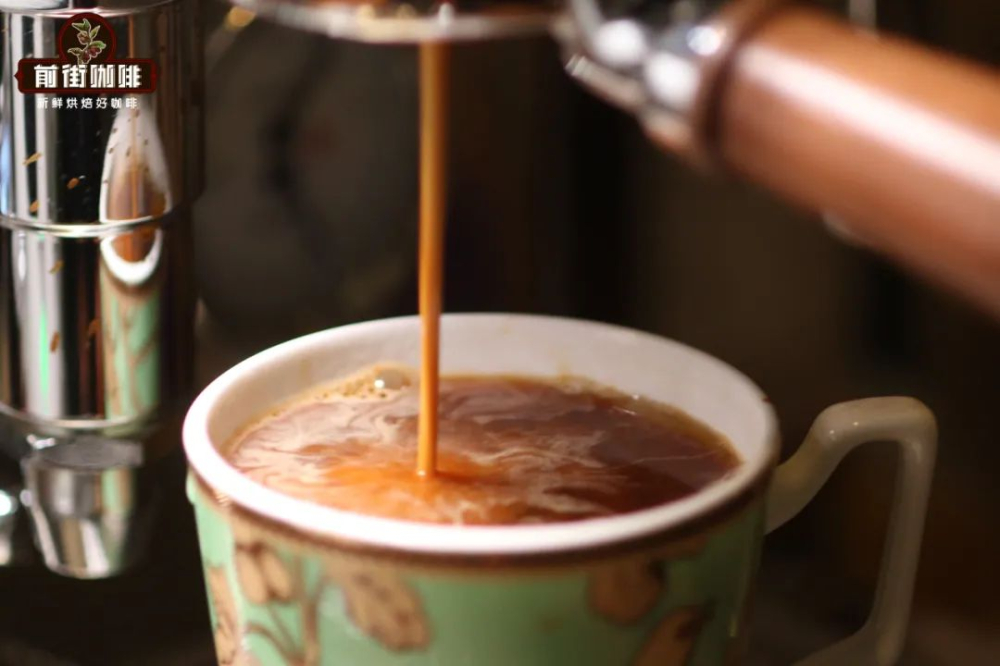
SOE first drew attention at the 2007 WBC, the World Barista Championship, when James Hoffmann pulled espresso from single-origin beans and won the title with that approach. From there it spread along with the wave of specialty coffee. FrontStreet Coffee often meets customers who ask whether it serves SOE, which shows just how much SOE has become a new trend in the development of specialty coffee.
SOE vs. Espresso Blend
The reason coffee shops emphasize the word SOE is mainly to set it apart from blended coffee. Traditionally, single-origin beans are used for drip coffee such as pour-over, while pressurized espresso uses blended beans as its raw material. Producers combine beans from different regions and use a dark roast to bring out rich, mellow, bitter flavors, with the profile essentially fixed on caramel, dark chocolate, nuts, and cocoa.
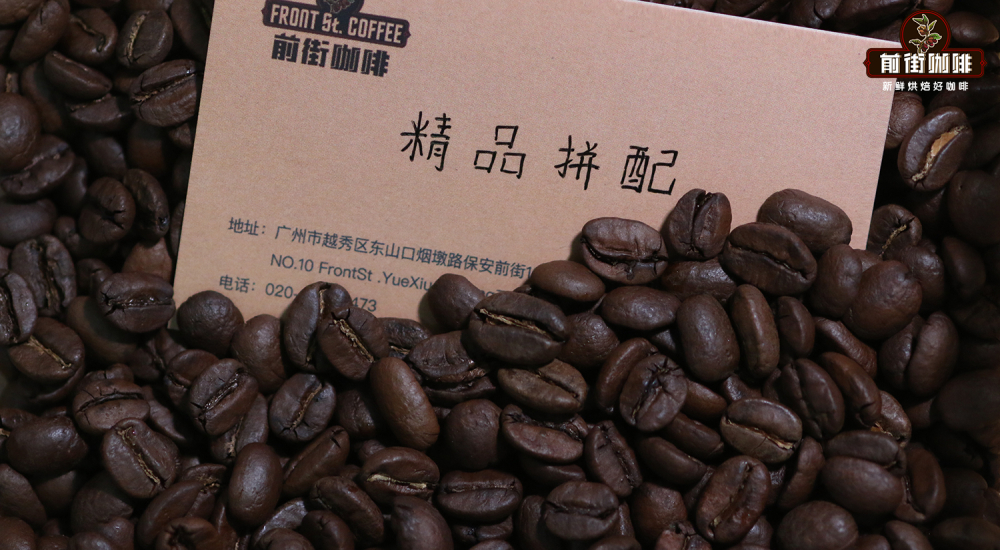
As people's expectations for coffee quality rise, single-origin beans are no longer limited to pour-over; they are extracted in many ways to bring out clearer, more individual character. Some shops charge extra for SOE coffee beans, which leads many drinkers to assume SOE is more premium and better tasting than a blend. As the above makes clear, SOE only indicates that the beans come from a single origin. It does not guarantee better quality, and it is not necessarily better tasting than a blend.
The Art of SOE
Single-origin beans used for pour-over need to express the unique regional flavors of their origin and the inherent aroma of the bean itself. Yirgacheffe, for example, should show fresh, bright citrus and lemon acidity, while Blue Mountain should offer sweet chocolate and caramel aromas. SOE has to express the flavors its origin should have in the same way. Roast too dark and the flavor and aroma are buried under the heavy compounds created during roasting; roast too light and the shot is easily under-extracted, sharp, and thin. Whether a cup of SOE tastes good therefore puts the roaster's and the barista's reading of the coffee to a serious test.
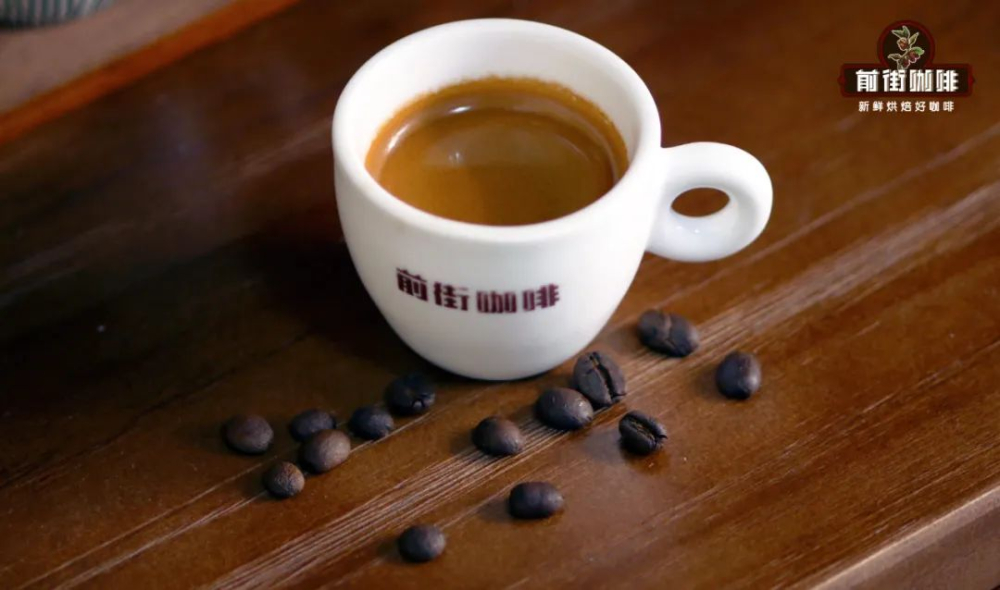
Hand-pour Single-origin Beans vs. SOE Coffee Beans
Anyone who has had coffee at FrontStreet Coffee's Dongshankou store will have seen the small blackboard of bean selections, where fifty single-origin varieties are arranged by region. FrontStreet Coffee serves all of them as pour-over, and uses only one self-roasted blend, called "Sunflower Warm Sunshine Blend," for espresso. Some friends wonder why those single-origin beans are not turned into SOE.
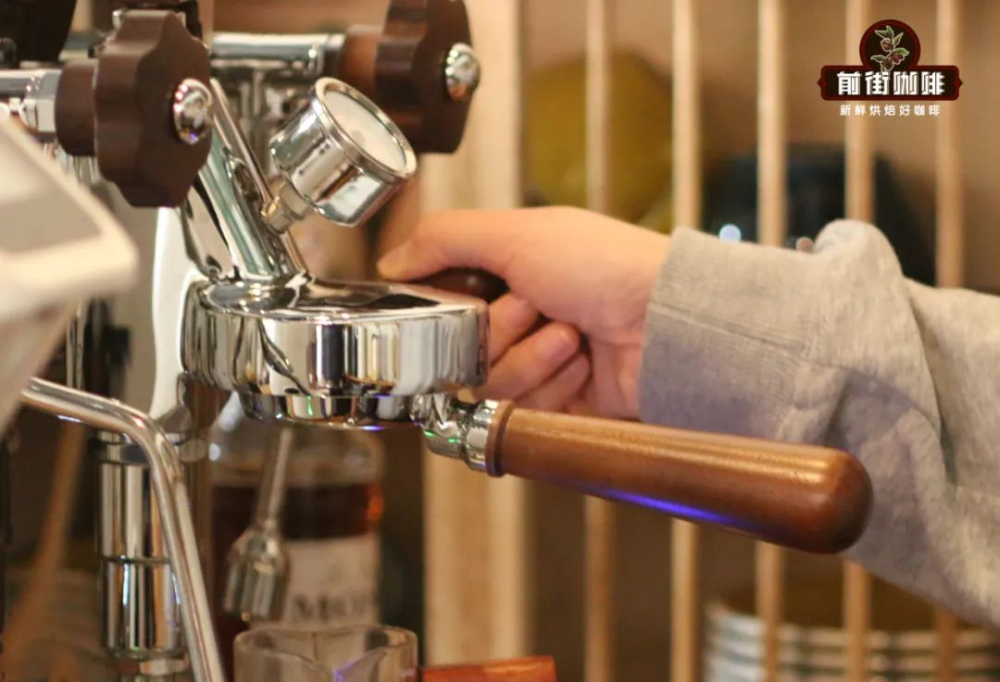
Anyone who drinks espresso often knows that an espresso machine uses steam pressure to drive hot water through the coffee powder, pulling out the essence in a matter of tens of seconds, so the coffee flavor is magnified many times over. Use a lightly roasted pour-over single origin for espresso and, with the finer grind, the coffee becomes very concentrated and intense, easily showing harsh bitterness, acidity, and astringency. That is why the roast level of single-origin beans for pour-over usually differs from that for espresso.
FrontStreet Coffee believes the original point of SOE is to highlight the character of a producing region. Even with high-quality green coffee from a region, if the roast and the extraction are not handled well, emphasizing single origin means nothing. To present the distinctive style of an SOE, the roast, the grind, and the extraction all have to find parameters that show off the advantages of that particular coffee. This tests the skill of the roaster and the barista, and their understanding of the beans. Adjusting an espresso extraction also means accounting for subtle factors such as humidity, extraction time, grind size, dose, and brew ratio, which makes stable output harder still. This is why FrontStreet Coffee chooses not to build its espresso offerings around SOE.

FrontStreet Coffee's Recommendations for Making SOE
If you are making SOE at home, FrontStreet Coffee recommends medium or medium-dark roasted single-origin beans, which avoid the harsh, stimulating flavors that roasting can create. FrontStreet Coffee's Brazil Queen Estate beans, for example, are roasted medium-dark and produce an SOE with chocolate, roasted hazelnut, and cream, and a sugarcane-like sweet aftertaste.
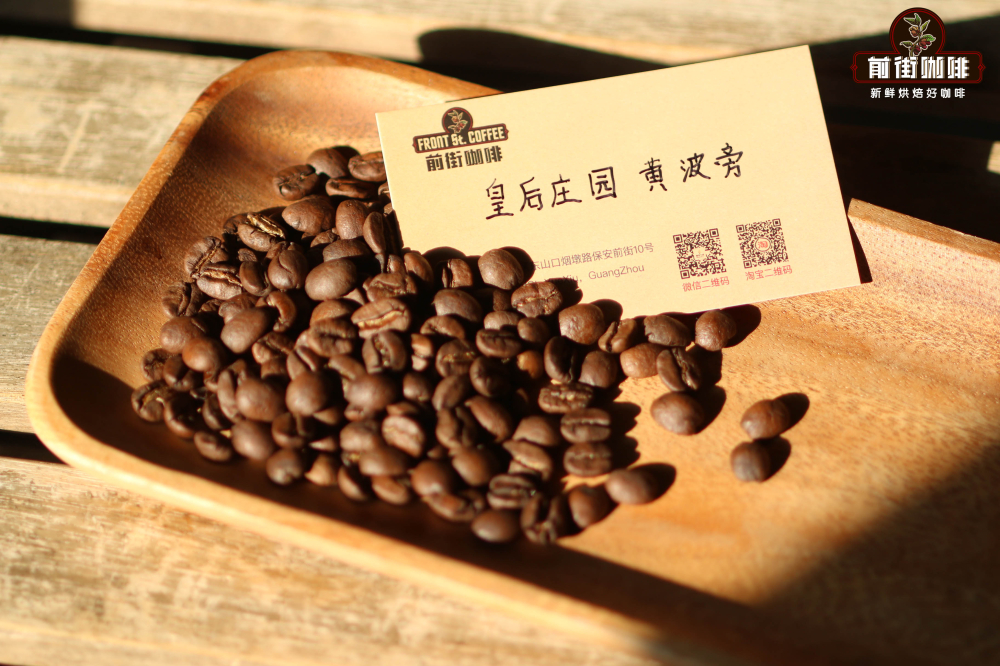
No matter how a coffee bean is extracted, FrontStreet Coffee believes freshness is crucial. Beans roasted more than a month ago may have lost some aroma and picked up an unpleasant woody note. FrontStreet Coffee wants every customer who places an order to taste coffee at its best, so it ships only beans roasted within 5 days. If you want an SOE with better flavor, FrontStreet Coffee recommends choosing freshly roasted single-origin coffee.
When lightly roasted beans are used for SOE, the shorter roast leaves the internal structure relatively hard and the flavors harder to extract. The extraction parameters then need to be adjusted to raise the extraction yield: extend the extraction time, raise the water temperature, shift to a finer grind size, or increase the dose.
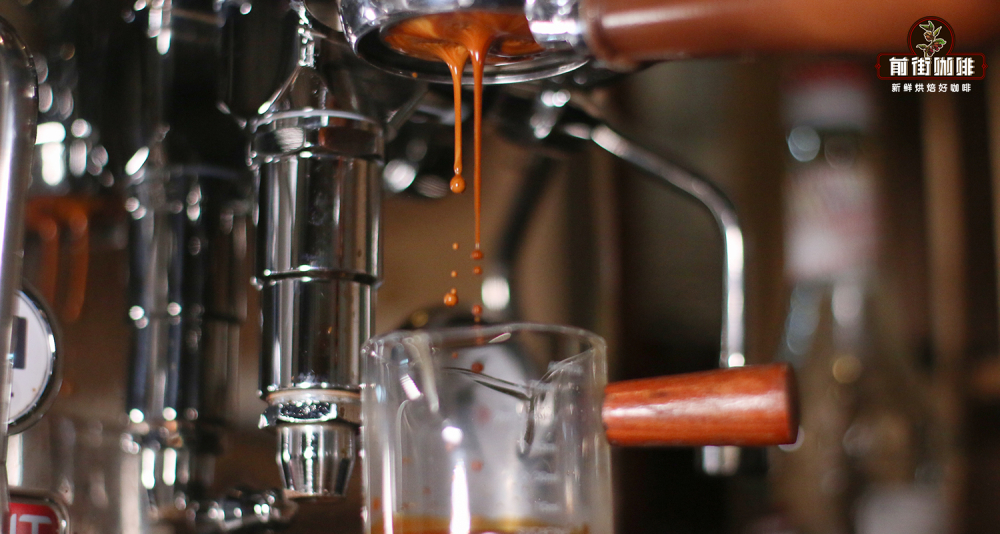
Espresso is ground far finer than pour-over, and the adjustments cannot be too drastic, or too many variables change at once and the extraction becomes unstable. FrontStreet Coffee's daily output in the store is built on accumulated experience, so its adjustments rest on that experience. With lower output at home it is harder to get a feel for it. FrontStreet Coffee recommends recording and reviewing how extraction parameters relate to flavor, which makes quick adjustments easier and saves unnecessary waste.
For professional coffee knowledge exchange and more coffee bean information, visit FrontStreet Coffee.
To explore more specialty coffee beans, visit FrontStreet Coffee.
FrontStreet Coffee Recommendation
If a seasoned hand were asked to recommend a practical, easy-to-use, and good-looking pour-over dripper to a newcomer, the answer would very likely be the V60. Hario, the company behind it, was founded in Tokyo in 1921 and is a well-known Japanese glassmaker that originally designed and produced heat-resistant glassware for research institutions; the heat-resistant glass server that so often accompanies pour-over brewing is one of its popular products. In 2004 Hario redesigned the early form of the V60 into something much closer to the shape we know today, naming it after its distinctive 60-degree cone and V profile, and released it to the market a year later.
Compared with other drippers, the cone and 60-degree angle mean that with a V60 the water must travel to the center before it drips into the server, extending the contact area between water and coffee and allowing aroma and flavor to be fully extracted. The V60's signature single large aperture lets the water flow without obstruction, so the flow rate depends heavily on the brewer's control and shows directly in the cup. Before the turn of the millennium, the coffee market favored medium-dark roasts, and brewing leaned toward heavy body, high sweetness, and a lingering finish, with the caramelized notes that dark roasting brings, such as chocolate, maple, nuts, and vanilla. Siphon and cloth-filter brewing showed those qualities best, and Blue Mountain No. 1 and PWN Golden Mandheling were the most popular specialty beans of that era.
With the third wave, drinkers began to chase a sense of place, such as the white floral notes of Ethiopia or the berry acidity of Kenya, and roasting shifted from dark toward light while tasting moved from heavy and sweet to delicate and bright. The V60's fast extraction happens to give coffee a more three-dimensional aroma and lively acidity, which lets a whole range of refined flavors come through: floral notes, fruit acidity, clean sweetness, and tea-like character. Classic Yirgacheffe-style fruit, the tropical fruit of Huakui, the Geisha character of Strawberry Sugar, and the raisin notes of Mozart all suit the V60 very well.
V60 drippers now come in many materials, from the resin version FrontStreet Coffee favors to ceramic, glass, copper, and stainless steel. Material affects the dripper's looks, weight, and heat conduction, which can create subtle differences in extraction, but the structural design stays the same. FrontStreet Coffee prefers the resin Hario V60 for two reasons: resin effectively blocks heat loss, and in standard mass production resin is the easiest material to shape with the smallest tolerances.
When choosing beans for the V60, start with what you enjoy. Yirgacheffe Gedeb is a classic first step into specialty coffee, with bright citrus, berry, and floral notes and a green-tea-like sweetness; its acidity is soft and bright rather than sharp, which makes it easy to like. Huakui is one of the most successful star products of recent years, led by intense tropical fruit aromas of strawberry, passion fruit, jackfruit, and even lychee; with low bitterness and a juicy, smooth texture, it is often described as the coffee that tastes least like coffee. Panama La Esmeralda Red Label Geisha sits at the top of the specialty world, with elegant jasmine, citrus, bergamot, and black tea notes, a clean and transparent body, and a long, layered finish. Kenya Small Tomato is a washed Kenyan bean built around vivid cherry-tomato and smoked-plum acidity with a full, juicy body. Among medium-dark options, PWN Golden Mandheling is low in acidity, rich and long, with herbal and dark chocolate notes and a hint of earth; Brazil Queen Estate is balanced and low in acidity, with pronounced nut and cocoa aromas and clear caramel sweetness; and Jamaica Blue Mountain No. 1 strikes a rare balance among acidity, sweetness, bitterness, and aroma, showing cream, caramel, chocolate, nuts, honey, and a light fruit character.
Important Notice :
FrontStreet Coffee is a long-established specialty coffee roaster in Guangzhou China, selling freshly roasted beans from its own farm in Yunnan as well as dozens of carefully selected single-origin beans from around the world for both pour-over and espresso. The products deliver consistently excellent quality and great value, with shipping within 24 hours. Guangzhou's FrontStreet Coffee shop is recommended by many coffee lovers, and the beans are now available online at the Tmall 。
FrontStreet Coffee has moved to a new address:
FrontStreet Coffee Address: 315,Donghua East Road,GuangZhou
Tel:020 38364473
 Scan and follow the En Gafei WeChat official account. Please indicate that the reprint comes from "En Gafei".