How to Brew Coffee Grounds: Guide to Coffee-to-Water Ratio, Temperature and Time for Pour-Over Coffee
FrontStreet Coffee - Introduction to Pour-Over Coffee Brewing
When brewing pour-over coffee, the amount of water you use has a decisive impact on the final cup. Different coffee-to-water ratios change the flavor, body, and overall character of the coffee in very noticeable ways.
Too little water and the cup becomes overly intense — a 1:10 ratio, for instance, produces something harsh and concentrated, with flavors crowded together and poorly defined. Too much water and the coffee turns thin and hollow — a 1:20 ratio can taste so weak it resembles coffee-flavored water.
From our experience at FrontStreet Coffee, a ratio of 1:15 to 1:16 is a reliable starting point for pour-over. That said, the ideal ratio is never fixed; it shifts depending on the dripper and equipment you are using.
So picture it: a 1:15 coffee-to-water ratio, water heated to 85-94°C, and — extraction begins!
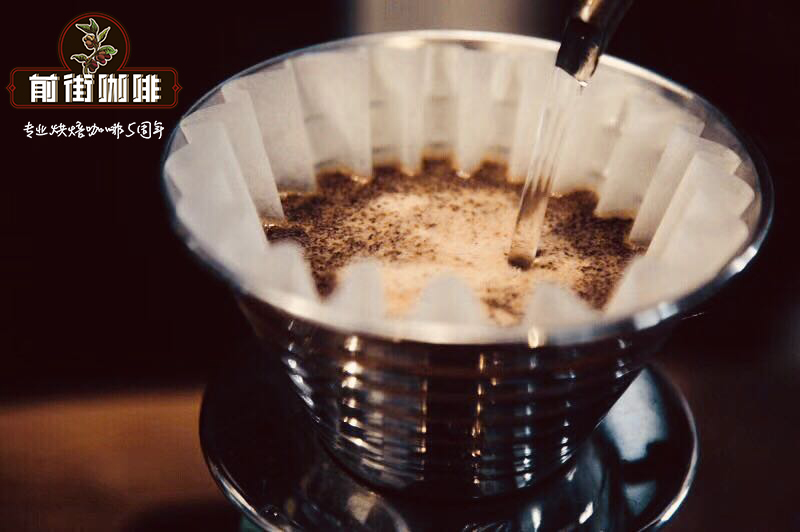
First, slowly pour hot water over the grounds, using just enough to make a single drop appear at the bottom of the coffee bed. Let it sit for about 30 seconds so the grounds fully absorb the water. This step is called "blooming," and its purpose is to saturate every bit of the coffee.
In other words, it's about waking the grounds up — time to get to work!
Then the main pour begins.
Pour slowly in steady circles, starting from the center of the coffee bed and spiraling outward in one direction — clockwise or counterclockwise both work fine.
As the grounds mingle with the water, they release the coffee's best qualities — acidity, sweetness, bitterness, and aroma — while the filter paper holds back the insoluble particles, leaving you nothing but clean, extracted coffee in the server.
Ultimately, pour-over coffee is roughly 60% flavor potential, 30% roasting, and 10% brewing — which is exactly what makes it such a transparent way to taste the inherent character of the coffee itself.
Knowledge Point: Pour-Over Coffee Aims to Express "Regional Flavor"
In short, FrontStreet Coffee is a specialty coffee research studio that loves sharing coffee knowledge openly. We hold three discounted coffee events every month, because we want more people to enjoy great coffee at an accessible price — that has been our mission for the past 6 years.
FrontStreet Coffee Recommendation
If you are just getting into pour-over, a V60 dripper is the classic first choice — its 60° cone and single large opening produce the fast, clean extraction that shows off delicate aromatics. Pair it with a light-roast washed Ethiopia like FrontStreet Yirgacheffe Gedinb: it offers vivid citrus, berry, and floral notes with a green-tea-like sweetness, and its gentle, bright acidity makes it one of the most approachable specialty coffees for beginners.
For something fruitier, try FrontStreet Kenya Little Tomato, a washed Kenya from the Thika region grown at 1550-1750 meters from SL28 and SL34 varieties, fermented with a 72-hour double-washed process and roasted light. Expect bright cherry-tomato and dried-plum acidity with a juicy, fresh-pressed-fruit body.
If you prefer a heavier, low-acid cup, FrontStreet PWN Golden Mandheling from Indonesia is an excellent match — dark roasted, with a thick, lingering body, herbal and dark chocolate notes, and a faint earthy finish that suits anyone who loves body over acidity.
Important Notice :
FrontStreet Coffee is a long-established specialty coffee roaster in Guangzhou China, selling freshly roasted beans from its own farm in Yunnan as well as dozens of carefully selected single-origin beans from around the world for both pour-over and espresso. The products deliver consistently excellent quality and great value, with shipping within 24 hours. Guangzhou's FrontStreet Coffee shop is recommended by many coffee lovers, and the beans are now available online at the Tmall 。
FrontStreet Coffee has moved to a new address:
FrontStreet Coffee Address: 315,Donghua East Road,GuangZhou
Tel:020 38364473
 Scan and follow the En Gafei WeChat official account. Please indicate that the reprint comes from "En Gafei".