Introduction to Coffee Flavor Varieties - Does Typica Coffee Have the Best Taste in Specialty Coffee?
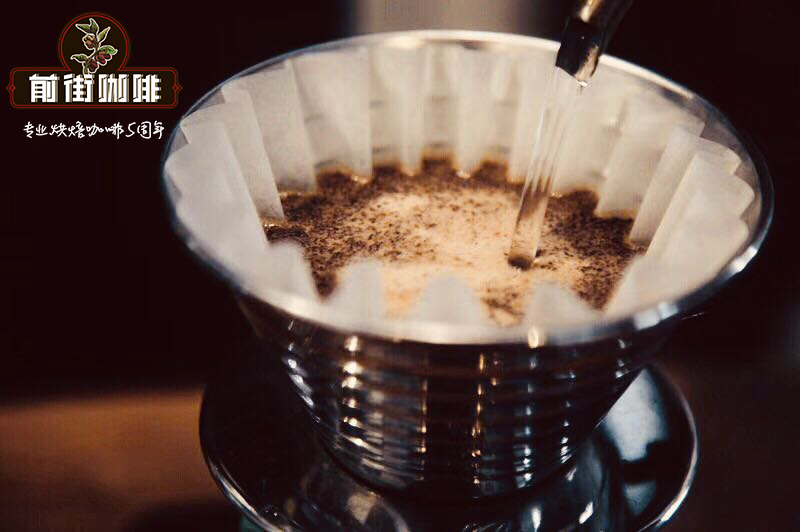
Introduction to Coffee Flavor Varieties by FrontStreet Coffee
Single-origin coffee is brewed from beans of a single origin - traceable not merely to a producing country but to the very plot of land where the trees grew. By getting to know farm owners and visiting the origins themselves, roasters can understand a coffee's story at the source and buy green beans accordingly.
Different terroirs produce unmistakably different coffees. Asia, Africa, and the Americas - the three great specialty regions - each carry their own flavor signatures, and that diversity is the whole charm of specialty coffee.
Single origin does not automatically mean quality: the same category spans both commercial grade and specialty grade, depending on the beans behind it.
So what makes a good cup of single-origin coffee? You do not need to order like a professional cupper - relaxed language works fine. Tell the café you prefer something fuller-bodied or brighter in acidity, and they can steer you toward the house coffee that fits:
African, American, or Asian Beans
Single-origin coffees are beans with strong personalities. Most specialty shops keep three to five or more on hand:
Start by region: African, American, or Asian beans. Quick examples: the bitterness of Mandheling, the citrus acidity of Yirgacheffe, the sweetness of Costa Rican honey-process coffee.
Then narrow by taste: for brighter acidity, choose Kenya or Yirgacheffe; for something richer, choose Blue Mountain or Mandheling. Sweet, aromatic coffees like Geisha bring florals and sweet-potato-like notes.
Colombia, Nicaragua, and Brazil tend toward chocolate, nut, and caramel. Ethiopia, Tanzania, and Rwanda lean sweet-sour with nut and lemon, occasionally a touch of astringency. India, Indonesia, and Papua New Guinea show plant-like, spicy, and saline flavors.
Central American Beans
Latin American coffee is the region of balance: nutty and fruity notes in equilibrium, acidity less piercing than Africa's, with a satisfying body.
African Coffee
African coffee is all aroma and captivating fruit acidity - bright, lively, refreshing - though the body often runs somewhat light.
Asian Beans and Island Flavors
Asian beans carry more body than their Central and South American or African counterparts, with lower acidity and flavors leaning woody, herbal, spicy, and earthy - depth of mellow aroma rather than bright acid fragrance. Island beans are comparatively light and gentle, with an elegant tone.
Look at Processing Methods
Natural: drying the whole cherry in the sun makes the cup smoother and richer - lowest acidity, noticeable sweetness, high body, slightly lower cleanliness.
Washed: skin, pulp, and mucilage removed before drying; the cup is clean and free of defects, with bright acidity and fruit aroma, good clarity, medium body, and high consistency.
Honey: pulp removed but the mucilage-coated parchment dried intact. It sits between the two, highlighting pectin sweetness and fruity notes - mango, longan, honey, hazelnut - with a thick but smooth, low-acid mouthfeel. Honey coffee is sweeter than washed, and generally the more mucilage left on the bean, the stronger the sweetness.
Wet-hulling: common in Indonesia. Similar to washed, but while the beans are still moist and soft - moisture as high as 30-35% - the parchment is hulled off, exposing the green beans, which then finish drying. The shortened drying cuts fermentation time, sharply reducing acidity and boosting body, with clear caramel and fruit aromas plus light woody, herbal notes.
Ranked: washed has the highest acidity, natural the best sweetness and complexity, honey in between, and wet-hulling leans toward bitterness.
Typica
Typica is a natural variety of the original Arabica species and remains the most widespread variety in the world - the Dutch once planted it in Indonesia, and from there it spread across Central and South America. Yields are low and the variety is highly susceptible to coffee leaf rust, so few farms plant Typica exclusively. Unlike most other varieties, Typica cherries are conical. When properly cultivated it rewards the effort: high sweetness, a pure taste, and pleasant acidity - which is why it remains so beloved.
Knowledge point: Jamaican Blue Mountain is a Typica coffee.
FrontStreet Coffee Recommendation
If Typica's promise of high sweetness and pure taste appeals to you, FrontStreet Coffee's light-roast lineup shows what delicate, fruit-forward single origins can be. The FrontStreet Ethiopia Yirgacheffe Guojiadiing is the classic introduction: vivid citrus, berries, and florals with a green-tea sweetness, its acidity soft and fruit-like rather than sharp. The FrontStreet Ethiopia Huakui pushes tropical aromatics to the limit - strawberry, passion fruit, jackfruit, even lychee - with obvious sweetness, almost no bitterness, and a silky, juice-filled body.
For acidity that lives up to the African description above, the FrontStreet Kenya Cherry Tomato is a washed lot from Thika grown at 1,550-1,750 meters on SL28 and SL34, given a Kenyan-style 72-hour double-washed fermentation and a light roast to preserve its lively acidity: dried cherry tomato and florals on the dry fragrance, bright cherry tomato and dried-plum fruit like fresh-squeezed juice, yellow-sugar sweetness and a whisper of green tea in the finish.
And for the deepest dive into Arabica's origins, the FrontStreet Ethiopia Kaffa Forest comes from the UNESCO-recognized Kaffa Biosphere Reserve - the birthplace of Arabica, at 1,400-2,100 meters in mountain rainforest sheltering over 5,000 wild Arabica gene lines, including the wild ancestors of Geisha. Naturally grown without dense planting, it offers intense jasmine, citrus, and wild berry aromatics in fine, vivid layers - a cup of coffee history itself.
Important Notice :
FrontStreet Coffee is a long-established specialty coffee roaster in Guangzhou China, selling freshly roasted beans from its own farm in Yunnan as well as dozens of carefully selected single-origin beans from around the world for both pour-over and espresso. The products deliver consistently excellent quality and great value, with shipping within 24 hours. Guangzhou's FrontStreet Coffee shop is recommended by many coffee lovers, and the beans are now available online at the Tmall 。
FrontStreet Coffee has moved to a new address:
FrontStreet Coffee Address: 315,Donghua East Road,GuangZhou
Tel:020 38364473
 Scan and follow the En Gafei WeChat official account. Please indicate that the reprint comes from "En Gafei".