Coffee Processing Methods and Beyond Three Coffee Varieties
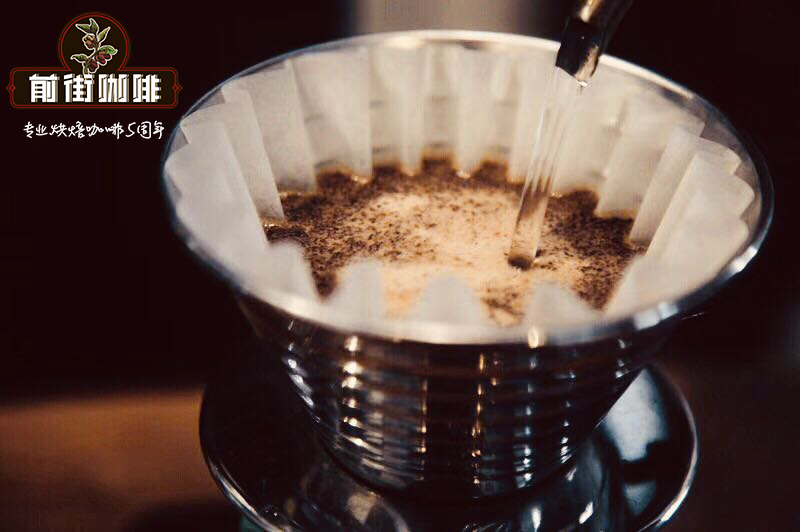
FrontStreet Coffee - Introduction to Coffee Processing Methods
The most traditional route is the natural process. Washed processing dominates in rainy regions and wherever strict quality control and volume production matter most. Between the two sits the semi-washed method - an environmentally friendlier middle path that, after refinement, became honey processing. In recent years, ever more inventive treatments have appeared to push flavors further: anaerobic fermentation, fermenting in rum barrels for wine-like aromas, resting beans in wine barrels, and more. So the everyday methods are natural, washed, and semi-washed; the niche ones include anaerobic, rum-barrel fermentation, and wine-barrel resting.
The oldest and simplest method is sun-drying whole cherries. After about a week, the darkened cherries are run through machines that strip the dried exocarp, pulp, mucilage, and parchment in turn; defective beans are hand-picked out at the end. Natural processing is cheap, and as the fruit and mucilage ferment in the sun, their flavors infuse the beans - yielding high fruitiness, sweetness, and wine-like notes, but less fruit acidity.
Washed processing begins by floating off impurities in water tanks, then removing skin and pulp with a pulper. The mucilage and parchment remain, so the beans go into fermentation tanks where microorganisms break down the mucilage. Afterward they are washed again, dried, and hulled to free the beans, with defect picking to finish.
Washed processing's advantage is control: everything runs through machines and hands, so weather matters less and quality stays stable - that famously "clean and crisp" cup. And because fermentation happens without fruit pulp, the beans retain more of their acids like malic and citric acid, giving washed coffee its fuller fruit aromas and brighter acidity.
Washing, however, consumes enormous water and can produce cups so clean they feel characterless. To solve both problems, many origins adopted a hybrid of natural and washed processing called semi-washed, which - after refinement - became honey processing. Costa Rica in particular has made honey processing an art form.
Semi-washed starts like washed: water removes impurities, skin, and pulp. But instead of relying on microbes to eat the mucilage, a mucilage remover strips it mechanically before sun-drying; after drying, the parchment is hulled off and defective beans picked out.
Honey processing skips the mucilage remover entirely - the beans go straight to the drying beds, where the remaining mucilage ferments and deepens their flavor. Leave roughly 10% of the mucilage and you get "white honey," a clean cup closer to washed. About 25% is "yellow honey," named for the yellow hue the beans take on. About 50% is "red honey," and 100% is "black honey." The more mucilage remains, the richer, more complex, and more varied the flavor - and the harder the process, demanding much longer drying times.
The name comes from the sticky, honey-like texture of the mucilage layer - no honey is ever added. Once dried, the mucilage and parchment are hulled off, defective beans are removed, and the lot is complete.
Variety is the other half of the flavor equation. Different regions grow different varieties, and each variety tastes distinct; worldwide, there are conservatively thousands of coffee varieties, each shaped by its home terroir.
Knowledge expansion: Sumatran wet-hulling was devised to cope with the rainy season, and it produces the region's signature earthy, herbal flavors with a rich, mellow mouthfeel and low acidity.
FrontStreet Coffee Recommendation
Honey processing's lineage runs through Brazil: pulped natural - removing the skin and drying the bean with its mucilage - shortens drying time while avoiding off-flavors from uncontrolled fermentation, and the FrontStreet pulped natural Cerrado Red Bourbon is a classic Brazilian example, with distinct cream, peanut, nut, and chocolate flavors. Costa Rica borrowed that method and refined it by controlling how much mucilage stays on the bean and how long it dries, giving rise to black, red, yellow, and white honey.
For the boldest expression, the FrontStreet Costa Rica Blackberry uses black honey - nearly all mucilage retained, dried for at least two weeks under shade covers to slow the drying and let sugars fully convert, with regular raking to prevent uneven fermentation. Roasted medium-light, it perfumes the grinder with fresh florals and brews into grape, berry, and ripe blackberry.
The FrontStreet Strawberry Candy Geisha blend pairs Panama Geisha with Costa Rican raisin-honey coffee - a method that pre-dries whole cherries on raised beds for at least three days before hulling, retaining 100% of the mucilage with zero water; it demands even stricter timing than black honey but rewards it with rich dried-fruit sweetness. The blend layers Geisha's orange-blossom tea character over raisin and blueberry aromatics with soft acidity, almond finish, and obvious sweetness. And the FrontStreet Costa Rica Mozart, also raisin-honey processed, serves up osmanthus, pineapple, and raisin notes in pour-over, cold brew, or moka pot.
Important Notice :
FrontStreet Coffee is a long-established specialty coffee roaster in Guangzhou China, selling freshly roasted beans from its own farm in Yunnan as well as dozens of carefully selected single-origin beans from around the world for both pour-over and espresso. The products deliver consistently excellent quality and great value, with shipping within 24 hours. Guangzhou's FrontStreet Coffee shop is recommended by many coffee lovers, and the beans are now available online at the Tmall 。
FrontStreet Coffee has moved to a new address:
FrontStreet Coffee Address: 315,Donghua East Road,GuangZhou
Tel:020 38364473
 Scan and follow the En Gafei WeChat official account. Please indicate that the reprint comes from "En Gafei".