One of the Best Single-Origin Coffee Beans | Panama Deborah Estate Natural Geisha with Floral and Fruity Aroma Characteristics
Coffee beans with floral and fruity notes and a rich, juice-like sensation have grown more and more popular in recent years, and Panama Geisha is the prime example. Panama's coffee is renowned not for its quantity but for its unique flavor profiles, making it a top choice for many coffee enthusiasts.
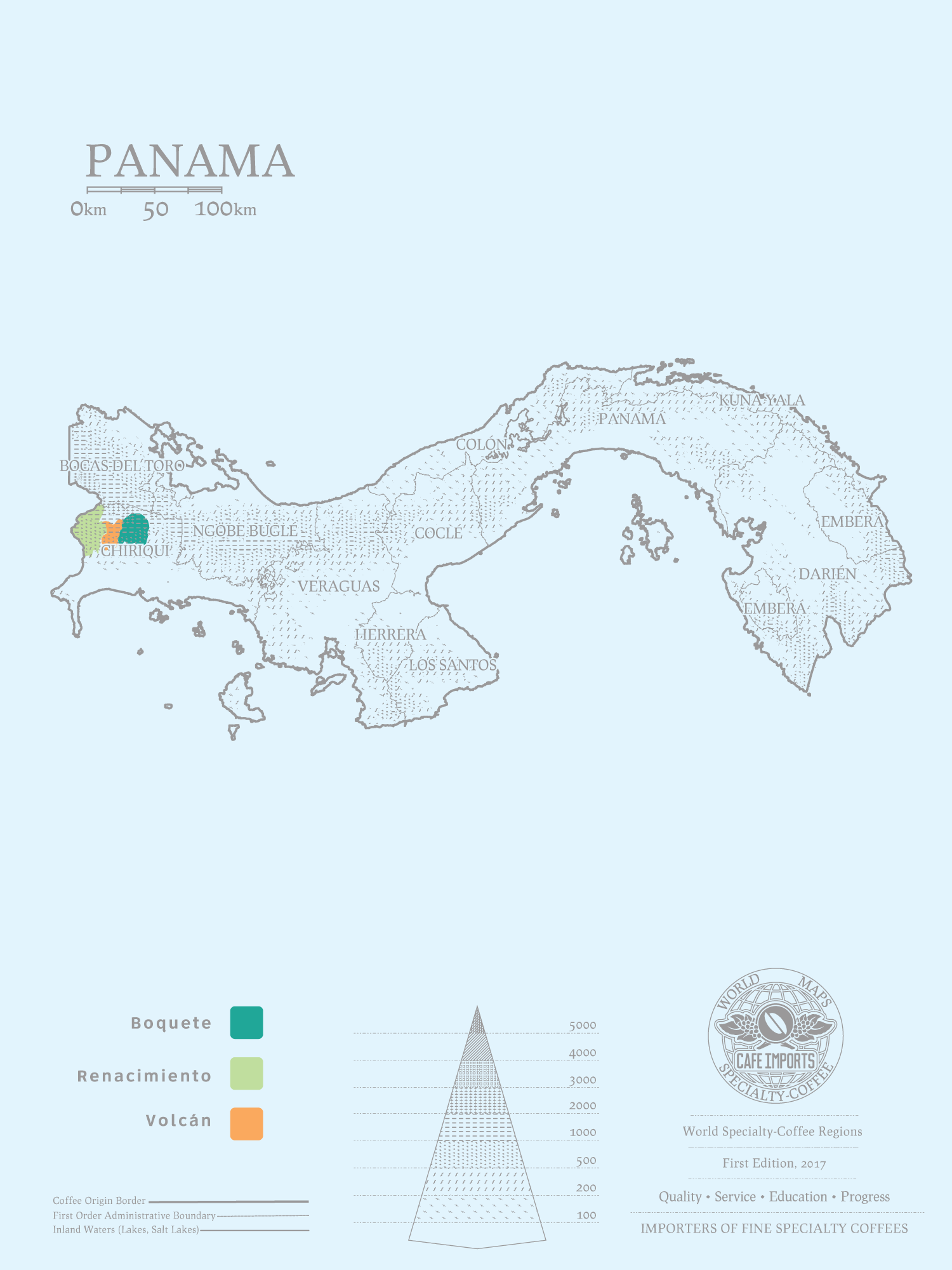
Panama itself is a small country, and the areas where coffee is grown are even smaller. Panama's coffee industry is concentrated in three regions of Chiriquí Province: Boquete, Volcán, and Renacimiento. These three areas sit on both sides of the Barú Volcano, near the crater, in a region also known as the Valley of Flowers and Eternal Spring. The area boasts rich volcanic soil, humid air, abundant rainfall, dense vegetation, and cloud cover, all of which nourish the coffee trees and produce high-quality specialty coffee with rich flavors. The many microclimates also give rise to beans with diverse flavor characteristics.
Among these areas, Finca Deborah is located in the Volcán region. Finca Deborah is an environmentally friendly estate that runs on natural energy. Its processing plant is powered by a solar energy system, because traditional electricity cannot supply the power needed in this remote high-altitude location, prompting the estate to find its own way to generate power. This lets the estate maintain the environmental integrity and uniqueness of the area. As a shade-grown plantation, Deborah also blends seamlessly with the mountain scenery, preserving the natural environment and protecting the habitats of local birds and wildlife.
Finca Deborah sits at an altitude of around 1,900 meters in the volcanic region of Chiriquí Province, Panama. Deborah's Geisha is grown in the most primitive forest environment, making Finca Deborah one of the most remote and highest-altitude estates. At such elevations, nighttime temperatures can drop to around 10 degrees Celsius. The extreme altitude and lower temperatures slow the growth of the coffee trees, causing them to produce more nutrients and yielding harder, denser beans.
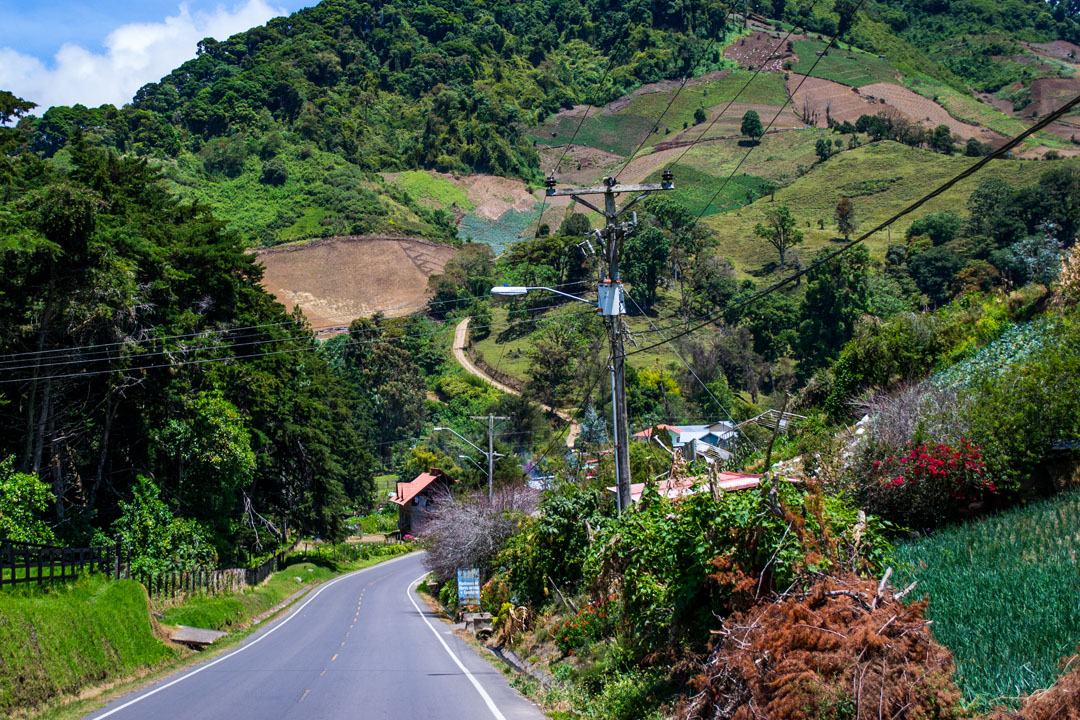
Finca Deborah is sheltered by rainforest, creating a beautiful, natural environment rich in rare species of flora and fauna. The estate completely avoids machines powered by non-renewable energy and strictly controls the use of chemical pesticides and herbicides. Natural organic fertilizers are used extensively to maintain the growth balance between coffee trees and forest trees. Because of its high-altitude location, the spread of coffee diseases at Finca Deborah is minimized. The temperature not only inhibits fungal growth and other harmful diseases but also lets the coffee trees direct their nutrients and energy to the fruit rather than spending them on self-protection against pests and disease. These advantages also help the estate's operation by reducing fluctuations in operating and production costs, thereby providing high-quality, reasonably priced coffee.
Jamison Savage: The Visionary Behind Finca Deborah
The owner of Finca Deborah, Jamison Savage, originally from New York in the United States, worked in finance before marrying his Panamanian wife and deciding to leave the fast pace of New York for the Panamanian jungle. In 2007, Savage began planning the estate; in 2010, he planted the first Geisha coffee tree at an altitude exceeding 1,900 meters; in 2015, small batches were harvested; and in 2016, commercial harvesting began. During this time, many local Panamanian farmers doubted that coffee could be grown at such high altitudes, but Savage remained undeterred. The Geisha took root, sprouted, and thrived in that harsh environment, ultimately refuting the doubts with action and results.
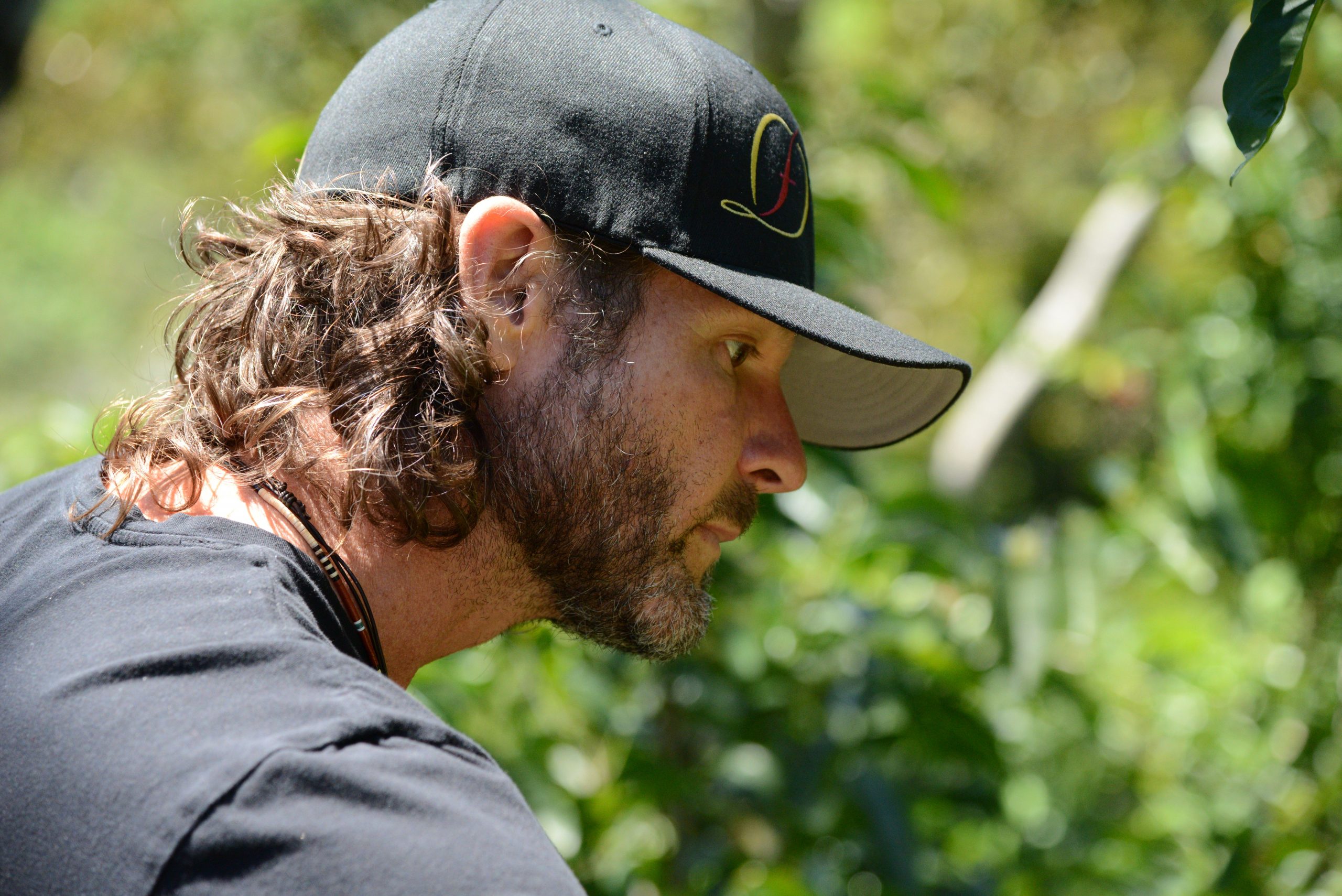
Notably, Jamison Savage oversees three projects: the aforementioned Finca Deborah, as well as Morgan Estate and the Savage Series. Among these three, the Savage Series deserves special mention.
The Savage Series: A Collective Excellence
The Savage Series is a product of Savage Coffee, initiated by Jamison Savage. The project launched in the Boquete region of Panama, and its members are small coffee estates and small-scale farmers from both the Boquete and Volcán regions. The cherries for the Savage Series are also harvested from these members. To ensure superior flavor, all the Geisha cherries in the Savage Coffee project are fully mature red cherries.

All members of the Savage Coffee series share the same vision: deep respect for the local ecological environment, and the application of core principles such as sustainable development, exceptional quality, and technological innovation to their own land.
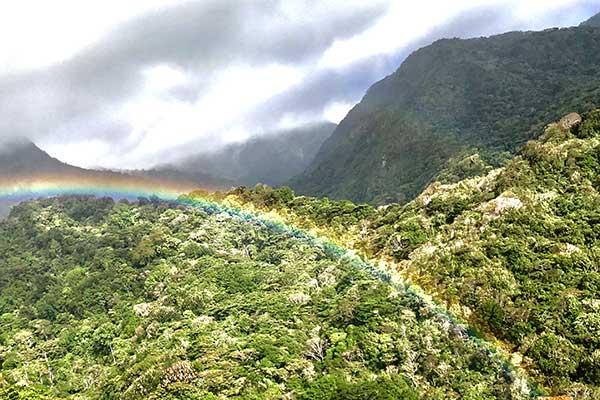
Given such an excellent ecological environment, how could FrontStreet Coffee possibly miss the chance to taste it? Astute observers may already have noticed that FrontStreet Coffee's bean list features a coffee from Panama's Savage Coffee series.
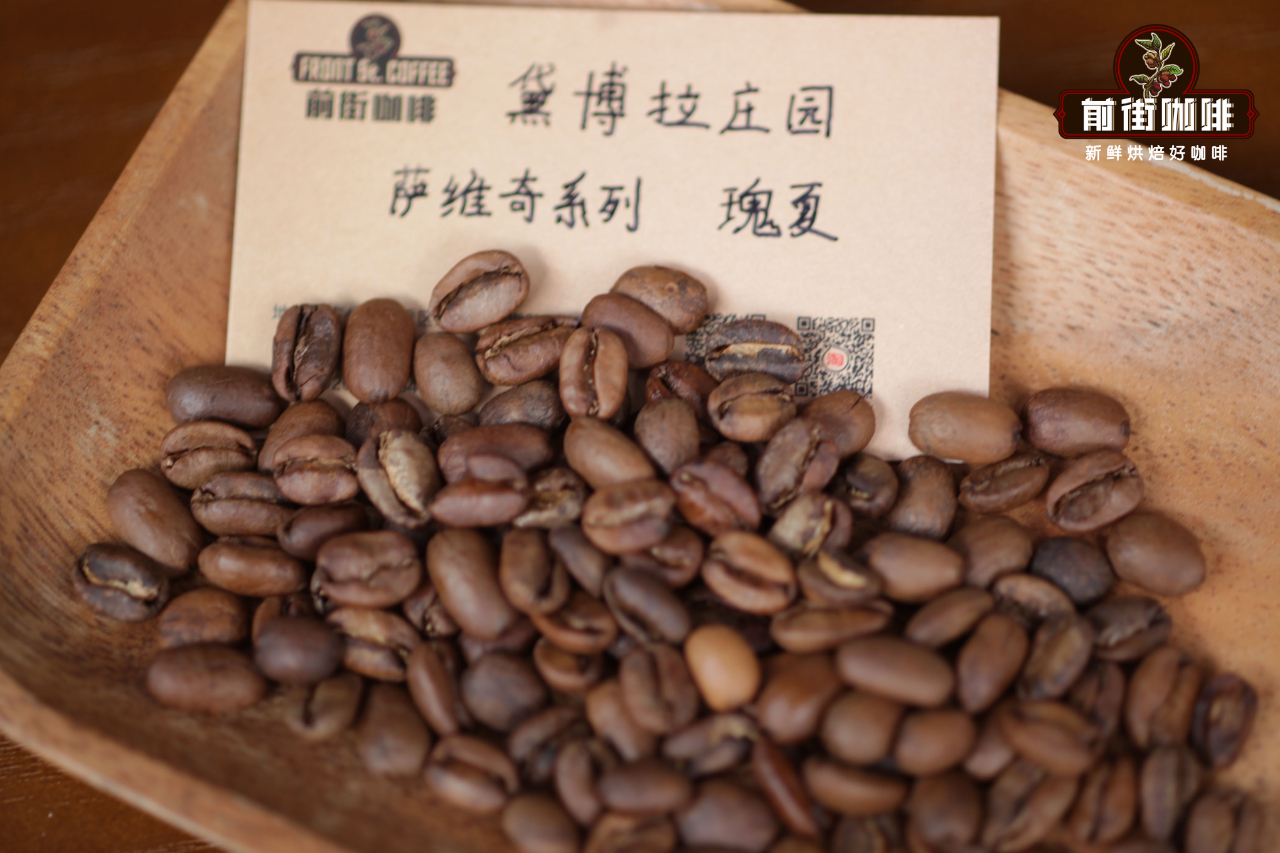
FrontStreet Coffee's Finca Deborah Savage Series Geisha
- Origin: Volcán Region, Panama
- Estate: Finca Deborah
- Owner: Jamison Savage
- Altitude: 2000m - 2350m
- Variety: Geisha
- Grade: SHB
- Processing Method: Anaerobic Natural Processing
Finca Deborah's owner Savage has spent over a decade researching post-harvest processing techniques for green coffee. The FrontStreet Savage Series Geisha uses anaerobic natural processing, also developed by Savage himself.
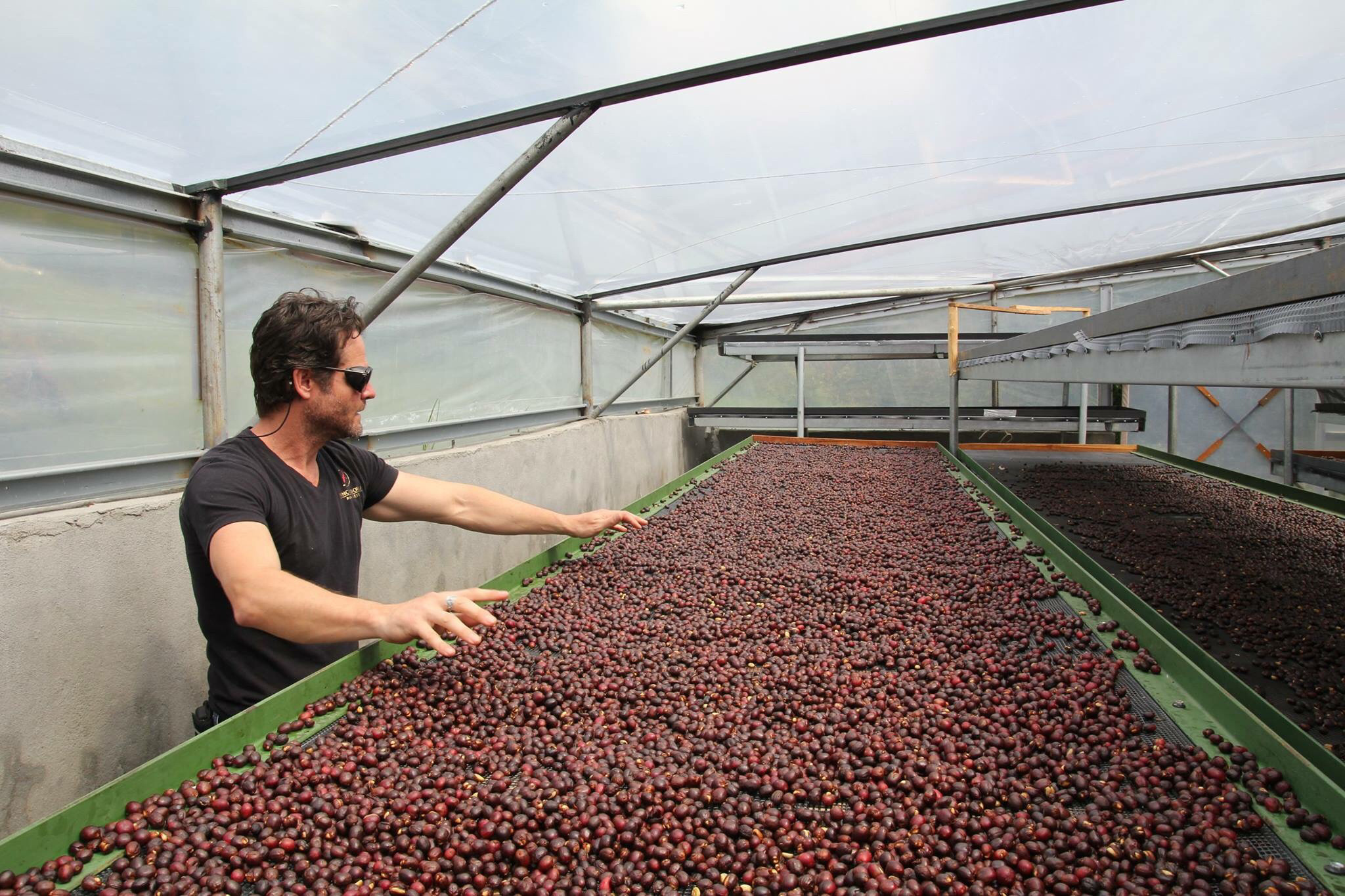
The process begins with sun-drying fresh, ripe red cherries in a greenhouse until they shrivel. The dried cherries are then placed in a sealed container, oxygen is removed, and they undergo dry fermentation for 36 hours. Finally, these anaerobically fermented cherries are pulped, with 100% of the fruit pulp retained for secondary fermentation. After this series of steps, the Savage Geisha offers a full-bodied texture, sweet and delicious flavors, and rich aromas of fresh fruits and flowers.
When FrontStreet Coffee's roasters received these high-quality green beans, they immediately began drawing up a roasting plan. To highlight the floral notes, juice-like sensation, and acidity, they chose a medium-light roast. This Savage Series coffee features enticing white floral notes, along with the sweet-and-sour character of pineapple and lactic drinks. With its full body, FrontStreet Coffee's baristas found it unforgettable and full of praise.
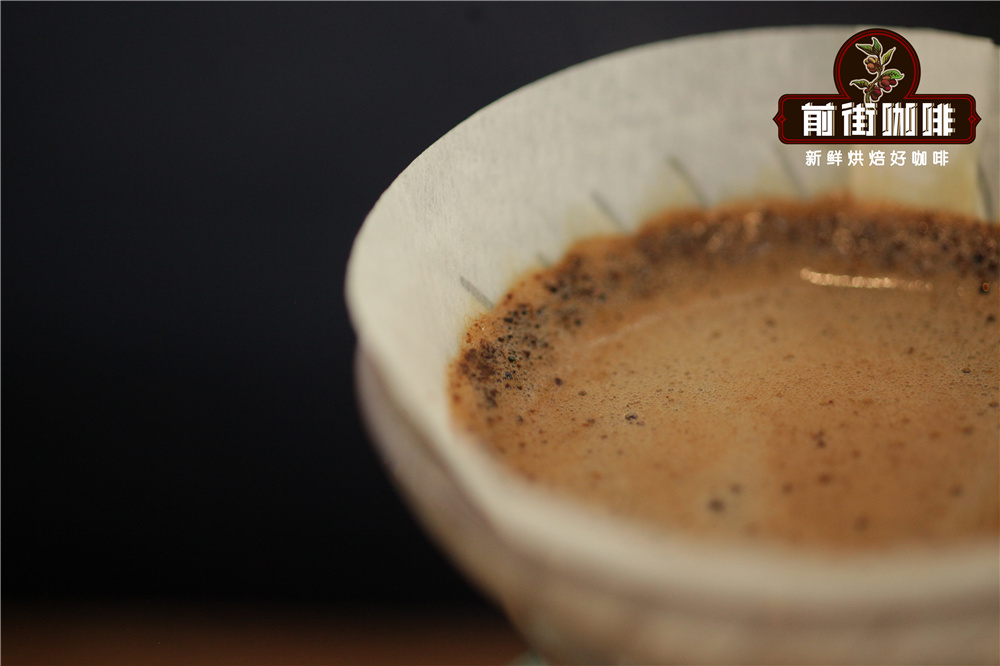
When FrontStreet Coffee's baristas brew this bean, they keep in mind that it is lightly roasted, and lightly roasted beans release their soluble material more slowly. To ensure full extraction of the Geisha flavors, they use higher water temperatures. They also choose a filter cup with a faster flow rate. To better appreciate the layered complexity of Geisha, FrontStreet Coffee recommends a coffee-to-water ratio of 1:16.
- Filter: Hario V60
- Water Temperature: 93°C
- Coffee Amount: 15 grams
- Coffee-to-Water Ratio: 1:16
- Grind Size: 80% pass-through through a #20 sieve

FrontStreet Coffee uses a three-stage pouring method. First, pour 30 grams of water and let it bloom for 30 seconds. Then, using a slow stream, pour in a circular motion to 130 grams. When the water level in the filter drops to just above the coffee bed, continue pouring to 240 grams. Once all the water has dripped through into the sharing pot, remove the filter cup. Total extraction time is approximately 2 minutes.
FrontStreet Coffee Recommendation
If the wild, high-altitude story of Finca Deborah has you curious, the FrontStreet Savage Series Geisha is the real thing: an anaerobic natural Geisha grown between 2,000 and 2,350 meters. Fermented for 36 hours in a sealed, oxygen-free tank and then pulped with 100% of the fruit pulp retained, it delivers a full body, sweet, juicy flavors, and intense aromas of fresh flowers and fruit.
For a more accessible taste of Panama Geisha, try the FrontStreet Boquete Geisha, an entry-level lot from the country's most representative specialty region. Expect the classic Geisha orange-blossom honey sweetness, oolong-tea texture, and delicate fruit acidity, at a price that makes the variety easy to love.
Important Notice :
FrontStreet Coffee is a long-established specialty coffee roaster in Guangzhou China, selling freshly roasted beans from its own farm in Yunnan as well as dozens of carefully selected single-origin beans from around the world for both pour-over and espresso. The products deliver consistently excellent quality and great value, with shipping within 24 hours. Guangzhou's FrontStreet Coffee shop is recommended by many coffee lovers, and the beans are now available online at the Tmall 。
FrontStreet Coffee has moved to a new address:
FrontStreet Coffee Address: 315,Donghua East Road,GuangZhou
Tel:020 38364473
 Scan and follow the En Gafei WeChat official account. Please indicate that the reprint comes from "En Gafei".