What Are the Types of Specialty Coffee Beans? What's the Relationship Between Arabica and Typica Coffee Varieties?
Thanks to relentless marketing, most people have picked up at least a little knowledge of coffee varieties — "100% Arabica coffee beans" has become the favorite slogan of sellers everywhere. But coffee varieties are more complicated than the slogan suggests. Let FrontStreet Coffee explain.
Arabica, also known as small-grain coffee, is currently considered the species with the superior flavor. Because of its excellent flavor profile, humans selected and widely cultivated it. Arabica is demanding (it needs high altitude), and its per-plant yield can't compete with other species — yet thanks to human cultivation, it now accounts for 70% of global coffee production.

So by this reasoning, "100% Arabica" must mean excellent coffee. But think about it: why do these advertisements emphasize "100%"? Clearly there must be another species with inferior flavor — Robusta.
Robusta is more accurately called Canephora, or medium-grain coffee. Because humans found that only one variety within the Canephora species — Robusta — was suitable for commercial cultivation, it gradually became common to call this medium-grain coffee simply "Robusta." Strictly speaking, though, Arabica should be matched against Canephora in the classification. Canephora beans are used mainly as raw material for coffee products.

Within the Arabica species there are many sub-varieties, of which Typica is the classic example. In specialty coffee, varieties are rarely referred to simply as "Arabica" — professionals use the specific sub-variety name. For example, the variety FrontStreet Coffee grows in Lincang, Yunnan is Typica, which belongs to the Arabica species.
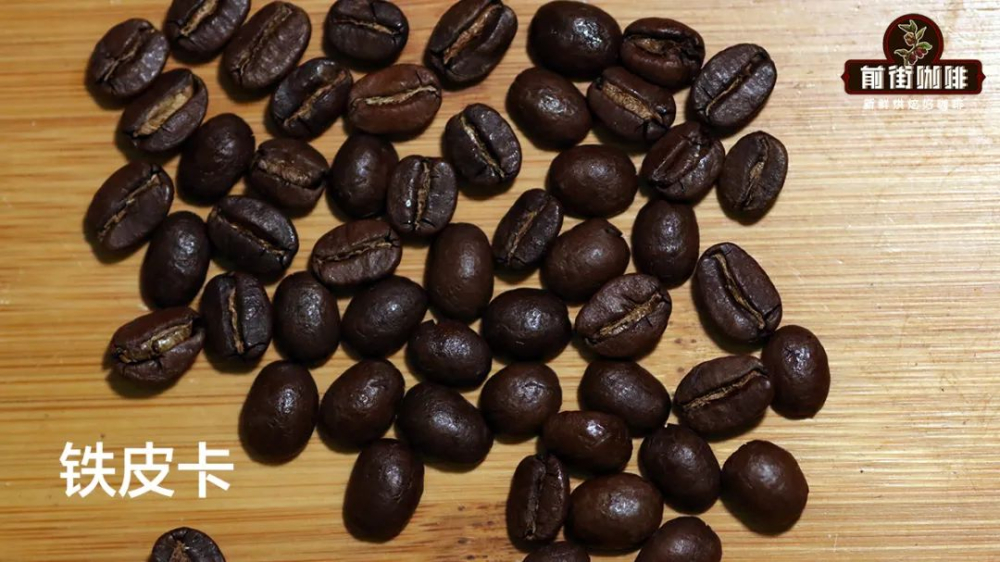
Typica: The Noble Arabica Variety
Typica is a sub-variety of Arabica. It first grew in Martinique, and its main cultivation areas today include Central America, Jamaica, the Kona region of Hawaii, Papua New Guinea, and East Timor. To squeeze higher yields out of high-quality Typica, it is often cross-bred with other varieties.
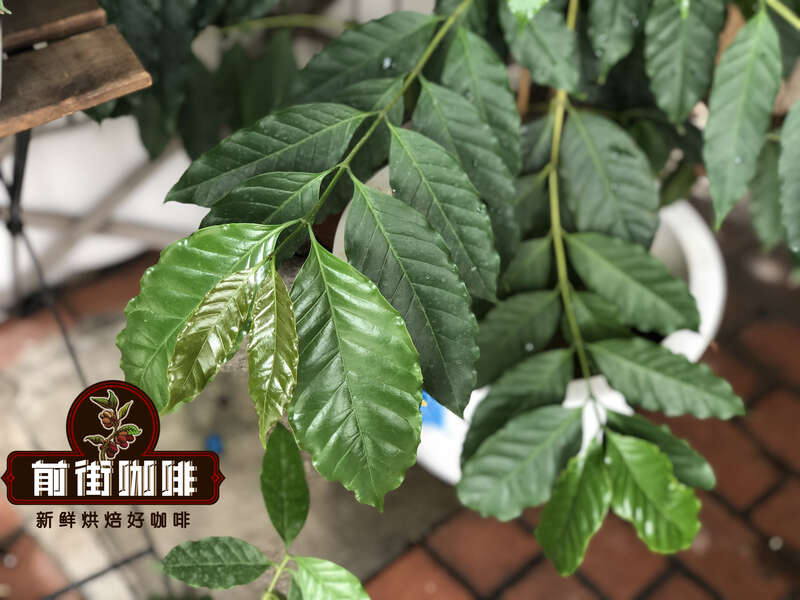
The Distinctive Characteristics of Typica
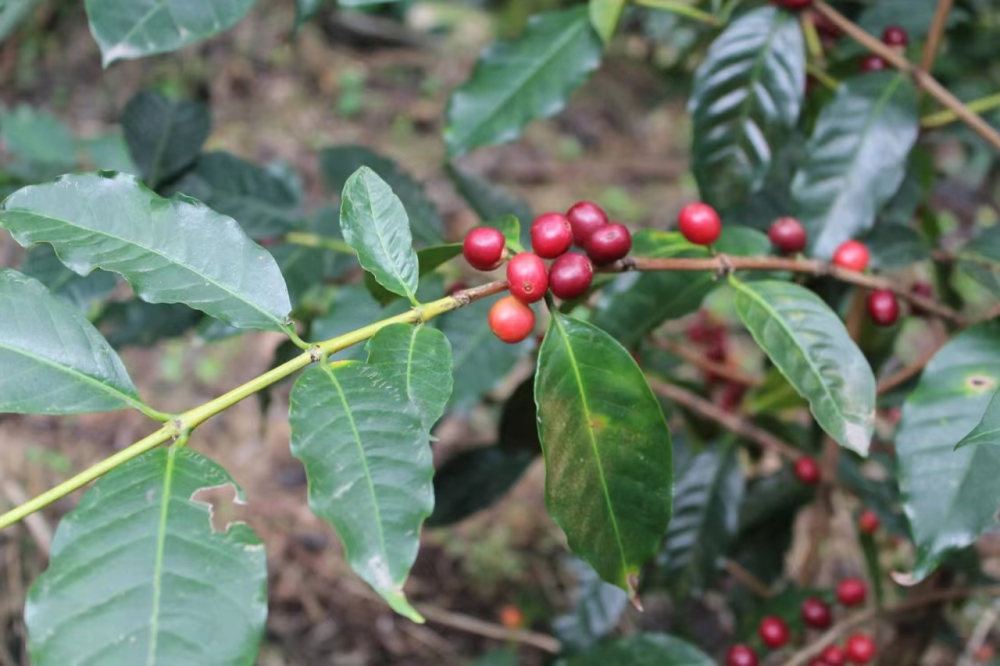
Typica trees are distinctive and may be the easiest variety to recognize. They grow in a conical shape with a main vertical trunk that can reach up to 5 meters — which means the spacing between branches, and between nodes on the same branch, is greater than in other varieties. Side branches form acute angles of 50 to 80 degrees with the trunk. Neither trunk nor branches are very robust. The leaves, fruits, and green beans are typically elongated, and the tips of young leaf buds are bronze-colored. Compared to other Arabica varieties, Typica leaves are smoother with fewer wavy edges, and its ripe cherries turn a bright red.
The bronze-colored top leaves are one of Typica's signatures, and the beans are relatively large, forming pointed ovals or slender points — which is why some call it "red-topped coffee." Its shortcomings, however, include low yield, altitude requirements, susceptibility to leaf rust, and weak resistance to pests and diseases. Through cupping, FrontStreet Coffee has found that Typica coffee has a uniquely subtle and clean flavor, balanced character, and high flavor clarity.

Its flavor performance is excellent, but it carries two disadvantages: it's difficult to cultivate and yields are low. That's why most coffee production in Yunnan today still comes from Catimor, which contains 1/4 Robusta genes but biologically still belongs to the Arabica species. Catimor's yield is 70% higher than Typica's and it needs no shade trees — though its flavor is somewhat inferior to Typica's.
The Flavor Profile of Typica
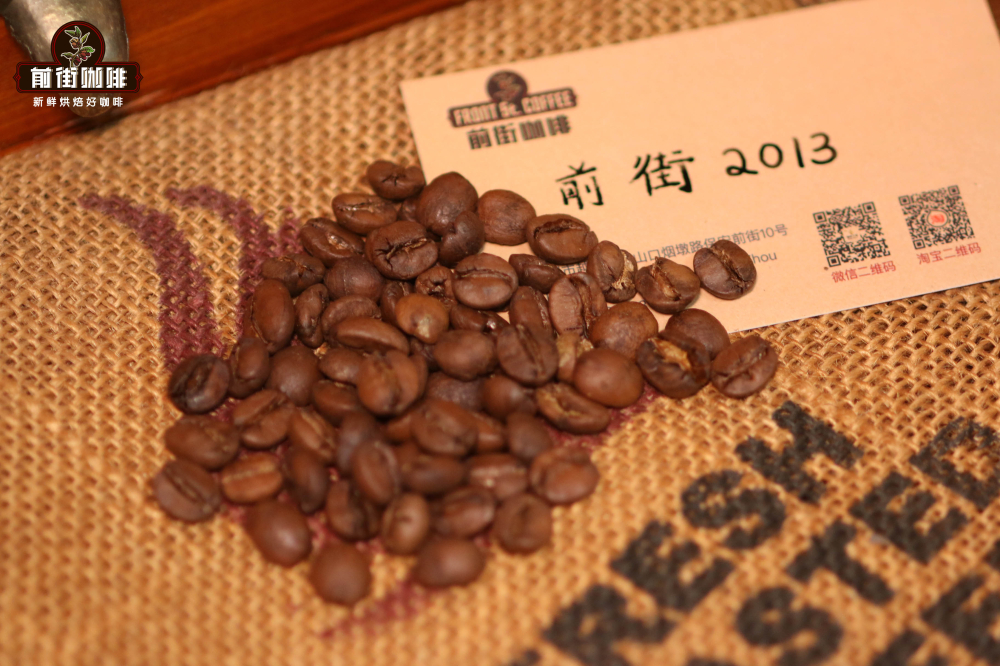
FrontStreet Coffee takes Yunnan Typica as an example. Using natural processing and a medium roast, its cupping profile shows apricot preserves, Sanhua plums, and caramel chocolate.
FrontStreet Coffee Recommendation
The coffee world, simply put, splits into three original species: Arabica, Robusta, and Liberica. Arabica has the most sub-varieties and the most complex, pure flavors, which is why it's the most popular; Robusta is intense and creamy, used mainly in espresso blends and instant coffee; and Liberica, with low commercial value, survives only in limited research cultivation. Nearly everything you drink in specialty coffee is Arabica — and because different regions give it unique flavor signatures, there are countless Arabica single origins to explore.
For a washed Arabica benchmark, FrontStreet Coffee's Yirgacheffe Guodingding cooperative lot is Ethiopia's top G1 grade: clean, bright lemon and citrus with elegant white florals, orange, and green tea notes. For a natural counterpart, FrontStreet Coffee's Huaguoi shows the classic Sidamo natural character — creamy strawberry, mango, jackfruit, citrus, and blueberry, the lush berry fragrance that won that year's TOH green bean competition — with both flavor and price in its favor.
And for Typica at its most celebrated, FrontStreet Coffee's Jamaica Blue Mountain No. 1 is the reference point. Blue Mountain's Typica traces back to the 1820s, when the variety was carried from Martinique to Jamaica and spent 200+ years evolving stronger disease resistance — particularly against cherry rot — beyond ordinary Typica. Its balance is such that FrontStreet Coffee, through cupping, has found no other origin's beans come close; step outside Jamaica, though, and Typica can't replicate that clean, subtly fragrant sweetness. For Geisha at the pinnacle, FrontStreet Coffee's Panama Red Label from the famous Esmeralda Estate in Boquete delivers jasmine, citrus, peach, and stone-fruit acidity with a silky body and an oolong-tea finish — a reminder of just how varied Arabica can be.
Important Notice :
FrontStreet Coffee is a long-established specialty coffee roaster in Guangzhou China, selling freshly roasted beans from its own farm in Yunnan as well as dozens of carefully selected single-origin beans from around the world for both pour-over and espresso. The products deliver consistently excellent quality and great value, with shipping within 24 hours. Guangzhou's FrontStreet Coffee shop is recommended by many coffee lovers, and the beans are now available online at the Tmall 。
FrontStreet Coffee has moved to a new address:
FrontStreet Coffee Address: 315,Donghua East Road,GuangZhou
Tel:020 38364473
 Scan and follow the En Gafei WeChat official account. Please indicate that the reprint comes from "En Gafei".